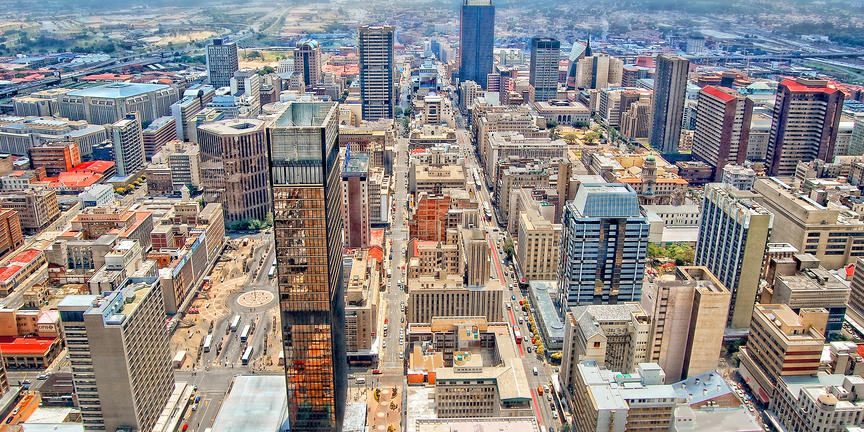
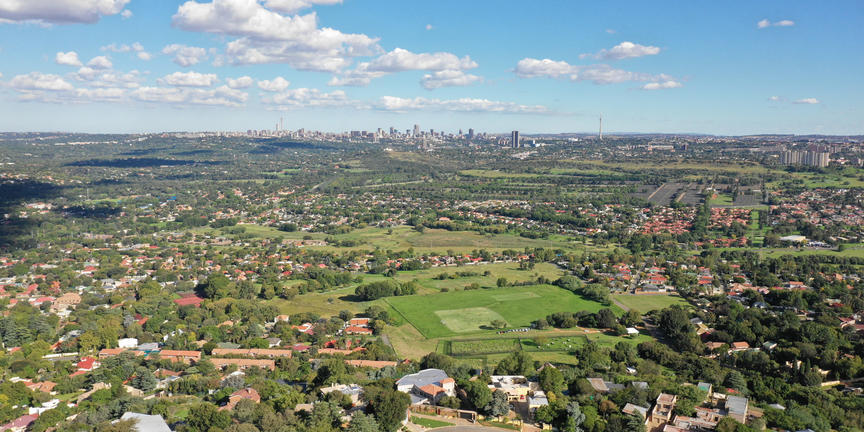
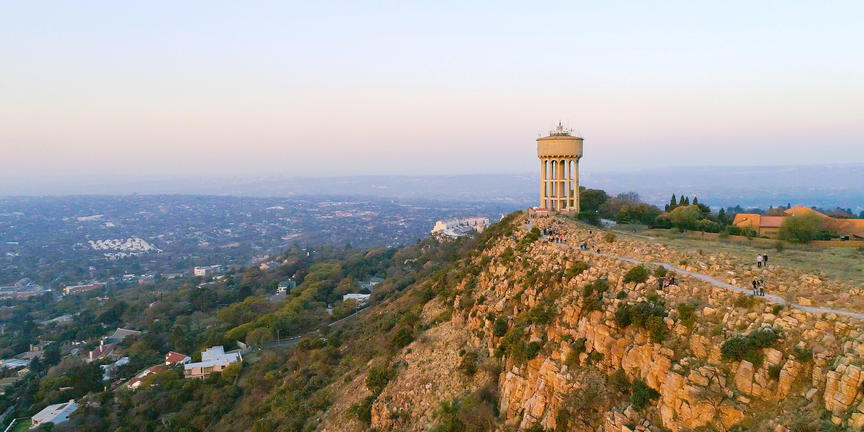
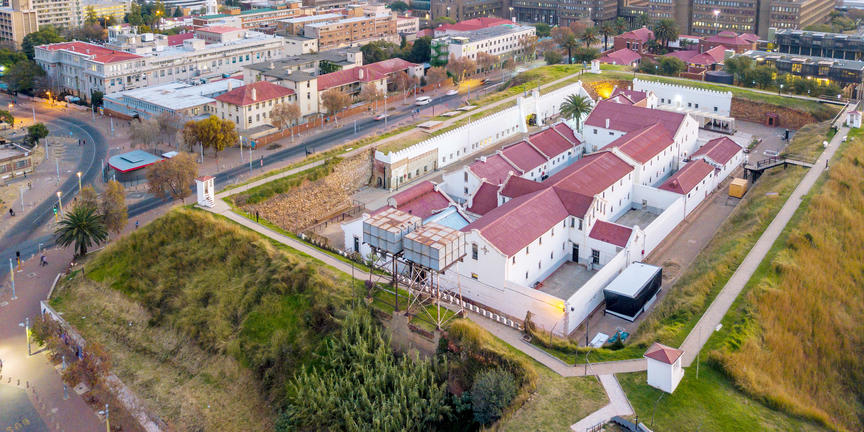
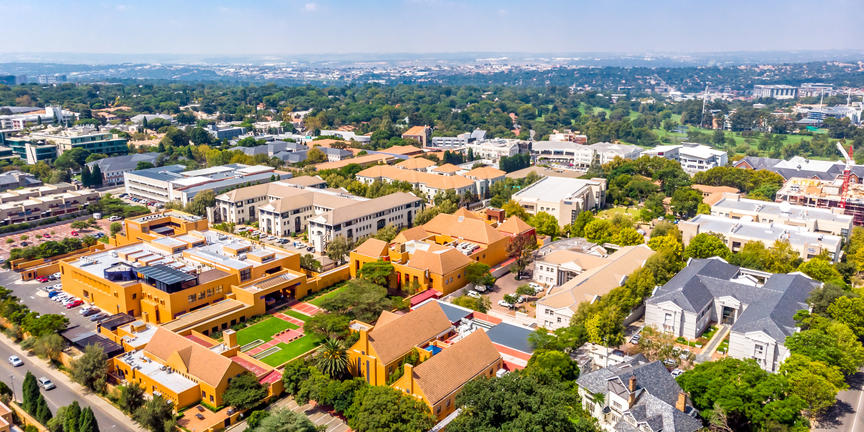
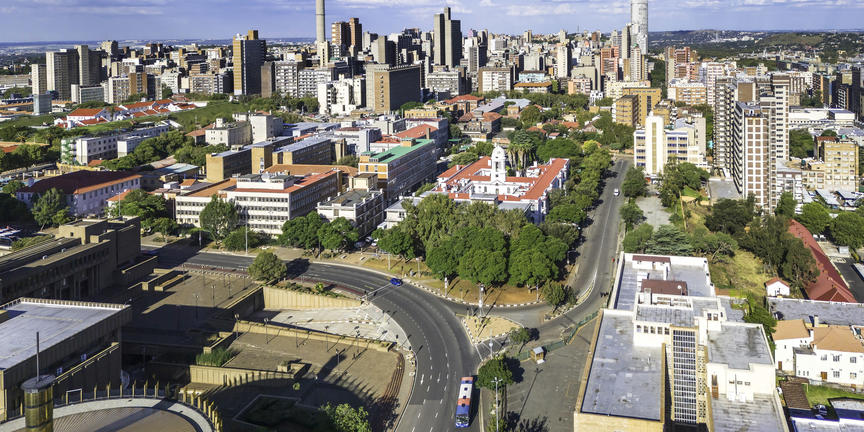
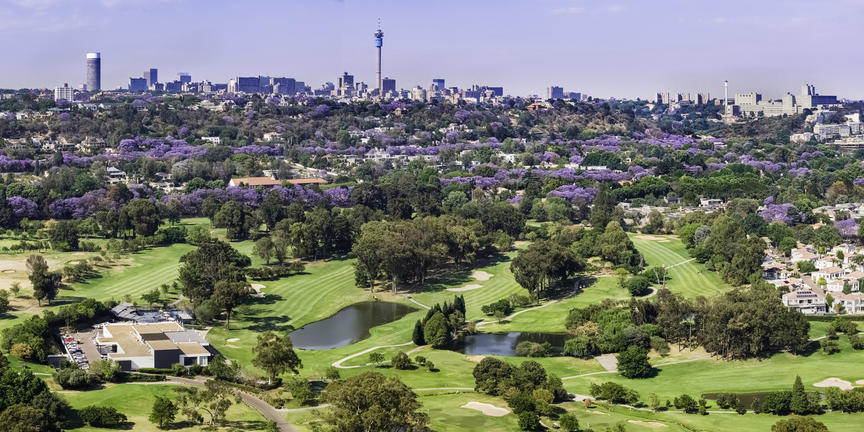
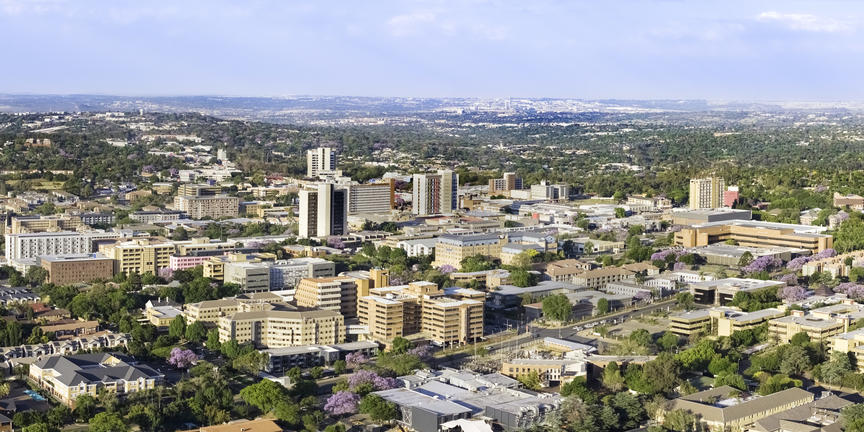
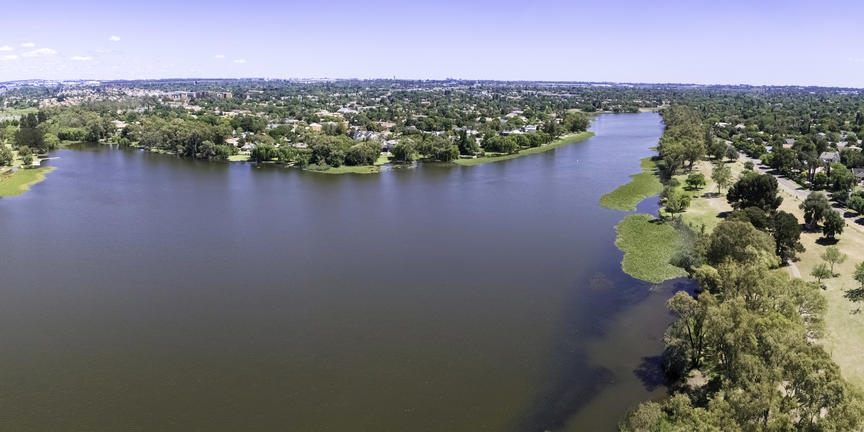
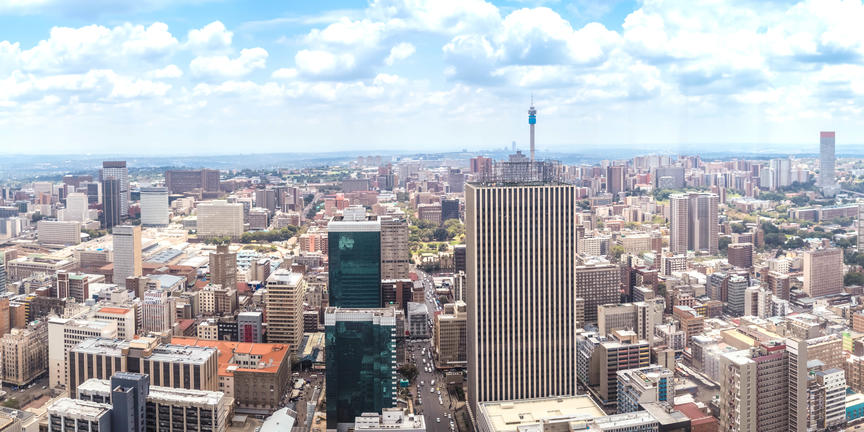
Located on South Africa’s Highveld plateau, Johannesburg is a fast-paced, creative city shaped by gold-rush history, cultural diversity and constant reinvention. Its atmosphere is energetic and urban, with contemporary galleries, rooftop bars and leafy suburbs existing alongside powerful reminders of the country’s past. Visitors can explore the Apartheid Museum, tour Soweto’s historic streets or browse vibrant markets and design spaces in neighbourhoods such as Maboneng. The city’s soundtrack shifts from lively jazz and amapiano beats to the hum of busy streets, while the scent of grilled street food drifts through open-air cafés and market stalls. Johannesburg rewards travellers who engage with its complexity and culture, though its size, traffic and contrasts mean it is best experienced with some planning and local insight.
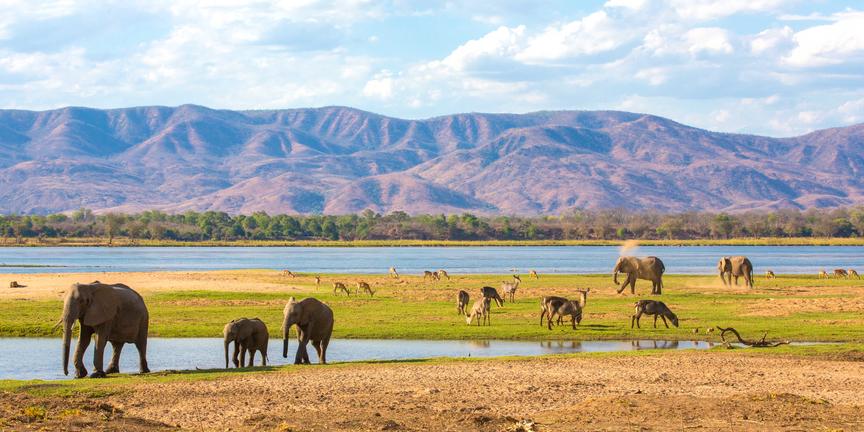
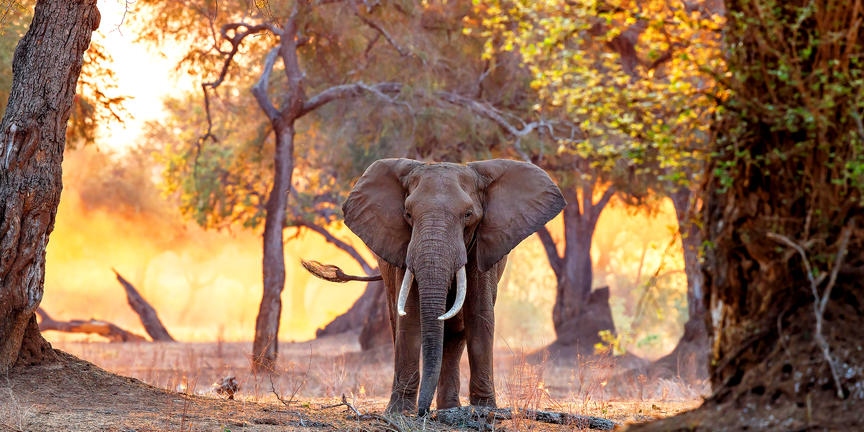
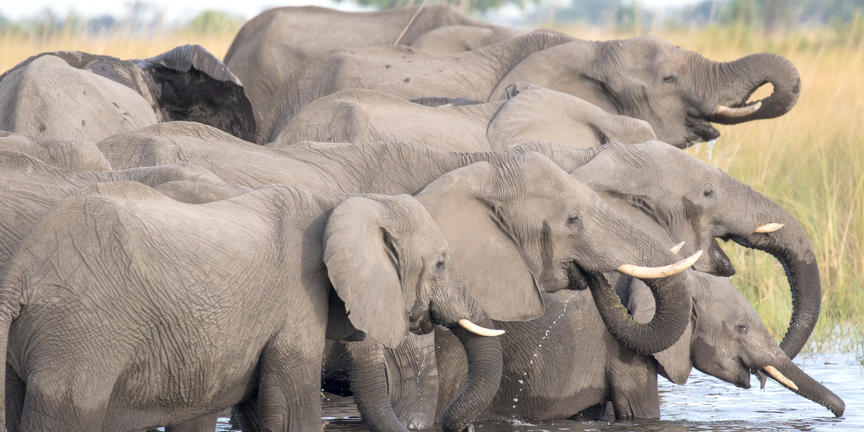
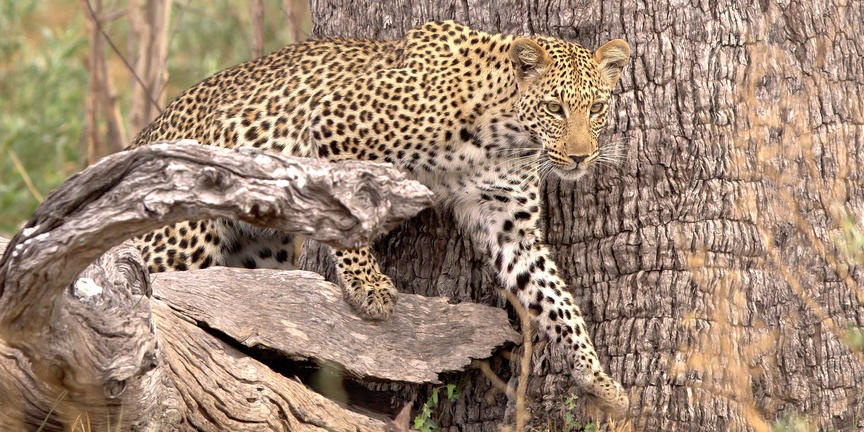
Located in northern Zimbabwe, the life-giving power of the Zambezi River makes Mana Pools National Park one of Zimbabwe’s most lush and flourishing regions. Characterised by a diversity of landscapes including floodplains, forests, and baobab trees, the park has been designated as a UNESCO World Heritage Site for its natural beauty; providing a fantastic destination for photographers. It is an Important Bird Area and is also one of the continent’s premier game-viewing locations, known for its good chances of seeing elephants, wild dogs, lions, and leopards. Visitors can look forward to an array of activities such as canoe trips, guided walks, game drives, river cruises, nature walks, bird watching, and catch-and-release fishing.
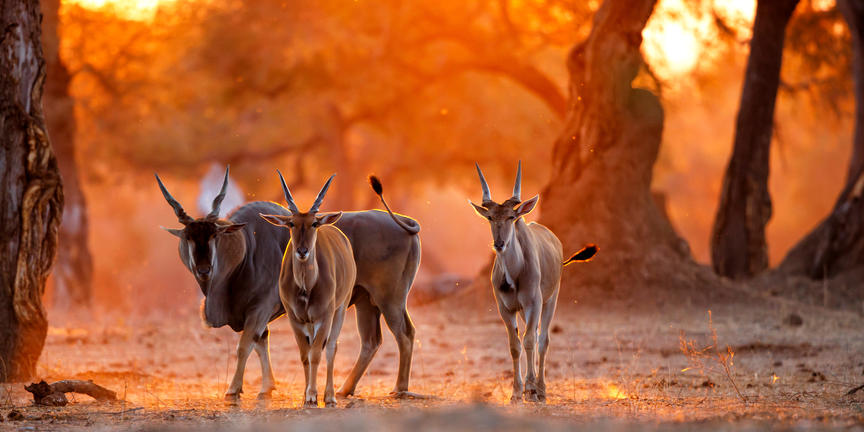
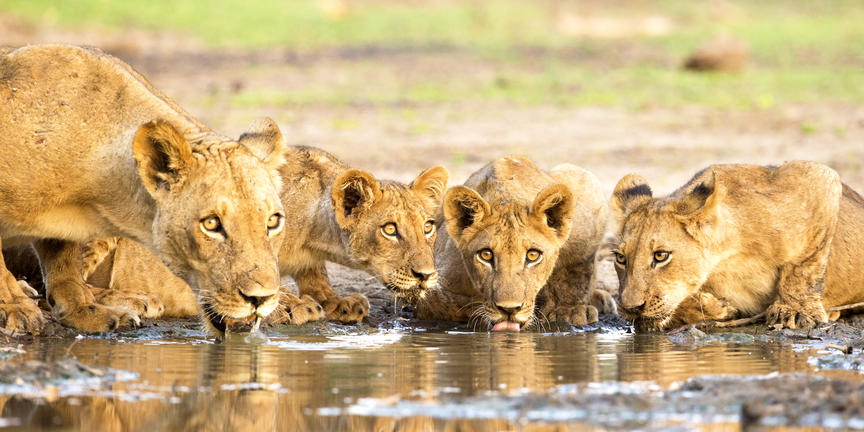
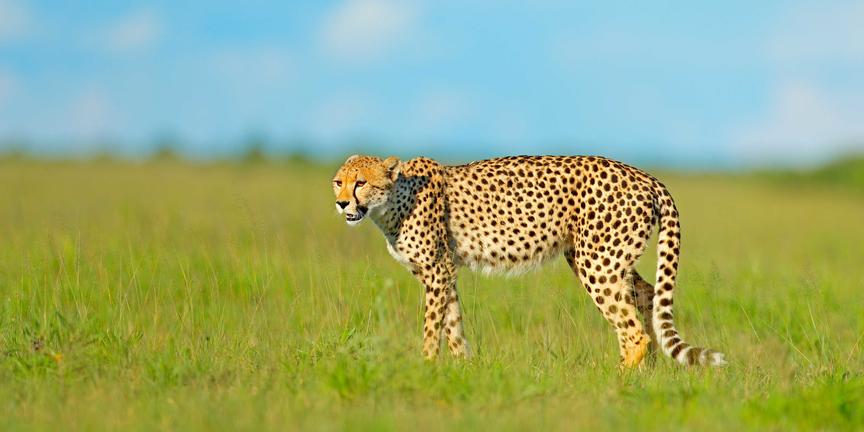
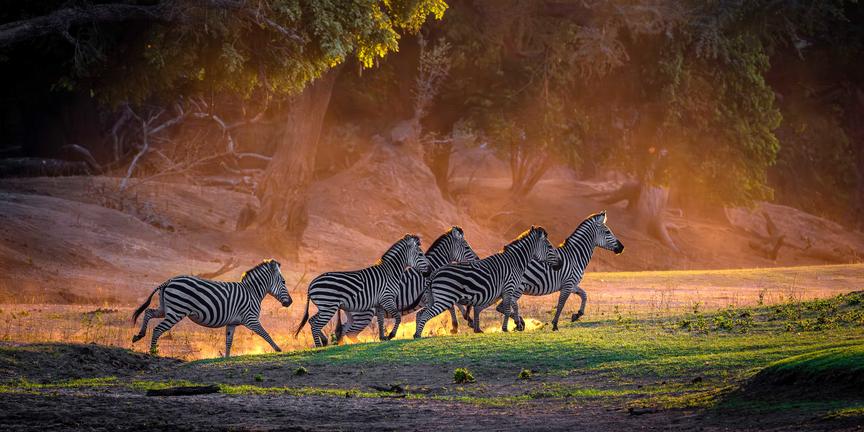
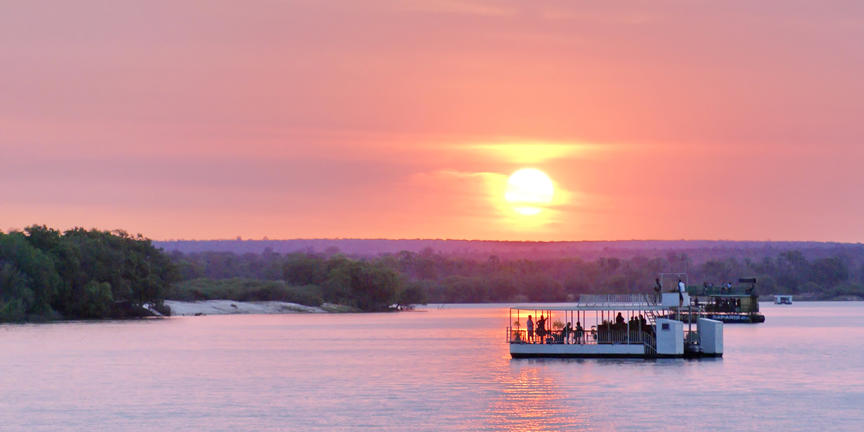
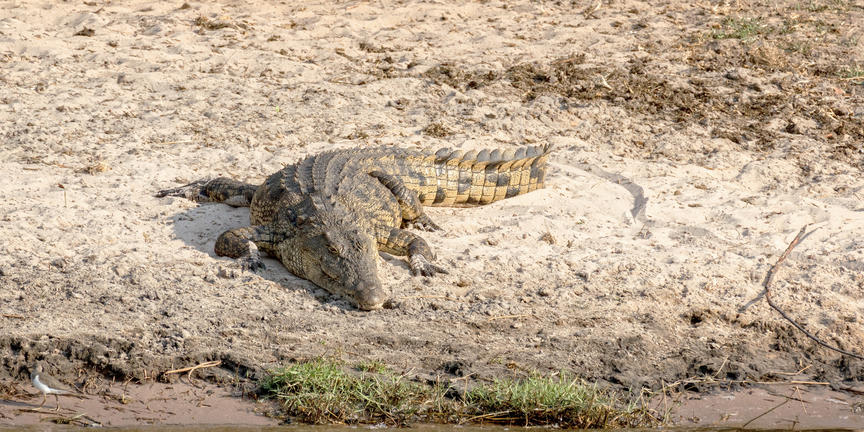
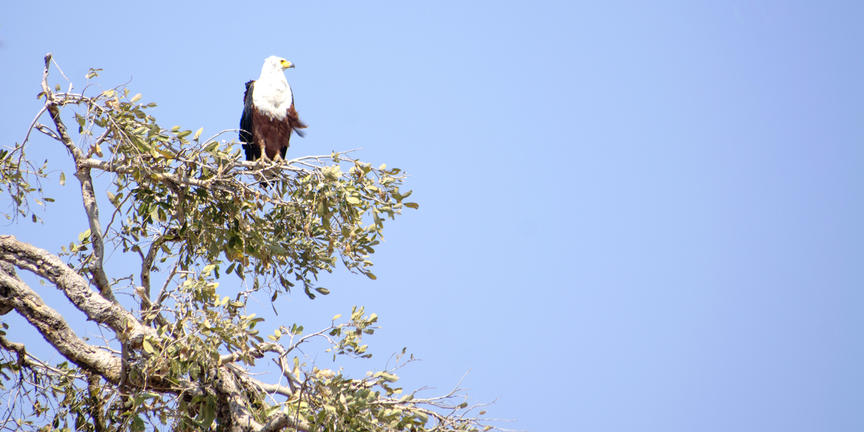
Located in southern Zambia along the border with Zimbabwe, the Lower Zambezi region is renowned for its spectacular wilderness and the wildlife-rich Lower Zambezi National Park. One of Africa’s most unspoilt safari destinations, the area is characterised by vast floodplains, indigenous woodlands, and the mighty Zambezi River, which supports an abundance of wildlife. Visitors can expect to see elephants, hippos, buffalo, crocodiles, fish eagles, and a variety of other species in their natural habitat. The region offers a diverse range of safari experiences, including game drives, guided walking safaris, canoe excursions along the river, and some of the finest tiger fishing opportunities in Africa.
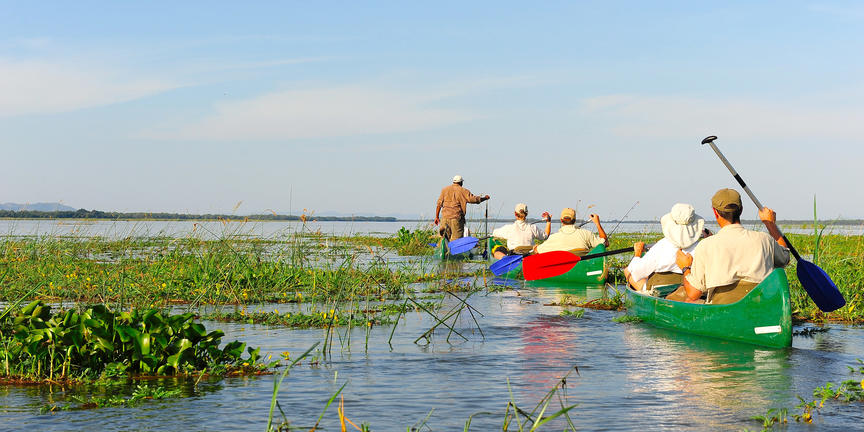
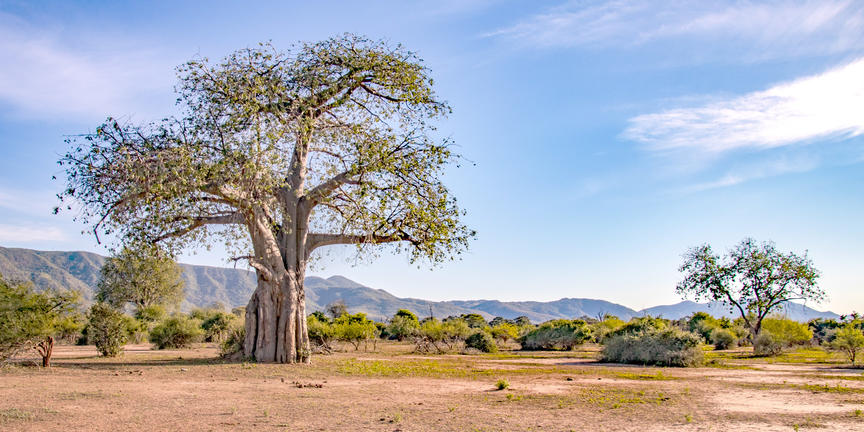
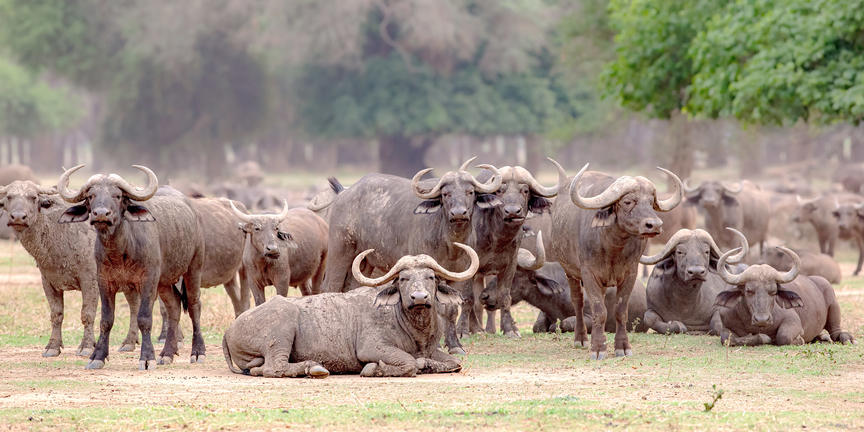
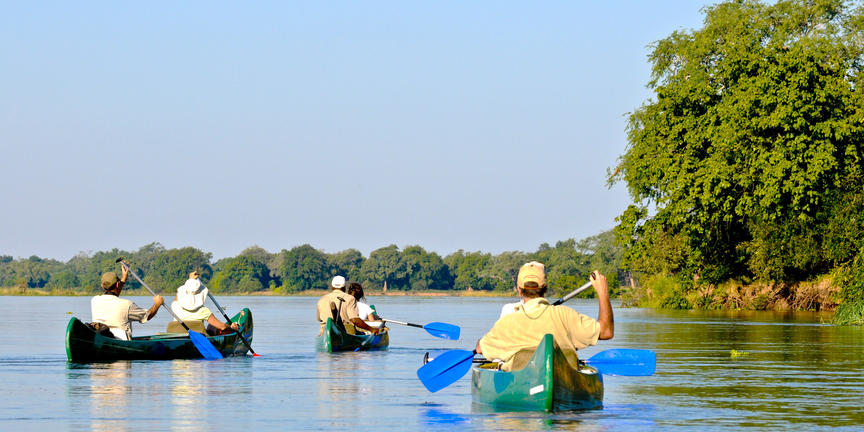
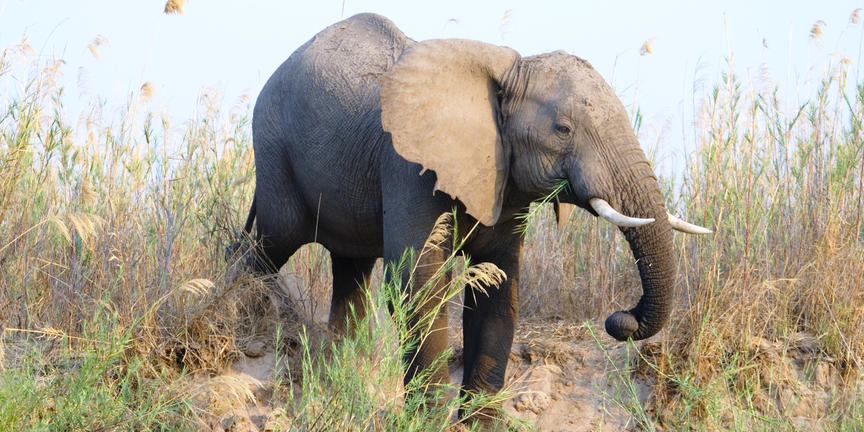
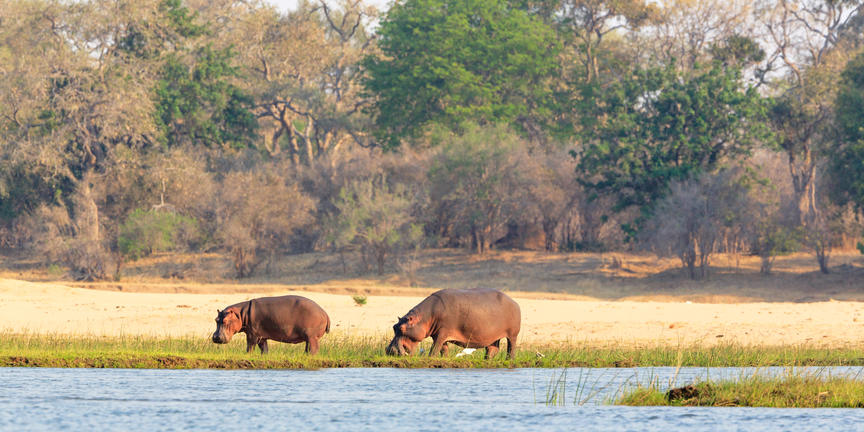
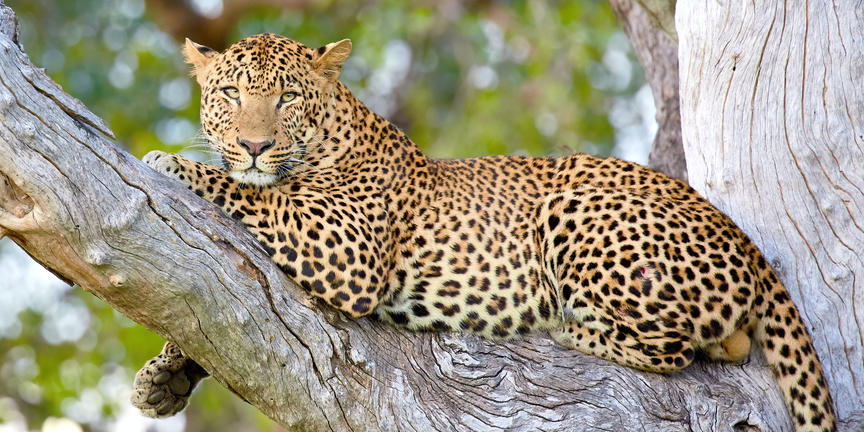
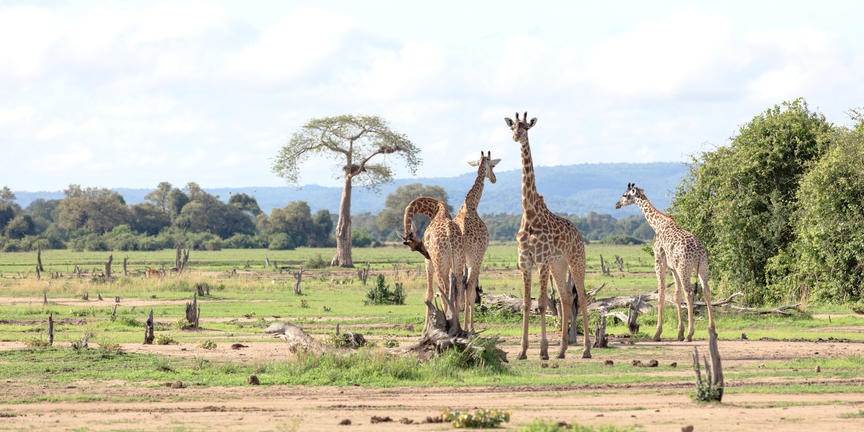
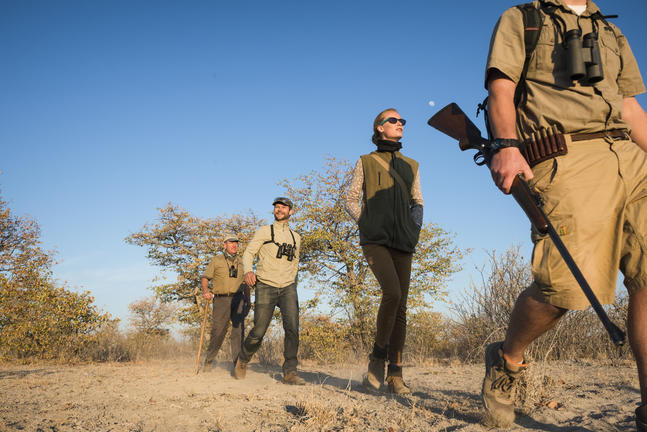
Bordering the Luangwa River in eastern Zambia, South Luangwa National Park is one of Africa’s most celebrated wildlife destinations, renowned for its unspoilt wilderness, exceptional biodiversity, and successful conservation efforts. The park supports thriving populations of elephant, lion, leopard, buffalo, hippo, giraffe, and numerous antelope species, along with more than 400 bird species. Widely regarded as the birthplace of the walking safari, South Luangwa offers visitors the rare opportunity to explore the bush on foot under the guidance of experienced armed guides, providing an intimate perspective of the surrounding wildlife and ecosystems. Traditional game drives, seasonal boating, and outstanding opportunities for photography and birdwatching further enhance the experience. Combined with the scenic Luangwa River, the park delivers one of Africa’s most authentic and unforgettable safari adventures.
As previously described
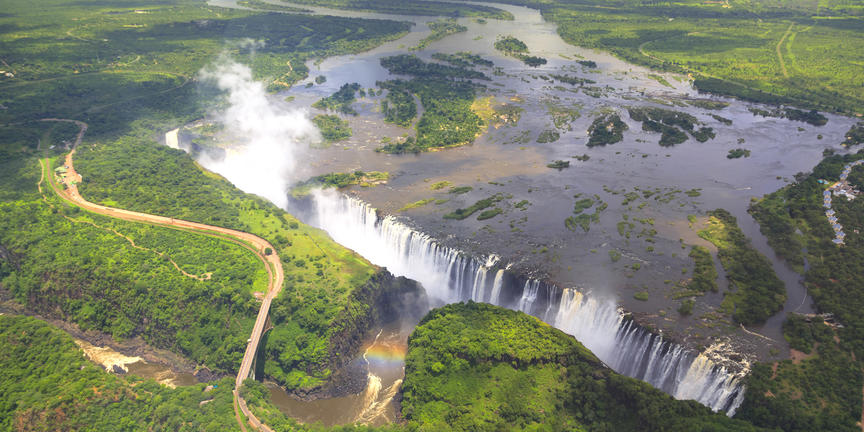
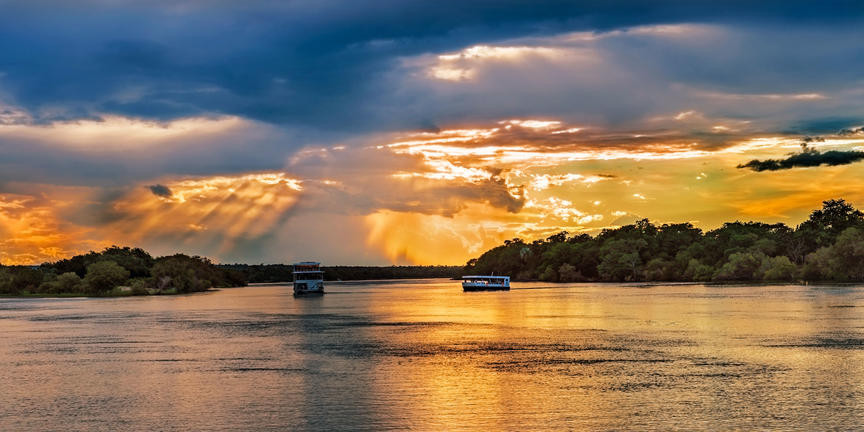
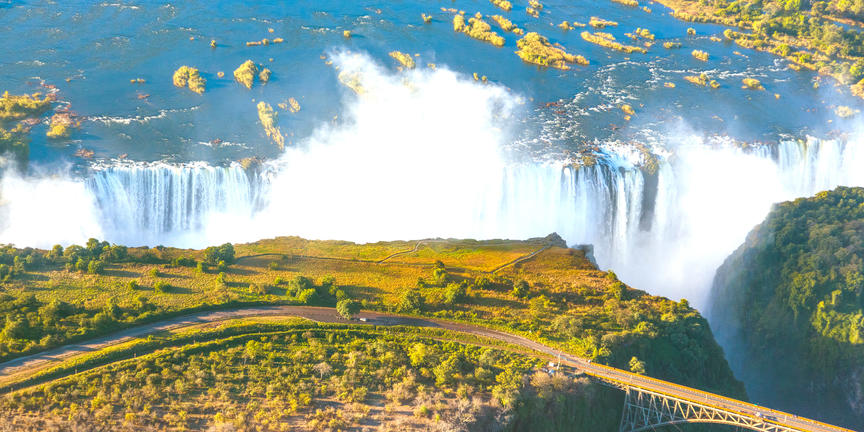
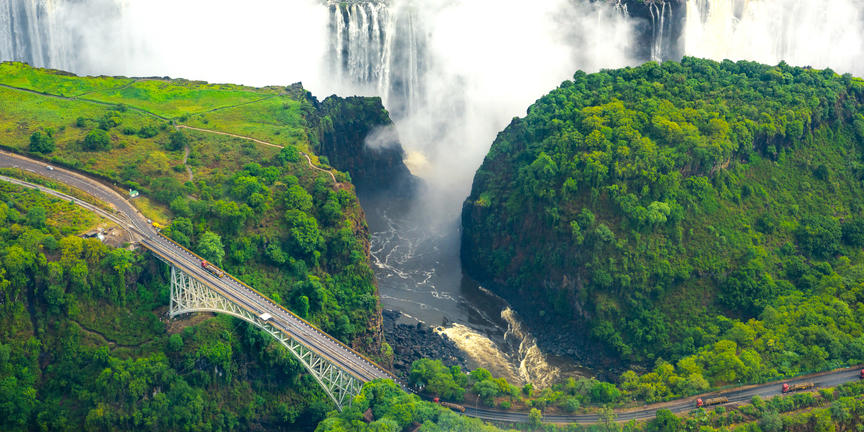
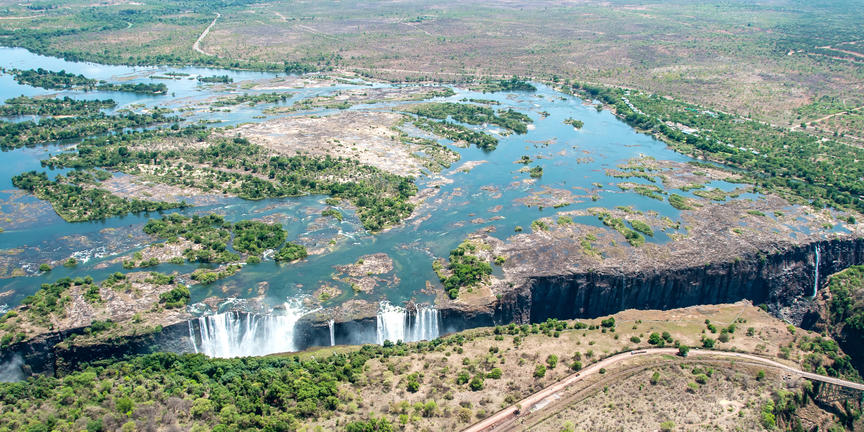
Zambia’s flourishing border town, Livingstone, or Maramba, is situated in the South Province of the country. The British colonial city is a tourism centre for the nearby Victoria Falls, Mosi-oa-Tunya National Park, and the Zambezi River. Continuously growing, this romantic destination is rich in culture and history, with a host of adrenaline-infused experiences to choose from including bungee jumping, abseiling, gorge swinging, white water rafting, kayaking, canoeing, and jet boating. For visitors seeking a more relaxed experience, there are countless other activities on offer too. Visit the fascinating Livingstone Museum, take a helicopter flight over the roaring fall, or experience a superb game drive in the UNESCO-listed Mosi-oa-Tunya National Park, home to African elephants, hippopotamus, and an impressive variety of bird species.
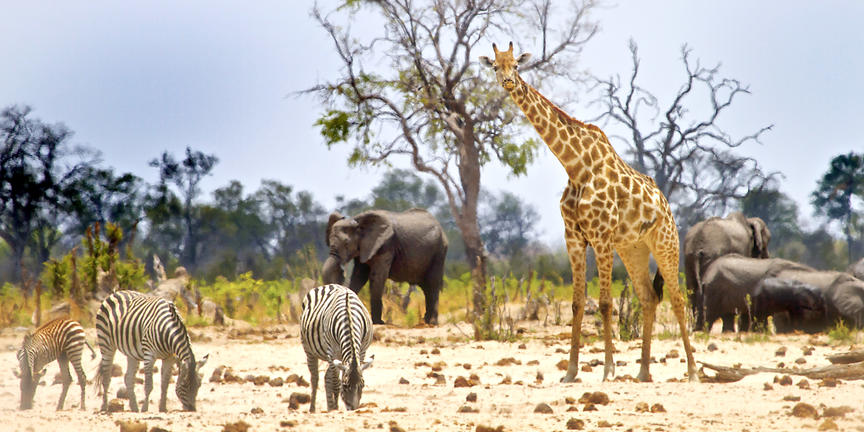
Situated in western Zimbabwe, the Hwange National Park is the country's biggest reserve, home to a profusion of wildlife, including giraffe, lion, zebra and approximately 40 000 elephants. It provides a sanctuary for all the country’s endangered species, including a population of wild dogs thought to be among the most sizeable surviving groups on the continent. The park’s magnificent terrain ranges from desert dunes, savannah lands and mopane woodlands to rocky outcrops and sparse forests. Visitors can look forward to game drives, guided walks or horse riding safaris. Other highlights include: the Bumbusi National Monument and the Nyamandhlovu Pan.
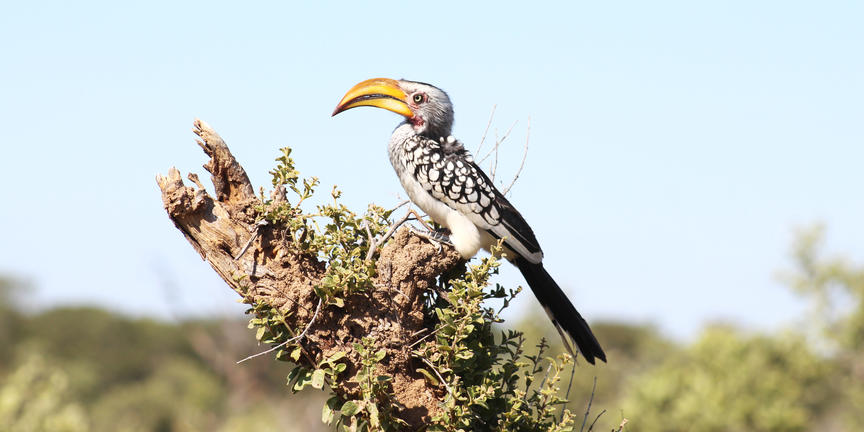
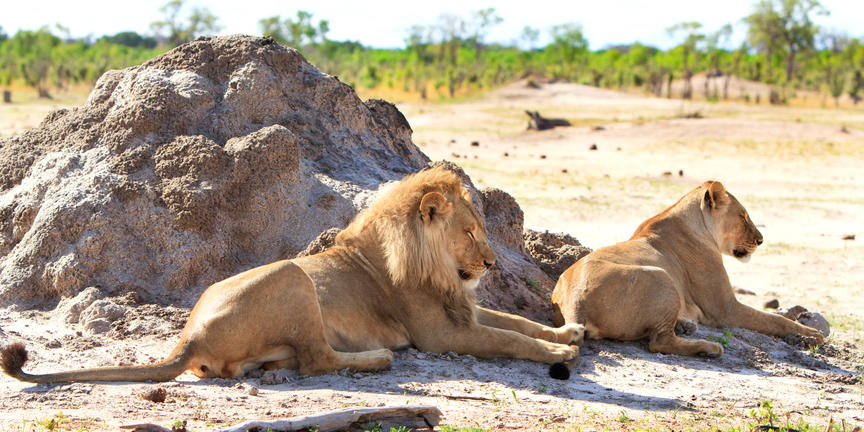
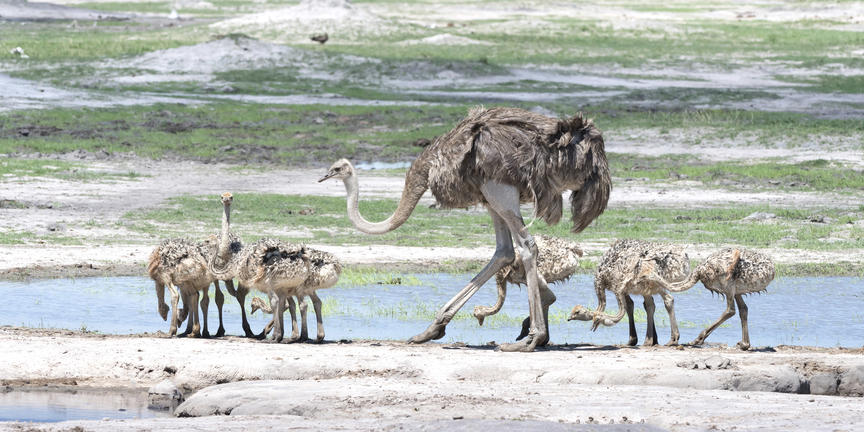
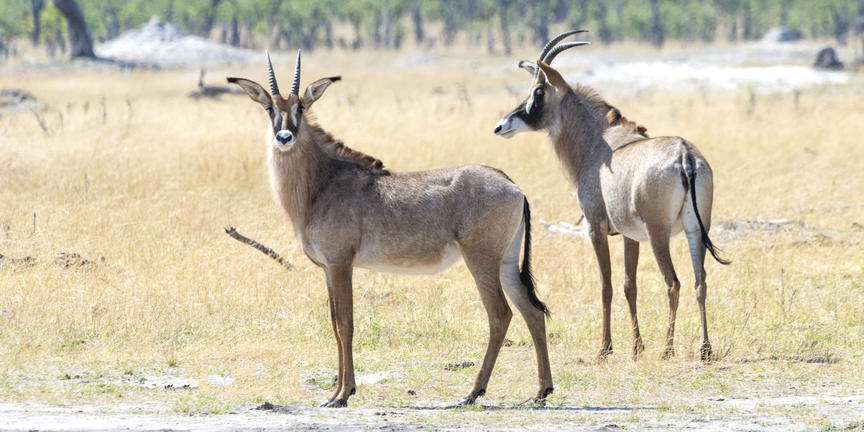
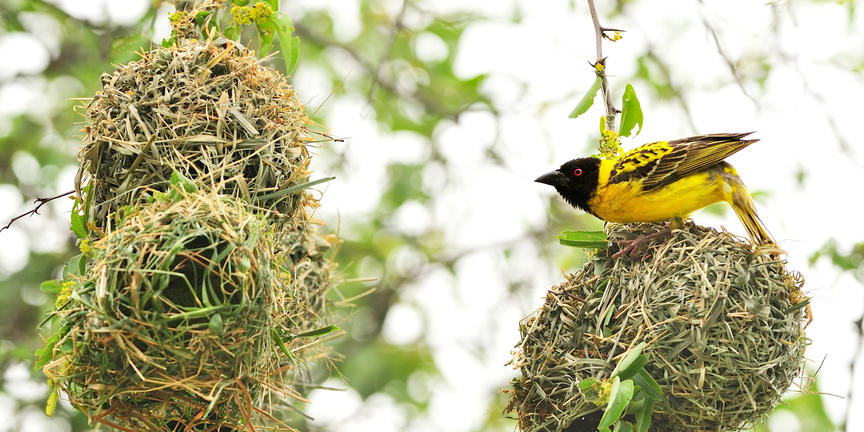
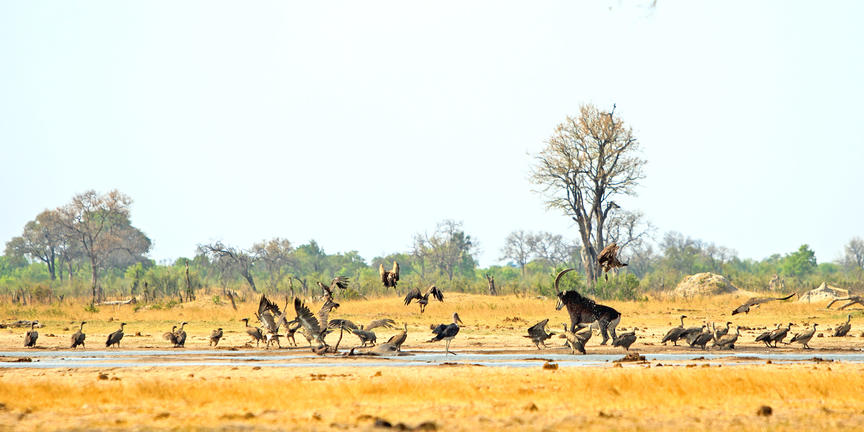
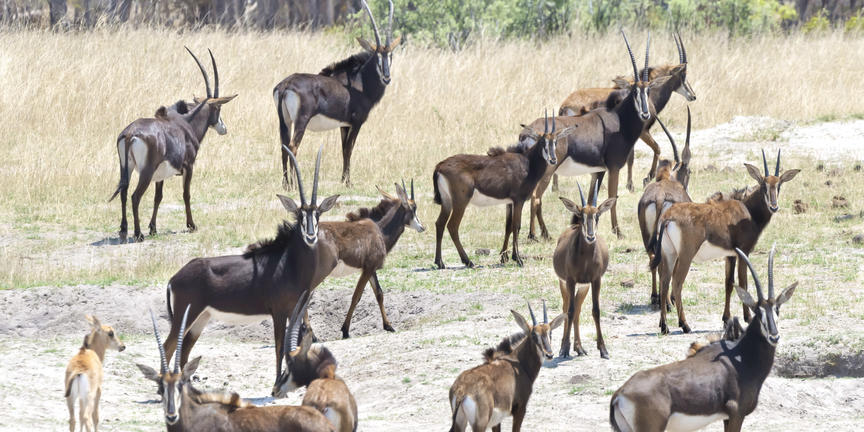
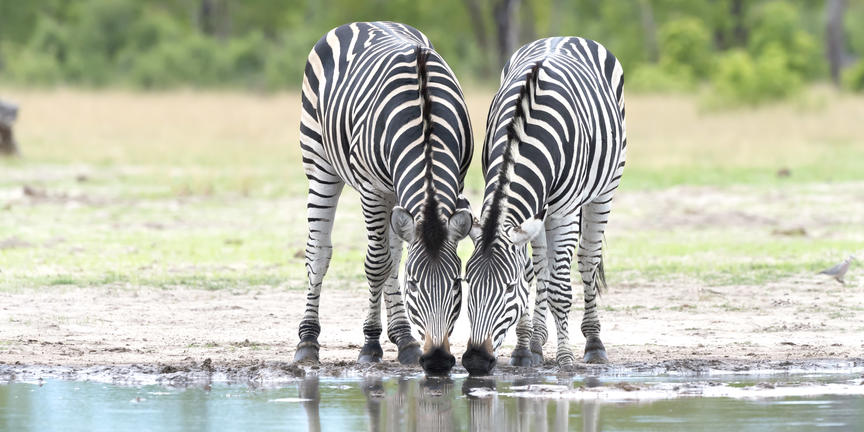
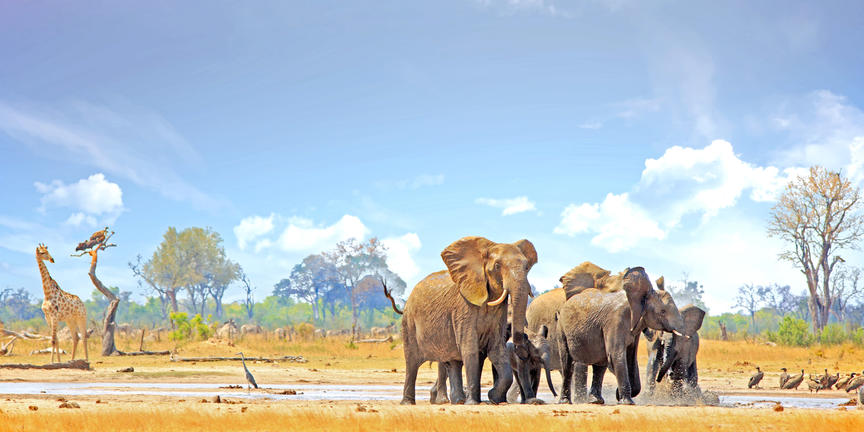
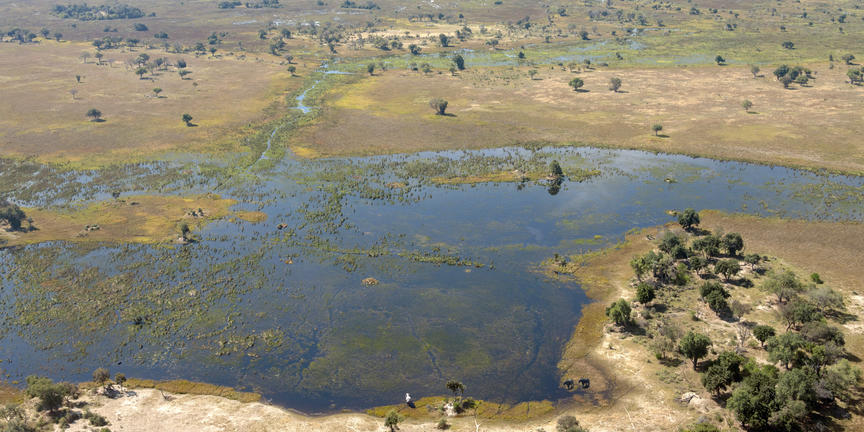
Situated in the northwestern corner of Botswana, the Okavango Delta is a World Heritage Site as it is the largest inland delta in the world. The magnificent Okavango River sprawls out over the dry sands of the Kalahari Desert forming this flourishing waterlogged oasis featuring countless meandering waterways and crystal clear lagoons studded with water lilies, as well as fertile floodplains and reeded islands inhabited with abundant wildlife. The Okavango Delta stretches over an impressive15000 square kilometres. Visitors can enjoy a number of wonderful activities such as game viewing, fishing, bird watching or taking an authentic guided Mokoro excursion through this wetland paradise in a traditional dugout canoe. Commonly spotted animals include: lion, rhino, leopard, giraffe, hippos, elephants, crocodiles and countless species of bird.
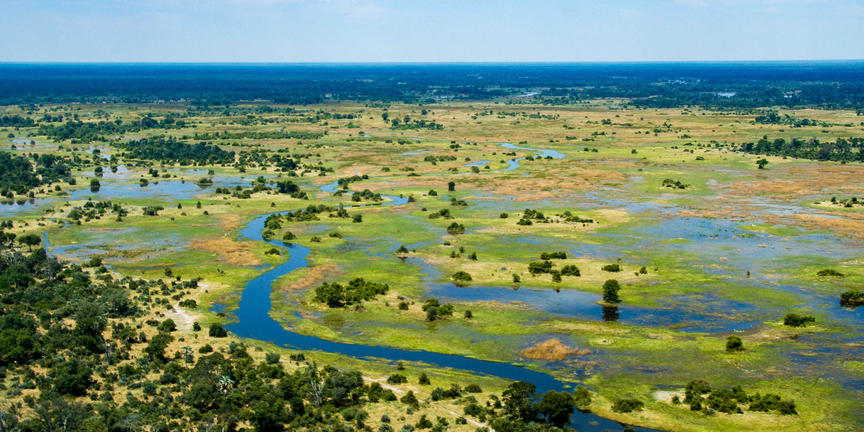
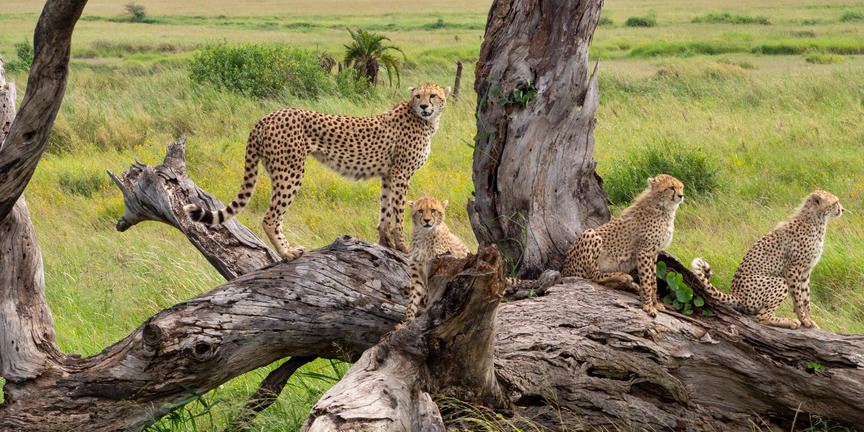
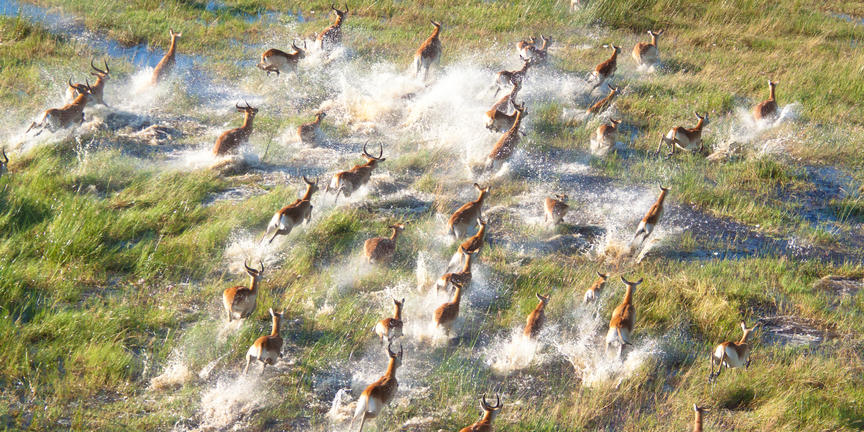
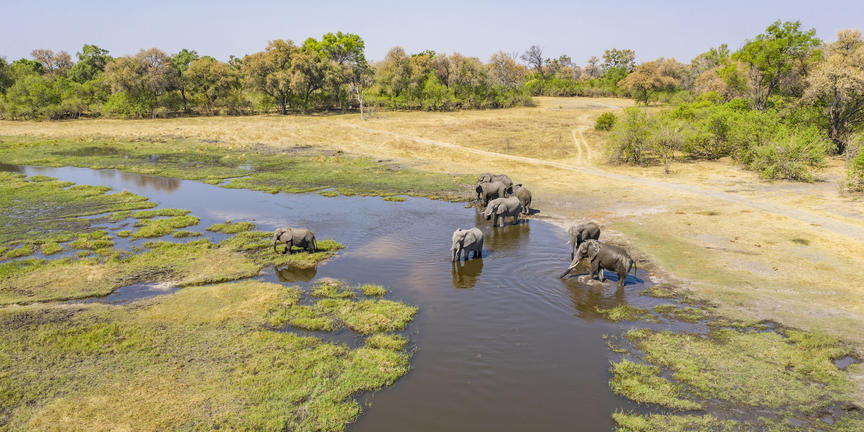
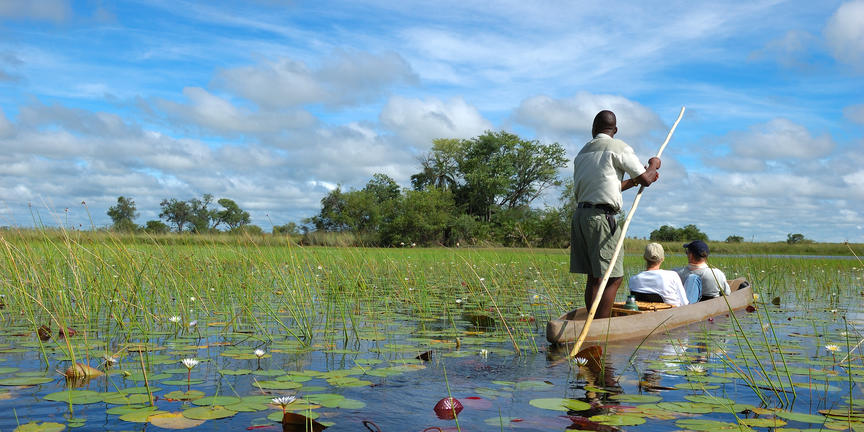
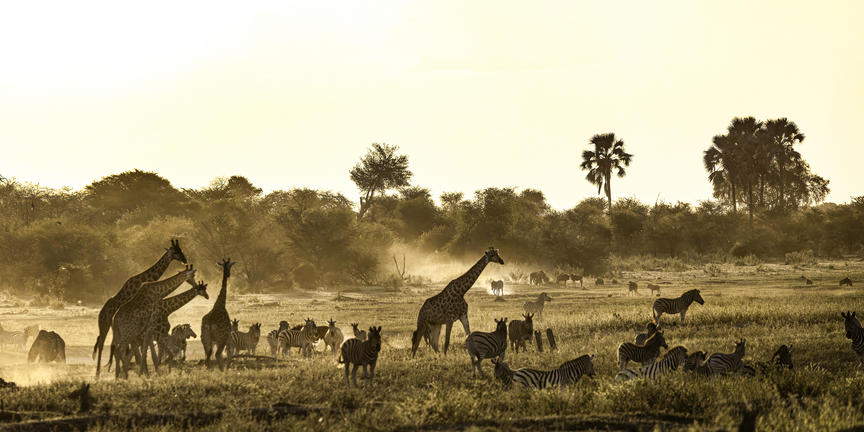

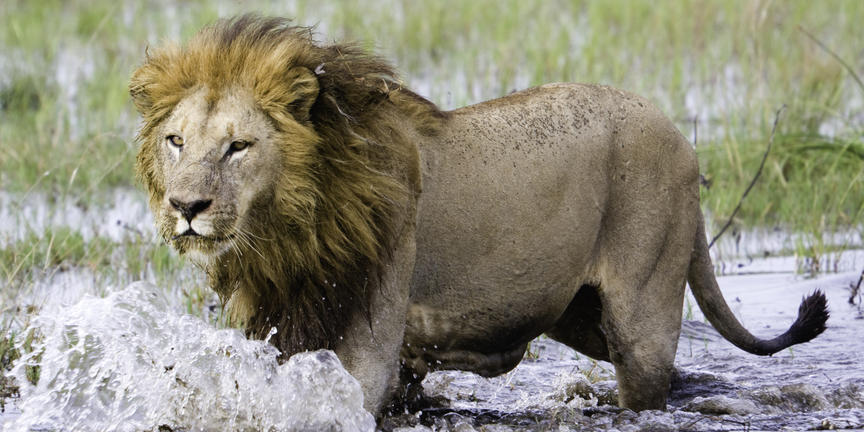
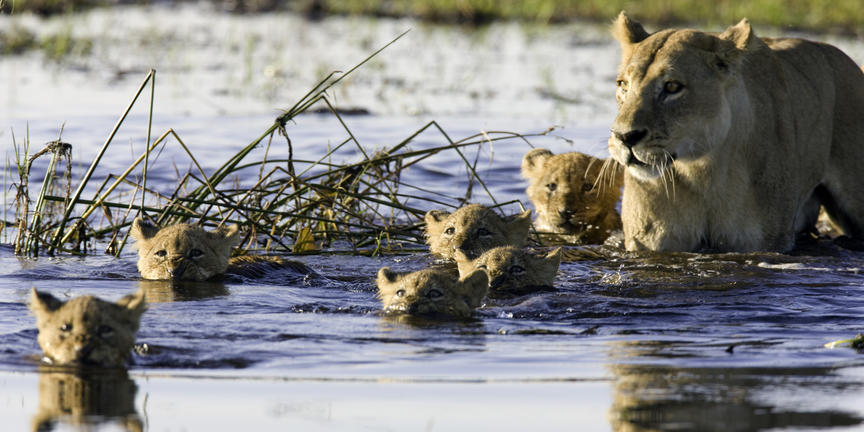
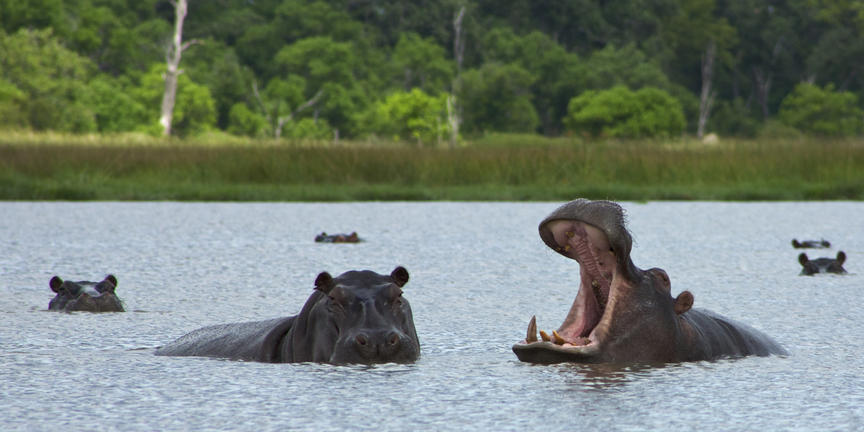
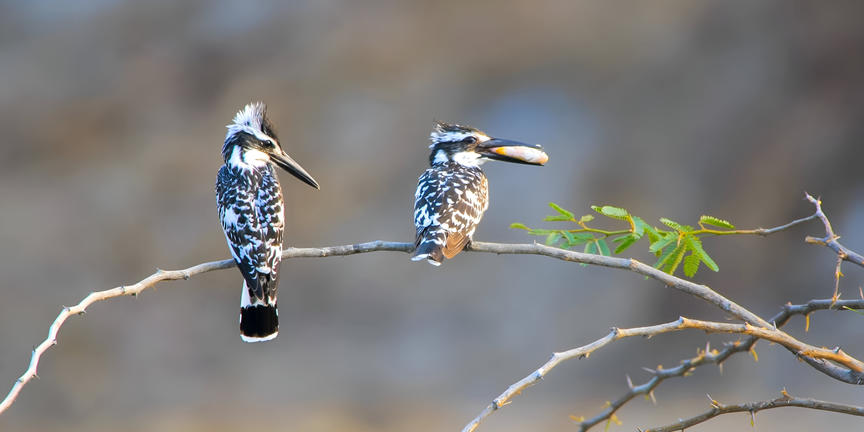
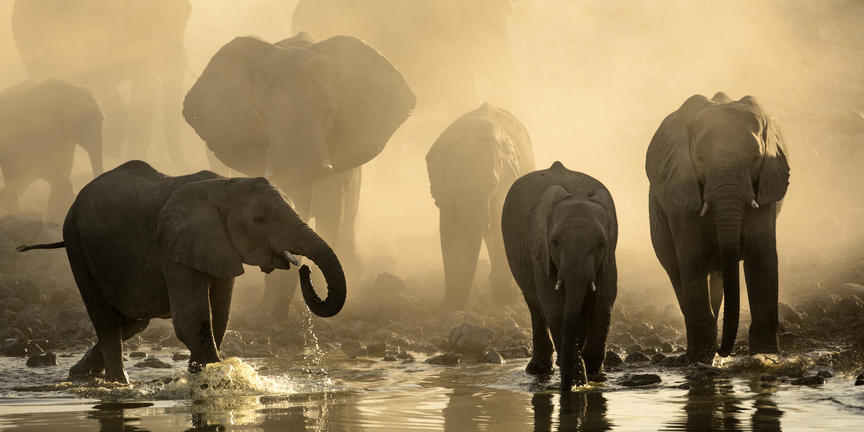
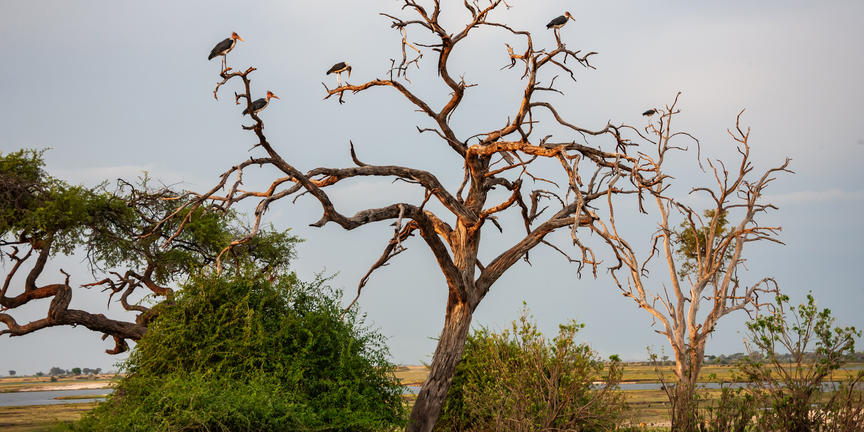
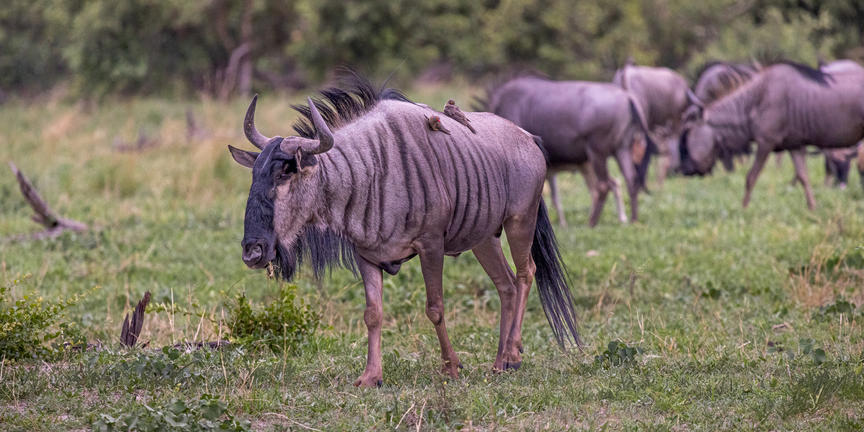
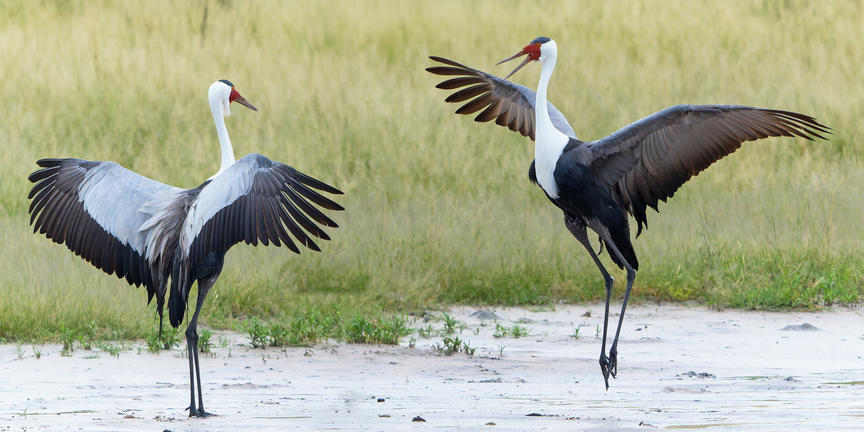
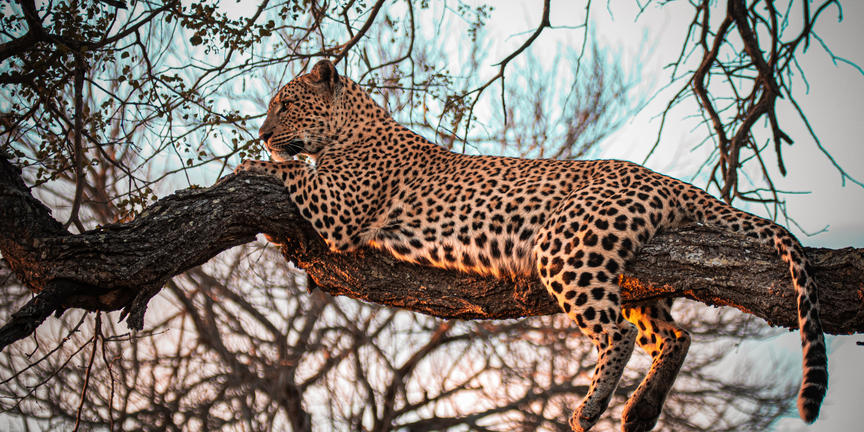
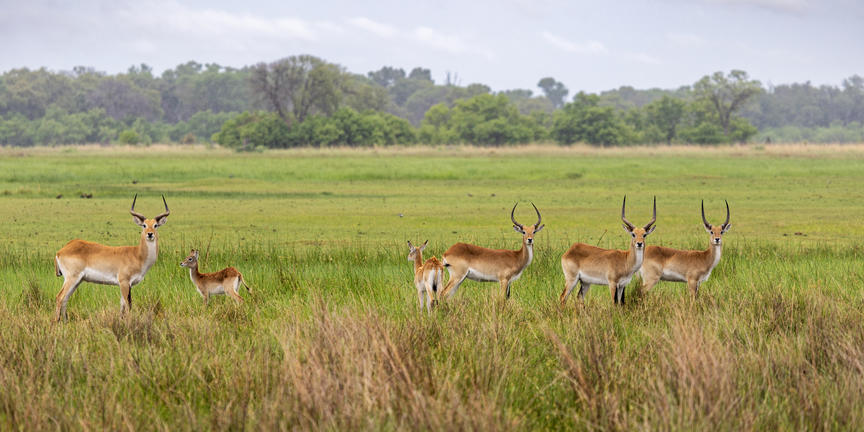
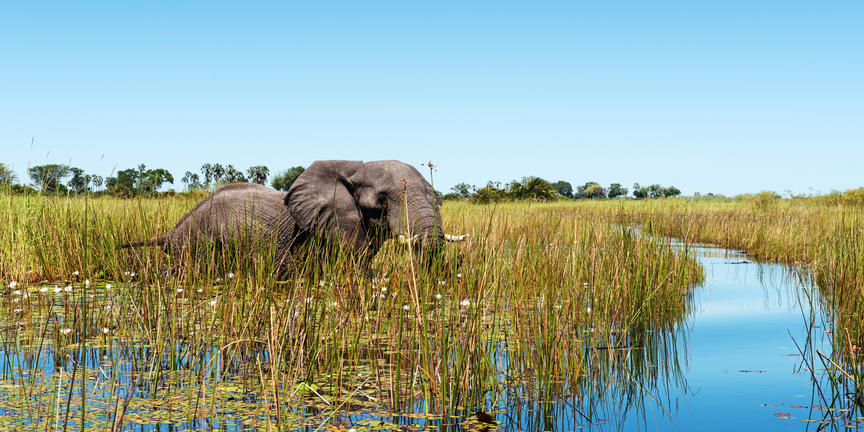
Situated in Northern Botswana bordering the Chobe National Park, the Linyanti Concessions stretch across the Kwando-Linyanti river system. They are known for their exotic animal species and luxury safari options. An abundance of wildlife roams freely between the woodland habitats, ancient floodplains and forests that make up these lush, unfenced reserves. The big game in this area increases dramatically during the dry season when the area hosts large herds of impala, blue wildebeest, giraffe and buffalo as well as the world’s highest density of elephant. Several packs of wild dog are found in the area and lion, leopard and cheetah are frequently sighted. Night drives allow for the discovery of nocturnal creatures such as civets, genets, honey badgers and spring hares. This vast, untamed wilderness is the perfect location for those seeking a unique African adventure in an exclusive and remote big game habitat.
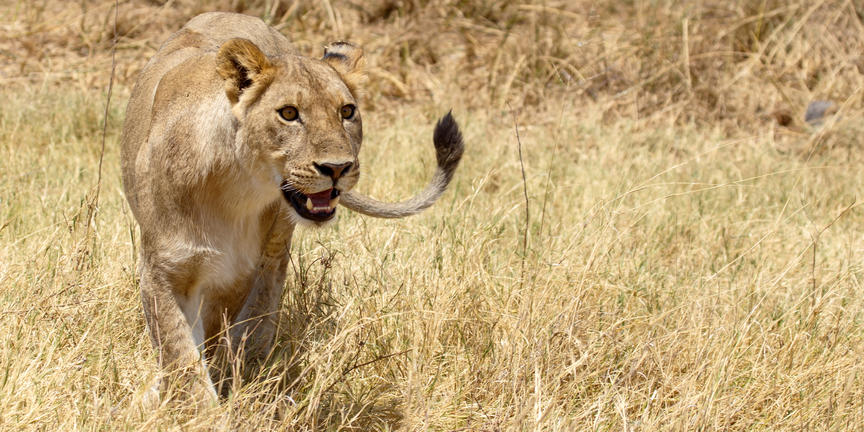
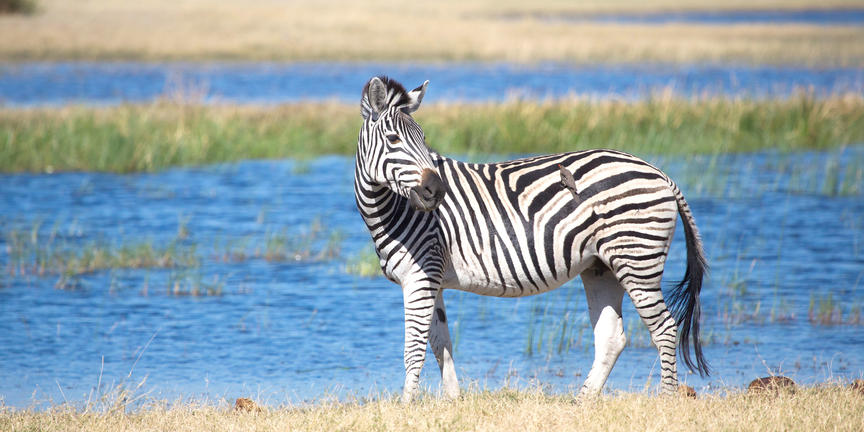
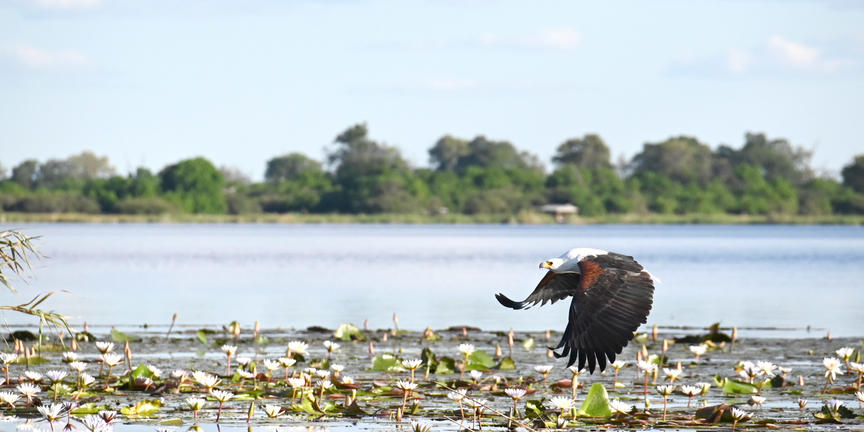
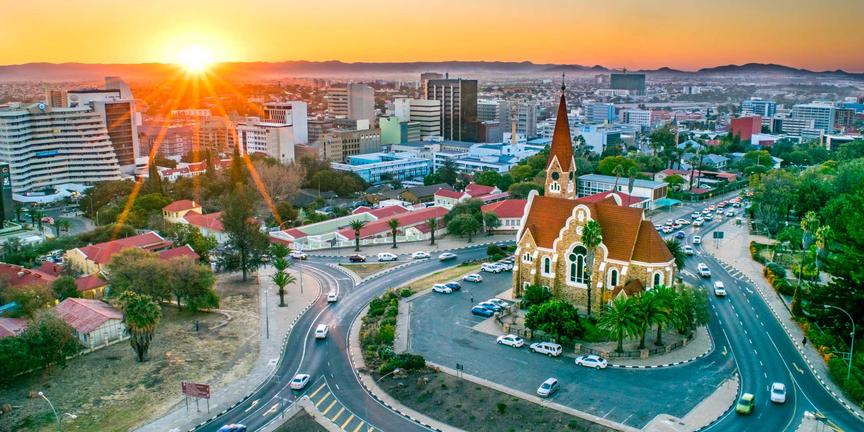
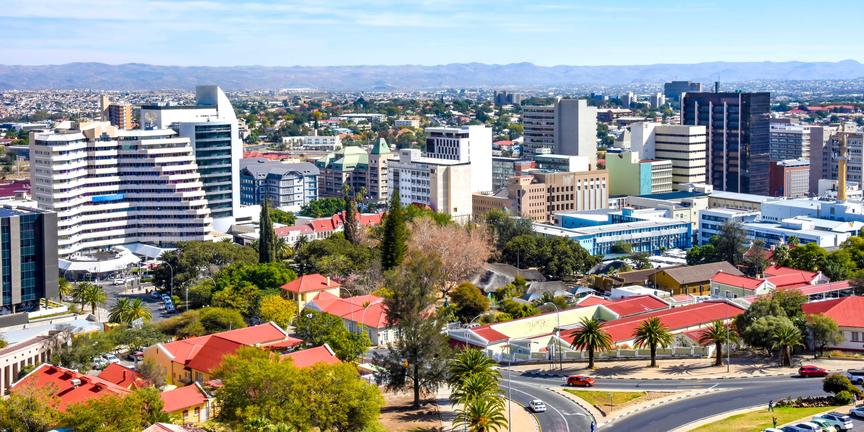
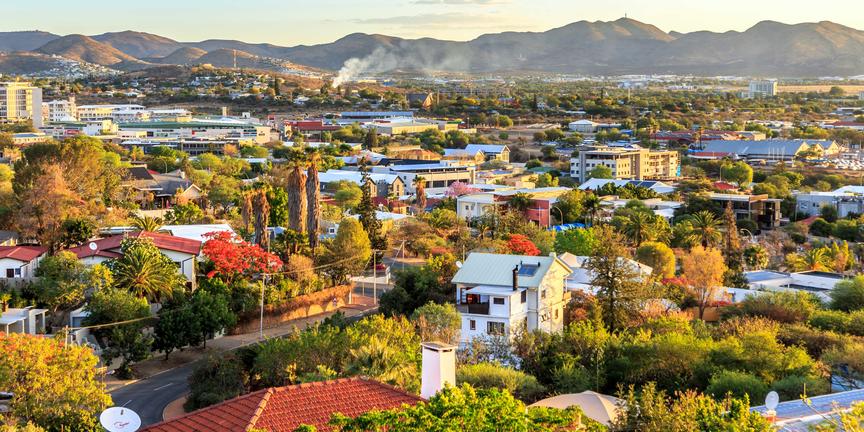
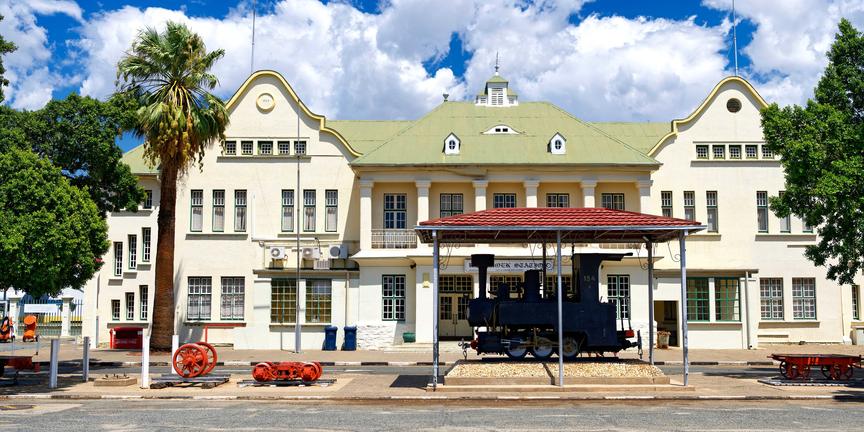
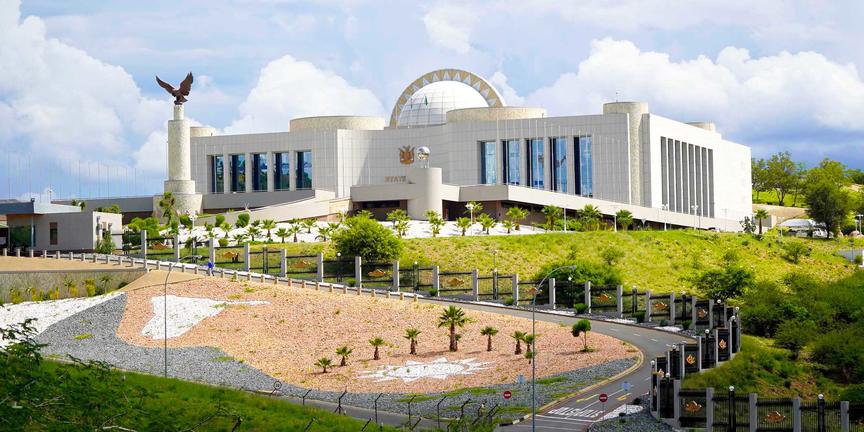
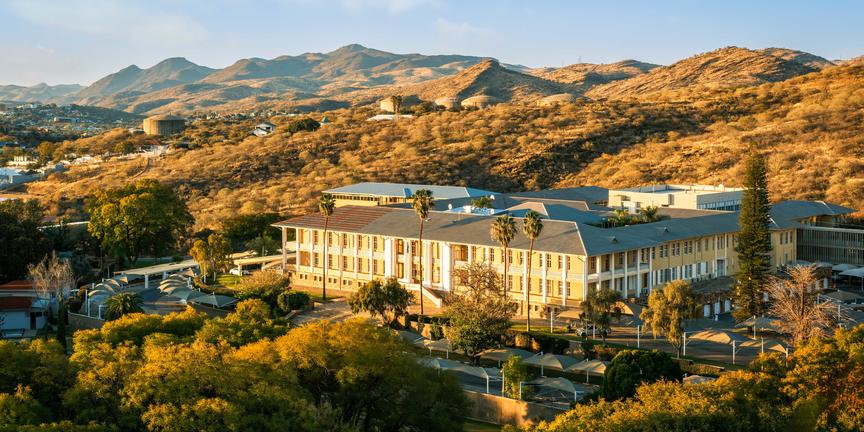
Windhoek, Namibia’s capital, lies in the heart of the country amid the rolling Khomas Highlands, where wide skies and dry savannah frame a compact, orderly city. It blends German colonial heritage with contemporary African identity, creating a calm, understated atmosphere rather than a bustling metropolis. Landmarks such as Christuskirche and the Tintenpalast sit alongside modern civic buildings, while lively markets and cafés reveal everyday Namibian life. Visitors can explore museums, stroll shaded streets, or use the city as a gateway to the surrounding wilderness and safari regions. The air is often dry and clear, carrying the scent of dust and jacaranda blossoms, while distant hills glow at sunset. Windhoek offers a gentle introduction to Namibia’s landscapes and culture, with space, light and quiet defining its appeal.
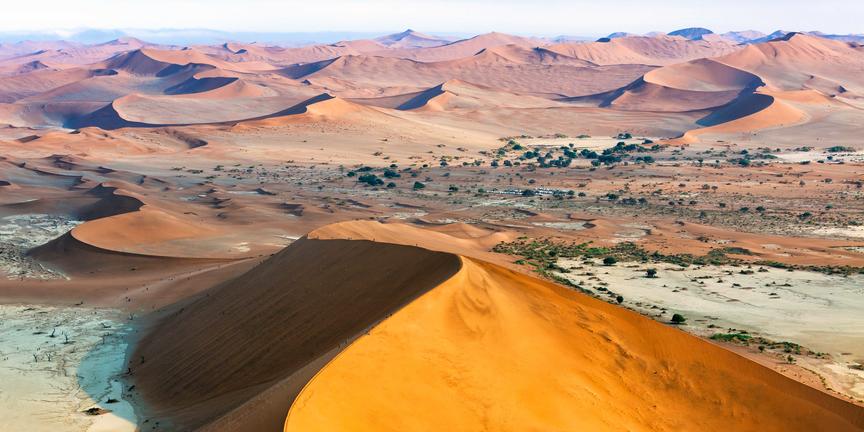
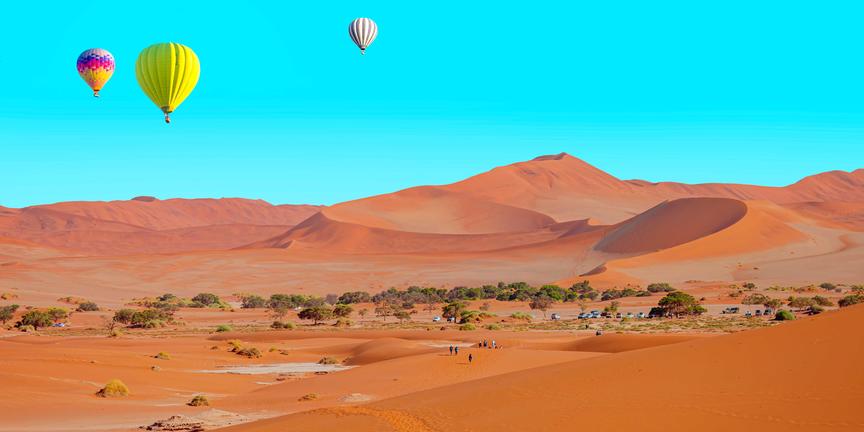
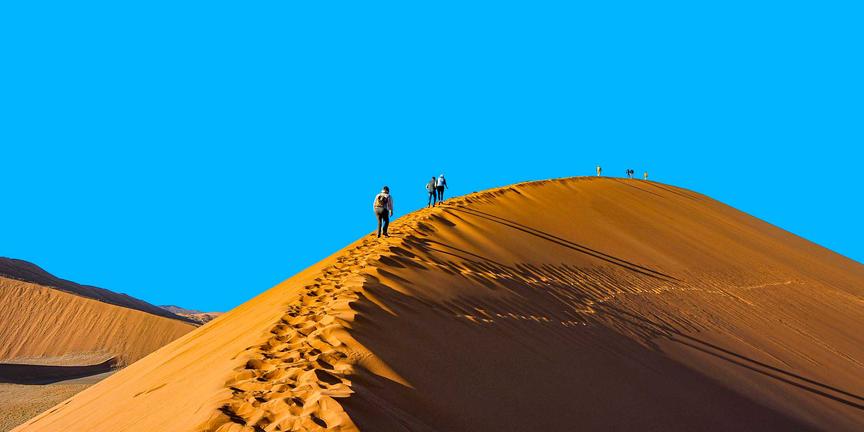
Deep within Namibia’s Namib Desert, Sossusvlei is a striking landscape of towering red sand dunes, among the highest in the world, pale salt pans and immense open skies. Part of the Namib-Naukluft National Park, it has a remote, almost otherworldly atmosphere shaped by silence, shifting light and extreme desert conditions. Visitors can climb famous dunes such as Big Daddy or Dune 45 at sunrise, when the sand glows orange and shadows stretch dramatically across the valley floor. Nearby Deadvlei, with its blackened camel thorn trees standing against white clay and rust-coloured dunes, offers one of southern Africa’s most distinctive desert scenes. The dry heat, the soft crunch of sand underfoot and the vast sense of space create a powerful atmosphere, though early starts and challenging temperatures are part of exploring this remarkable region.
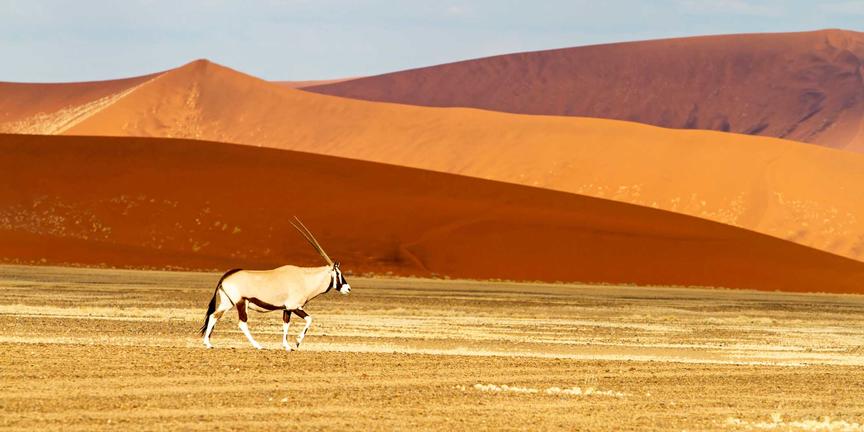
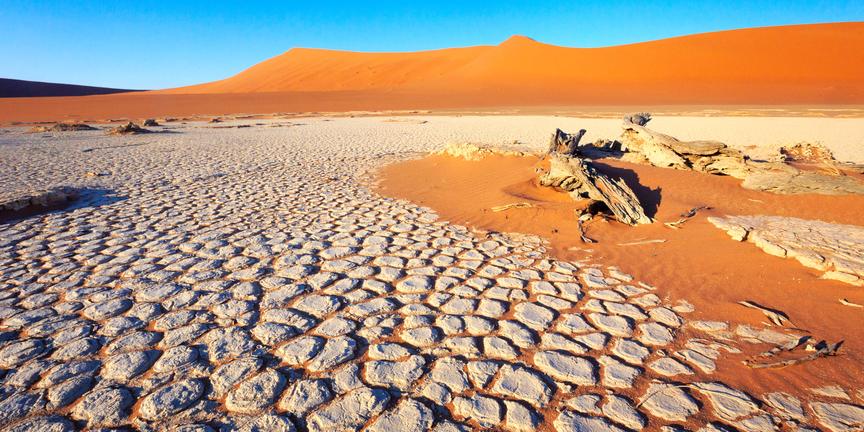
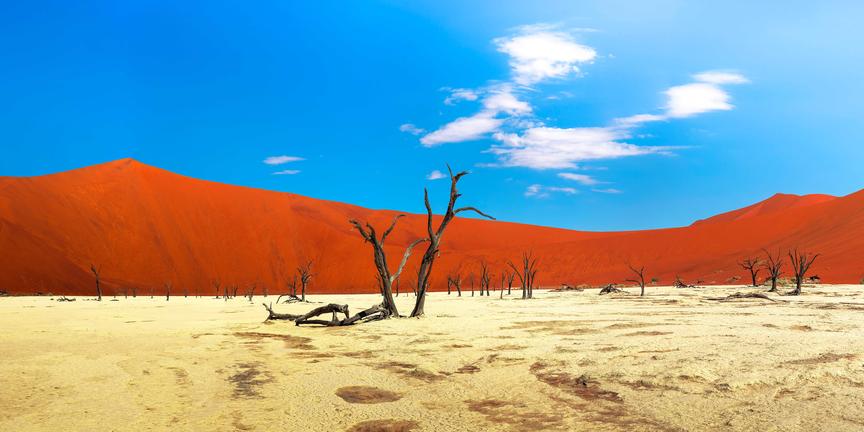
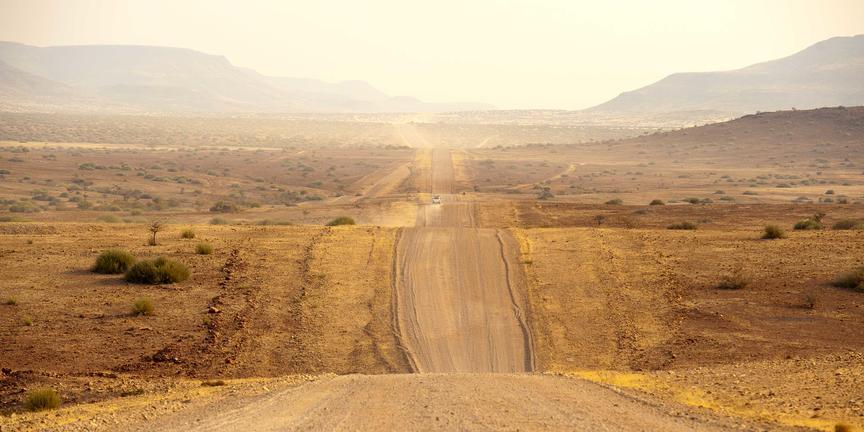
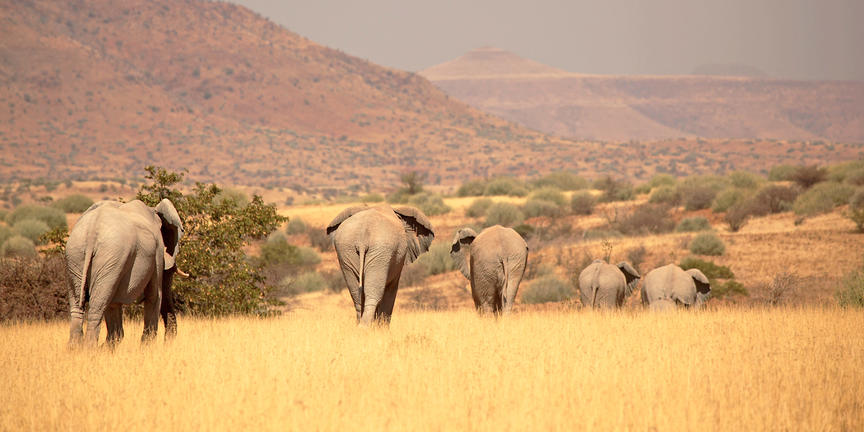
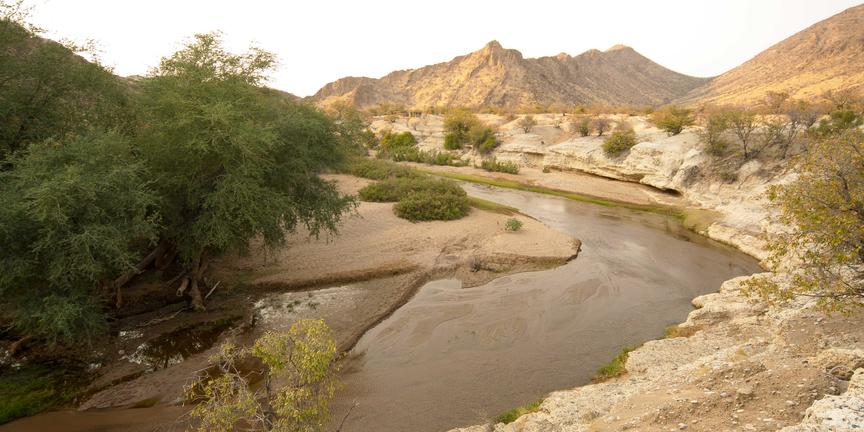
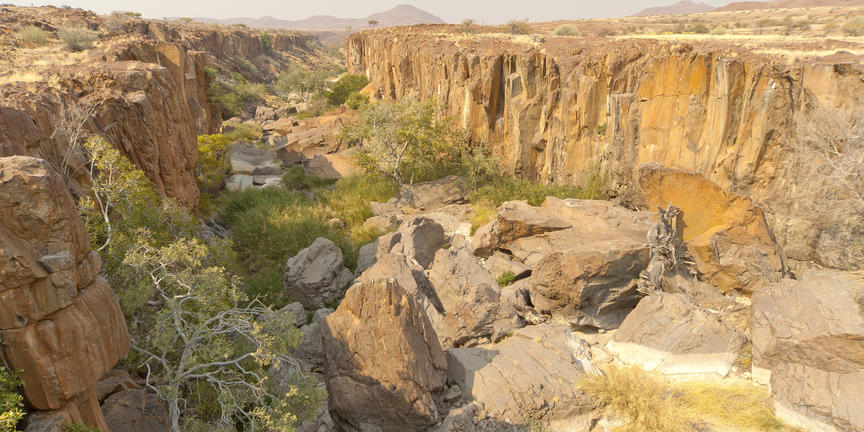
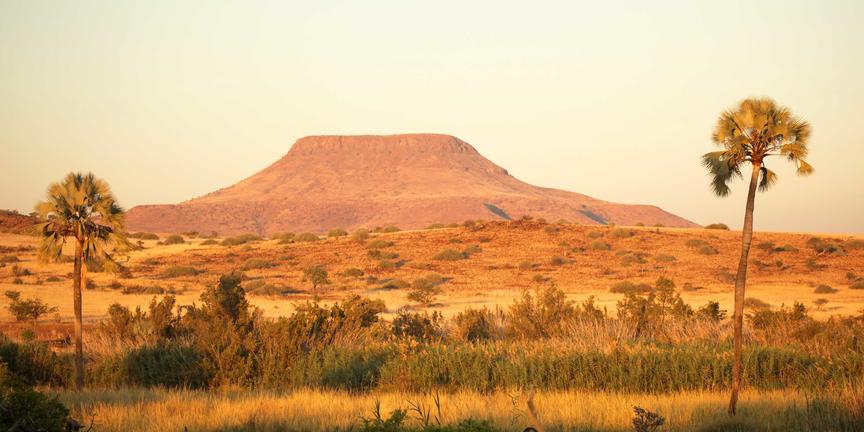
Situated in the rugged landscapes of northwestern Namibia's Kunene Region, Palmwag is a remote safari destination renowned for its dramatic desert scenery and remarkable wildlife. Set amid rocky hills, ephemeral riverbeds and iconic makalani palms, it lies within one of Namibia's largest wilderness conservation landscapes. Visitors can enjoy guided nature drives and walking safaris in search of desert-adapted elephants, black rhinos, giraffes, springbok and other wildlife adapted to this arid environment. Sweeping vistas, striking red-earth landscapes and peaceful starlit skies create a profound sense of solitude, making Palmwag an exceptional destination for travellers seeking wilderness, conservation experiences and the untamed beauty of Namibia.
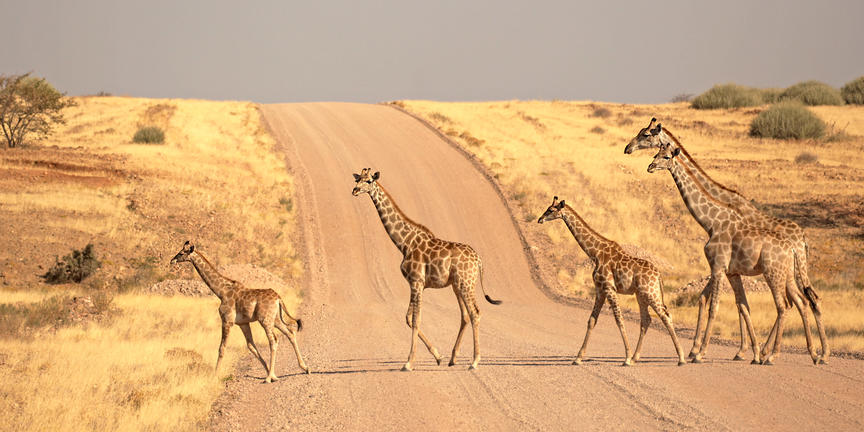
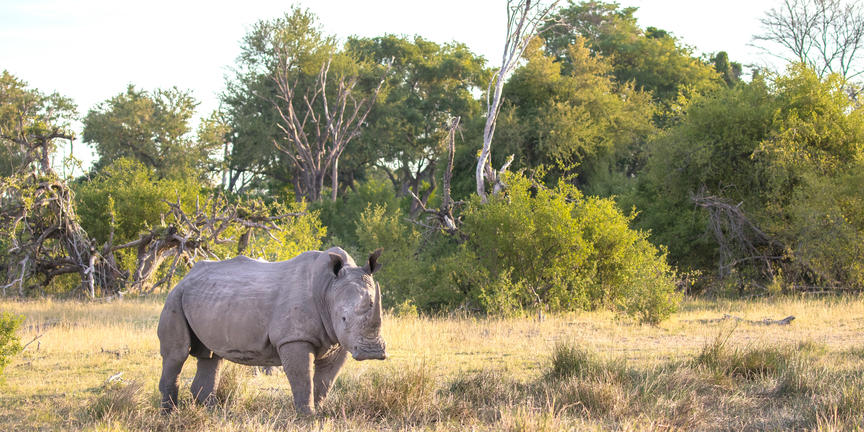
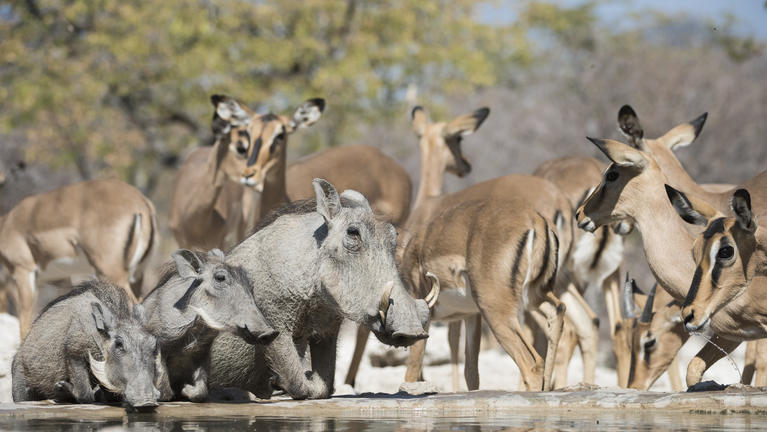
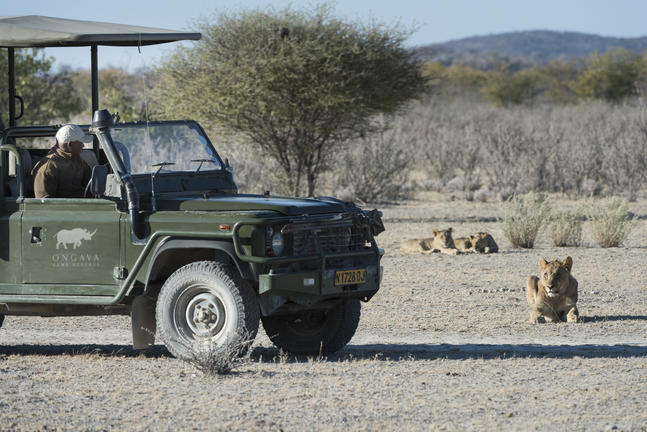
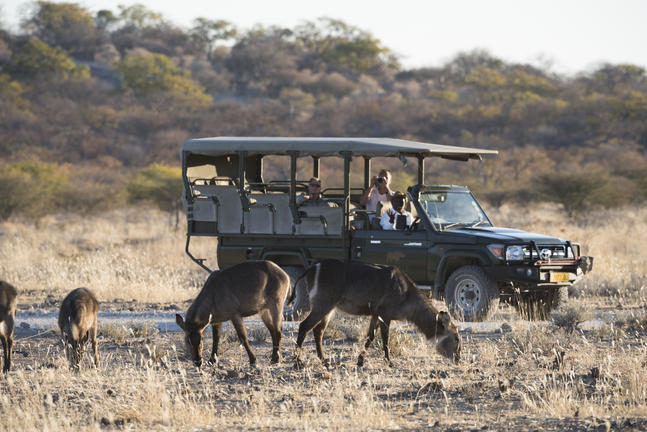
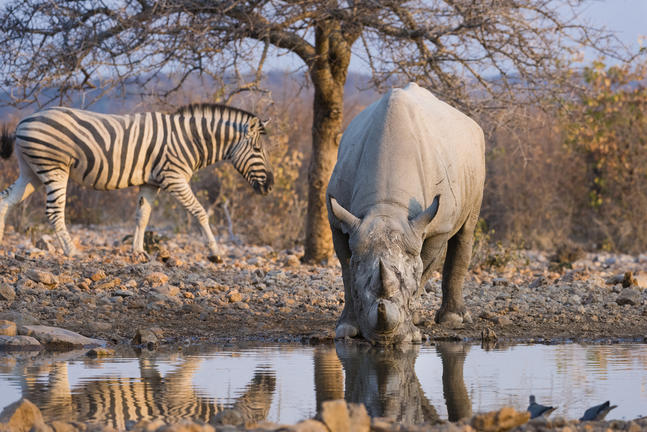
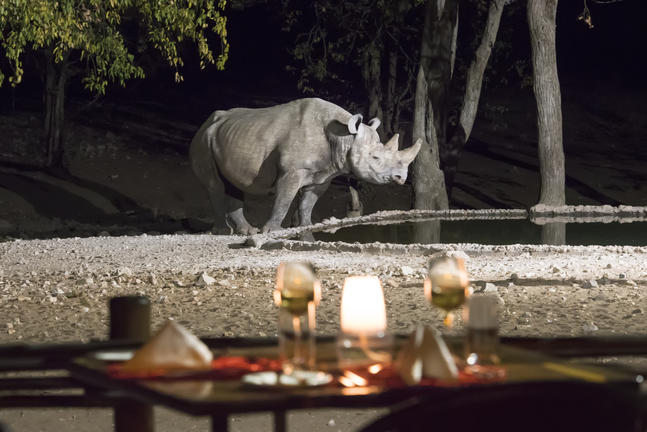
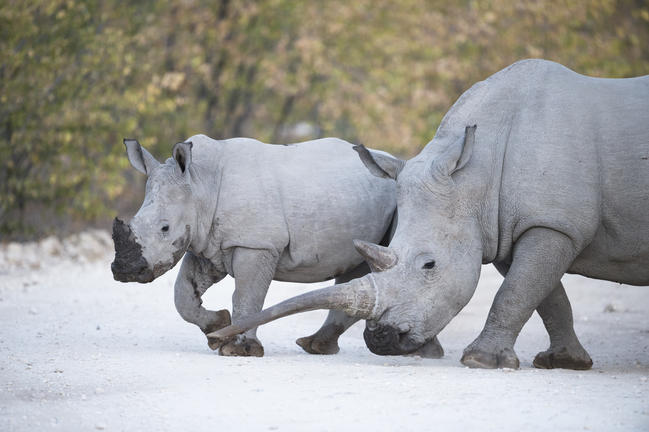
Ongava Game Reserve shares its southern boundary with Etosha National Park and is widely regarded as one of Namibia’s premier private wildlife reserves. Spanning approximately 30,000 hectares, it is internationally recognised for its conservation efforts, ecological research and immersive safari experiences. The landscape is defined by open savannah plains, scattered salt pans and a rich diversity of wildlife. Its location allows easy access into Etosha through Andersson’s Gate, making it an ideal base for combined safari experiences. Ongava is also known for its luxury lodges, thoughtfully designed using natural materials to blend into the surrounding environment. A highlight of the reserve is its healthy population of black and white rhino, offering guests exceptional viewing opportunities. Activities include guided game drives, night safaris, birdwatching and walking safaris, creating an intimate and rewarding encounter with Namibia’s wilderness.
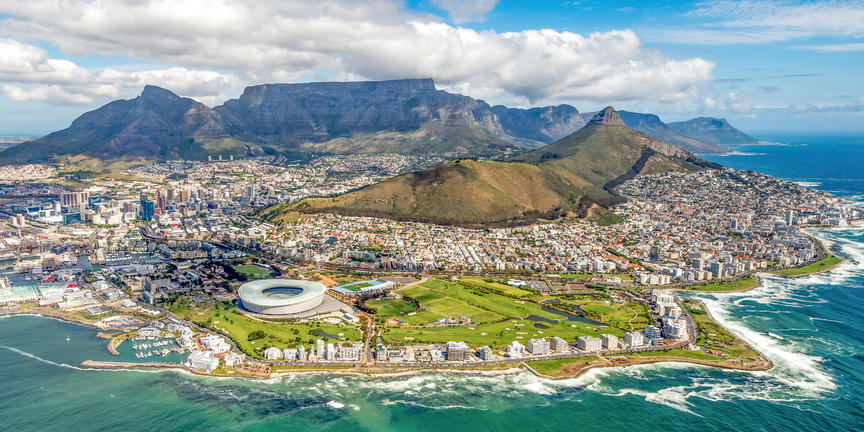
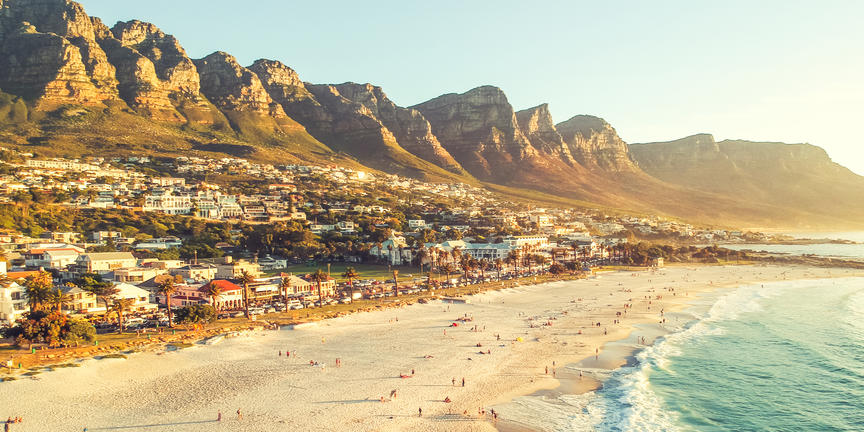
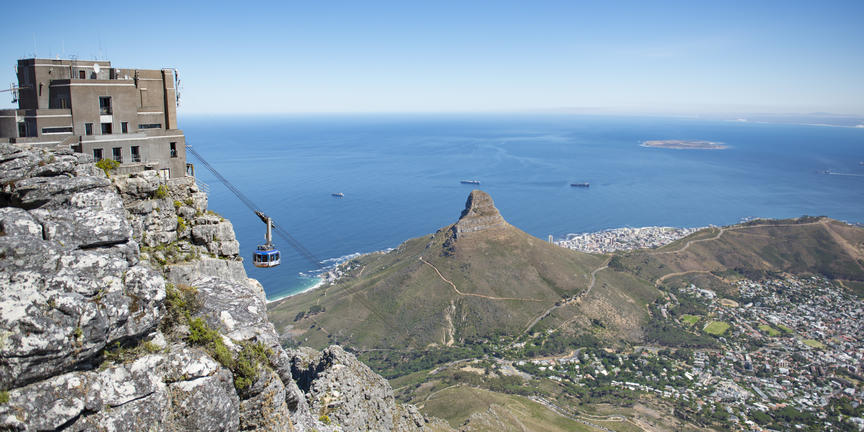
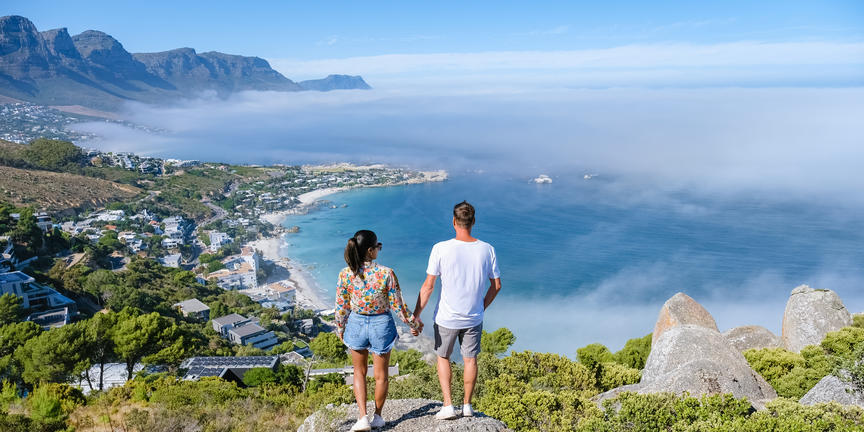
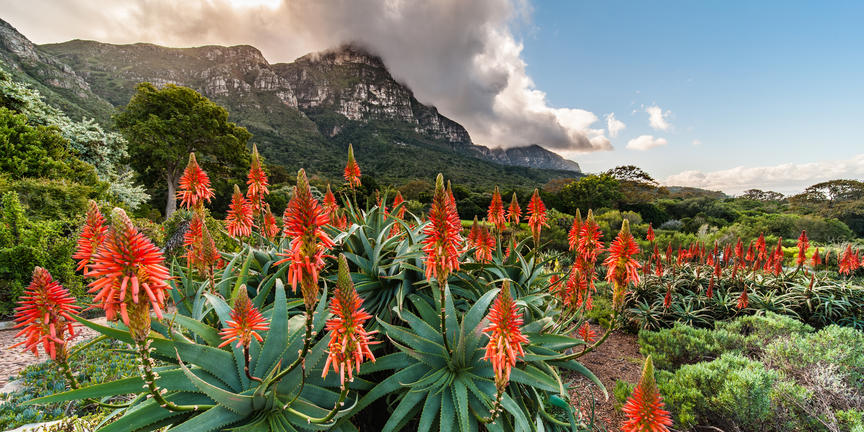
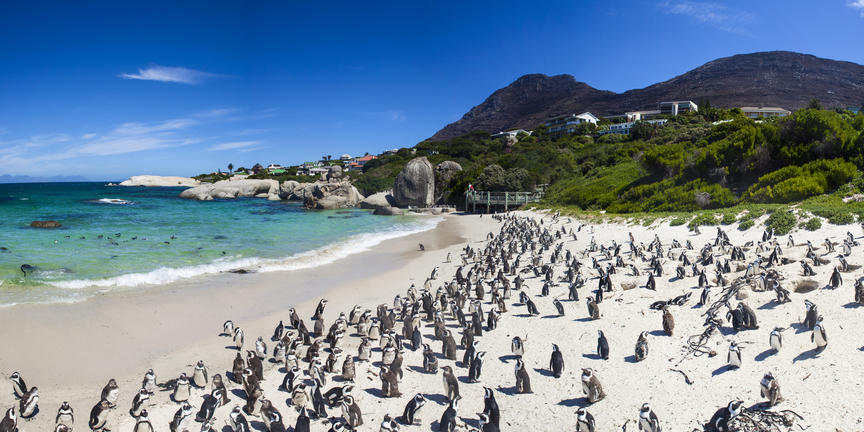
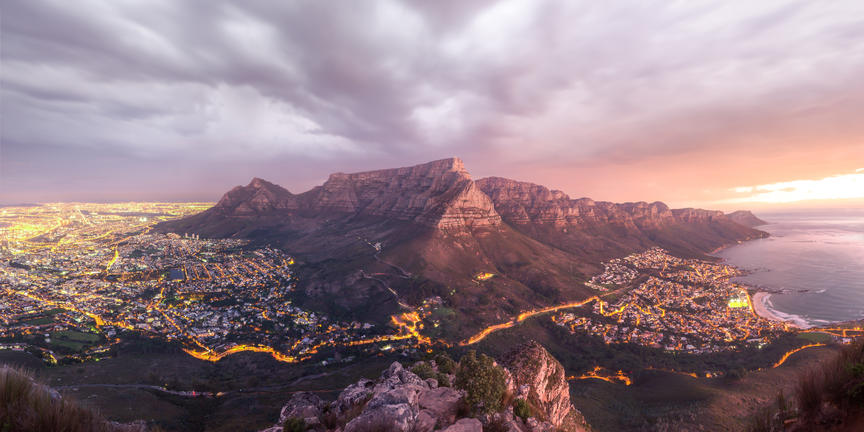
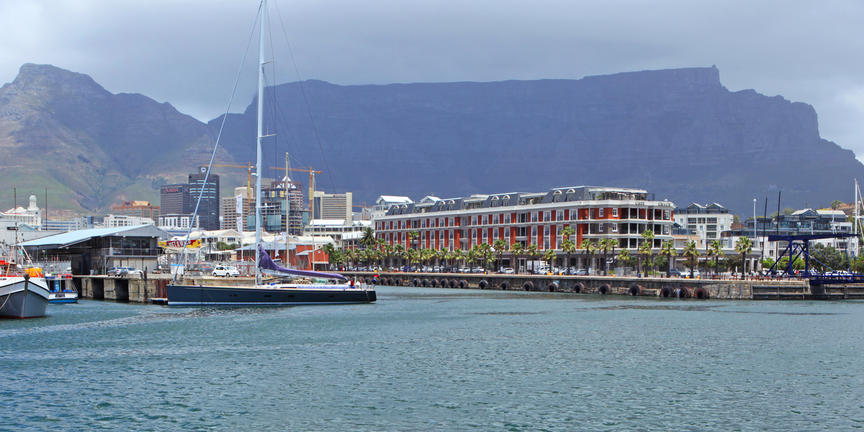
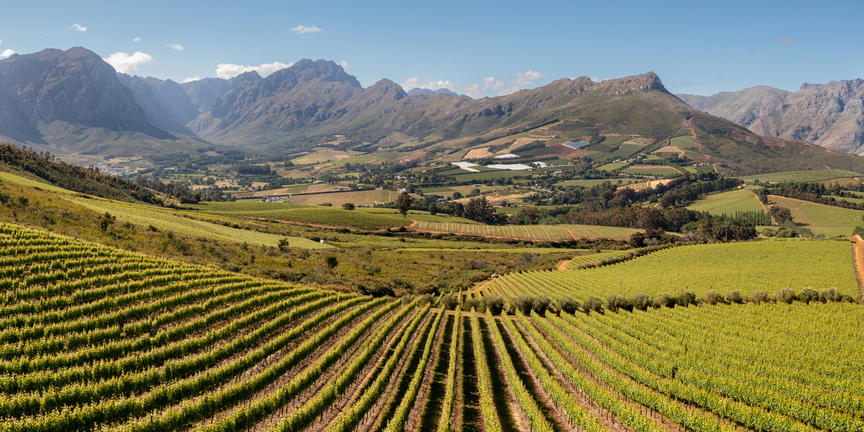
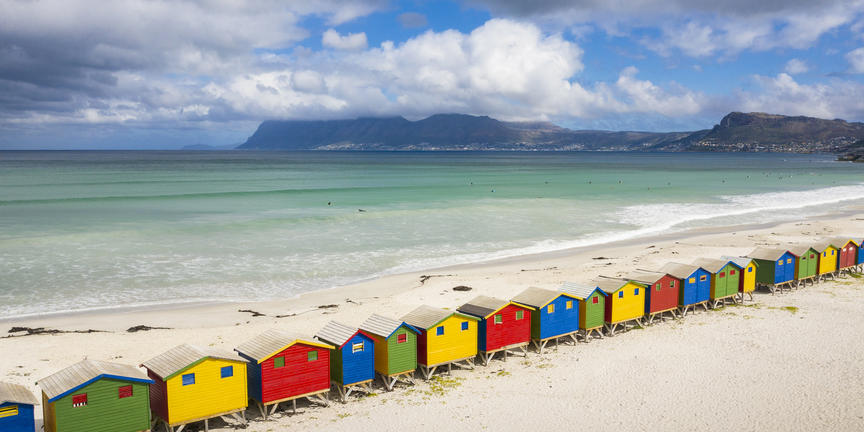
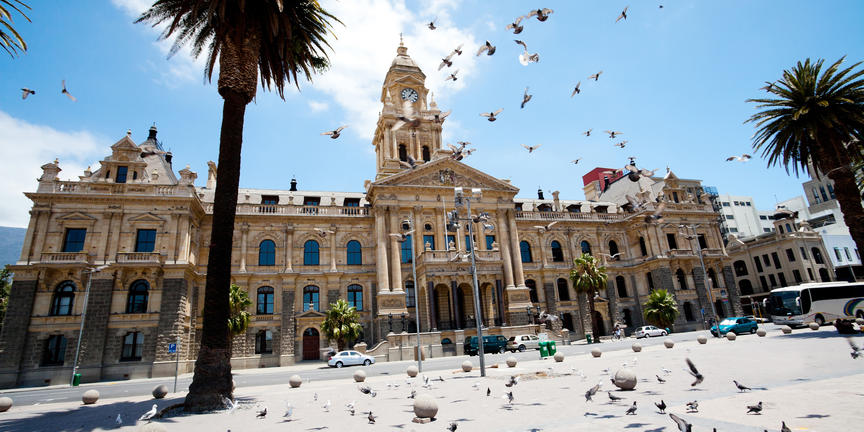
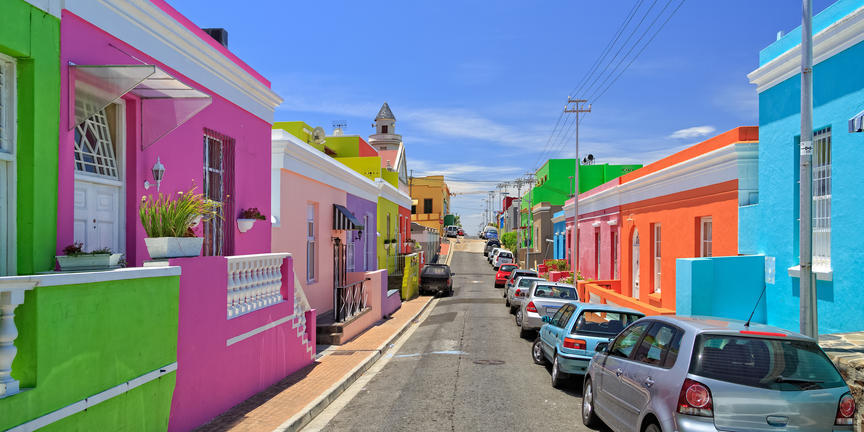
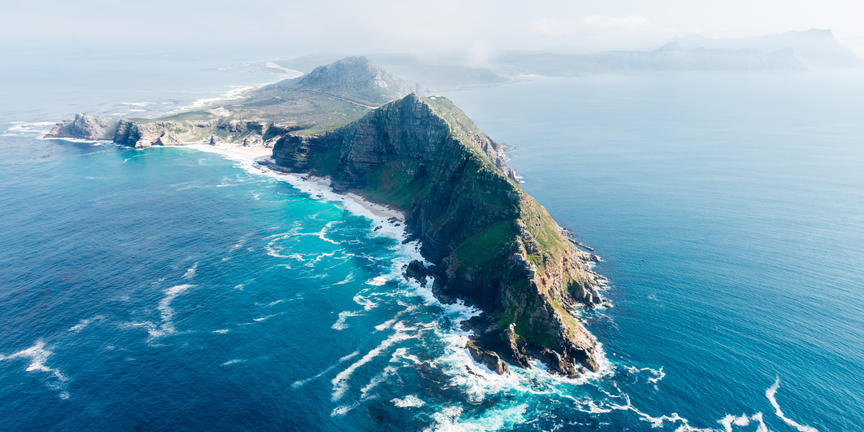
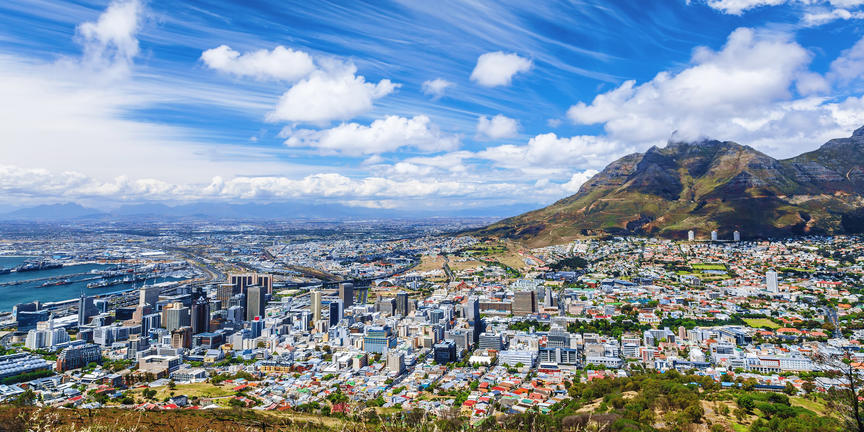
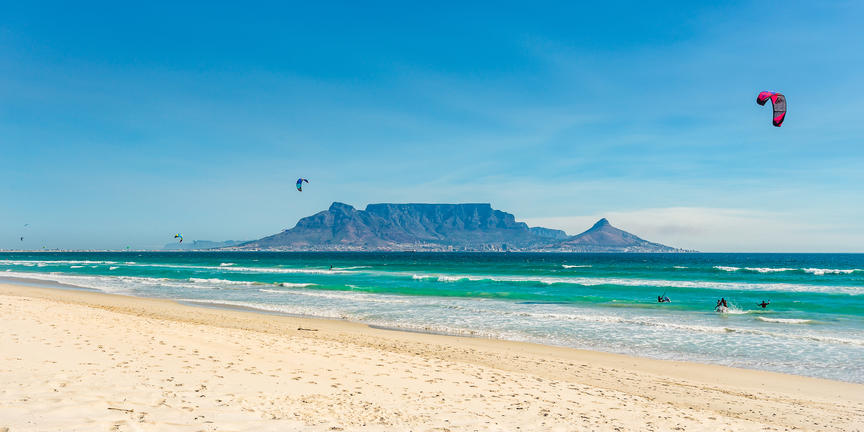
Set at the confluence of the Indian and Atlantic oceans and backed by the iconic Table Mountain, the bustling city of Cape Town presents an alluring combination of drawcards. Incredible powdery white beaches, highly acclaimed wine routes, and astonishingly beautiful mountain trails surround a cosmopolitan hub. This diverse metropolis is filled with superb shops and restaurants, extraordinary heritage monuments, a multitude of entertainment venues, and a spectacular, chic waterfront harbour. Highlights include the Zeitz Museum of Contemporary African Art; Table Mountain's jaw-dropping views; Boulders Beach, where penguins might swim right up to you in the warm Indian ocean waters; the Kirstenbosch Botanical Gardens, where you can walk along a treetop canopy among incredible native flora or watch an open-air concert at the base of the mountain; Robben Island, where visitors can see the cell where Nelson Mandela was imprisoned for 18 years; and many more.