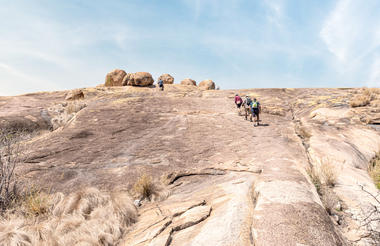
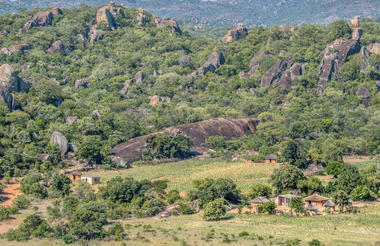
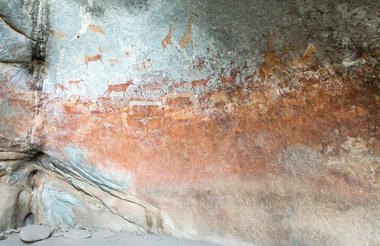
Idyllically located in the spectacular Matobo Hills, the renowned Matobo National Park is known for its rich human history, its remarkably diverse flora and fauna and its magnificent rugged terrain. This unspoiled natural wilderness features a range of massive red-tinged, granite boulders interspersed with gorgeous wooded valleys making it a dream destination for hikers, climbers and nature lovers alike. The reserve is compact, easily accessible and is home to an impressive range of African wildlife including the highly endangered black and white rhinoceros, zebra, wildebeest, giraffe, cheetah, hippo, warthog and crocodile as well as Africa's largest concentration of leopard and black eagles. This unforgettable national park serves as an ideal stopover for travellers heading to the popular tourist sites of Hwange and the majestic Victoria Falls.
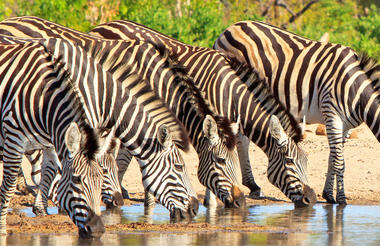
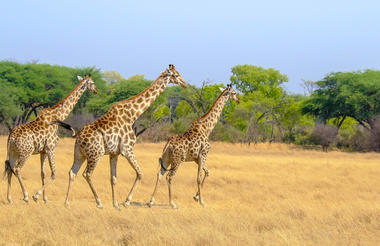
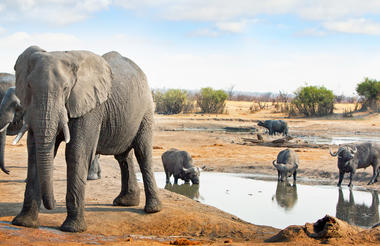
Located in western Zimbabwe, Hwange National Park (formerly Wankie Game Reserve) is the largest natural reserve in the country and is famous for its rich diversity of wildlife. Home to one of the biggest elephant populations in the world, as well as around 100 mammal species, the park is a wonderland for animal lovers. Several protected animals inhabit the awe-inspiring open landscapes, including the endangered wild dog, critically endangered black rhino, and rare roan and sable - along with lion, cheetah, and around 500 bird species. Adventurers can look forward to guided bush hikes, game drives, and horse riding safaris, all of which offer excellent photographic opportunities. Hwange boasts several unique natural features, most notably the natural seeps such as Nehimba and Shakwanki animals dig for water.
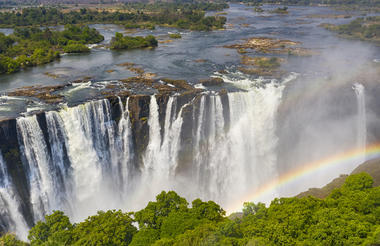
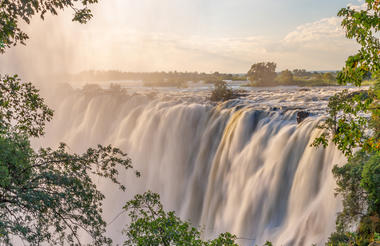
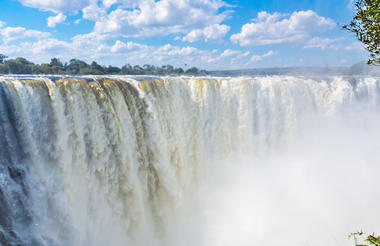
Known locally as Mosi-oa-Tunya—“The Smoke That Thunders”—Victoria Falls is one of the world’s great natural landmarks. Straddling the Zambezi River between Zambia and Zimbabwe, it forms a vast curtain of water that fills the air with mist and sound. The Zimbabwean side grants the most dramatic views, where mist rises like ghostly curtains and rainbows arc through the spray. Measuring about 1,708 metres across, it is regarded as the largest single continuous sheet of falling water on Earth. The adjacent town of Victoria Falls provides a convenient base for exploring the region, with a wide range of activities from scenic flights and microlight trips to white-water rafting, bungee jumping, kayaking, and safaris into Chobe National Park.
Gonarezhou National Park lies in southeastern Zimbabwe and forms part of the vast Great Limpopo Transfrontier Conservation Area, connecting protected wilderness across Zimbabwe, Mozambique and South Africa. One of the country's largest and most remote national parks, it is renowned for its rugged landscapes, towering sandstone formations and the iconic Chilojo Cliffs overlooking the Runde River. Travellers come here for an authentic safari experience far from the crowds, with opportunities to spot elephants, lions, leopards, African wild dogs and abundant birdlife in an unspoilt wilderness setting. Game drives, guided walks and scenic viewpoints reveal diverse habitats ranging from baobab-dotted plains and mopane woodlands to riverine forests, making Gonarezhou an exceptional destination for travellers seeking spectacular scenery, remarkable wildlife and a true sense of wilderness.


Vilankulos is a relaxed coastal town on Mozambique’s Indian Ocean shoreline, best known as the main gateway to the Bazaruto Archipelago. Fringed by palm trees and wide sandy beaches, it has a gently worn, working seaside feel where fishing boats pull in with the tide, and dhows drift across blue horizons. Offshore, the Bazaruto islands offer some of southern Africa’s most striking marine scenery, with coral reefs, shifting dunes and clear waters suited to snorkelling, diving and dhow sailing, often alongside sightings of dolphins, turtles and dugongs. Onshore, simple lodges, markets and sandy lanes reflect a low-key pace of life. Salt air, heat and ocean breeze define the sensory experience, while sunsets wash the coast in deep orange and gold. Vilankulos blends relaxed coastal life with direct access to one of the Indian Ocean’s most remarkable marine environments.