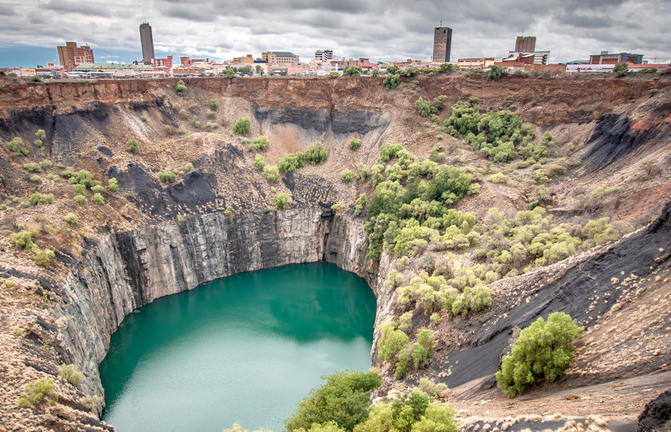

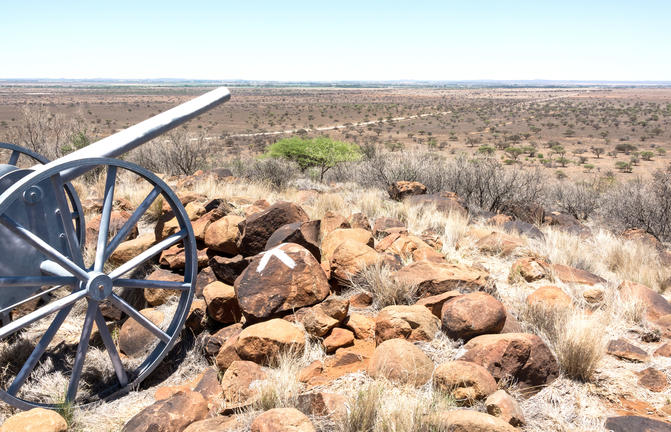
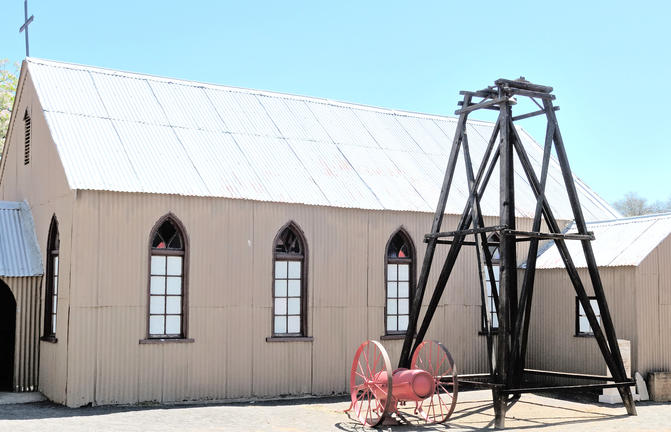


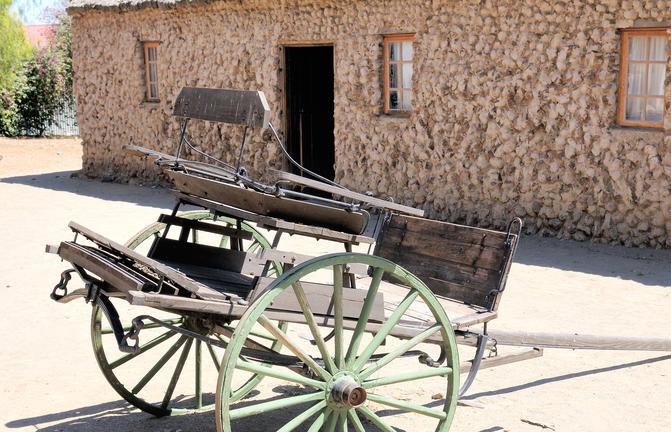
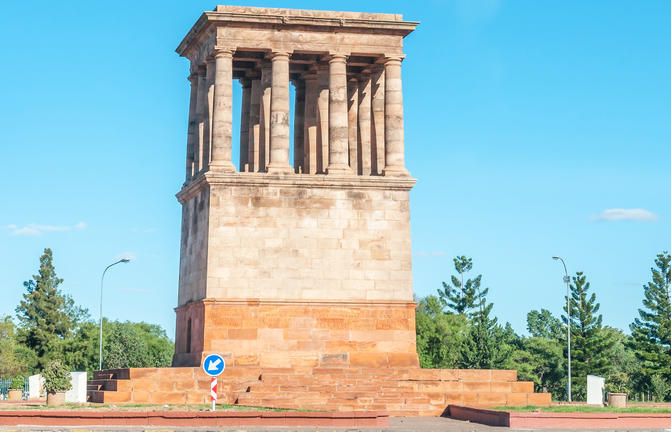
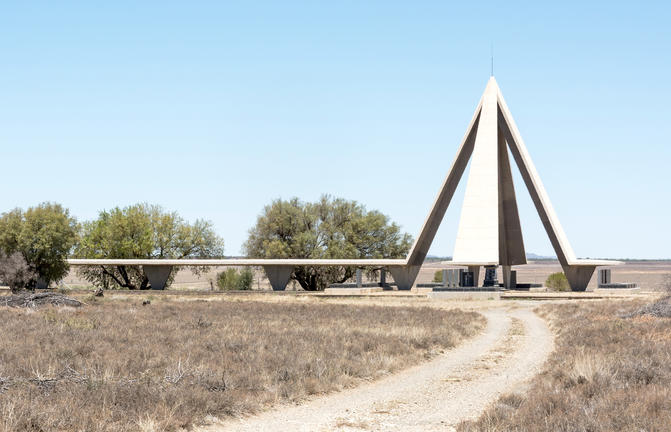
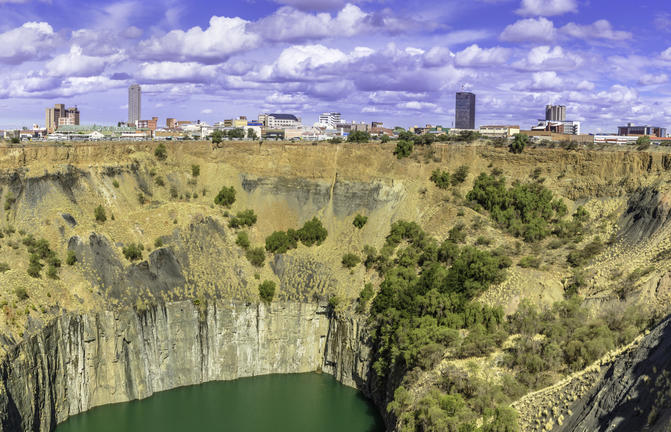
Synonymous with the birth of the international diamond trade, Kimberley lies in South Africa’s Northern Cape on flat, semi-arid plains marked by old mine workings and sparse scrubland. Its historic core is defined by early diamond excavations, most notably the Big Hole and surrounding mine buildings that preserve the memory of the late nineteenth-century rush. A street tram links the Kimberley Mine Museum with restored mining precincts, where reconstructed streets and preserved machinery recreate aspects of the working settlement. The McGregor Museum and nearby Anglo-Boer War sites record the Siege of Kimberley, with former defensive positions mapped around the town. Rail lines and highways connect Kimberley to Johannesburg and Cape Town, crossing open terrain dotted with farm settlements and dry vegetation, while walking routes lead through former diggings, railway yards, Victorian-era streets, and key battle sites that fringe the city.
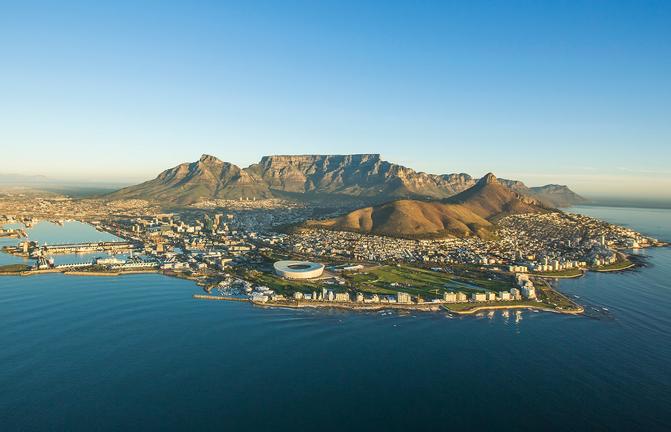
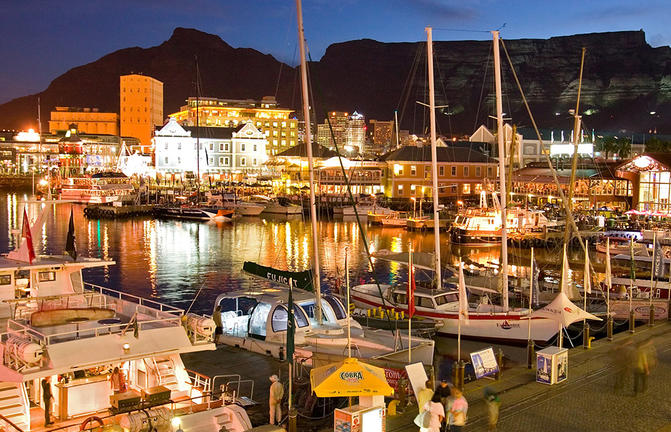
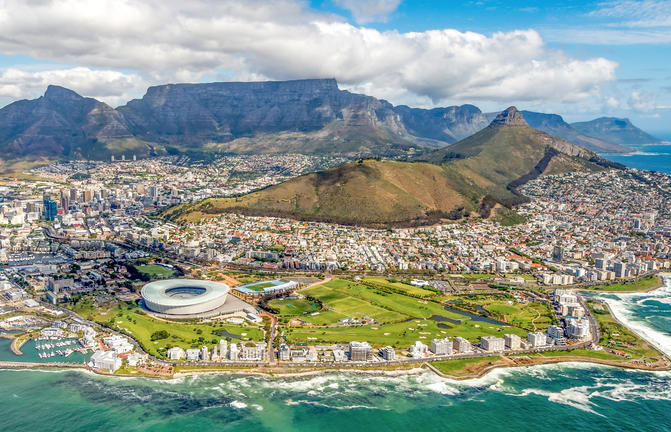
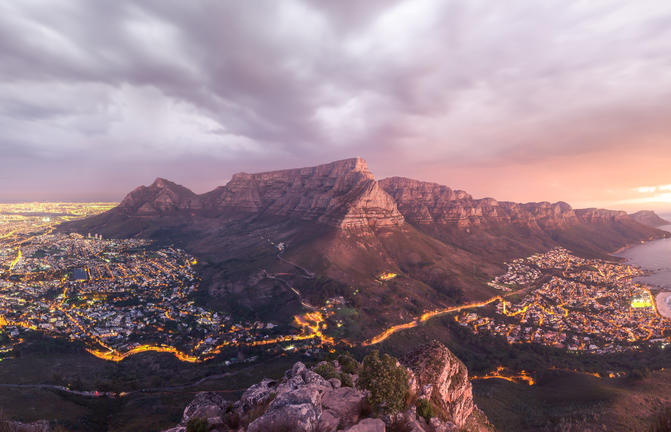
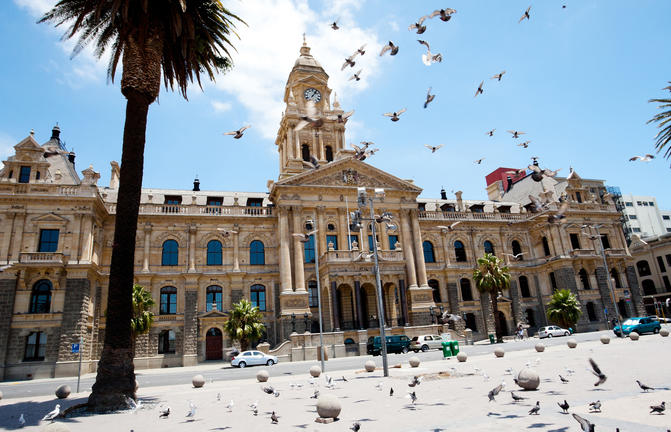
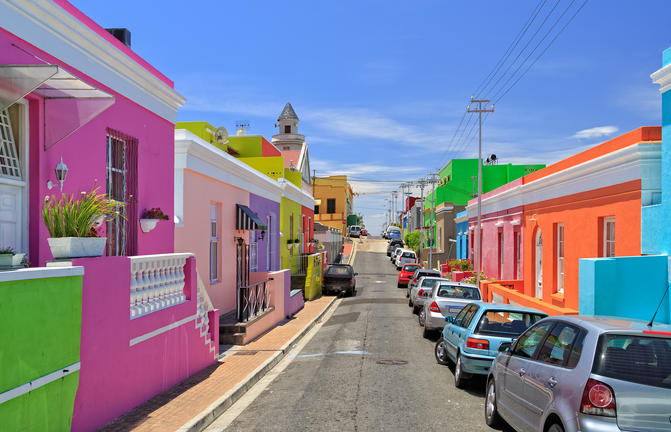
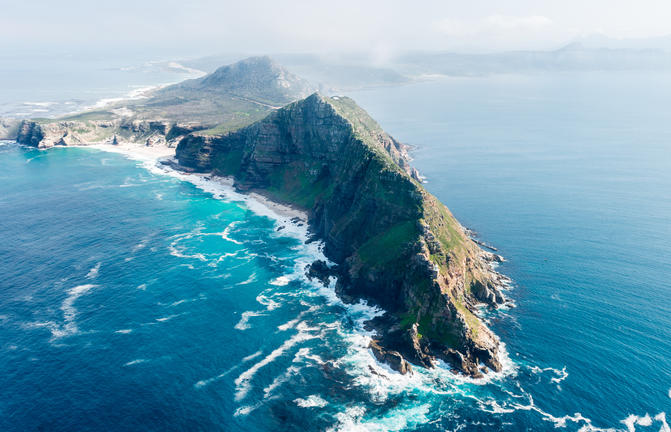
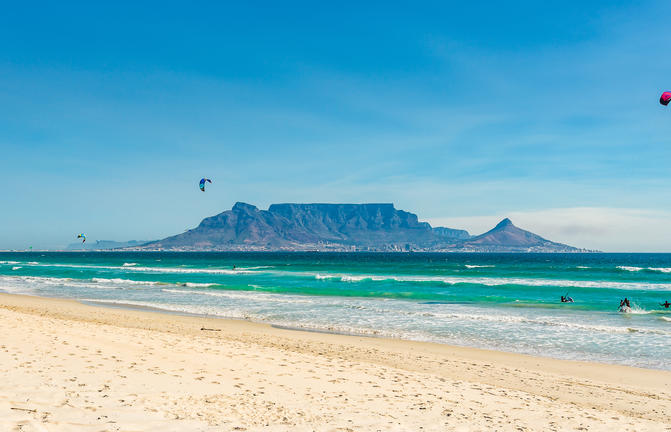
Cape Town is Southern Africa’s most beautiful, most romantic and most visited city. Its physical setting is extraordinary, something its pre-colonial Khoikhoi inhabitants acknowledged when they referred to Table Mountain, the city’s most famous landmark, as Hoerikwaggo – the mountains in the sea. Even more extraordinary is that so close to the national park that extends over much of the peninsula, there’s a pumping metropolis with a nightlife that matches the city’s wildlife. You can hang out with baboons and zebras at Cape Point in the morning, dine at an Atlantic seaboard bistro for lunch, tipple at a Constantia wine estate in the afternoon and party the night away in a Long Street club. All in a Cape Town day.
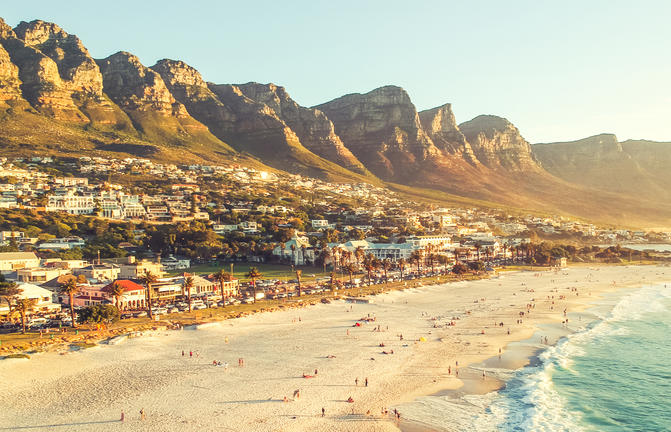
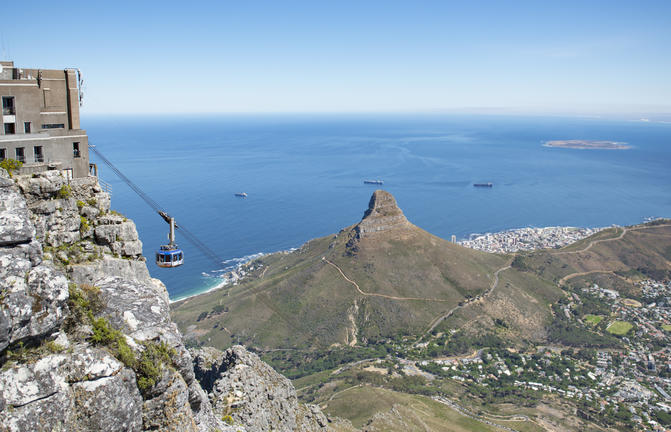
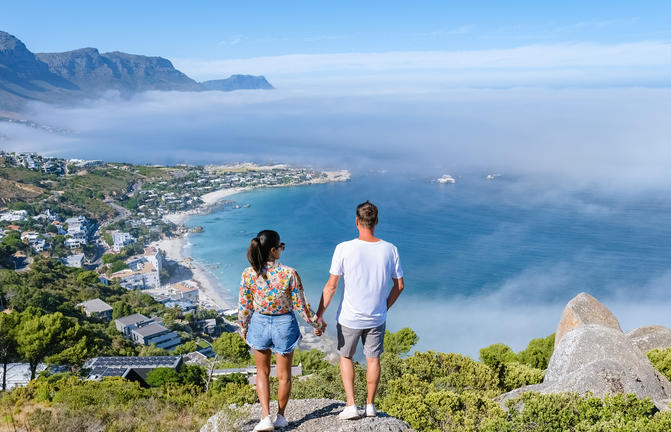
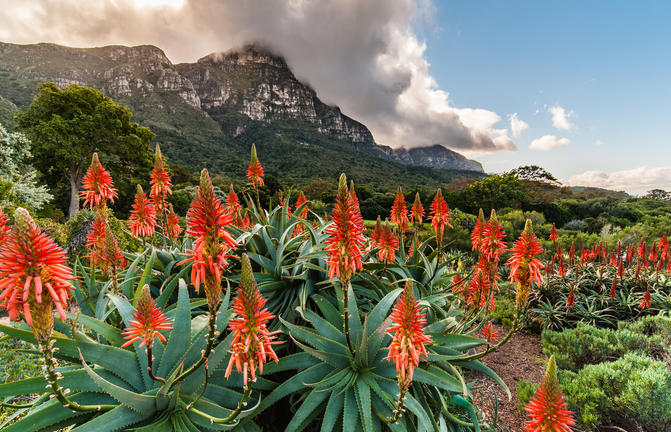
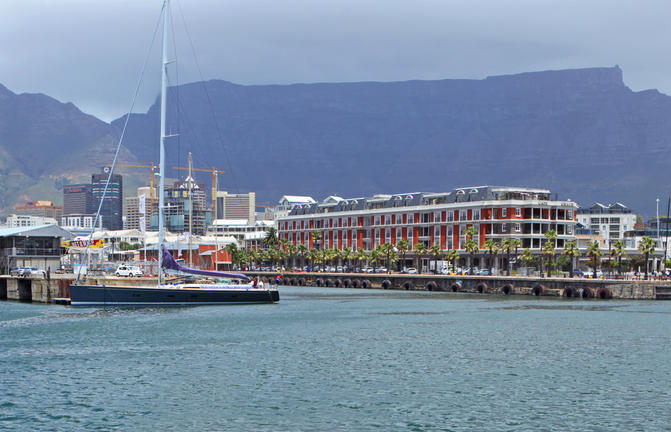
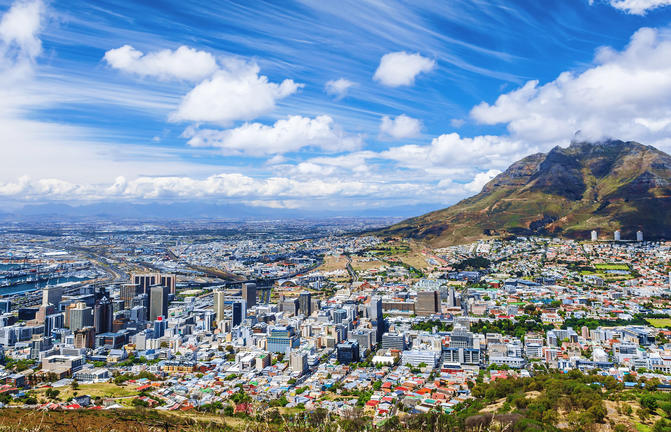
More than a scenic backdrop, Table Mountain is the solid core of Cape Town, dividing the city into distinct zones with public gardens, wilderness, forests, hiking routes, vineyards and desirable residential areas trailing down its lower slopes. Standing on the tabletop, you can look north for a giddy view of the city centre, its docks lined with matchbox ships. To the west, beyond the mountainous Twelve Apostles, the drop is sheer and your eye sweeps across Africa’s priciest real estate, clinging to the slopes along the chilly but spectacularly beautiful Atlantic seaboard. To the south, the mountainsides are forested and several historic vineyards and the marvellous Botanical Gardens creep up the lower slopes. Beyond the oak-lined suburbs of Newlands and Constantia lies the warmer False Bay seaboard, which curves around towards Cape Point. Finally, relegated to the grim industrial east, are the coloured townships and black ghettos, spluttering in winter under the smoky pall of coal fires – your stark introduction to Cape Town when driving in from the airport on the eastern outskirts of the city.
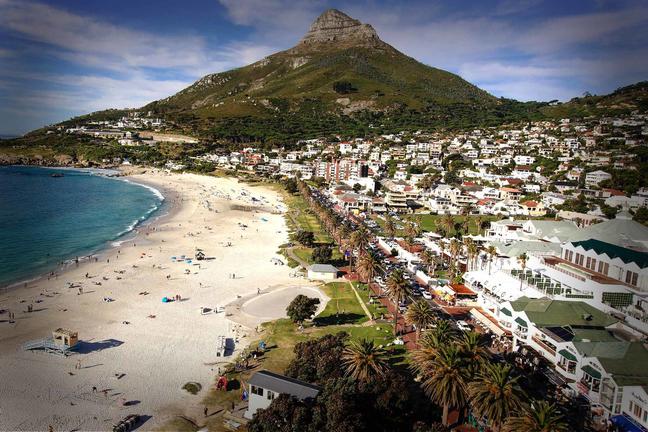
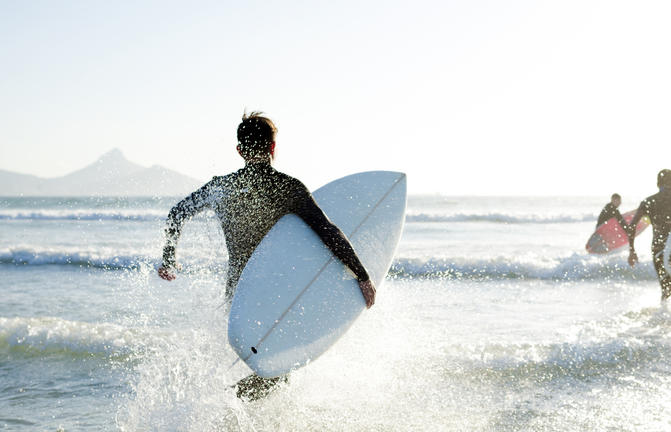
To appreciate Cape Town you need to spend time outdoors, as Capetonians do: they hike, picnic or sunbathe, often choose mountain bikes in preference to cars, and turn adventure activities into an obsession. Sailboarders from around the world head for Table Bay for some of the world’s best windsurfing, and the brave (or unhinged) jump off Lion’s Head and paraglide down close to the Clifton beachfront. But the city offers sedate pleasures as well, along its hundreds of paths and 150km of beaches.



Built along the beautiful shores and cliffs of Walker Bay, Hermanus has grown from a small seaside resort town to become possibly the best-known place for whale watching in the world. Today, this busy town is more than just a popular holiday destination and offers visitors all kinds of activities, both energetic and relaxing. The most popular activities are;
1 – Whales & Whale Watching in Hermanus
2 – Wine Tours and Tastings around Hermanus
3 – Great White Shark Cage Diving in Hermanus
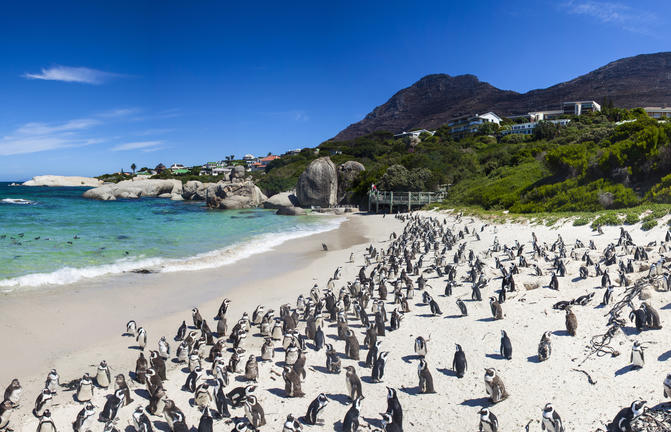
4 – Sea Kayaking and spotting seals, dolphins & penguins
5 – Walks, Hikes, horse-riding, biking to see fynbos, flowers & plants of the Cape Floral Kingdom
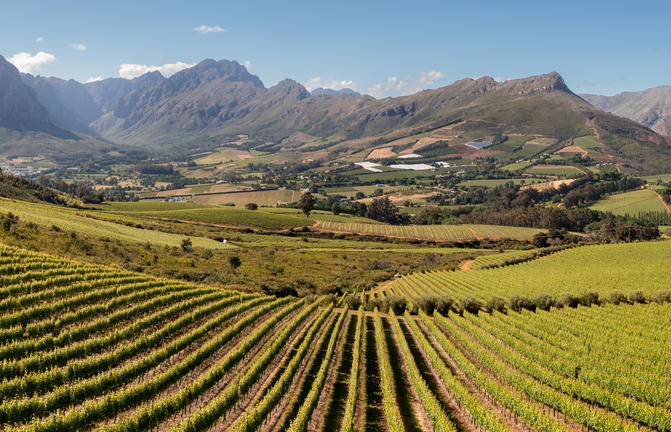
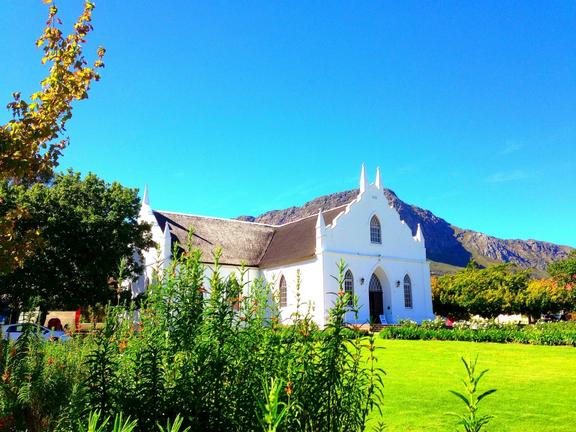
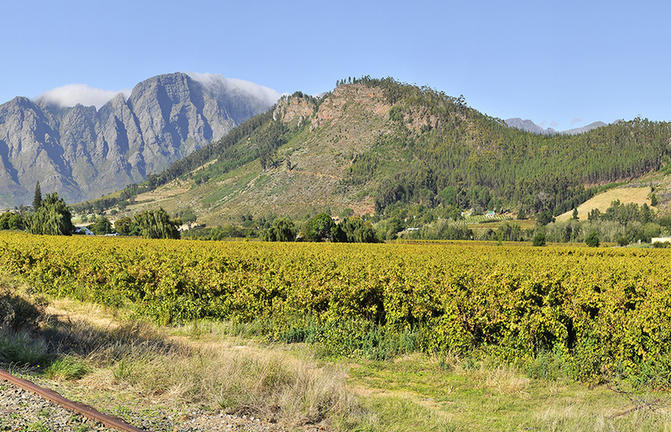
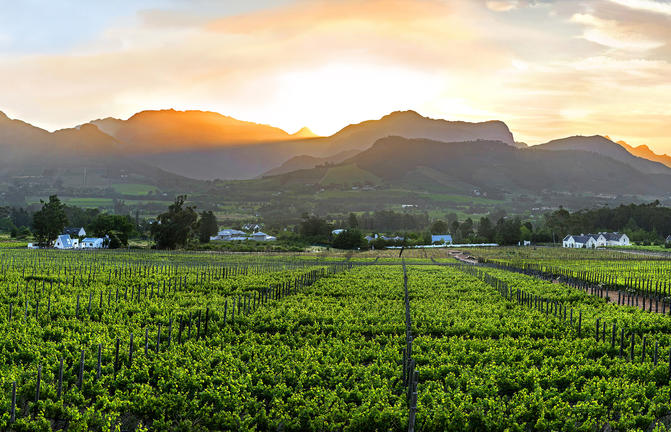
Nestled between towering mountains in the beautiful Cape winelands lies the Franschhoek Valley - the food and wine heartland of the country, where fine wines are grown and our top chefs create gourmet experiences. Breath-taking scenery, warm hospitality, world class cuisine and the finest wines all combine to make this one of our favourite destinations when visiting South Africa.
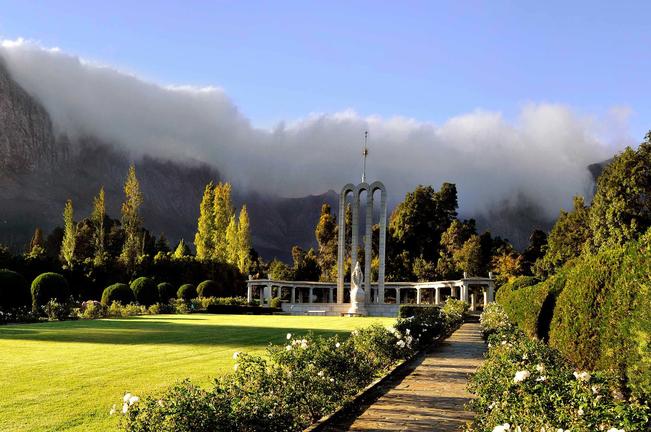
Spectacular vineyards cover these mountain slopes settled more than 300 years ago by the Huguenots, who brought with them their age-old French wine and food culture. This is a valley rich in history centred around a picturesque village of friendly, welcoming people. The village has become a centre for crafts, art, antique shops and galleries while the main street is lined with coffee shops and restaurants. Franschhoek is the perfect place to take it easy; stroll the main street perusing galleries and crafts, trying different foods, or you can stay active with a bike ride through the valley, horse rides, walks and more...
Where to eat in Franschoek central;
Foliage Sustainable comfort cooking in a relaxed bistro setting. Big fireplace, wooden tables & chairs and open plan kitchen. Local produce and wines with an emphasis on terroir cooking.
The Tasting Room at Le Quartier Francais is a much-lauded, fine dining restaurant, frequently featured in the San Pellegrino world’s top 50 restaurants.
Cafe des Arts is a simple, relaxed and rustic eatery in Franschhoek town – here, the menu is scribbled on a chalkboard every day and the food is all fresh – sourced from local farms. Head chef Chris Hoffman hails from the Olympia Bakery in Cape Town’s Kalk Bay (quite possibly my favourite restaurant, ever) and the vibe is pan-to-the-plate, tasty grub.
Salmon Bar is the only restaurant in the entire African continent that boasts a menu of responsibly sourced, MSC-certified seafood. Here, fish farmer Greg Stubbs recognised the need to remove pressure from the ocean’s dwindling resources thourgh Aquaculture. Call ahead and book a smoked salmon and trout tasting with Greg – he’ll take you on an extraordinary gastronomic journey in the art of sustainable seafood.
Just walk the main street and you are bound to find an appealing eatery for breakfast, lunch or dinner.
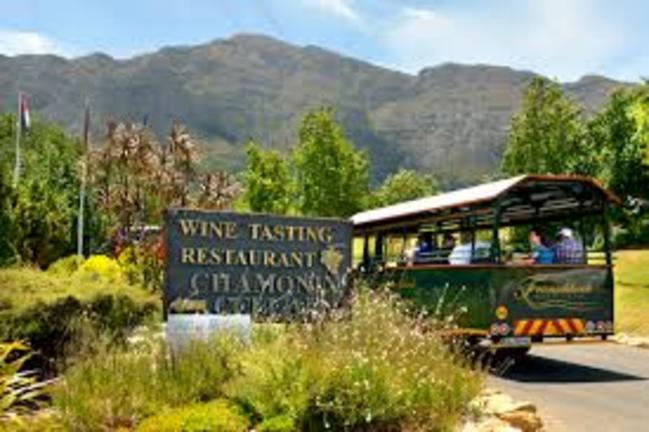
Further afield are the wine estates, many of which have fabulous restaurants, accessed by The Wine Tram, taxis or bicycle! La Motte, Rickety Bridge, Boschendal are just a few of the fabulous estates with great restaurants.





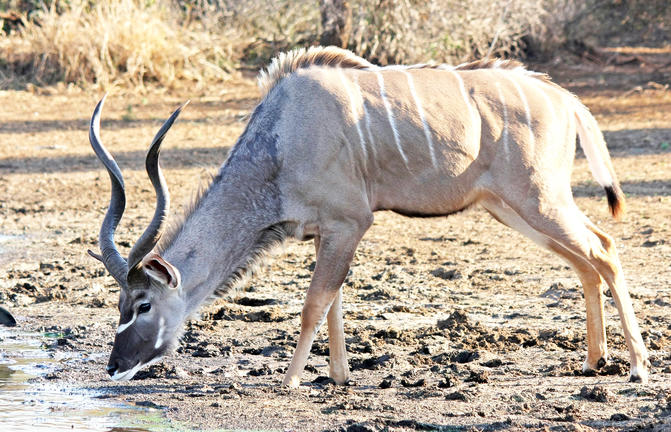
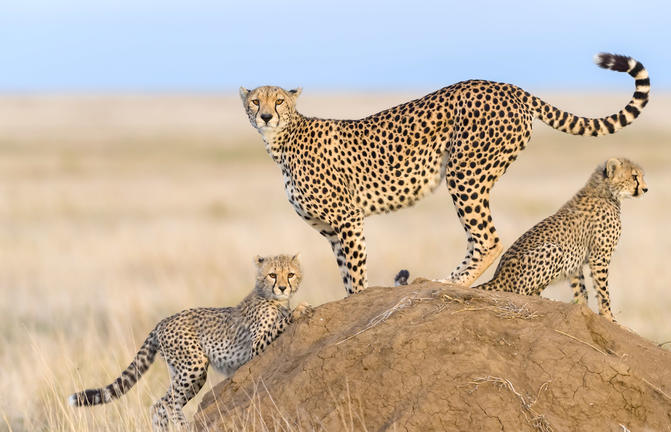
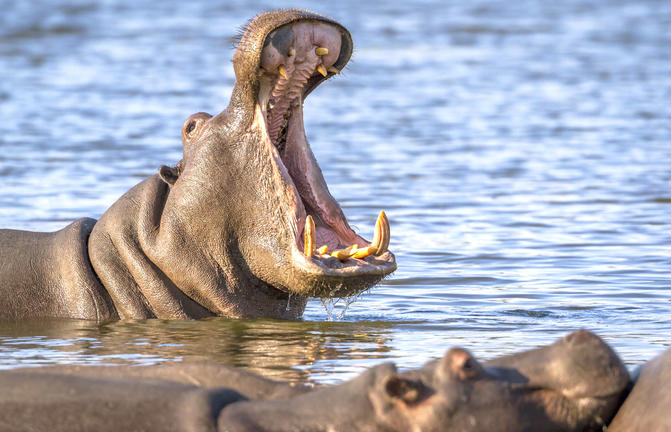
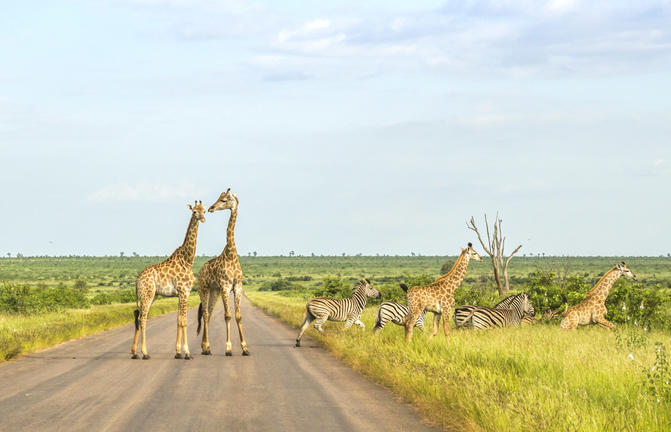


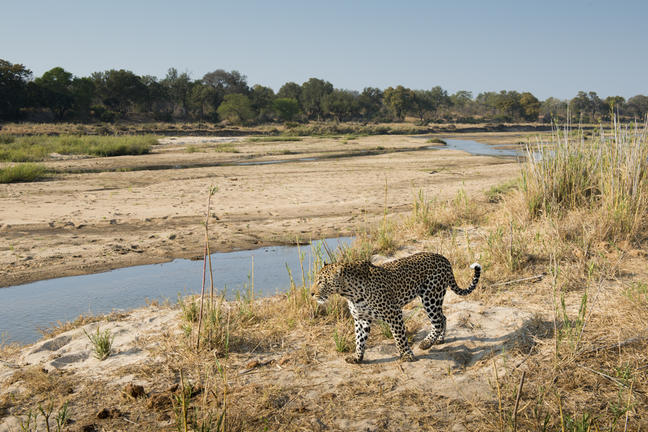
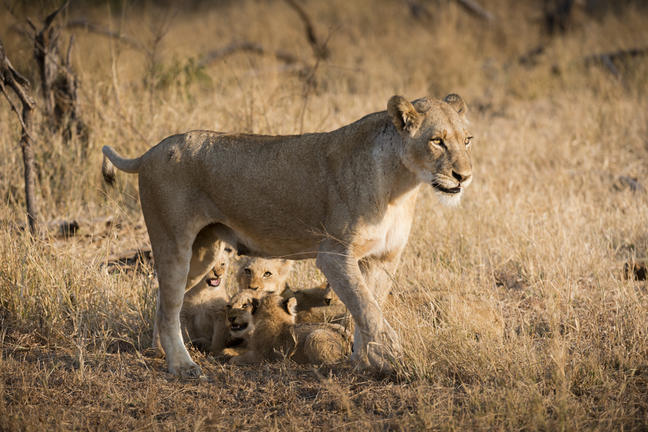
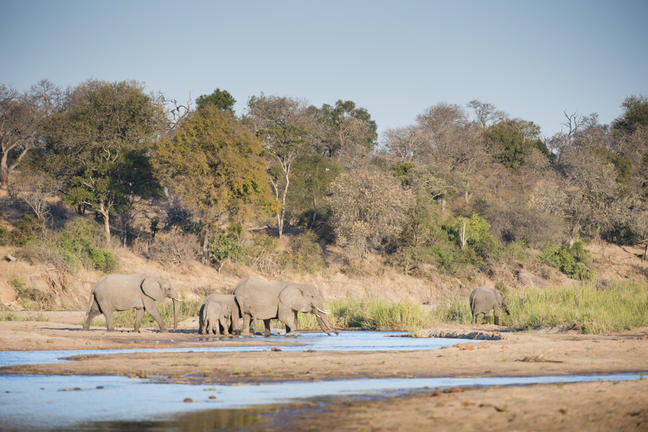
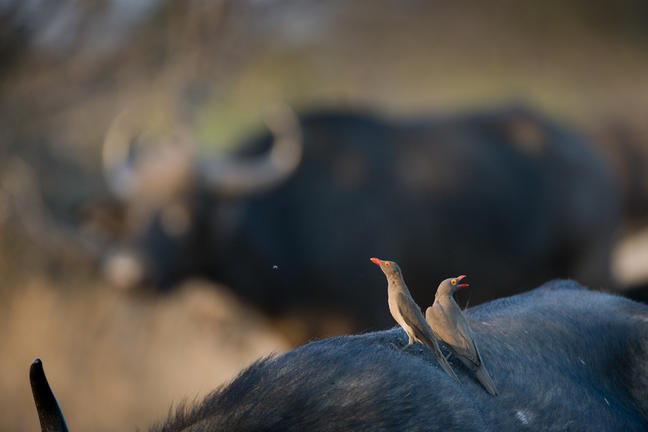
The Mluwati Concession is a 10 000 hectare private reserve hidden in the wilderness of Mpumalanga’s renowned Kruger National Park. Characterised by a sweeping landscape of bushwillows, acacias, open grassland, the N’waswitsontso River, and the eponymous Mluwati River, the concession is a nature lover’s and photographer’s paradise and provides an important protected habitat for a large lion population. Visitors can enjoy game drives and view an array of wildlife including leopard, wild dog, zebra, cheetah, elephant, buffalo, impala, giraffe, and wildebeest. The area also teems with hundreds of bird species including the southern yellow-billed hornbill, the crested barbet, and Burchell’s glossy starling. Ask a guide to tell you about the intriguing lost treasure of ‘Qugunyan's Fortune’ - an abandoned fortune of gold, diamonds, and coins with a fascinating story attached to it.
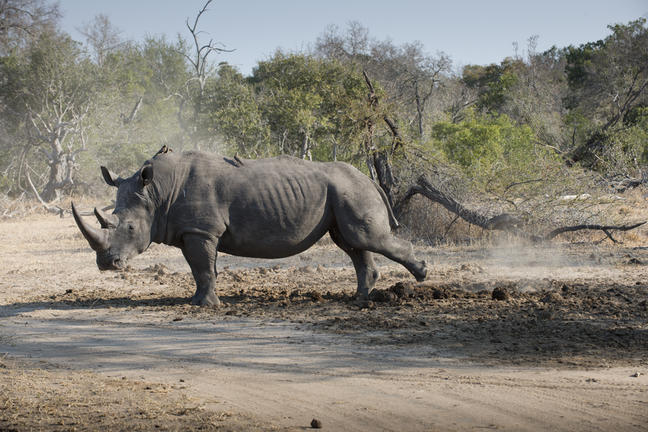
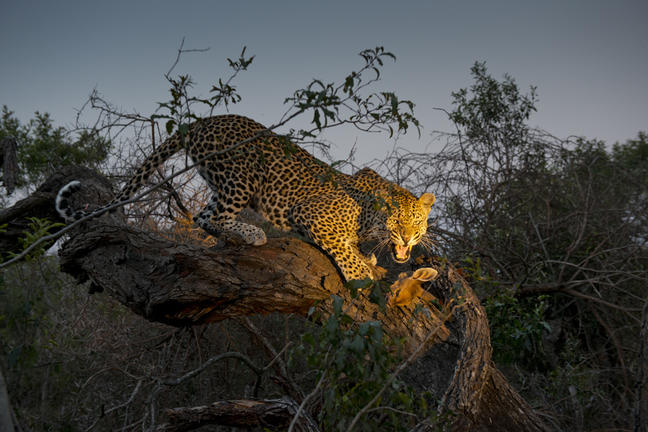
Sharing an unfenced border with the world-renowned Kruger National Park, Sabi Sand Nature Reserve is one of Africa’s most prestigious safari destinations and was the first private game reserve established in South Africa. Spanning 65,000 hectares of pristine wilderness, the reserve encompasses rolling savannah, Lowveld woodlands, seasonal riverbeds, watering holes and the perennial Sabi and Sand rivers. Renowned for its exceptional wildlife viewing, Sabi Sand offers some of the best opportunities in Africa to encounter the Big Five, particularly its famous leopard population, as well as cheetah, giraffe, zebra and numerous antelope species. Visitors can enjoy unforgettable game drives, guided bush walks and magical evenings beneath star-filled skies. Combined with some of South Africa’s most luxurious safari lodges, Sabi Sand delivers an unrivalled blend of wilderness, exclusivity and world-class hospitality.