Wedged between a number of larger neighbouring countries, Laos is often overlooked in favour of tourism giants such as Thailand and Vietnam. But these travellers are missing out on an extraordinarily scenic and culturally rich destination. Laos boasts a reputation as the least visited, least Westernised, and most untouched of all Indochinese nations. Only time will tell how long this will last, but while it does, visitors who choose to explore this nation’s remote areas will be richly rewarded. Laos’ primary drawcard is undoubtedly the mighty Mekong River which traverses the length of the country and is considered the second most biodiverse river in the world. In the north, the landscape is characterised by little-explored jungle-clad mountainous areas where visitors can witness the intriguing cultures of the various hill tribes that populate this region. Travellers on the hunt for cultural interest should head for the bustling capital of Vientiane, with its innumerable temples and Buddhist monuments. It is this variety of exotic wildlife, remote wilderness and remarkable cultural treasures that make Laos a truly unique and unforgettable holiday destination.
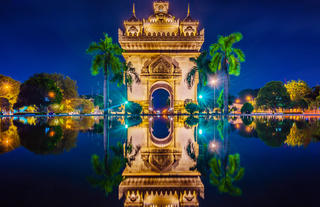
ViVientiane, the capital and largest city of Laos, offers a refreshing contrast to many Southeast Asian capitals—uncrowded, unhurried and imbued with a gentle, understated elegance. Set along the Mekong River, the city blends leafy boulevards, serene temples and evocative French-era architecture with a relaxed riverside lifestyle. Its spiritual heart is Pha That Luang, the nation’s most revered monument, a radiant 16th-century golden stupa symbolising Lao identity and Buddhist devotion. Travellers can wander between pavement cafés, atmospheric night markets and riverside restaurants, all of which reflect the city’s famously tranquil rhythm. Cultural highlights include the Laos National Museum, where thoughtfully curated exhibits trace the country’s long and complex history. With its calm disposition, historic charm and warm hospitality, Vientiane offers a captivating introduction to the soul of Laos.


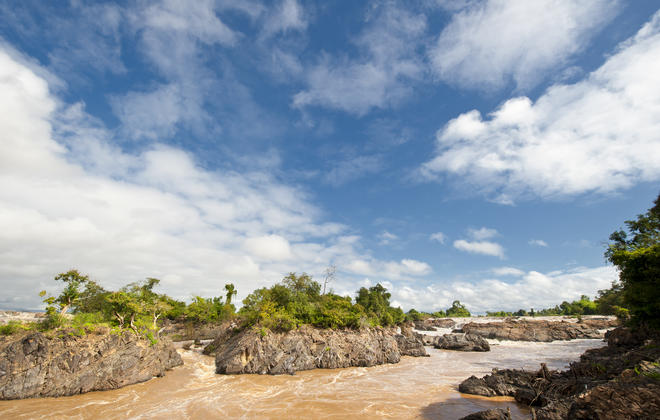
Pakse—also spelled Pakxe—sits at the picturesque confluence of the Mekong and Xe Don rivers and serves as the main gateway to southern Laos, including Si Phan Don, the Bolaven Plateau and the wider Champasak region. One of the country’s largest towns, it offers a relaxed riverside atmosphere and a handful of noteworthy cultural sites, such as the serene temple grounds of Wat Tham Fai and the Buddha Sandstone Carving Centre at Wat Chomphet. The most significant religious landmark is Wat Luang, an impressive temple complex now used as a training centre for novice monks. Travellers commonly use Pakse as a comfortable base for exploring nearby highlights—Tad Lo’s cascading waterfalls, the UNESCO-listed pre-Angkorian ruins of Wat Phu, local coffee plantations and the remote islands and rural landscapes that characterise Champasak Province. Blending convenience, culture and scenic surroundings, Pakse makes an ideal starting point for adventures across southern Laos.


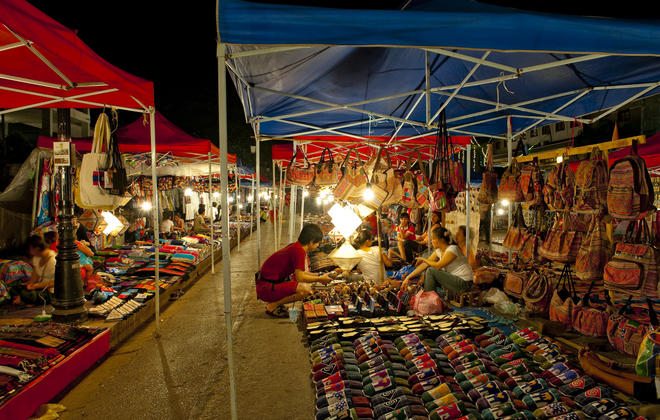
Luang Prabang is a historic town in northern Laos, set at the confluence of the Mekong and Nam Khan rivers and surrounded by forested mountains. A UNESCO World Heritage-listed destination, it is renowned for its well-preserved Buddhist temples, French colonial architecture and relaxed riverside atmosphere. Travellers can explore ornate monasteries, climb Mount Phousi for panoramic views, and visit the Kuang Si waterfalls, where turquoise pools cascade through lush jungle. Early risers can witness the traditional alms-giving ceremony, while the lively night market offers local handicrafts and Lao cuisine. With its blend of spiritual heritage, natural beauty and unhurried pace, Luang Prabang provides a distinctive introduction to Laos and is particularly appealing to travellers seeking culture, scenery and authentic local experiences.