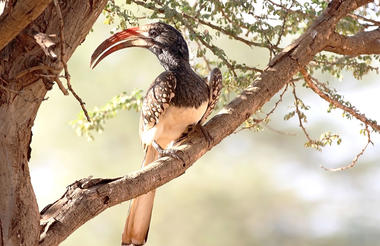
One of the most culturally and geographically diverse places on earth, South Africa, fondly known by locals as the 'Rainbow Nation,' boasts 11 official languages and its inhabitants are influenced by a fascinating mix of cultures. Discover the gourmet restaurants, impressive art scene, vibrant nightlife, and beautiful beaches of Cape Town. Enjoy a local braai (barbecue) in the Soweto township, browse the bustling Indian markets in Durban, or sample some of the world's finest wines at the myriad wine estates dotting the Cape Winelands. Some historical attractions to explore include the Apartheid Museum in Johannesburg and Robben Island just off the coast of Cape Town. Above all else, its untamed wilderness is astonishing. Wildlife roams across massive game reserves such as the world-famous Kruger National Park, one of the largest national parks in the world, with an area of 19,485 km2 (7,523 sq mi).
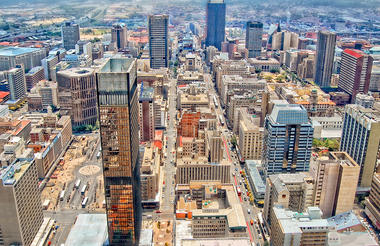
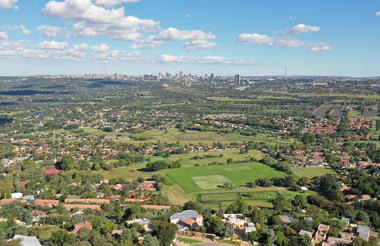
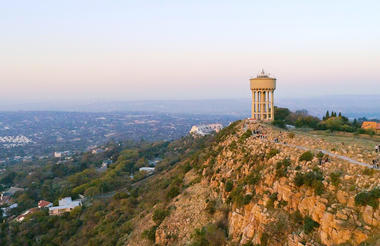
Johannesburg was initially developed in response to the discovery of gold in the mineral-rich area called Witwatersrand. Today, it is the business center of the country and has an urban area population of around 15 million people, making it one of the world’s largest cities in both area size and population. Johannesburg, affectionately known as Joburg or Jozi to its residents, has also re-incorporated Soweto (once one of the largest townships in the world) back into it. Soweto, which stands for “southwestern townships,” was separate from the city during apartheid and was home to many of the city’s gold and diamond workers.
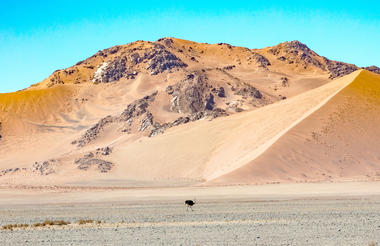
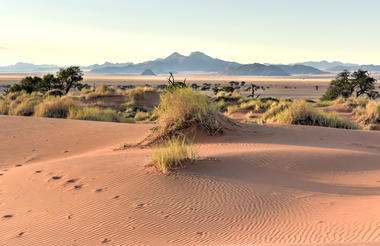
Namibia is named after the oldest desert on earth- the namib. Celebrated for its vast open landscapes, infinite blue skies and star-filled nights. Located in southwestern Africa, Namibia boasts a well-developed infrastructure, some of the best tourist facilities in Africa, and an impressive list of breathtaking natural wonders. Visitors can explore the capital of Windhoek and discover the lovely coastal town of Swakopmund boasting remnants of the country’s German influence, reflected in the architecture, culture, cuisine and the annual Oktoberfest celebrations. To properly appreciate this extraordinary country, you will have to venture out of the cities to explore the remarkable natural landscapes Namibia has to offer. These include: the impressive Fish River Canyon; the vast Etosha National Park teeming with abundant wildlife, such as lions, desert-adapted elephants and the Hartmann's Mountain Zebra; the hauntingly beautiful Kalahari Desert; and of course the Namib Desert stretching for over 2000 km along the magnificent Atlantic Coast. Namibia is an ideal destination for travellers seeking an unforgettable African experience in a uniquely beautiful untamed wilderness.
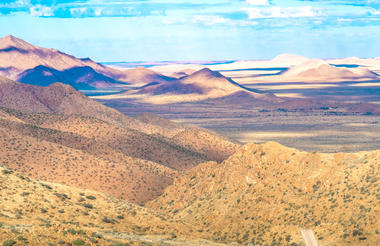
Spanning an area of 172,200 hectares (over 425,000 acres) and encompassing four distinct ecosystems, the NamibRand Reserve of southern Namibia is among the largest privately owned game parks in Southern Africa. Founded to conserve the unique environment and wildlife species of the Namib Desert, the park’s mix of dunes, mountains, rocky outcrops, sandy flats, and gravel plains provides habitats for a diversity of mammals, including hyenas, jackals, foxes, antelopes, and various wild cats. A plethora of bird species, reptiles, insects, and frogs also have their home here, alongside an array of plant species. Discover the mysterious ‘fairy circles’, unexplained bare patches in the sand, or enjoy a night of sublime stargazing - having been named Africa’s first International Dark Sky Reserve, it is one of the least light-polluted areas in the world.
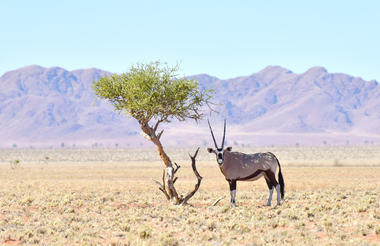
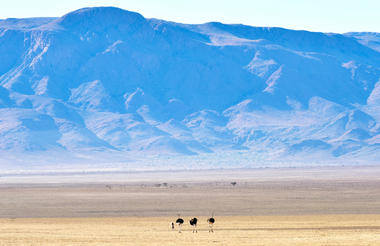
Situated in northwestern Namibia, stretching from the Skeleton Coast inland towards the Angolan border, Kaokoveld is a vast and remote wilderness region known for its rugged landscapes, dramatic mountains and ancient desert valleys. This sparsely populated area is home to small Himba communities, free-roaming desert-adapted wildlife and some of Namibia’s most spectacular scenery. Travellers can explore remote landscapes by 4x4, visit traditional Himba settlements, track desert elephants, and search for black rhinos in rugged terrain. Among the region’s most iconic sights are Hartmann’s Valley and Marienfluss, two spectacular wilderness valleys renowned for their sweeping landscapes, as well as the legendary Van Zyl’s Pass, the dramatic Kunene River, and the picturesque Epupa Falls. With limited infrastructure and challenging conditions, Kaokoveld appeals to adventurous travellers seeking solitude and untouched wilderness.
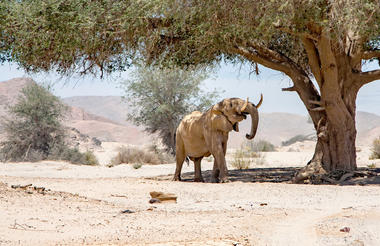
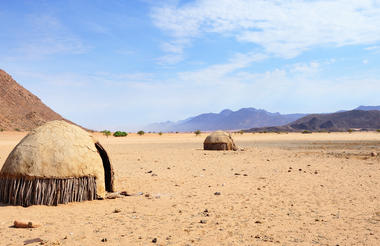
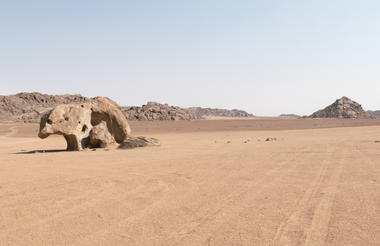
Bordering Angola in northern Namibia, Kunene is a region as well as the name of a river, which is one of just five perennial rivers in Namibia. The Kunene River is an invaluable source of water for the local Himba people, and it has been the mainstay of their existence for hundreds of years. For travellers, the river’s most striking feature is the magnificent Epupa Falls, which cascade over a distance of more than a kilometre downstream, with an impressive vertical drop of around 60 metres. Whitewater rafting and kayaking are both popular pursuits in these areas. Visitors can take sundowner cruises; explore sublime hiking routes; enjoy excellent bird watching opportunities; learn about local culture with a trip to a traditional Himba village; or go canoeing, kayaking, and game viewing.


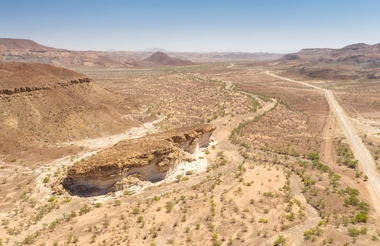
Encompassing the bustling capital city of Windhoek, and the laid-back seaside towns of Swakopmund and Walvis Bay, Central Namibia features an array of towns, deserts, and wildlife reserves. The landscape of this region is characterised by grasslands decorated with clusters of Acacia trees, between the Namib Desert to the west and the lush Kalahari to the east. Visitors can soak in the steaming waters of the Cross Barmen Hot Springs, view a wide variety of wildlife, and explore the untouched beauty of the beautiful Erongo Mountains with the breathtakingly beautiful Spitzkoppe, which offers some of the best stargazing opportunities in the country.