


Windhoek, Namibia’s capital, lies in the heart of the country amid the rolling Khomas Highlands, where wide skies and dry savannah frame a compact, orderly city. It blends German colonial heritage with contemporary African identity, creating a calm, understated atmosphere rather than a bustling metropolis. Landmarks such as Christuskirche and the Tintenpalast sit alongside modern civic buildings, while lively markets and cafés reveal everyday Namibian life. Visitors can explore museums, stroll shaded streets, or use the city as a gateway to the surrounding wilderness and safari regions. The air is often dry and clear, carrying the scent of dust and jacaranda blossoms, while distant hills glow at sunset. Windhoek offers a gentle introduction to Namibia’s landscapes and culture, with space, light and quiet defining its appeal.


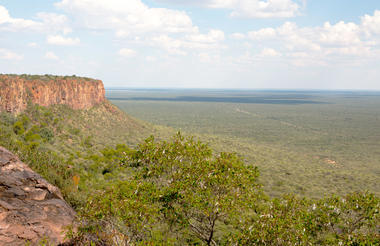
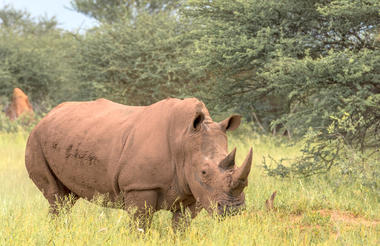
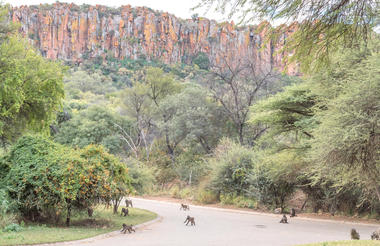
Situated in north central Namibia and named for the springs that emanate from its foothills, the Waterberg Plateau National Park is a fascinating geological site featuring compressed sandstone crags, 200 million-year-old dinosaur footprints, and petrified sand dunes. The area’s natural water sources make it far more fertile than its environs, and the park is blessed with a plethora of plant and animal species, including leopards, rhinoceros, vultures, cheetahs, bush babies, ferns and fig trees. Visitors can enjoy a wide selection of activities including: learning about the local Herero culture on an informative village tour, tracking rhino on a guided safari, exploring the Waterberg's 50-kilometre-long and 16-kilometre-wide sandstone plateau, dubbed 'table mountain', and catching a glimpse of the rare and endangered sable and roan antelope.
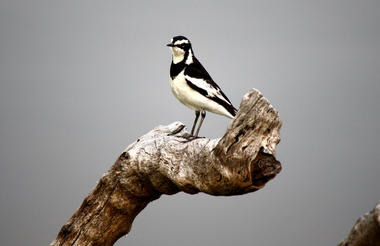
Flowing from the highlands of Angola and tracing the border with Namibia, the Okavango River is southern Africa’s fourth-longest river system and a lifeline of remarkable biodiversity. Before entering Botswana to form the famed Okavango Delta, it passes the scenic Popa Falls rapids, where visitors can take in the sound of rushing water against lush riverbanks. The surrounding landscapes are rich with wildlife, supporting over 70 fish species and more than 400 bird species, making the region a favourite for anglers and birders alike. Travellers can enjoy tranquil boat cruises, explore riverside reserves, or visit Rundu, the relaxed capital of Kavango East, where daily life unfolds along the water’s edge.
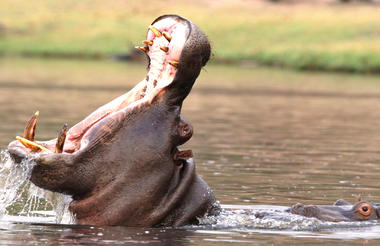
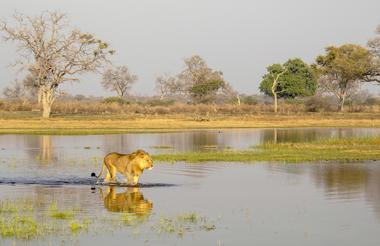

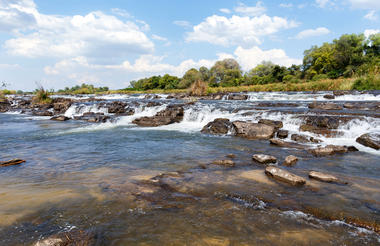
Set roughly 200 kilometres east of Rundu on the southeastern banks of the great Okavango River, the small village of Divundu is a wonderful destination from which to explore the river, game parks and national reserves of the area. Visitors can enjoy fishing or bird watching boat safaris, or visit the Mahango Game Park, which is home to herds of elephant as well as hippo, buffalo, giraffes, antelope, and many other animals. The spectacular Popa Falls, a dramatic series of cascades - are a popular must-see attraction. Divundu is also the perfect base for adventures in Botswana and the Okavango Delta.
As previously described
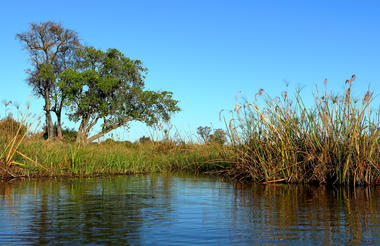
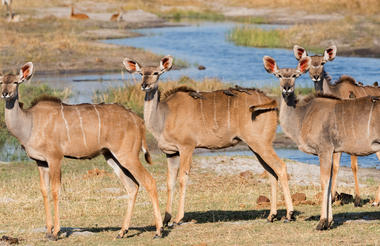
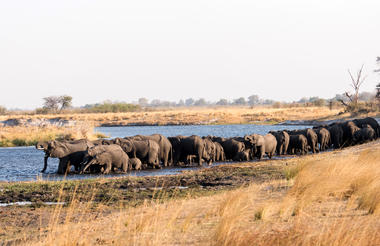
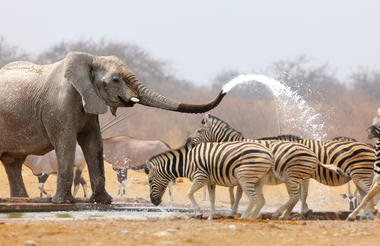
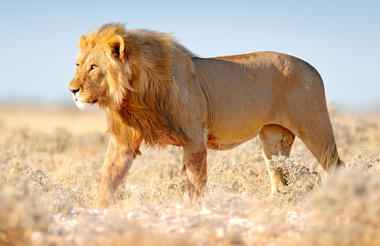
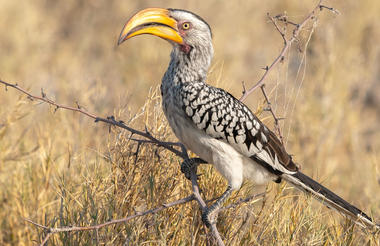
Located along the eastern boundary of Etosha National Park in northern Namibia, Etosha East is a rewarding safari destination known for its excellent wildlife viewing and convenient access to the park through the Von Lindequist Gate near Namutoni. Characterised by open savannah, mopane woodland and seasonal waterholes, the region attracts an abundance of wildlife, including elephant, lion, giraffe, zebra and a variety of antelope species. Visitors can enjoy self-drive or guided game drives, with the waterholes offering some of the best opportunities to observe animals gathering to drink, particularly during the dry season. Golden grasslands, distant birdsong and expansive African skies create an immersive safari experience in one of Namibia's most celebrated conservation areas.
As previously described


Situated in Namibia’s Omusati Region, near the border with Angola on the banks of the river Kunene, the town of Ruacana is famous for its enthralling Ruacana Falls, and its impressive power station. In the rainy season, the falls can rival Victoria Falls in their majesty. The falls lie at the border, so to visit them, travellers have to temporarily leave the country and enter Angola’s territory by signing an immigration register. The river provides some sustenance to the surroundings, where maize, watermelons, wheat, bananas, and other produce are grown. The landscape here is ideal for fishing, hiking, mountain biking, and water sports.


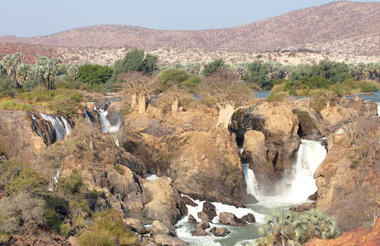
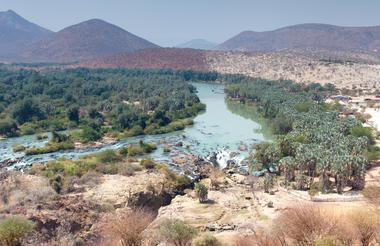
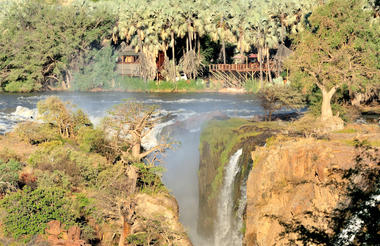
Epupa Falls lies in Namibia’s remote far north, on the Kunene River close to the Angolan border, where desert landscapes give way to a surprising ribbon of water and life. Here, a series of wide, tumbling cascades cut through rugged rock, creating pockets of mist, cool shade and clusters of ancient baobabs. The atmosphere is tranquil yet powerful, with the low thunder of the falls echoing across an otherwise arid valley. Travellers can enjoy gentle walks along the river, meet Himba communities who have long called this region home, or watch the shifting colours of the cliffs at sunset. It’s a place of raw beauty and quiet contrasts, ideal for those seeking nature in its most elemental form.
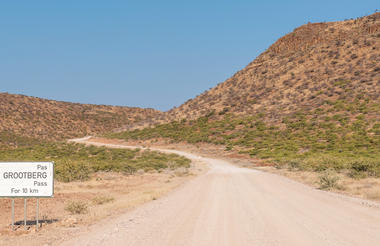
Resting majestically in the heart of Namibia's Damaraland region, The Grootberg Plateau showcases stunning natural landscapes characterised by deep canyons, dramatic rock formations, and expansive vistas. The renowned Grootberg Pass winds through mountains, offering spellbinding views. On the drive, one may come across the Himba people, known for centuries-old livestock farming practices. Encounters along the Grootberg Pass may include purchasing handmade jewellery while supporting the community with donations. Despite its rugged terrain, Grootberg hosts diverse wildlife, including black rhinos, giraffes, and desert elephants, adapted to harsh desert conditions. Additional activities include walking trails, birdwatching, and Damara Cultural Tours. End the day with a 4x4 drive atop the flat plains of the Grootberg Plateau that leads to a jaw-dropping viewpoint and watch the sunset.
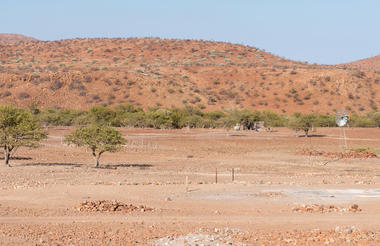
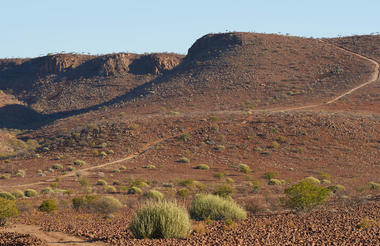
Situated in central-western Namibia between the towns of Omaruru and Usakos, the Erongo Mountains are a striking granite mountain range renowned for their dramatic rock formations, ancient San rock art and diverse wildlife. Formed by an extinct volcano, the region offers scenic hiking trails that wind through massive boulders, rugged valleys and distinctive granite peaks. Visitors can explore prehistoric rock art sites, enjoy guided nature walks, birdwatching and game drives, with opportunities to spot species such as klipspringer, kudu, zebra and numerous birds. Towering granite domes, golden grasslands and spectacular sunsets create an unforgettable sense of wilderness, making the Erongo Mountains an ideal destination for travellers seeking natural beauty, cultural heritage and outdoor adventure.


As previously described


