

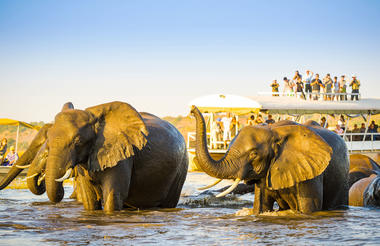
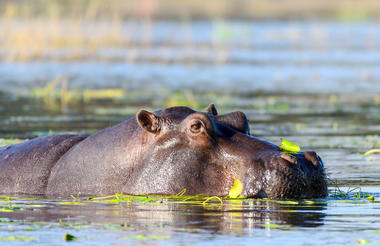
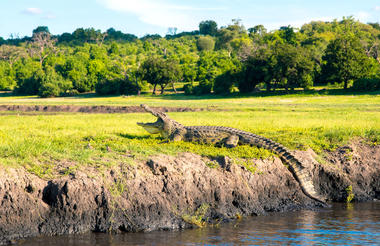
Situated in northeastern Botswana on the banks of the Chobe River, the town of Kasane is the main gateway to Chobe National Park and one of southern Africa's premier safari destinations. Renowned for its exceptional wildlife viewing, Kasane offers game drives and river cruises where visitors can encounter large herds of elephants, buffalo, hippos, and crocodiles, as well as abundant birdlife. Its location near the borders of Botswana, Namibia, Zambia and Zimbabwe also makes it a convenient base for exploring the wider region. Golden sunsets reflected on the river, the sounds of wildlife and a relaxed safari atmosphere combine to make Kasane an unforgettable destination for nature lovers.
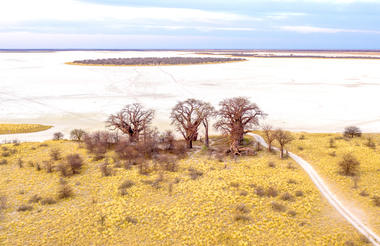
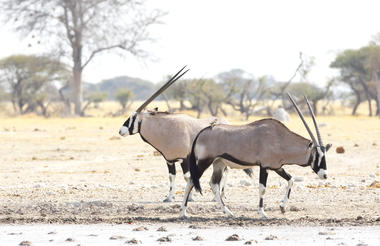
Adjoining the Makgadikgadi Pans National Park on its northern border, the Nxai Pans were once salt lakes. Today, the Nxai Pan National Park preserves this precious area, which is rich in biodiversity and is now characterised by grasslands dotted with trees and small pans that fill in the rainy season. The striking, famous Baines Baobabs, first drawn by the renowned explorer in the 1860s are a must-see, and there are several activities to look forward to. Take a 4WD sunset or sunrise game drive, or a birdwatching tour. The Nxai Pan is a breeding ground for wildebeest, gemsbok, zebra, and eland, and an impressive list of other animals can be seen quite easily too including lions, ostriches, giraffes, cheetahs, jackals, bat-eared fox, and even the elusive nocturnal porcupine.
As previously described


Situated on the southern edge of the Okavango Delta in northwestern Botswana, Maun is a laid-back safari town known as the gateway to one of Africa’s most remarkable wilderness regions. Dusty streets, scattered palms, and the slow-moving Thamalakane River give the town a relaxed frontier atmosphere, where safari vehicles and small bush planes are part of daily life. Travellers come to experience mokoro excursions through reed-lined delta channels, scenic flights above shimmering floodplains, and wildlife safaris into nearby game reserves. While Maun itself is functional rather than polished, its blend of local culture, open landscapes, and close access to untamed wilderness makes it an atmospheric and rewarding base for exploring the Okavango region.


Savuti, also known as Savute, lies in the heart of Botswana’s renowned Chobe National Park and is one of the country’s most fascinating wildlife destinations. This dynamic wilderness features vast open savannahs, ancient rocky outcrops, and the remnants of a historic marsh fed by the enigmatic Savuti Channel. Famous for its unpredictable wet and dry cycles, the landscape is constantly changing, creating unique habitats for a remarkable variety of wildlife. Wild dogs hunt along the dry riverbed where crocodiles once swam, highlighting the area’s ever-shifting nature. Visitors can encounter large herds of elephants, Cape buffalo, zebra, and wildebeest, as well as predators such as lions, cheetahs, hyenas, black-backed jackals, and bat-eared foxes. Savuti is also home to abundant birdlife, antelope species, tsessebe, kudu, and many other iconic African animals.


The Khwai area of the Okavango lies along the northern boundary of the Moremi Game Reserve. Khwai Community Area has unfenced boundaries allowing wildlife to move freely between the woodlands in the wet season when water is plentiful and back to permanent rivers and lagoons in the dry season. The Khwai area offers the same wildlife experience as the Moremi Game Reserve with the added advantage of being a private concession, which means the ability to do walking safaris and night drives. Don't miss the opportunity to soak up beautiful views of the scenic landscape and spot an array of wildlife.


As previously described


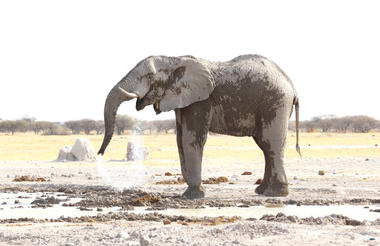
The Chobe River forms the northern boundary of Chobe National Park and is one of southern Africa’s most rewarding wildlife riverfronts, especially in the dry season when animals concentrate along its banks. Elephant herds gather in large numbers at the water’s edge, hippos crowd the channels, and buffalo move regularly through the floodplain grasslands, while lions range through the wider system and may hunt buffalo in the surrounding landscape. The river also supports exceptional birdlife across reeds, sandbanks, and woodland edges, and visitors typically explore it through guided game drives on designated park tracks as well as boat safaris that bring them level with elephants and hippos along the shoreline.


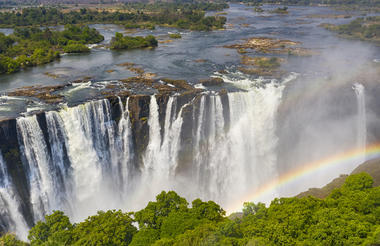
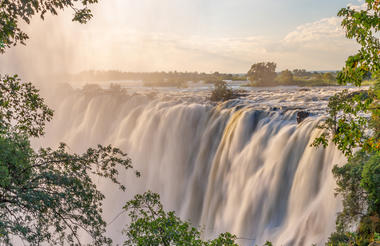
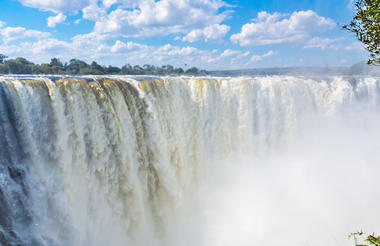
Known locally as Mosi-oa-Tunya—“The Smoke That Thunders”—Victoria Falls is one of the world’s great natural landmarks. Straddling the Zambezi River between Zambia and Zimbabwe, it forms a vast curtain of water that fills the air with mist and sound. The Zimbabwean side grants the most dramatic views, where mist rises like ghostly curtains and rainbows arc through the spray. Measuring about 1,708 metres across, it is regarded as the largest single continuous sheet of falling water on Earth. The adjacent town of Victoria Falls provides a convenient base for exploring the region, with a wide range of activities from scenic flights and microlight trips to white-water rafting, bungee jumping, kayaking, and safaris into Chobe National Park.
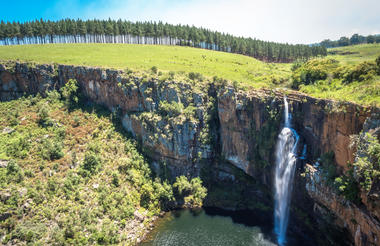
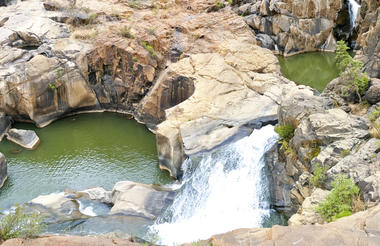
Situated just north of Mbombela in Mpumalanga, South Africa, White River is a quiet, peaceful town made up of a large farming community. Culinary types will delight in the town’s renowned delicious tropical fruits, tasty vegetables and wineries, while history lovers should stroll around town and check out White River’s early Lowveld architecture, or explore the fascinating White River History and Motor Museum. Three dams, thick forests, a picturesque botanical garden, and distinctive rock formations enhance the splendour of the area, making it an ideal base for hiking and nature photography. Several incredible reserves can also be reached easily from here, including the world-famous Kruger National Park. Other highlights include a reptile park, a wonderful art studio, and numerous craft and antique shops. The Born Biking Indoor Skate Park appeals to active travellers.
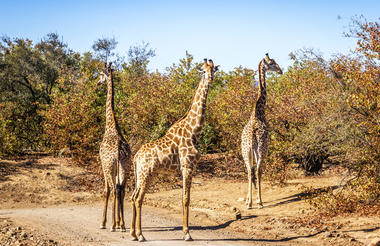
Stretching over more than two million hectares, the famous Kruger National Park is one of the world’s largest game reserves and a truly remarkable destination. Owing to its exceptional size, visitors are able to experience fantastic diversity – from changing scenery and ecosystems to an impressive array of animals, plant life and birdlife. The park is home to over 130 mammals and over 500 bird species. Visitors can look forward to learning about the area’s prehistoric past, enjoying a host of accommodation options, and viewing abundant wildlife including the famed Big Five. The diversity and sheer density of wildlife make Kruger National Park an unforgettable and once-in-a-lifetime experience.


