


Namibië ligt in het zuidwesten van Afrika en beschikt over een goed ontwikkelde infrastructuur, enkele van de beste toeristische voorzieningen in Afrika en een indrukwekkende lijst van adembenemende natuurwonderen. Bezoekers kunnen de hoofdstad Windhoek verkennen en de mooie kustplaats Swakopmund ontdekken, met overblijfselen van de Duitse invloed van het land, weerspiegeld in de architectuur, cultuur, keuken en de jaarlijkse Oktoberfest-vieringen. Om dit buitengewone land ten volle te waarderen, moet u de steden verlaten om de opmerkelijke natuurlijke landschappen te ontdekken die Namibië te bieden heeft. Deze omvatten: de indrukwekkende Fish River Canyon; het uitgestrekte Etosha National Park dat wemelt van de flora en fauna, zoals leeuwen, aan de woestijn aangepaste olifanten en de Hartmann's Mountain Zebra; de angstaanjagend mooie Kalahari-woestijn; en natuurlijk de Namib-woestijn die zich uitstrekt over meer dan 2000 km langs de prachtige Atlantische kust. Namibië is een ideale bestemming voor reizigers die op zoek zijn naar een onvergetelijke Afrikaanse ervaring in een uniek mooie, ongetemde wildernis.
Located southeast of Omaruru, the Erindi Game Reserve is a spectacularly scenic protected reserve in northwestern Namibia. ‘Erindi’, meaning the place of water boasts incredible lush scenery. Stretching over 79000 hectares, this natural wonderland features comfortable accommodation options and magnificent landscapes encompassing grasslands, savannah, and rugged mountains inhabited by an abundance of diverse wildlife. This idyllic retreat is also known for its ecotourism, rich cultural heritage, and community involvement. Visitors can look forward to cultural village tours, San rock art, guided bush walks and thrilling game drives to view elephants, giraffes, rhino, lion, hyena, zebra, kudu, wildebeest and many other animals. Don’t miss the opportunity to jump on a night drive to catch a glimpse of the nocturnal species that thrive in the dark wilderness.


Het Otjiwa Game Reserve ligt in het hart van de regio Otjozondjupa in Namibië en omvat 12.000 hectare open bosveld, glooiende vlaktes en met acacia bezaaide savanne. Het reservaat ademt een serene en besloten sfeer uit, waar wilde dieren vrij rondlopen en de horizon zich ononderbroken uitstrekt onder uitgestrekte Afrikaanse luchten. Bezoekers kunnen deelnemen aan begeleide gamedrives om giraffen, zebra's, antilopen en neushoorns te spotten, of genieten van wandelsafari's die de subtiele ritmes van de bush onthullen. Bij zonsopgang ruikt de lucht naar droog gras en aarde, terwijl de roep van vogels en wilde dieren in de verte de stilte accentueert, een plek waar de wilde schoonheid van Namibië zowel meeslepend als onvergetelijk is.


Gelegen langs de oostelijke grens van Etosha National Park in het noorden van Namibië, is Etosha East een lonende safaribestemming die bekend staat om zijn uitstekende bezienswaardigheden in het wild en de gemakkelijke toegang tot het park via de Von Lindequist-poort bij Namutoni. De regio wordt gekenmerkt door open savanne, moerasbossen en seizoensgebonden waterpoelen en trekt een overvloed aan wilde dieren aan, waaronder olifanten, leeuwen, giraffen, zebra's en een verscheidenheid aan antilopensoorten. Bezoekers kunnen genieten van self-drive of begeleide gamedrives, waarbij de waterpoelen enkele van de beste mogelijkheden bieden om dieren te observeren die samenkomen om te drinken, vooral tijdens het droge seizoen. Gouden graslanden, vogelgezang in de verte en uitgestrekte Afrikaanse luchten zorgen voor een meeslepende safari-ervaring in een van de beroemdste beschermde gebieden van Namibië.
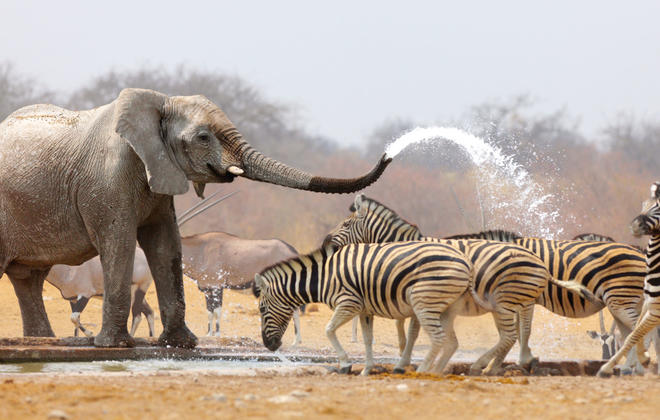


Etosha South ligt aan de zuidelijke grens van Etosha National Park in het noordwesten van Namibië en omvat de zuidelijke safariregio van het park en een verzameling particuliere wildreservaten en lodges. Het park is toegankelijk via Andersson Gate, waardoor bezoekers binnen handbereik zijn van beroemde waterpoelen en het uitstekend kunnen zien van wilde dieren. Leeuwen, olifanten, giraffen, witte en zwarte neushoorns en een grote verscheidenheid aan antilopen behoren tot de soorten die veel voorkomen. Begeleide 4×4 gamedrives zijn de belangrijkste attractie, met safari's van een halve of hele dag beschikbaar, sommige inclusief picknicklunches in de wildernis.


Situated in the rugged landscapes of northwestern Namibia's Kunene Region, Palmwag is a remote safari destination renowned for its dramatic desert scenery and remarkable wildlife. Set amid rocky hills, ephemeral riverbeds and iconic makalani palms, it lies within one of Namibia's largest wilderness conservation landscapes. Visitors can enjoy guided nature drives and walking safaris in search of desert-adapted elephants, black rhinos, giraffes, springbok and other wildlife adapted to this arid environment. Sweeping vistas, striking red-earth landscapes and peaceful starlit skies create a profound sense of solitude, making Palmwag an exceptional destination for travellers seeking wilderness, conservation experiences and the untamed beauty of Namibia.


Dit kleine stadje in de zuidelijke Kunene regio Namibië was ooit de hoofdstad van Damaraland en is de thuisbasis van ongeveer 6000 inwoners, van wie de meesten afkomstig zijn van de etnische groep Damara. Terwijl het kleine stadje zelf reisbenodigdheden biedt bij de plaatselijke supermarkt, bank en benzinestation, is de omgeving een paradijs voor natuurliefhebbers met een verscheidenheid aan toeristische attracties, waaronder de bizarre Welwitschia mirabilis bij Burnt Mountain, zeldzame steenformaties, het versteende bos, het oude rotstekeningen en vele fascinerende geologische verschijnselen (zie ook de 'Organ Pipes'). Khorixas is de belichaming van een Namibische landelijke stad. Het marcheert naar een traag Afrikaans ritme en de heerlijk vriendelijke lokale bevolking heet alle gasten van harte welkom.


Swakopmund, gelegen tussen de glooiende duinen van de Namib-woestijn en de ijzige Atlantische kust, is een ontspannen badplaats in het westen van Namibië die bekend staat om zijn Duitse koloniale architectuur, koel kustklimaat en avontuurlijke geest. Met palmbomen omzoomde straten, historische gebouwen en oceaanmist creëren een sfeer zoals nergens anders in het land. Reizigers komen voor woestijnactiviteiten zoals quadrijden, sandboarden en rondvluchten over uitgestrekte duinen en met scheepswrakken bezaaide kusten. Cafés, bakkerijen en kleine musea dragen bij aan de relaxte charme van de stad, hoewel de Atlantische wateren eerder levendig dan tropisch zijn. Met zijn opvallende setting tussen woestijn en oceaan en een mix van avontuur en geschiedenis is Swakopmund een van de meest karakteristieke bestemmingen van Namibië.


Situated in the Khomas region of Central Namibia, the desert town of Solitaire serves as an oasis in the Namib Desert. The town provides an important stop on the way to the ancient dunes of Sossusvlei, allowing travellers to stock up on essentials as they make their way further into the wilderness. Solitaire also has a small bar and is renowned for its famous apple pie - said to be the best in the country. Enjoy a scenic sundowner with views of the spectacular Namib desert, hike and bike through the unspoilt natural surroundings, or visit the wonderful local Cheetah Sanctuary.


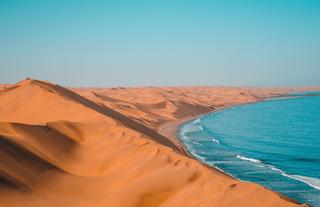
Set just 250 kilometres from the bustling capital of Namibia, the 10,000-hectare Intu Afrika Kalahari Game Reserve presents a landscape of unparalleled natural splendour. Deep red and clay-coloured dunes fan into the distance, decorated with areas of grasslands, shrubs, and trees. The park is home to an impressive array of wildlife, including black wildebeest, springbok, oryx, giraffe, and a large population of meerkats. This is the perfect place to learn about the ancient way of life; visitors can follow a !Kung guide through the desert and learn survival techniques. Make sure to take a look at the exquisite handmade crafts in the village. Hiking, 4x4 excursions, and quad-biking will appeal to adrenaline seekers.


Windhoek, de hoofdstad van Namibië, ligt in het hart van het land te midden van de glooiende Khomas Highlands, waar weidse luchten en droge savanne een compacte, ordelijke stad omlijsten. Het combineert het Duitse koloniale erfgoed met een hedendaagse Afrikaanse identiteit en creëert een rustige, ingetogen sfeer in plaats van een bruisende metropool. Bezienswaardigheden zoals de Christuskirche en het Tintenpalast liggen naast moderne openbare gebouwen, terwijl levendige markten en cafés het dagelijkse Namibische leven onthullen. Bezoekers kunnen musea verkennen, door schaduwrijke straten slenteren of de stad gebruiken als toegangspoort tot de omliggende wildernis- en safarigebieden. De lucht is vaak droog en helder, met de geur van stof en jacarandabloesems, terwijl heuvels in de verte gloeien bij zonsondergang. Windhoek biedt een zachte kennismaking met de landschappen en cultuur van Namibië, waarbij ruimte, licht en rust de aantrekkingskracht bepalen.


