


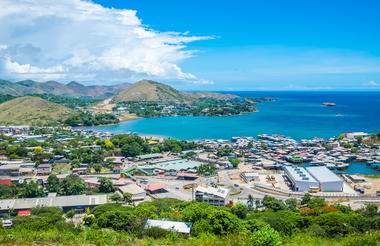
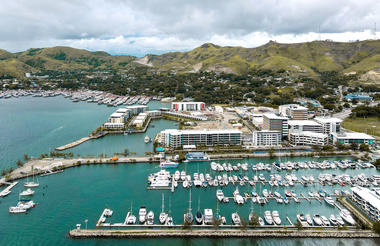
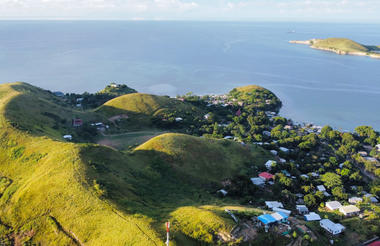
Also known as Pom Town, Port Moresby is the capital of Papua New Guinea. The city is comprised of a diverse collection of spread-out neighbourhoods, from modern office areas and a glitzy marina full of yachts to sprawling shanty towns. While the capital’s star attraction is the small peaceful Loloata Island, where wallabies still hop freely, other popular attractions include the National Museum and Art Gallery, home to one of the world’s best primitive art collections, and the National Capital Botanical Gardens, filled with birds of paradise, cassowaries and tree kangaroos. Don’t miss the traditional stilt villages of Hanuabada Poreporena on the outskirts of the city, which perch precariously over the water's edge.
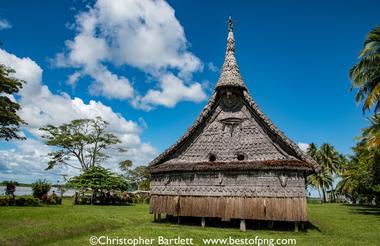
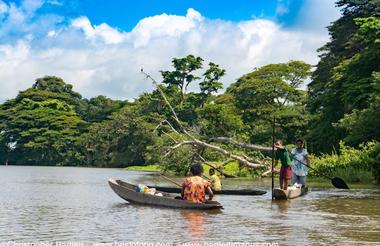
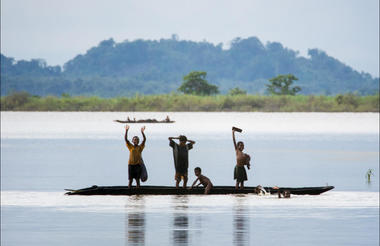
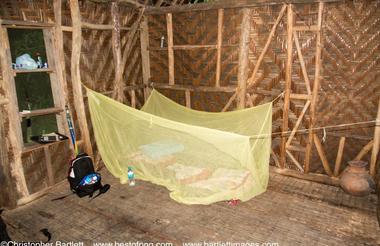
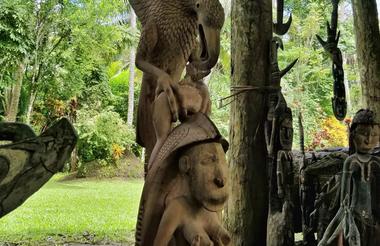
The Sepik River is Papua New Guinea's longest river and one of its largest, supporting a rich ecological system. The lush tropical jungle, rolling mountains and wide waterway here are reminiscent of Amazonia, and the region has an equally captivating heritage and superb biodiversity of wildlife. Rustic riverside villages built of natural materials and warm, welcoming people who still practise age old rituals and traditions. It is possible to visit some of these remote outposts to experience their rich culture, and peruse some of their unique weavings, carvings and other handicrafts. Birdwatchers will be in their element here, with such rare and exotic species as the blue bird of paradise and the fire maned bowerbird to be spotted.
As previously described
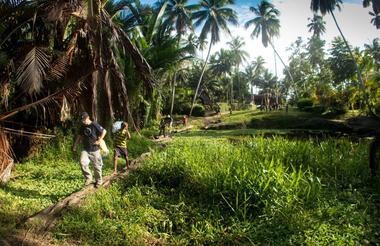
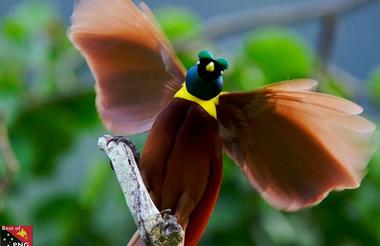
The Tari Valley is a remarkably scenic area in Papua Guinea known for its fertile valleys, mighty rivers, breathtaking waterfalls and rugged mountain terrain. The area is home to the colourful Huli people who are known primarily for their unique rite of passage where young men endeavour to cultivate their own hair which is then shorn, adorned with feathers, and worn by the grower as a badge of honour. Visitors can enjoy interacting with these local Huli wigmen and can witness some fascinating tribal dancing and ritualistic ceremonies. There are plenty of handicrafts on offer including, intricately decorated bows and arrows, and hand woven baskets. The bird life of the Tari Valley is internationally renowned with birdwatchers from over the world coming to to see the area’s famous Birds of Paradise.
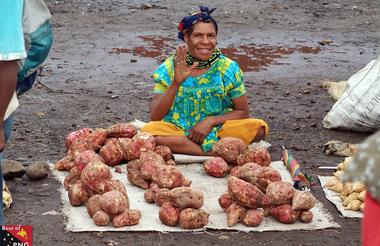
Mount Hagen is a city in the Western Highlands Province of Papua New Guinea overlooking the spectacularly scenic Waghi Valley. The area is home to the Melpa people who, in the face of ever encroaching modernity, continue to live largely traditional subsistence lifestyles. The town’s population is around 50,000 and increases significantly for the Mount Hagen Show, an annual dance festival where costumed locals come from all over the country to represent their tribe in an extravagant sing- and dance-off. Those not lucky enough to visit during these annual festivities can get a taste of the action at the Mount Hagen market which is a bustling meeting place filled with colourful fruits, scurrying chickens, and some fabulously friendly locals dressed in fascinating native attire.
There are numerous excellent spots for bird watching, and half-a-dozen different species can be found in a day witht eh help of a good guide, more over a longer periods if one is patient.
As previously described


