Top Attractions and Experiences
Rwanda offers a remarkable range of experiences for adventure seekers, nature lovers, and cultural explorers alike:
1. Gorilla Trekking in Volcanoes National Park - The highlight of any Rwandan journey is trekking through the misty slopes of Volcanoes National Park to encounter the endangered mountain gorillas. This unforgettable experience connects visitors with one of the planet’s most extraordinary species in its natural habitat.
2. Akagera National Park - Located in eastern Rwanda, Akagera is a success story of wildlife conservation. The park now hosts the Big Five — lions, elephants, leopards, rhinos, and buffalo — alongside giraffes, zebras, and antelopes, set against a backdrop of savannah plains, lakes, and wetlands.
3. Nyungwe Forest National Park - In the southwest, Nyungwe Forest is a biodiversity hotspot, home to chimpanzees, colobus monkeys, and over 300 bird species. Visitors can enjoy thrilling canopy walks, forest hikes, and encounters with unique primates in one of Africa’s oldest rainforests.
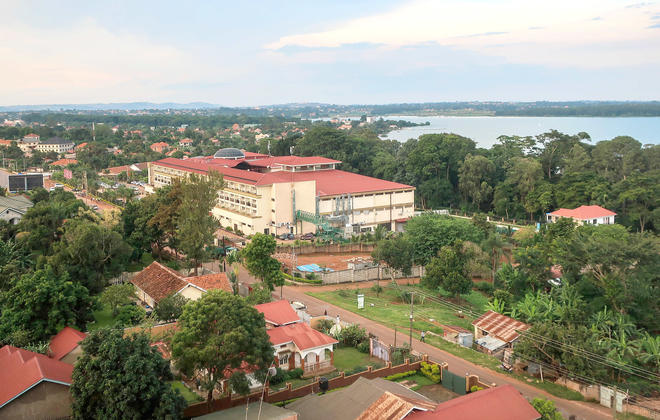
4. Lake Kivu - Rwanda’s largest lake, Lake Kivu, offers peaceful beaches, water activities, and stunning sunset views. The lakeside towns of Gisenyi, Kibuye, and Cyangugu provide relaxing retreats ideal for swimming, kayaking, or exploring local fishing communities.
5. Kigali – The Vibrant Capital - Kigali, Rwanda’s clean, safe, and modern capital, is often praised as one of Africa’s most progressive cities. The Kigali Genocide Memorial offers a moving tribute to the nation’s resilience, while the city’s art galleries, cafés, and cultural markets reflect a forward-looking, creative spirit.
People and Culture - Rwanda’s greatest strength lies in its people — proud, peaceful, and united. Since the 1994 genocide, the nation has undergone a remarkable transformation, embracing reconciliation and progress. Today, Rwanda is celebrated for its safety, cleanliness, and community-driven values.
The Rwandan people are known for their warmth and hospitality, welcoming visitors with genuine smiles and a sense of pride in their country. Traditional music, dance, and crafts form an integral part of daily life, offering travellers a glimpse into the nation’s vibrant cultural heritage.
Best Time to Visit
Dry Seasons (June – September and December – February): The best time for gorilla trekking, chimpanzee tracking, and wildlife viewing. Trails are easier to navigate, and park conditions are excellent.
Wet Seasons (March – May and October – November): The countryside is lush and green, birdlife is abundant, and photography conditions are superb — though trails can be muddy.
Why Visit Rwanda
Rwanda is a place of transformation and tranquility — where breathtaking landscapes, rare wildlife, and an inspiring national spirit come together. Whether trekking with gorillas in the mist, exploring the shores of Lake Kivu, or discovering Kigali’s modern charm, visitors are touched by the country’s profound beauty and sense of hope.
Compact, clean, and incredibly scenic, Rwanda is one of Africa’s most uplifting destinations — truly a land of a thousand hills and a million smiles.
Key Highlights
Volcanoes National Park – Home to the endangered mountain gorillas
Akagera National Park – The Big Five in a restored savannah wilderness
Nyungwe Forest – Ancient rainforest with chimpanzees and canopy walks
Lake Kivu – Serene beaches and lakeside getaways
Kigali – Modern, clean, and culturally vibrant capital city
Warm, United People – A story of resilience and renewal
Kigali – Rwanda’s Vibrant Capital of Hills, Culture, and Renewal
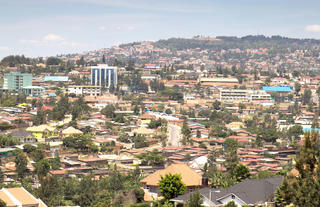
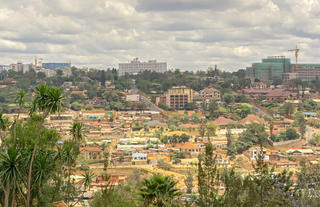
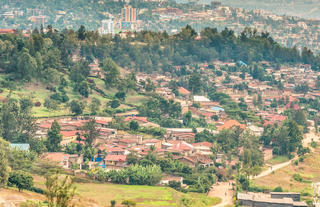
Perched at an elevation of approximately 1,850 metres above sea level, Kigali, the capital of Rwanda, unfolds across a tapestry of rolling green hills and lush valleys, earning its reputation as one of Africa’s cleanest and most scenic cities. This dynamic metropolis is the nation’s financial, commercial, and cultural heart, where the energy of modern Africa blends harmoniously with the warmth of traditional Rwandan hospitality.
From its poignant historical landmarks to its thriving arts and culinary scenes, Kigali offers a captivating mix of reflection, creativity, and contemporary sophistication.
Location – Central Rwanda
Kigali sits almost exactly in the geographical centre of Rwanda, making it the country’s natural hub for travel, commerce, and government. The city’s hilly terrain offers panoramic views from nearly every corner, while Mount Kigali, to the southwest, provides a scenic backdrop and a haven for hikers seeking lush trails and tranquil forest paths.
Unique Features
- City of a Thousand Hills - Kigali’s nickname reflects its breathtaking landscape of undulating hills, terraced slopes, and valley neighbourhoods. Each district has its own character — from the business towers of Nyarugenge to the leafy avenues of Kacyiru and the vibrant streets of Nyamirambo.
- Kigali Genocide Memorial - One of Rwanda’s most significant and moving sites, the Kigali Genocide Memorial honours the memory of the more than one million people who perished in the 1994 Genocide against the Tutsi. The museum provides a powerful and educational experience that celebrates resilience and reconciliation.
- Mount Kigali - Rising above the city, Mount Kigali offers hiking and cycling trails, scenic viewpoints, and encounters with local wildlife amid lush vegetation. It’s also home to several eco-lodges and cafés where visitors can unwind while taking in the city skyline.
- Cultural Renaissance - Kigali has emerged as a hub of Rwandan creativity, home to a burgeoning arts scene. The Inema Arts Center and Niyo Art Gallery showcase the vibrant work of local artists, sculptors, and musicians, reflecting Rwanda’s spirit of renewal.
- Architectural & Religious Heritage - The Uganda National Mosque, commissioned by Libya’s late leader Muammar Gaddafi, stands as a striking landmark symbolising unity and religious coexistence. Its gleaming minarets and ornate interior contrast beautifully with the city’s green surroundings.
Activities in the Area
Historical & Cultural Exploration: Visit the Kigali Genocide Memorial, Camp Kigali Memorial, and Presidential Palace Museum for deep insight into Rwanda’s past and journey toward peace.
Art & Design: Discover Rwanda’s creative soul at Inema Arts Center, Kigali Arts House, or Niyo Collective, where artists redefine contemporary African art.
Culinary Experiences: Sample Rwandan and international cuisine at acclaimed restaurants like Heaven, Khana Khazana, and Repub Lounge, or experience a traditional Rwandan milk bar, serving freshly fermented or sweetened milk beverages.
Shopping & Markets: Immerse yourself in the bustling Kimironko Market, overflowing with colourful textiles, crafts, and local produce. For upscale souvenirs, visit Kigali Cultural Village or Azizi Life Boutique.
Outdoor Adventures: Hike up Mount Kigali or explore the scenic trails of Nyamirambo, where local guides offer storytelling walking tours through the city’s oldest and liveliest district.
Nightlife & Music: Experience Kigali’s vibrant evenings at rooftop bars, jazz cafés, and clubs, particularly around Remera and Nyamirambo, where traditional beats and Afrofusion sounds fill the air.
Travel Information
How to Get There
By Air: Kigali International Airport (KGL) is Rwanda’s main gateway, offering direct connections to major African and international cities including Nairobi, Addis Ababa, Brussels, and Dubai.
By Road: Kigali is well-connected via modern highways to Uganda, Tanzania, Burundi, and the Democratic Republic of Congo, making it an ideal starting point for regional exploration.
Travel Distances
Kigali → Volcanoes National Park: ~110 km / 2.5 hours
Kigali → Akagera National Park: ~120 km / 2.5 hours
Kigali → Nyungwe National Park: ~220 km / 5 hours
Kigali → Lake Kivu (Kibuye): ~130 km / 3 hours
Best Time to Visit
Dry Season (June – September & December – February): Ideal for city exploration, hiking, and day trips to Rwanda’s national parks.
Wet Season (March – May & October – November): The city is lush and green, with fewer crowds and pleasant temperatures.
Why Visit Kigali
Kigali stands as a symbol of modern Africa’s transformation — a city reborn from tragedy into a beacon of innovation, peace, and sustainability. It blends urban sophistication with natural beauty, offering travellers a glimpse of Rwanda’s forward-thinking future while honouring its rich cultural roots.
Whether you’re hiking its hills, exploring its art galleries, reflecting at its memorials, or indulging in its food scene, Kigali promises an experience that is both deeply moving and refreshingly modern.
Key Attractions
Kigali Genocide Memorial
Mount Kigali Trails & Viewpoints
Inema Arts Center & Niyo Art Gallery
Kimironko Market & Local Craft Shops
Uganda National Mosque (Gaddafi Mosque)
Nyamirambo District – Culture & Nightlife
Kigali Museum of Environment & Coffee Culture

Volcanoes National Park – Rwanda’s Gorilla Kingdom
Volcanoes National Park is Rwanda’s most celebrated wildlife destination — a mystical land of mist-covered mountains, dense rainforest, and the world-famous mountain gorillas.
Set within the Virunga volcanic range, the park is a place of breathtaking beauty and profound wildlife encounters, where visitors can come face-to-face with one of the planet’s most endangered and awe-inspiring species.
Covering 160 square kilometres in Rwanda’s northwest, this park is not just a safari destination — it’s a journey into one of Africa’s most emotional and unforgettable wilderness experiences.
Location – Rwanda
Volcanoes National Park lies in the northwest of Rwanda, bordering Uganda’s Mgahinga Gorilla National Park and DR Congo’s Virunga National Park. The park is part of the Virunga Conservation Area, a transboundary ecosystem that safeguards one-third of the world’s remaining mountain gorillas.
The park is about 116 kilometres (2.5 hours’ drive) from Kigali, making it easily accessible for short gorilla trekking safaris or as an extension to classic East African wildlife circuits from Tanzania or Kenya.
The region’s striking volcanic peaks — Karisimbi, Bisoke, Muhabura, Gahinga, and Sabyinyo — dominate the skyline and create an otherworldly backdrop for wildlife and adventure.
Unique Features
Mountain Gorillas: Home to over one-third of the world’s mountain gorillas, Volcanoes offers unmatched trekking experiences with habituated gorilla families.
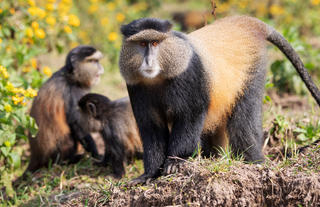
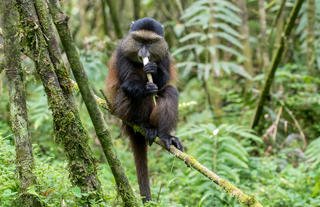
Golden Monkeys: Endangered and endemic to the Virunga Mountains, these agile primates are another highlight of the park.
Volcanic Landscapes: Five majestic volcanoes rise dramatically from lush rainforest, providing exceptional hiking opportunities.
Dian Fossey Legacy: The park was home to Dian Fossey’s Karisoke Research Centre, where she pioneered gorilla conservation and inspired global awareness.
Rich Biodiversity: Beyond primates, the park supports 200+ bird species, forest buffalo, elephants, and a diverse flora including orchids and giant lobelias.
Activities in the Area
Volcanoes National Park offers a wide range of unforgettable eco-tourism and adventure activities:
Gorilla Trekking: Follow experienced guides deep into the forest to spend an hour with a gorilla family — a truly once-in-a-lifetime experience.
Golden Monkey Trekking: Observe these rare, lively primates in their bamboo forest habitat.
Volcano Hiking: Climb Mount Bisoke for panoramic crater lake views, or tackle Mount Karisimbi (Rwanda’s highest peak) for a challenging adventure.
Dian Fossey Hike: Visit the historic research camp and tomb of Dian Fossey, located between Bisoke and Karisimbi.
Nature Walks & Birdwatching: Explore forest trails alive with orchids, butterflies, and colourful birdlife.
Cultural Encounters: Visit the nearby Iby’Iwacu Cultural Village, where local communities share Rwandan traditions, dance, and crafts.
Travel Information
How to Get There
By Road: From Kigali, it’s about 2.5 hours (116 km) north via Musanze to the park headquarters at Kinigi. Roads are well-paved and scenic, passing through Rwanda’s rolling “Land of a Thousand Hills.”
By Air: Helicopter transfers are available from Kigali International Airport to Musanze or Kinigi, offering a fast and scenic route over Rwanda’s mountainous landscapes.
Travel Distances
Arusha → Kigali: ~9–10 hours by flight (via Dar es Salaam or Nairobi)
Serengeti → Kigali: ~3.5–4 hours by flight (via Mwanza or Entebbe)
Kigali → Volcanoes National Park: ~2.5 hours (116 km)
Best Time to Visit
Dry Season (July – October & December – February): The best time for gorilla trekking and hiking — forest trails are drier, visibility is better, and wildlife viewing conditions are ideal.
Wet Season (March – June & November): The park is lush and green, perfect for photography and birdwatching. Fewer tourists mean a quieter, more personal trekking experience, though trails can be slippery.
Why Include Volcanoes National Park in Your African Safari Itinerary
Volcanoes National Park is one of Africa’s most emotionally profound and exclusive wildlife experiences — the chance to stand mere metres from a family of mountain gorillas in their natural habitat.
It’s a perfect addition to a Tanzania safari, easily combined with the Serengeti, Ngorongoro Crater, or Tarangire, via flights to Kigali. Travellers can enjoy the best of both worlds — the wide-open savannahs of East Africa and the intimate rainforests of the Virunga Mountains.
Key Attractions
Mountain Gorilla Trekking – intimate encounters with one of the world’s rarest species
Golden Monkey Trekking – playful and colourful primates unique to the Virungas
Volcano Hiking – spectacular views from Bisoke and Karisimbi peaks
Dian Fossey Research Site – a conservation legacy and historic trek
Cultural Experiences – Rwandan village visits
Proximity to Kigali – easy access for short or combined safaris



Uganda – The Pearl of Africa
Nicknamed the “Pearl of Africa” by Winston Churchill, Uganda is a land of extraordinary beauty and diversity. From the golden plains of Queen Elizabeth National Park to the misty peaks of the Rwenzori Mountains and the lush, tropical forests of Bwindi, Uganda embodies the heart and soul of Africa. It is a country where dramatic landscapes, warm hospitality, and remarkable wildlife come together to create an unforgettable experience.
Famed for its mountain gorillas, tree-climbing lions, and the source of the Nile, Uganda offers a perfect balance of adventure, serenity, and cultural richness.
Location and Geography
Situated in East Africa, Uganda shares borders with Kenya to the east, Tanzania and Rwanda to the south, South Sudan to the north, and the Democratic Republic of Congo to the west. Its landscape is defined by rolling savannahs, crater lakes, and the mighty Nile River flowing northward from Lake Victoria, the largest lake in Africa.
To the west, the Rwenzori Mountains — the fabled “Mountains of the Moon” — rise dramatically, capped with glaciers and mist. The fertile central and southern regions are covered in dense forests and farmlands, while the northern plains are more open and arid, ideal for wildlife safaris.
Top Attractions and Experiences
Uganda offers travellers a blend of thrilling wildlife encounters, cultural heritage, and scenic adventure:
1. Gorilla Trekking and Forest Adventures
Bwindi Impenetrable National Park and Mgahinga Gorilla National Park are home to more than half of the world’s remaining mountain gorillas. Guided treks through the rainforest provide a once-in-a-lifetime opportunity to observe these majestic creatures up close.
2. Wildlife Safaris
Queen Elizabeth National Park is renowned for its tree-climbing lions, hippos, elephants, and flamingos along the Kazinga Channel.
Murchison Falls National Park offers breathtaking views where the Nile River surges through a narrow gorge, creating one of the world’s most powerful waterfalls.
Kidepo Valley National Park, in the remote north, is one of Africa’s last true wilderness areas — raw, untamed, and spectacular.
3. Adventure and Outdoor Activities
The Nile River at Jinja is Africa’s adrenaline capital, offering white-water rafting, kayaking, bungee jumping, and quad biking.
The country’s crater lakes, volcanic hills, and mountain ranges invite hiking, birdwatching, and nature exploration.
4. Culture and Cities
Kampala, Uganda’s bustling capital, blends modern urban life with deep-rooted tradition. It’s known for its vibrant nightlife, music, and dining.
Visitors can also experience traditional village life, colourful markets, and cultural performances that reflect the country’s over 50 ethnic groups, including the Baganda, Banyankole, Basoga, and Acholi.
People and Culture
Ugandans are celebrated for their warmth and friendliness — a hallmark that has earned the country the title of “Africa’s friendliest nation.” The population is ethnically diverse yet united through a shared love of music, dance, and storytelling.
The influence of traditional African heritage, British colonial history, and modern East African culture has created a dynamic society. Local cuisine is hearty and flavourful, featuring dishes such as matoke (plantains), luwombo (stewed meat or fish), and rolex (a rolled omelette with chapati).
Best Time to Visit
Dry Season (June – September, December – February): Ideal for gorilla trekking, safaris, and outdoor activities. Wildlife is easiest to spot during these months.
Wet Season (March – May, October – November): The landscape turns lush and green, birdwatching is at its best, and parks are quieter with fewer visitors.
Why Visit Uganda
Uganda is a destination of rare authenticity — wild, welcoming, and deeply soulful. Whether tracking gorillas in the misty forests of Bwindi, cruising the Nile at sunset, or exploring the savannahs of Queen Elizabeth National Park, every journey is filled with awe and wonder.
With its mix of adventure, wildlife, and cultural richness, Uganda stands as one of Africa’s most rewarding and unspoiled travel destinations — a true Pearl of Africa.
Key Highlights
Bwindi Impenetrable Forest – Home to half the world’s mountain gorillas
Queen Elizabeth National Park – Tree-climbing lions and flamingo-filled lakes
Murchison Falls – The Nile’s most dramatic and powerful waterfall
Jinja – Source of the Nile and Africa’s adventure capital
Rwenzori Mountains – Snow-capped “Mountains of the Moon”
Warm, Welcoming People – Over 50 ethnic groups united in hospitality
Kibale National Park – The Primate Capital of the World
Kibale National Park, also known as Kibale Forest National Park, is one of Uganda’s most enchanting destinations — a lush, tropical paradise celebrated for its incredible primate diversity, breathtaking crater lakes, and vibrant jungle landscapes.
Located in Western Uganda, this pristine rainforest is often called the “Primate Capital of the World” for its unrivalled population of chimpanzees and variety of monkey species.
Covering 795 square kilometres, Kibale’s dense canopy, rolling hills, and scenic trails create the perfect environment for both wildlife and adventure seekers.
Location – Uganda
Situated near the foothills of the Rwenzori Mountains, between Queen Elizabeth National Park and Murchison Falls, Kibale National Park lies about 310 kilometres (5–6 hours) west of Kampala and just 26 kilometres southeast of Fort Portal town.
Its landscape is a captivating mix of tropical rainforest, woodland, and grassland, interspersed with sparkling crater lakes and small communities that add cultural richness to the region.
Unique Features
Unrivalled Primate Diversity: Kibale hosts 13 species of primates, the highest density in East Africa. Highlights include chimpanzees, red-tailed monkeys, L’Hoest’s monkeys, grey-cheeked mangabeys, and red colobus and black-and-white colobus monkeys.
Chimpanzee Tracking & Habituation: The park offers one of Africa’s premier chimpanzee tracking experiences. Visitors can spend an hour observing these fascinating apes or opt for a habituation experience, spending a full day with researchers.
Rich Wildlife & Birdlife:
While elusive, forest elephants, buffalo, bushbuck, sitatunga, and leopard roam the forest. The park is also home to over 300 bird species and 250 species of butterflies, making it a haven for birdwatchers and naturalists.Crater Lake Region: Surrounding Kibale, the Ndali–Kasenda Crater Lakes form a stunning landscape of turquoise volcanic lakes, rolling hills, and fertile plantations.
Cultural Encounters: Engage with the Batoro people, who inhabit the region. Cultural tours reveal their traditional songs, dances, storytelling, and age-old healing practices.
Activities in the Area
Kibale National Park offers an unforgettable combination of wildlife encounters, scenic exploration, and cultural discovery:
Chimpanzee Tracking: Join expert guides on a morning or afternoon trek to meet Kibale’s habituated chimpanzee groups in their natural environment.
Primate Walks: Encounter up to 13 primate species on guided forest walks — one of the richest primate-viewing experiences in Africa.
Birdwatching: Spot colourful species such as the African pitta, great blue turaco, black bee-eater, and green-breasted pitta, a regional rarity.
Nature & Hiking Trails: Explore a network of scenic forest trails leading to crater lakes, waterfalls, and canopy viewpoints.
Bigodi Wetland Sanctuary: A community-run reserve adjacent to the park, known for primates, birds, and excellent photographic opportunities.
Cultural Experiences: Visit local villages for Batoro music, dance, crafts, and traditional ceremonies.
Crater Lake Exploration: Hike around the spectacular Ndali–Kasenda crater lakes, with panoramic views and peaceful picnic spots.
Travel Information
How to Get There
By Road: About 310 km (5–6 hours) west of Kampala via Fort Portal on well-maintained roads.
By Air: Scheduled flights operate from Entebbe or Kajjansi Airstrip to Kasese or Semuliki Airstrips, followed by a 1–2-hour drive to the park headquarters.
Travel Distances
Entebbe → Kibale: ~1.5 hours by air / 5–6 hours by road
Kibale → Queen Elizabeth National Park: ~2.5 hours (150 km)
Kibale → Murchison Falls National Park: ~6 hours (350 km)
Kibale → Bwindi Impenetrable Forest: ~6–7 hours (400 km)
Best Time to Visit
Dry Season (June – September & December – February): Ideal for chimpanzee tracking and forest walks — trails are drier and wildlife is easier to spot.
Wet Season (March – May & October – November): Lush vegetation and excellent birdwatching conditions, though trails can be muddy.
Why Include Kibale National Park in Your African Safari Itinerary
Kibale National Park offers one of Africa’s most rewarding primate and forest experiences. With its lush rainforest, abundant wildlife, and vibrant culture, it’s a must-visit for nature enthusiasts, photographers, and adventure travellers alike.
Its strategic location between Murchison Falls, Queen Elizabeth, and Bwindi Impenetrable Forest makes it an essential stop on any Uganda safari circuit, combining seamlessly with gorilla trekking and savannah game viewing.
Key Attractions
Chimpanzee Tracking – premier primate experience in East Africa
Bigodi Wetland Sanctuary – community-run eco-tour with rich biodiversity
13 Primate Species – including red colobus and L’Hoest’s monkey
Ndali–Kasenda Crater Lakes – scenic volcanic landscapes
Cultural Encounters – traditional Batoro music and healing rituals
Birding Paradise – 300 bird species and rare Albertine Rift endemics


Entebbe – Uganda’s Gateway on Lake Victoria
Nestled on the shores of Lake Victoria, Entebbe lies just 40 kilometres south of Kampala, serving as both Uganda’s main international gateway and a tranquil introduction to the country’s natural beauty.
This charming lakeside town blends colonial-era ambience, lush tropical scenery, and rich biodiversity, making it an ideal base for visitors arriving or departing on their Ugandan adventure.
Location – Central Uganda
Entebbe is located on a picturesque peninsula along Lake Victoria, Africa’s largest freshwater lake.
Home to Entebbe International Airport, Uganda’s primary point of entry, the town enjoys a peaceful setting with wide, tree-lined streets, gardens, and gentle lake breezes that create a relaxed atmosphere — a striking contrast to the energy of nearby Kampala.
Unique Features
Lakeside Charm: Entebbe’s waterfront location offers stunning lake views, sandy beaches, and serene sunsets. The town’s proximity to Lake Victoria allows visitors to enjoy a range of water-based activities including boat cruises, fishing, and island excursions.
Botanical Heritage: The Entebbe Botanical Gardens, established in 1898, are among the oldest in Africa. Spanning 40 hectares, they showcase a variety of plant species — from indigenous tropical forest to ornamental gardens — and serve as a haven for birds, butterflies, and primates.
Wildlife & Nature: The area around Entebbe supports rich biodiversity, from the black-and-white colobus monkeys in the gardens to the shoebill storks of the nearby Mabamba Swamp, one of the world’s best birding sites.
Peaceful Gateway City: Unlike the bustling capital, Entebbe offers a calm lakeside retreat with quality hotels, restaurants, and cultural sites — perfect for travellers before or after safari adventures.
Activities in the Area
Entebbe offers a wide variety of activities combining nature, wildlife, and culture:
Entebbe Botanical Gardens: Stroll through lush landscapes home to palm nut vultures, giant kingfishers, black-and-white colobus monkeys, and an array of tropical flora.
Mabamba Swamp Birding Excursion: Just west of town lies the Mabamba Wetland, a designated Ramsar Site and prime habitat for the rare shoebill stork. Explore by dugout canoe for an unforgettable birdwatching experience.
Ngamba Island Chimpanzee Sanctuary: Visit this 40-hectare island on Lake Victoria, home to over 50 orphaned chimpanzees cared for by the Jane Goodall Institute. Watch them feed, play, and roam freely in a protected environment.
Lake Victoria Cruises & Fishing Trips: Enjoy scenic sunset cruises, fishing excursions for Nile perch, or relaxing boat rides along the lake’s edge.
Uganda Wildlife Conservation Education Centre (UWEC): Formerly known as the Entebbe Zoo, UWEC is a rescue and rehabilitation centre for native wildlife, providing educational experiences for visitors.
Cultural & Historical Tours: Explore colonial landmarks, craft markets, and local fishing villages to get a taste of Entebbe’s heritage and daily life.
Travel Information
How to Get There
By Air: Entebbe International Airport is Uganda’s main aviation hub, serving direct flights from major cities across Africa, the Middle East, Europe, and beyond.
By Road: Entebbe is a scenic 45-minute drive (40 km) from Kampala, connected via the Entebbe Expressway, a modern toll highway that ensures smooth access to the city.
Travel Distances
Kampala → Entebbe: ~45 minutes (40 km)
Entebbe → Jinja: ~2.5 hours (120 km)
Entebbe → Lake Mburo National Park: ~4 hours (250 km)
Entebbe → Murchison Falls National Park: ~6 hours (305 km)
Entebbe → Queen Elizabeth National Park: ~8 hours (410 km)
Best Time to Visit
Dry Season (June – September & December – February): Ideal for birdwatching, chimpanzee excursions, and lake cruises with minimal rainfall.
Wet Season (March – May & October – November): The gardens and wetlands are lush and vibrant, with peak bird activity and fewer crowds.
Why Include Entebbe in Your African Safari Itinerary
Entebbe is the perfect arrival or departure point for any Uganda safari — offering comfort, relaxation, and a gentle introduction to the country’s natural splendour.
Its combination of wildlife experiences, botanical beauty, and accessibility makes it more than just a transit stop — it’s a destination in itself.
Whether it’s a birding excursion at Mabamba, a chimpanzee encounter at Ngamba Island, or a sunset cruise on Lake Victoria, Entebbe provides a serene and scenic start or finish to your East African adventure.
Key Attractions
Lake Victoria – Africa’s largest freshwater lake
Entebbe Botanical Gardens – established in 1898, a paradise for flora, birds, and primates
Mabamba Swamp – Ramsar Wetland and shoebill hotspot
Ngamba Island Chimpanzee Sanctuary – protected home for rescued chimps
Uganda Wildlife Education Centre (UWEC) – conservation and education hub
Beaches & Cruises – relaxing lakeside escapes
Cultural Markets & Fishing Villages – local life and craft shopping