

Spanning more than 172,000 hectares and encompassing several distinct desert ecosystems, the NamibRand Nature Reserve in southern Namibia is one of the largest private nature reserves in Southern Africa. Founded to conserve the unique ecosystem and biodiversity of the Namib Desert, the reserve's mix of dunes, mountains, rocky outcrops, sandy flats, and gravel plains provides habitats for a diversity of mammals, including hyenas, jackals, foxes, antelopes, and various wild cats. The reserve is also home to numerous bird species, reptiles, insects, and amphibians, alongside an array of plant species. Discover the mysterious fairy circles, enigmatic bare patches in the desert landscape whose origins remain the subject of scientific debate, or enjoy a night of sublime stargazing; as Africa's first International Dark Sky Reserve, it is one of the least light-polluted areas in the world.
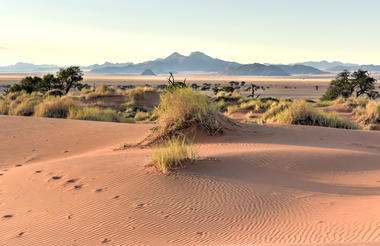
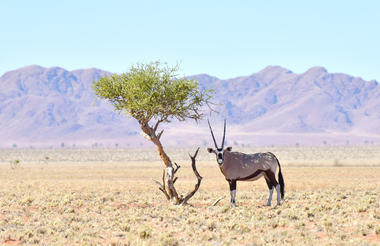
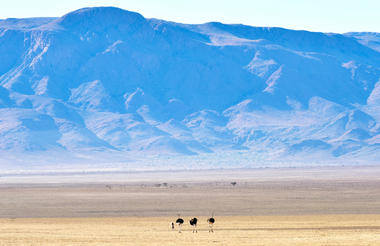
Stretching from the Swakop River to southern Angola, Namibia’s Skeleton Coast – often referred to as the ‘Land God Made in Anger’ – is a place of raw beauty and dramatic contrast. Here, vast expanses of sandy desert dotted with shipwreck remains meet the cold Atlantic Ocean, where dense coastal fog rolls inland, shaping this stark yet captivating landscape. Towering dunes, windswept plains, and seal colonies define a coastline that feels both remote and untamed.
Despite its harsh conditions, the region supports an extraordinary array of wildlife. Seabird colonies and Cape fur seals thrive along the shore, while inland, dry river systems sustain desert-adapted species such as elephant, lion, zebra, and gemsbok. The life-giving Atlantic fog plays a crucial role in this delicate ecosystem, enabling both flora and fauna to endure. Defined by its scale, isolation, and ever-shifting light, the Skeleton Coast offers one of the most evocative and unforgettable wilderness experiences in Southern Africa.


Bordering Angola in northern Namibia, Kunene is both a region and a river system, defined by one of five of the country's few perennial rivers. The Kunene River is an invaluable source of water for the local semi-nomadic Himba people, and it has been the mainstay of their existence for hundreds of years. For travellers, the area offers a striking contrast between arid, rugged landscapes and lush riverine fringes. The river’s most striking feature is the magnificent Epupa Falls, which cascade over a distance of more than a kilometre downstream, with an impressive vertical drop of around 60 metres.
Exploration of Kunene is both diverse and immersive. Guests can enjoy scenic sundowner cruises along the river, guided walks through remote terrain, and excellent birdwatching along the water's edge. Cultural visits to traditional Himba villages offer meaningful insight into local customs and traditional heritage. Complemented by game viewing opportunities in this remote and scenic wilderness.


