At the foot of Mount Meru, whose volcanic cone dominates the northern skyline, Arusha is the administrative capital of the Arusha Region and the principal gateway to northern Tanzania's renowned safari circuit. Alongside its thriving tourism industry, the bustling city is a leading centre for business, diplomacy and international conferences in East Africa, hosting regional institutions and major political, commercial and conservation events throughout the year. German colonial buildings, modern offices and lively markets reflect Arusha's evolution from a colonial outpost into northern Tanzania's commercial hub, while cafés, hotels, craft centres and galleries contribute to its cosmopolitan atmosphere. Less than an hour from the city, Arusha National Park offers game drives and canoeing on the Momella Lakes beneath Mount Meru, while nearby coffee estates and cultural experiences introduce visitors to the region beyond the safari circuit.
Any Northern Tanzania Safari should ideally include a visit to Ngorongoro Crater: it is one of the most beautiful natural wildlife safari sites in the world and an exceptional place to interact with people from the Maasai tribe.
The Ngorongoro Crater and surrounding highlands together form one of Africa's most beautiful regions. Volcanic craters form stunning backdrops to some of the most fertile and richest grazing grounds in Africa. The most famous such crater is without question Ngorongoro, the world’s largest intact volcanic caldera and home to the highest density of big game in Africa, including all the big five and plenty of predators. Ngorongoro is justifiably one of the continent's most famous safari destinations.
Day trip or Game drive into the crater.
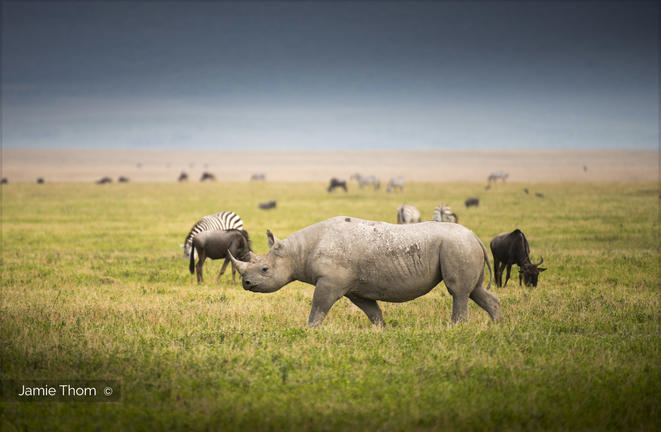
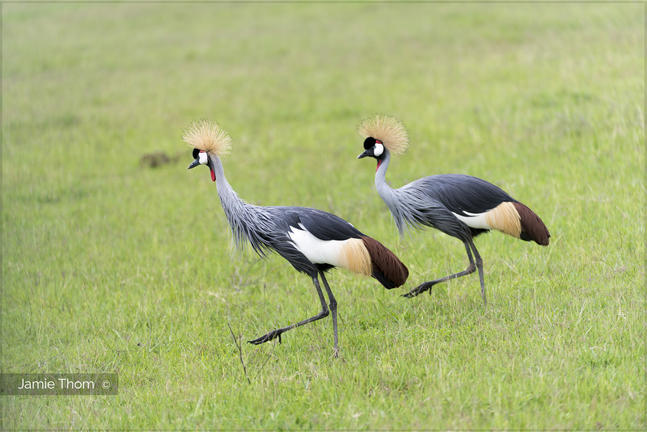
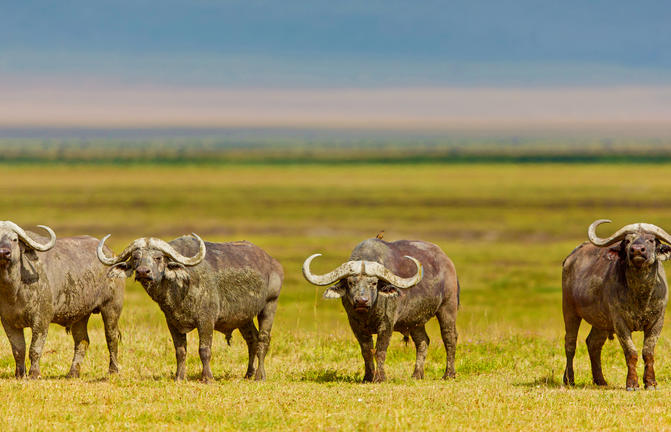
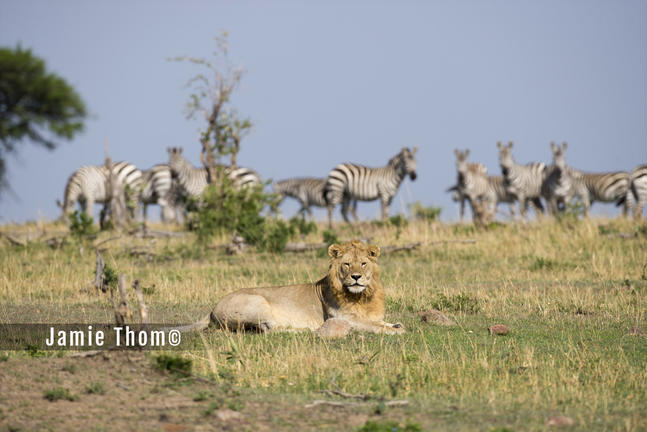
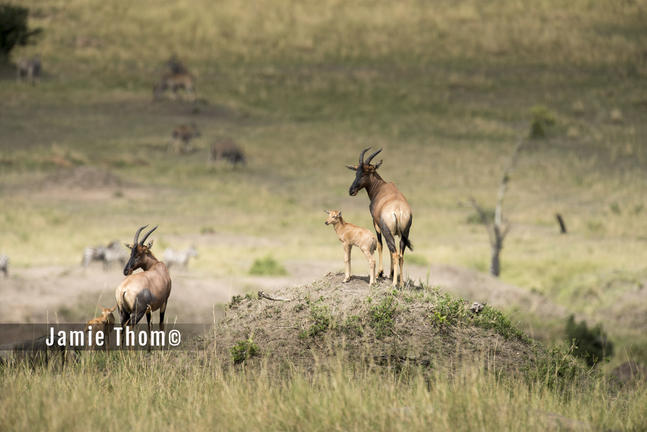
A day trip or morning game drive down into the Crater is the best place in Tanzania to see 'The Big Five', with a healthy population of black rhino and some of the largest tusker elephants left in Africa today, but the crater is also home to good populations of lion, leopard and hyena along with healthy herds of wildebeest, buffalo and zebra. Other wildlife here includes serval cat, cheetah, jackal, Grant's and Thompson's gazelle, flamingo and bat-eared foxes, as well as approximately 400 species of bird.
Activities inside the Ngorongoro Crater itself are limited to game driving; there are a couple of picnic spots in the park, but getting out of the vehicle is strictly limited to these areas. However, a full range of activities is on offer in the wider Ngorongoro Conservation Area, including walking, trekking, excursions to Olduvai Gorge and visiting the Masai and other tribes.
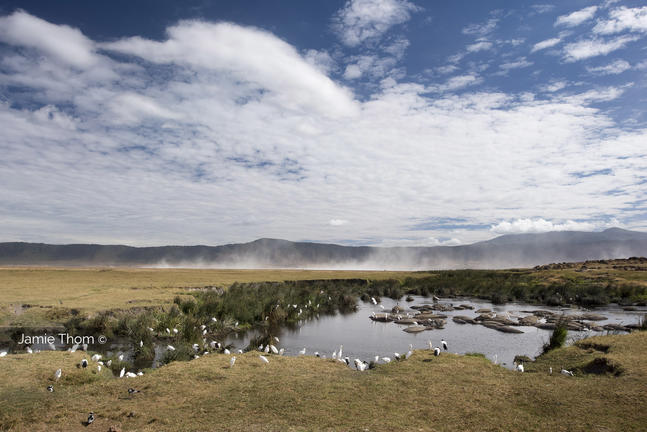

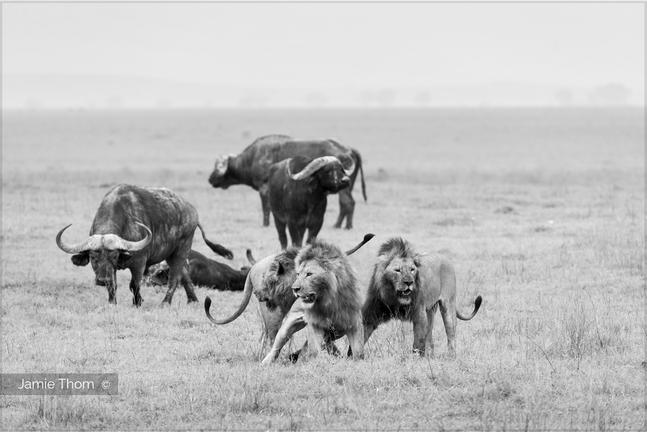
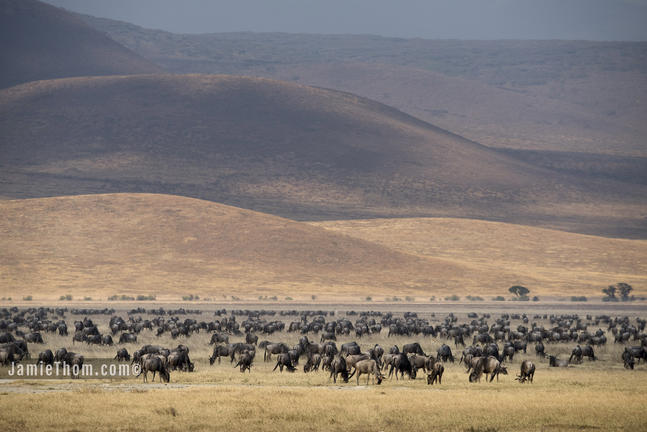
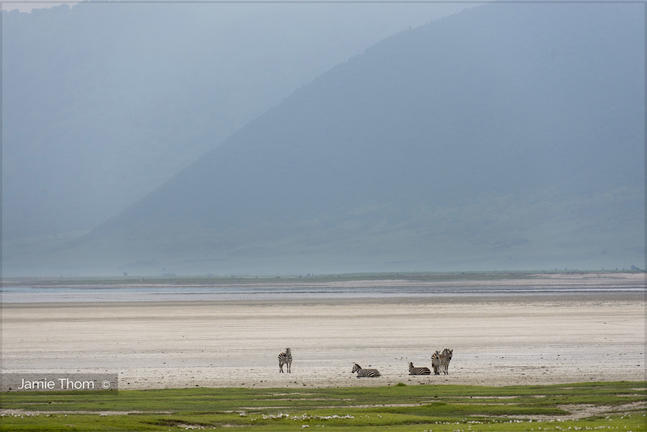





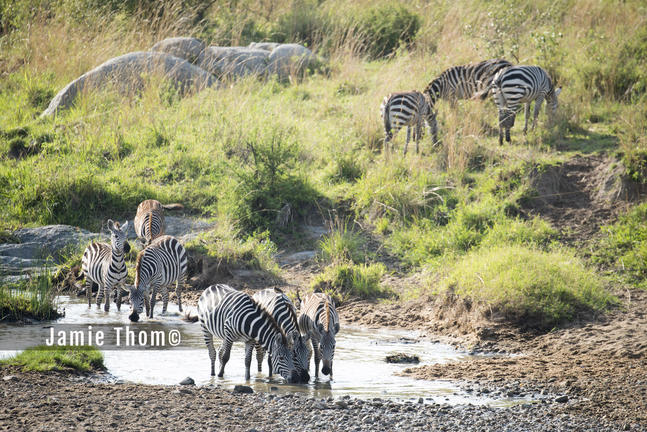
If you are visiting the Serengeti to view the migration we typically combine time in the central region, called Seronera and the park headquarters - it is one of the few regions of the park that has good water supply throughout the year, thus it has good viewing throughout the year. The great wildebeest and zebra migration may pass through the region anytime from November to December and again from March through April and May. So by staying here you are increasing your chances of spending time around the migration over those months. Aside from the wildlife, the beautiful rolling plains dotted with rocky outcrops and oversized boulders, as well as magnificent acacia trees make this a truly worthwhile few days.
Hot-air ballooning over the Serengeti plains is very popular and you can even do a horseback safari.
Please see our destination videos -
The Serengeti together with Kenya’s Masai Mara Game Park form Africa’s most famous wildlife park. The image of acacia trees on an endless grass plain epitomises Africa for many, and then add a Masai warrior and some cattle to the picture and the conversation need go no further. Unlike the southern plains of the Serengeti that dry out, forcing all but the hardiest of species to leave, the Northern Serengeti has water throughout the year and this is what attracts the migratory herds north. The wildebeest migration is the largest mass movement of land mammals on the planet – with more than a million animals following the rains. From July through to October the Migration is in the Northern Serengeti and this is where many of the most famous scenes of the Migration occur with almost daily crossings of the Mara River. But that is not where the game viewing ends; large prides of lions, elephants and giraffes in grasslands, gazelles and eland to mention but a few.
Please see our destination videos -


Located on the eastern coast of Zanzibar, at the southern end of the beautiful Kiwengwa Beach, Pongwe is a resort area known for its pristine natural beauty, featuring palm-dotted white-sand beaches lapped by calm crystalline waters. Pongwe’s natural beauty draws travellers from far and wide. This tropical beach paradise boasts a glittering crescent bay ideal for snorkelling and swimming. Visitors can enjoy a fishing trip on a traditional wooden dhow boat, soak up the African sun on unspoilt beaches, or jump on a snorkelling trip to the nearby Mnemba Atoll to discover a fascinating underwater paradise teeming with an array of marine life including turtles, sharks, dolphins and abundant coral gardens.