


Negombo is a lively coastal town on Sri Lanka's west coast, located just north of Colombo and within easy reach of the country's main international airport. Best known as a traditional fishing hub, it combines colonial heritage, bustling local life and a relaxed waterfront atmosphere, making it an ideal destination for the start or end of a Sri Lankan holiday. Visitors can explore the vibrant fish market, cruise the historic Dutch Canal and nearby lagoons, or discover centuries-old churches that reflect the town's multicultural history. Fresh seafood restaurants, beachfront cafés, and activities such as boat trips and kitesurfing add to Negombo's appeal, while its long sandy beach and colourful sunsets provide an enjoyable setting for unwinding.


Located on the beautiful island of Sri Lanka, along its stunning west coast, the off-the-beaten-track Wilpattu National Park is set close to the historical city of Anuradhapura. Dubbed the ‘Land of Lakes’, the park’s main feature is the many natural lakes, of which the park is named, that dot the northwest coast. Nature lovers will delight in the unspoilt wilderness, where eagle-eyed visitors can look forward to catching a glimpse of the local wildlife. Discover the area’s history and find the ancient ruins in the park, venture through the thick untouched jungle for a true wilderness safari experience and soak up the scenic landscapes blanketed in scrublands, wetlands and thick jungle. Commonly spotted species include: leopard, elephant, mongoose, sloth bear and a variety of wetland bird species such as egret, whistling teal, spoonbill, white Ibis, and many more.


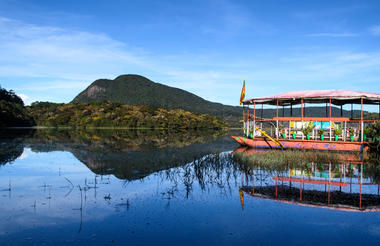
Situated towards the centre of the island of Sri Lanka, northeast of Dambulla, Habarana is the gateway to many of the region’s top attractions. The central highlight of the town is the beautiful Habarana Lake, around which bananas grow and elephants wander and bathe. Wildlife enthusiasts flock to the Minneriya and Kaudulla National Parks which are well populated with elephants and other wildlife. For those looking to take in some Sri Lankan culture, the sacred city of Anuradhapura, cave temples in Dambulla, and the UNESCO world heritage site of the Sigiriya Rock Fortress are all accessible from Habarana. A short 30 minute drive will take visitors to the magnificent Golden Buddha in Dambulla. The temple is built inside a hill, and contains five rooms filled with countless exquisite Buddha statues.


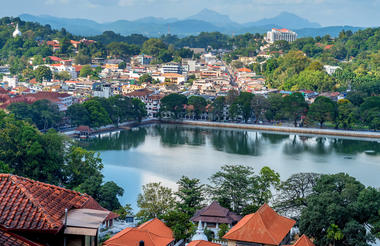
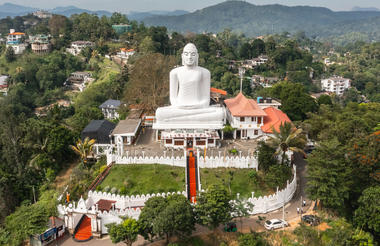
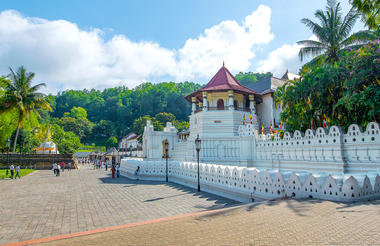
The second major city in Sri Lanka (the other being Colombo) lies at the centre of the Kandy Plateau, an area of beautiful tropical tea plantations. A magnificent must-see feature of the area is Kandy Lake, to the north of which lies the golden-roofed Temple of The Tooth (a UNESCO World Heritage Site and important place for Buddhist worship, as it is said to house a tooth relic of Buddha). Other fascinating places to visit include the Ceylon Tea Museum, the Buddhist Publication Society, the Ayurvedic centre in the Amaya Hills nearby, the Kandyan Art Association and Cultural Centre, where craftspeople can be seen at work, and the Kandy Muslim Hotel, which offers the finest spiced curries served with naan or Rotis.
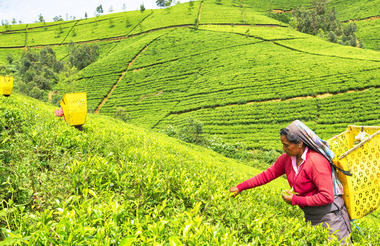
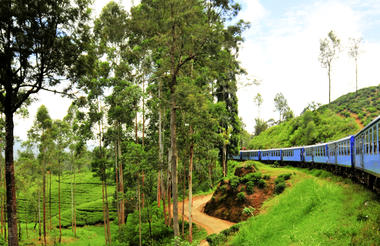
Nuwara Eliya is a beautiful mountain station town in the Central Province of Sri Lanka. Sometimes referred to as ‘Little England’, the city is well-kept and features British-style red-brick walls, mock-Tudor half-timbering, and a very English country club. The surrounding areas offer breathtaking views of valleys, meadows, mountains, and greenery, and most importantly a wonderful break from the heat and humidity of the coast. Tea Estates, waterfalls, and mountains complete the picture. Visitors can take guided tours of the tea plantations, meander through the roses, take the picturesque path to the ‘Lovers’ Leap’ waterfall, and walk through orchids and giant cypresses at the Hakgala Gardens. Other highlights include the Seetha Amman and Nuwara Eliya Buddhist Temples, and the Galway's Land National Park.
Galle sits on Sri Lanka’s south-west coast, around two hours from Colombo, where the Indian Ocean meets a city shaped by centuries of maritime trade. It is a historic coastal town best known for the UNESCO-listed Galle Fort, a walled old town built by the Portuguese and later fortified by the Dutch. Travellers are drawn by cobbled streets lined with colonial buildings, boutique shops, galleries, and cafés, all overlooking the sea. Beyond the fort, palm-fringed beaches and coral reefs offer swimming, snorkelling, and sunset walks, while nearby tea plantations and wildlife reserves add depth to day trips. Galle appeals to visitors seeking a blend of history, culture, and relaxed coastal living, balanced by gentle exploration rather than fast-paced sightseeing.


