


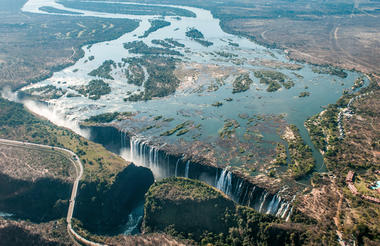
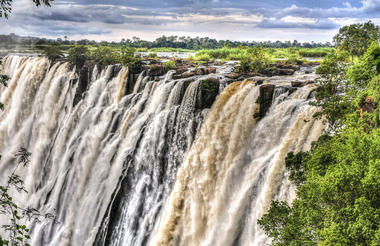
Situated on the Zambia–Zimbabwe border along the Zambezi River, Victoria Falls is experienced from the Zambian side within Mosi-oa-Tunya National Park, where walkways trace the cliff edge above a vast basalt gorge. Knife Edge Bridge pushes visitors into the spray line for a close view of the Main Falls, a continuous curtain of water, and the Eastern Cataract, where the flow breaks into narrower channels across the far side. Rainbow Falls, the highest section of the cascade, often reveals shifting arcs of colour in fine mist when light breaks through the spray. The Boiling Pot viewpoint looks directly into a deep whirlpool where the river is forced into the Batoka Gorge. Upstream, boat access reaches Livingstone Island, a rocky outcrop on the lip of the falls, and the seasonal Devil’s Pool, a natural rock pool at the edge of Victoria Falls that becomes safely accessible during low water when river levels drop and currents weaken. Activities extend beyond the rim, including white-water rafting through gorge rapids, kayaking, ziplining across the chasm, bungee jumping from the bridge, bridge swings, sunset cruises, game viewing along the riverbanks, and visits to the local market.
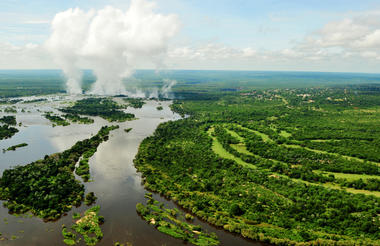
Located in western Zambia, Kafue National Park is the country’s largest national park and one of Africa’s largest protected areas. The park covers a vast wilderness of rivers, floodplains, woodlands and open grasslands, providing habitat for a wide variety of wildlife. Central Kafue, one of the park’s main regions, features riverine bush, miombo and savannah woodlands, open plains and granite outcrops. The Spinal Road runs through Central Kafue and provides access to some of the more remote areas of the park, with opportunities to see wildlife including puku, impala and bushbuck. Kafue is also home to a diverse range of bird species, making it a popular destination for birdwatching. Game drives and other safari activities offer opportunities to explore the park’s landscapes and observe its wildlife.
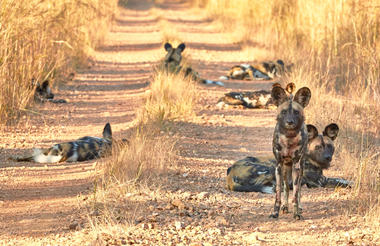
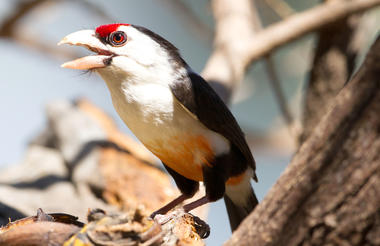
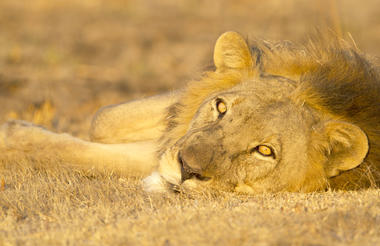
Bordering the Luangwa River in eastern Zambia, South Luangwa National Park is one of Africa’s most celebrated wildlife destinations, renowned for its unspoilt wilderness, exceptional biodiversity, and successful conservation efforts. The park supports thriving populations of elephant, lion, leopard, buffalo, hippo, giraffe, and numerous antelope species, along with more than 400 bird species. Widely regarded as the birthplace of the walking safari, South Luangwa offers visitors the rare opportunity to explore the bush on foot under the guidance of experienced armed guides, providing an intimate perspective of the surrounding wildlife and ecosystems. Traditional game drives, seasonal boating, and outstanding opportunities for photography and birdwatching further enhance the experience. Combined with the scenic Luangwa River, the park delivers one of Africa’s most authentic and unforgettable safari adventures.


Although in Mozambican waters, Likoma Island is Malawian territory and is the larger of the two inhabited islands of Lake Malawi, measuring seventeen square kilometres across. The island boasts some lovely beaches, friendly locals, and predominantly flat terrain with a baobab dotted southern side. It is home to the headquarters of the University Mission to Central Africa, Livingstone’s mission, and hence it remained British territory when the Lake was divided politically after World War Two. The island is famous for the large, beautiful St. Peter's Cathedral, featuring numerous stained glass windows and intricate soapstone details. Visitors can relax on pristine beaches, snorkel and dive in the crystal-clear waters, and enjoy a variety of watersports.


