Situated in the southern reaches of Africa, Botswana is renowned for its pristine wilderness areas characterised by deep lagoons, wetlands, lush palms, rugged hills and desert plains. The country’s primary tourist drawcard is undoubtedly the vast red expanse of the Kalahari Desert and its remarkably beautiful Okavango Delta, the largest inland delta in the world. These natural wonders provide a tranquil haven for an abundance of African wildlife to thrive. Other highlights include the impressive Makgadikgadi Salt Pans, where visitors are privy to massive zebra migrations during the flood season; the Savuti plains, which host a significant pride of lions; and the Tsodilo Hills, where 4500 rock paintings form a unique record of human settlement over many millennia.
Welcome to Kasane! This is one of my favorite spots because the town literally brushes up against Chobe National Park. There are no fences here, so don't be surprised if you see an elephant or a family of warthogs wandering down the street. It’s a lively hub where Botswana, Namibia, Zambia, and Zimbabwe almost touch.
Things you shouldn't miss:
Magical Sunsets: A boat cruise on the Chobe River is an absolute must. You’ll see elephants bathing by the banks and hippos popping up in the water, all while the sky turns a deep, fiery orange.
Historic Baobab: Visit the ancient Baobab tree in town which once served as a local prison; it's a fascinating piece of local history.
Into the Wild: Explore the Sedudu Valley Road in a 4x4; the skeletal dead trees there are the perfect hiding spots for leopards. Plus, the mighty Victoria Falls are close enough for an unforgettable day trip.
Personal Tip for Self-Drivers: Use Kasane as your 'basecamp.' This is the best place to stock up before heading deeper into the wilderness. Grab your groceries, fill up your tank, and get a local SIM card here. It’s also the most convenient spot to withdraw Pula or pick up some US Dollars (USD) if you're planning to cross the border to Victoria Falls.
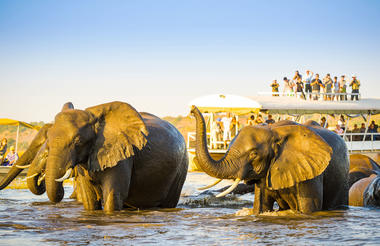
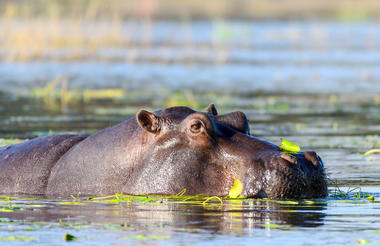
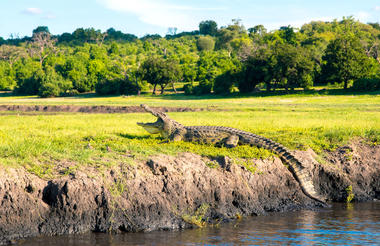
The Chobe Riverfront, located near Kasane, is the most iconic and lively part of Chobe National Park. Along the wide, ever‑flowing Chobe River, the landscape feels vibrant and full of movement. During the dry season, hundreds of elephants, buffalo, hippos and antelope gather at the water’s edge to drink, cool off and socialise. Predators such as lions and leopards are never far behind, creating a constant sense of excitement along the riverbanks.
The boat safaris here are legendary. As you drift along the river, you pass elephants bathing, crocodiles warming themselves in the sun and fish eagles diving for their catch. The sunsets are unforgettable: the sky turns deep orange and pink while the river glows gold, creating some of the most magical scenes in all of Botswana.
Game drives along the riverfront are equally rewarding. The open floodplains and riverine forests attract large herds and a wide variety of birdlife, making this one of the most photogenic safari areas in the country. It’s a place where something is always happening, where every bend of the river reveals a new moment of wild beauty.
In the rainy season, the landscape becomes lush and green. Temperatures can rise to 35–40°C during the day and remain warm at night, though many days stay dry despite the season. Wildlife spreads out more across the park, but the Riverfront continues to offer reliable sightings. Travellers visiting during this period should take malaria precautions.


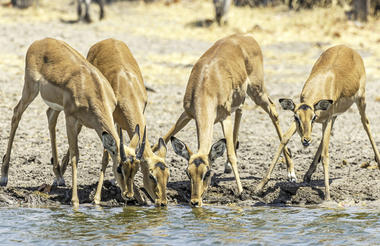
Situated on the western edge of the renowned Chobe National Park, Chobe Forest Reserve is a secluded wilderness area offering exceptional wildlife viewing away from the crowds. This vast and unspoilt reserve forms an important wildlife corridor and is home to an impressive variety of animals, including elephant, buffalo, eland, kudu, sable, roan antelope, impala, warthog, lion, leopard and African wild dog. At Barangwe Pan, particularly during the dry season, large numbers of animals gather to drink, creating outstanding game-viewing opportunities. Visitors can explore the reserve on self-drive safaris or join experienced guides for both daytime and night game drives. Scenic boat cruises on the Chobe River, bush picnics and birdwatching further enhance the experience. Nearby Kachikau Village offers a glimpse into local culture, with traditional basket weaving and warm community hospitality adding to the reserve's unique appeal.
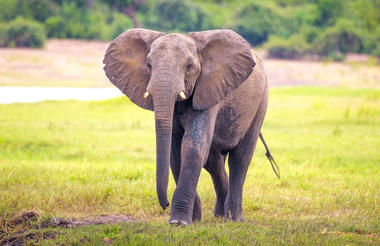
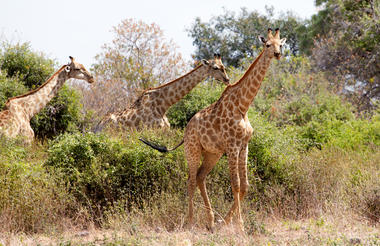
This is one of the most special places in Botswana because it is managed by the local community themselves. The area borders Moremi directly and wildlife roams through here without any boundaries. What I love about the Community Area is the freedom it offers. Since it is not an official national park, our guides are allowed to drive off road and conduct night safaris. By staying here, you directly support the local people while enjoying one of the most wildlife rich regions in the world.


The Greater Moremi area encompasses the renowned Moremi Game Reserve, the neighbouring Khwai Concession, and the surrounding wilderness zones. Together, they form one of Botswana’s most diverse and spectacular safari regions. The landscape is a rich tapestry of mopane woodlands, open floodplains, shimmering lagoons, papyrus‑lined channels and acacia forests. This variety creates an exceptional ecosystem that supports wildlife throughout the year.
At the heart of Greater Moremi lies the Okavango Delta, a UNESCO World Heritage Site that comes alive with seasonal floodwaters. As the water spreads through thousands of channels and islands, it shapes a unique mosaic of habitats. This dynamic environment makes Greater Moremi one of the most biodiverse regions in Africa. Thriving populations of the Big Five—lion, leopard, elephant, buffalo and, in parts of the Delta, rhino—roam freely here, alongside African wild dogs, hippos, zebras, giraffes, hyenas and an impressive range of antelope species.
The Khwai Concession, part of the Greater Moremi landscape, is especially known for its flexibility. Night drives, off‑road safaris and walking safaris are allowed, offering travellers a more adventurous and intimate experience than in the strictly protected reserve. The combination of water, wilderness and abundant wildlife makes Greater Moremi one of Africa’s most authentic and rewarding safari destinations.


Situated on the banks of the Thamalakane River, Maun is the primary gateway to the Okavango Delta. For travelers on a self-drive safari, this is the essential hub for all necessary preparations. The town offers full facilities for stocking up on groceries, refueling vehicles, and handling practical matters like purchasing a local SIM card. It is also the place to withdraw Pula or, if needed for border crossings or park fees, to obtain US Dollars (USD).
Beyond its logistical role, the town offers various activities. Visitors can enjoy boat cruises on the river or explore the Nhabe Museum for insights into the local history and art of the Ngamiland region. Whether you are heading into the bush with a rented 4x4 or departing from the airport on a charter flight to a remote camp, Maun is the starting point where the modern world meets the wild.


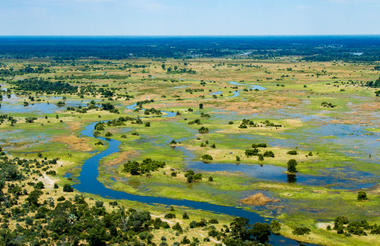
The Okavango Delta in Botswana is the world’s largest inland delta. In June 2014, it was inscribed as a UNESCO World Heritage site, marking the 1,000th site on the list. The area was once part of Lake Makgadikgadi, an ancient lake that dried up 10,000 years ago. Today, the Okavango River does not reach the sea. Instead, it empties into the Kalahari sands, irrigating 1,500 km² of the desert.
The water entering the delta is exceptionally pure due to the lack of agriculture and industry along its banks. As the water passes through the sandy soil of the islands and evaporates, it leaves behind vast amounts of salt. This process is so intense that vegetation disappears in the center of the islands, resulting in thick salt crusts.
The delta’s population consists of five ethnic groups: the Hambukushu, Dceriku, Wayeyi, Bugakhwe, and IIanikhwe. The Hambukushu, Dceriku, and Wayeyi are Bantu people who practice traditional economies like farming, fishing, and hunting. The Bugakhwe and IIanikhwe are San. The Bugakhwe utilize both the forest and the river for food, while the IIanikhwe rely primarily on the river.
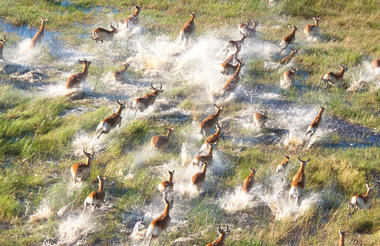
The Okavango is home to a vast array of wildlife, including: African bush elephants, Cape buffalo, hippos, red lechwe, tsessebe, blue wildebeest, giraffes, Nile crocodiles, lions, cheetahs, leopards, hyenas, African wild dogs, greater kudu, sable antelopes, black and white rhinos, water monitors, and zebras.
Tip: Before your trip, watch Surviving Paradise: A Family Tale on Netflix for a spectacular look at the animals and landscapes of the Okavango.
Makgadikgadi Pans National Park in northeastern Botswana covers roughly 3,900 km² and is known for its striking landscapes and remarkable natural phenomena. One of its most iconic features is Africa’s largest tree, an ancient baobab estimated to be around 5,300 years old.
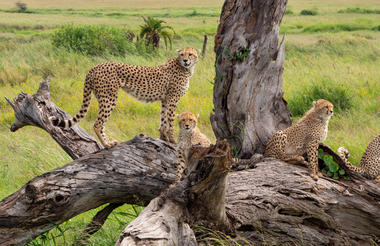
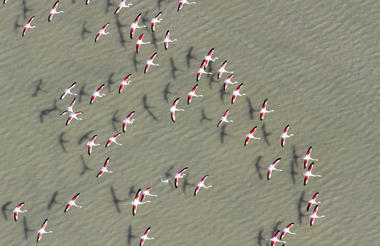
The rainy season, which lasts from December to May, dramatically transforms the area. The salt pans fill with water and become a vast inland lake teeming with life. During this period, large flocks of bright pink flamingos arrive to breed, creating an unforgettable sight against the shimmering water. Massive herds of wildebeest and zebra also migrate into the region at this time, followed closely by predators such as lions, cheetahs, and hyenas that take advantage of the abundance of prey.
In the dry months from June to November, the pans return to their characteristic endless white expanses, while the Boteti River becomes a vital water source for many animals seeking relief from the harsh conditions.
Visitors can enjoy year-round activities such as game drives, birdwatching, cultural visits to Gweta Village, and adventurous 4WD or quad biking excursions across the pans. Each season offers a completely different, yet equally impressive, experience of this extraordinary landscape.


Known as the gateway to the Makgadikgadi Pans, the tiny old Botswanan village of Gweta is a pleasant place to stay while exploring the vast salt pans. Take a guided walk or quad bike ride through Gweta’s surrounds and discover flint-head spears and other artefacts abandoned by the area’s early Stone Age inhabitants. Experience a barbeque under the star-studded African sky while sipping on traditional, organic sorghum beer or a creamy baobab milkshake. During the rainy season, the Gweta area teems with zebra and wildebeest and these, in turn, attract hungry predators such as lion and cheetah. If a unique and interesting getaway is what you are after, Gweta won’t fail to impress.


If you want to escape the hustle and bustle of the town center, the Kasane Forest Reserve is a hidden gem. While Chobe National Park can get busy with fellow travelers, this reserve offers the peace and quiet of the untouched bush. You’ll be staying among towering mopane and teak trees.
Because the reserve is part of a massive migration route (the KAZA TFCA), animals roam freely between Botswana and Namibia. Here, you are truly one with nature:
Intimate Encounters: Listen to the song of the Senegal Kingfisher and keep an eye out for giraffes peeking over the treetops.
Thrilling Night Safaris: Unlike the national park, night drives are often permitted here. Going out with a guide and a spotlight to find the reflecting eyes of a lion or leopard is an experience you won't soon forget.
It is the perfect place to experience the African wilderness in an intimate way, while still having all the comforts of Kasane just a stone's throw away.


Zimbabwe is a nation of spectacular natural beauty, friendly people, and rich culture. Once affected by political instability, the country is now returning to a state of balance and is emerging as a must-visit destination in Africa.
Visitors are drawn to the awe-inspiring Victoria Falls, known locally as ‘The Smoke That Thunders’, one of the seven natural wonders of the world. The power of the water plunging into the Zambezi Gorge is simply unforgettable. Lake Kariba, with its game-rich shores and islands, offers idyllic safari opportunities and breathtaking sunsets. Wildlife enthusiasts will love Hwange National Park, famous for its enormous elephant herds, and adventurous travelers can take a kayak trip down the Zambezi through Mana Pools National Park, spotting crocodiles, hippos, and other remarkable wildlife along the way.
With its friendly locals, lively markets, and a rich cultural heritage, Zimbabwe blends adventure, nature, and history into an unforgettable African experience.
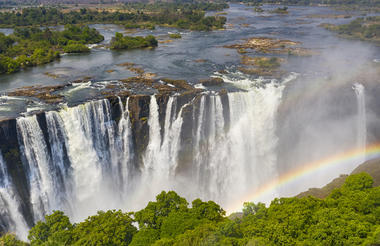
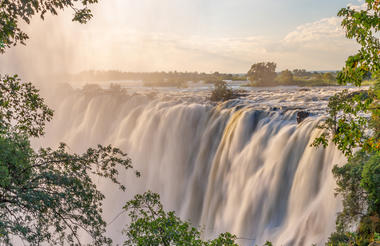
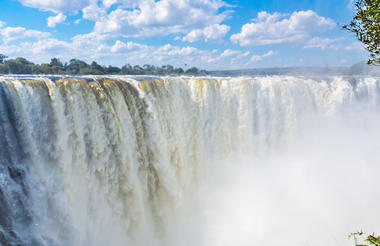
Known locally as Mosi-oa-Tunya—“The Smoke That Thunders”—Victoria Falls is one of the world’s great natural landmarks. Straddling the Zambezi River between Zambia and Zimbabwe, it forms a vast curtain of water that fills the air with mist and sound. The Zimbabwean side grants the most dramatic views, where mist rises like ghostly curtains and rainbows arc through the spray. Measuring about 1,708 metres across, it is regarded as the largest single continuous sheet of falling water on Earth. The adjacent town of Victoria Falls provides a convenient base for exploring the region, with a wide range of activities from scenic flights and microlight trips to white-water rafting, bungee jumping, kayaking, and safaris into Chobe National Park.