


Peru is het meest bekend om de heilige archeologische vindplaats Machu Picchu - elk jaar bezocht door tientallen onverschrokken wandelaars die de zware hellingen van de Inca Trail trotseren om de eeuwenoude ruïnes te verkennen. De attracties van het land reiken veel verder dan de mystieke allure van deze legendarische locatie en omvatten stranden met palmbomen, schilderachtige Andesdorpen en archeologische schatten die honderden jaren ouder zijn dan Machu Picchu - allemaal doordrenkt met de rijke mix van inheemse en koloniale culturen van het land. Even verleidelijk zijn de exotische uithoeken van het Amazone-regenwoud van Peru; Lima's prachtige eetgelegenheden, prachtige architectuur en bruisend nachtleven; de glinsterende, bergachtige wateren van het Titicacameer; en de bruisende stad Cusco, door de Inca's aangeduid als 'het centrum van de wereld'.
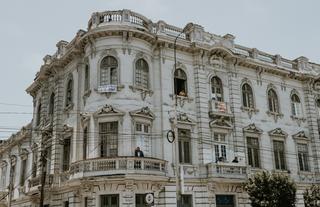
De hoofdstad van Peru is een fantastische stad om te tour, bezaaid met een veelheid aan culturele bezienswaardigheden en prachtig bewaard gebleven architectuur. Opgericht door de veroveraar Francisco Pizarro in 1535, werd Lima voor het eerst uitgeroepen tot “Stad der Koningen” — een bijbelse verwijzing naar de “Drie Wijzen van het Oosten” — voordat de naam werd veranderd door de Spaanse kolonialisten. De belangrijkste historische gebouwen bevinden zich rond het Plaza Mayor, het meest opvallende is het regeringspaleis, waar men nog steeds de verandering van de wacht van de Húsares de Junín kan waarnemen. De prachtige kathedraal en de verschillende kleine paleizen en koloniale balkons spelen ook hun rol in de schoonheid van de stad. Een ander hoogtepunt is het beroemde Larco Herrera Museum, het documenteren van de millennial culturen die voorafgingen aan de Inca beschaving en bevat een onschatbare verzameling pre-Columbiaanse artefacten, waaronder enkele van Zuid-Amerika's mooiste pre-Inca erotische aardewerk.


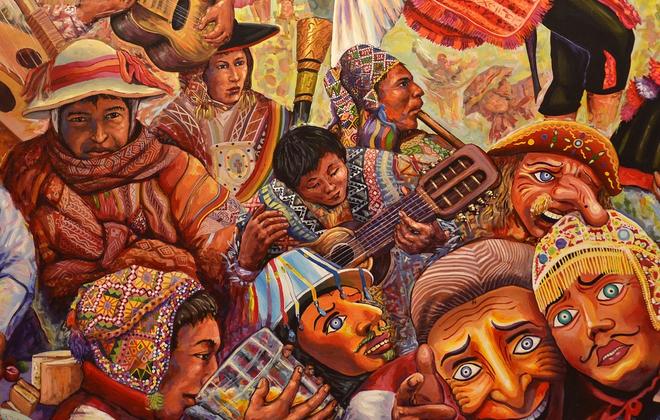
Once called the ‘Navel of the World’ by the Incas, Cusco rises in the southern Andes of Peru, where colonial grandeur meets the enduring stonework of the Inca Empire. A UNESCO World Heritage Site, it serves as the main gateway to Machu Picchu, the Sacred Valley, and surrounding ruins. At its centre, the Plaza de Armas—once Huacaypata—remains alive with cafés, arcades, and the 16th-century Cusco Cathedral, built from Sacsayhuamán’s stones. Nearby, the San Blas district unfolds with whitewashed adobe houses, blue balconies, and workshops where artisans craft metalwork, woodcarvings, and sacred art. Across the city, layers of history reveal themselves in landmarks such as the Korikancha, the Inca street of Hatun Rumiyoc with its twelve-angled stone, the Museum of Colonial Art, and the ancient shrines and water temples scattered through the surrounding hills.


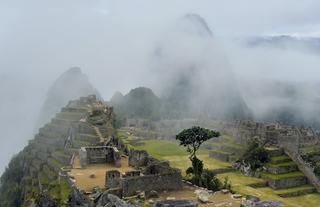
Machu Picchu ligt meer dan 6000 voet boven de zeespiegel op de bergtoppen van Peru en is een van's werelds meest indrukwekkende archeologische vindplaatsen. Deze legendarische hoogstad werd verlaten door het Inca-rijk, heroverd door de jungle en verloren voor de mensheid tot haar herontdekking in 1911. Gebouwd door de Inca's op de top van „Machu Picchu” (Oude Piek), midden in een tropisch bergbos met uitzicht op de canyon van de Urubamba, is de 'Verloren Stad van Machu Picchu' een plek van buitengewone schoonheid en enorme archeologische betekenis. Het complex weerspiegelt het Inca-rijk op zijn hoogtepunt, met gigantische muren, terrassen en hellingen die op natuurlijke wijze in de doorlopende rotsteilingen lijken te zijn uitgehouwen. De fenomenale technologische vaardigheden van de Inca-ingenieurs zijn terug te zien in meerdere facetten van de site: de veeleisende precisie van de massieve stenen gebouwen, de waterkanalen die een diepgaand begrip van hydraulica onthullen, en Intihuatana, een gebeeldhouwde rituele steen die bekend staat als de „aankoppelpaal van de zon”, die diende als zonnekalender die het planten en oogsten reguleerde.


Zoals eerder beschreven


