Set along South Africa's rugged and beautiful west coast, the small seaside fishing village of Lambert’s Bay is best known for Bird Island, delicious seafood, white-sand beaches and rolling dunes. Rich in history and famous for its moderate climate and miles of pristine beaches, Lambert's Bay provides a tranquil retreat, particularly alluring to city slickers who venture up here from Cape Town. During their stay, travellers can explore the quaint harbour with its fleet of colourful fishing boats or enjoy a boat tour to Bird Island to view the numerous gannets and cormorants. Keep an eye out for dolphins, whales and seals frolicking in the surrounding waters. Those wishing to delve into the indigenous Khoi culture can view ancient rock paintings, while adventure seekers can head out on a 4x4 drive, a dive or a hike. A foodies dream, the town centre offers a great selection of restaurants, coffee shops and pubs that suit every type of budget. Don't forget to feast on fresh crayfish during your stay.


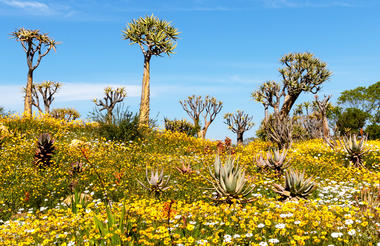
Stretching for over 1000 kilometres along South Africa’s scenic West Coast, the Namaqualand is known for its stark, arid beauty. Once a year in early Spring, the Namaqualand landscape explodes into a kaleidoscope of colour. The dusty plains are transformed into a blanket of thousands of flowering wildflowers. International and local visitors flock here to see this seasonal natural splendour. Aside from the endless photogenic landscapes, visitors can look forward to viewing a wide variety of wildlife and exploring the quaint seaside towns dotting the coast as well as the various historic towns scattered in the hinterland.


Encircled by dramatic, rust-coloured cliffs and arid plains in the southern reaches of Namibia's Fish River Canyon, Ai-Ais, which translates to "burning hot" in the Nama language, is renowned for its sulphurous hot springs. A single road runs through the town, flanked by comfortable lodges and campsites designed for adventurous visitors. At the heart of Ai-Ais lies the iconic Hot Springs Resort, where steaming sulphurous pools invite travellers to relax following a thrilling hike down the Fish River Canyon Trail or to simply enjoy a scenic soak under the expansive Namibian sky.


Carving out an epic rocky wonderland in southern Namibia, the Fish River has created Africa’s largest, and the world’s second-largest, canyon. Hot, dry and dramatic, the Fish River Canyon stretches for an astonishing 160 kilometres, reaching up to 27 kilometres wide and 550 metres deep. Its vast, rugged beauty draws visitors from across the globe. Adventurers can tackle the challenging 85 kilometre Fish River Hiking Trail, which winds through 1.5 billion years of geological history, while those seeking rest can soak in the mineral-rich hot springs of Ai-Ais or admire breathtaking views from Hobas Restcamp and other viewpoints along the rim. Scenic chartered flights, horse riding, nature drives, and seasonal kayaking complete this unforgettable Namibian experience.


Perched above the plains of the Namib Desert in the rocky Aus Mountains, the small village of Aus lies at the heart of phenomenal botanic diversity. Aus serves as an excellent base from which to see the area’s major attraction: the feral horses of the Namib Desert, which run wild and free in the sparsely vegetated plains. The best place for viewings is at the water trough at Garub, which lies just twenty kilometres away from Aus. Visitors can gain insight into the Succulent Karoo by visiting beautiful Gondwana Sperrgebiet Rand Park, home to the most biodiverse desert in the world. Don't miss the opportunity to camp under the famously clear Namibian night sky and experience the desert landscape on horseback.


Deep within Namibia’s Namib Desert, Sossusvlei is a striking landscape of towering red sand dunes, among the highest in the world, pale salt pans and immense open skies. Part of the Namib-Naukluft National Park, it has a remote, almost otherworldly atmosphere shaped by silence, shifting light and extreme desert conditions. Visitors can climb famous dunes such as Big Daddy or Dune 45 at sunrise, when the sand glows orange and shadows stretch dramatically across the valley floor. Nearby Deadvlei, with its blackened camel thorn trees standing against white clay and rust-coloured dunes, offers one of southern Africa’s most distinctive desert scenes. The dry heat, the soft crunch of sand underfoot and the vast sense of space create a powerful atmosphere, though early starts and challenging temperatures are part of exploring this remarkable region.


Set between the rolling dunes of the Namib Desert and the icy Atlantic coastline, Swakopmund is a relaxed seaside town in western Namibia known for its German colonial architecture, cool coastal climate, and adventurous spirit. Palm-lined streets, historic buildings, and ocean fog create an atmosphere unlike anywhere else in the country. Travellers visit for desert activities such as quad biking, sandboarding, and scenic flights over vast dunes and shipwreck-strewn shores. Cafés, bakeries, and small museums add to the town's laid-back charm, though the Atlantic waters are brisk rather than tropical. With its striking desert-meets-ocean setting and mix of adventure and history, Swakopmund is one of Namibia's most distinctive destinations.


Located just north of Windhoek, in the central Namibian Otjozondjupa region, the bustling city of Okahandja serves as the main commercial centre of the area, as well as a prominent cultural centre for the local Herero people. The name ‘Okahandja', means 'The place where two rivers flow into each other to form one wide one.' These two seasonal rivers are the Okamita and the Okakango. Known as the ‘Garden Town of Namibia’, Okahandja boasts a rich cultural heritage, numerous historical sites and excellent bird watching in the surrounding areas. Visitors can look forward to a variety of interesting activities including: browsing the colourful arts and crafts market, visiting the nearby Gross Barmen Hot springs for a soak in the rejuvenating thermal waters and enjoying an array of watersports at the nearby Von Bach Dam.
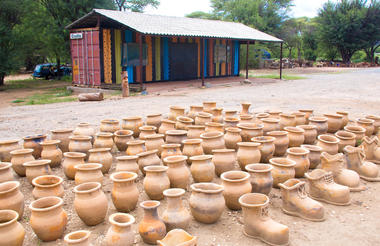
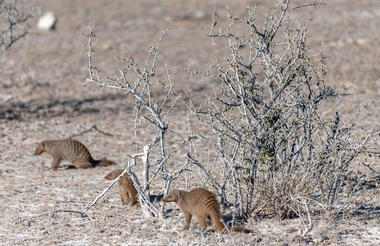
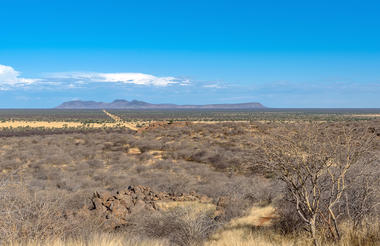
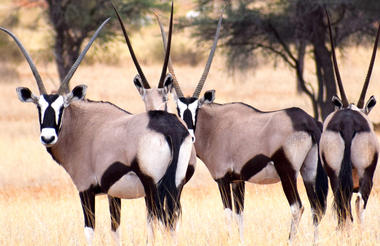
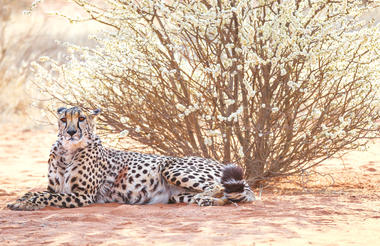
Spreading across Botswana, South Africa and Namibia, the Kalahari, meaning 'the great thirst', is an exceptionally beautiful living desert. The landscape is characterised by a large semi-arid sandy savannah, draped over a gently rolling inland sea of sand that covers most of Botswana and large parts of Namibia and South Africa. It is inhabited by the indigenous San people, with the modern world having enveloped all the other areas they once roamed. The Namibian portion is made up of red sands covered in thin, wispy, mostly golden grass and dotted with acacia trees and wide-ranging wildlife, including gemsbok, impala, jackals and cheetah.
Set on the Trans-Namib Railway in the ǁKaras region of southern Namibia, the town of Keetmanshoop is known as the capital of southern Namibia. Founded in 1860, the quaint oasis is a living slice of history. German colonial architecture is dotted around the town and the local museum, housed in an old church, provides interesting insight into the town’s heritage. Just a short drive out of town, the Quiver Tree Forest is a sea of spikes and twisted trunks, while the neighbouring ‘Giant’s Playground’ is an evocative expanse of strange rock formations. Both offer superb opportunities for photography, particularly at sunset.


As previously described


Located in South Africa’s Northern Cape Province, the Augrabies Falls National Park encircles the mighty Augrabies Falls. The Orange River plunges down 60 metres in absolute splendour, through the 18-kilometre ravine of the Orange River Gorge. The landscapes are characterised by rocky outcrops, scrub-dotted plains, and clusters of 'kokerboom', also known as quiver trees. This sanctuary provides a home for an array of animals including springbok, gemsbok, klipspringer, various bird species and the endangered black rhino. Other commonly spotted species include giraffe, steenbok, kudu, eland, leopard, African wild cat, jackal, and caracal.


Impeccably preserved Victorian and Edwardian buildings mark the idyllic landscape of the delightful town of Calvinia is embraced by the Hantam Mountains to the north and the Rebunieberg and Keiskeiberge to the south. Hantam House, a restored 1854 edifice, now extends a warm invitation as a refined bed and breakfast. The Neo-Gothic elegance of Calvinia NG Kerk, consecrated in 1899, adds a timeless allure. Notably, this town boasts the world's largest post box, a remarkable conversion of a former water tower, standing at a stature of 6.17 metres. The museum, housed within a meticulously restored Jewish Synagogue, offers a rich tapestry of historical and cultural exhibits. For nature enthusiasts, the Akkerendam Nature Reserve unveils exclusive flower trails, while the annual Hamtam Meat Festival in August further elevates the town's charm.