


Spreading across Botswana, South Africa and Namibia, the Kalahari, meaning 'the great thirst', is an exceptionally beautiful living desert. The landscape is characterised by a large semi-arid sandy savannah, draped over a gently rolling inland sea of sand that covers most of Botswana and large parts of Namibia and South Africa. It is inhabited by the indigenous San people, with the modern world having enveloped all the other areas they once roamed. The Namibian portion is made up of red sands covered in thin, wispy, mostly golden grass and dotted with acacia trees and wide-ranging wildlife, including gemsbok, impala, jackals and cheetah.

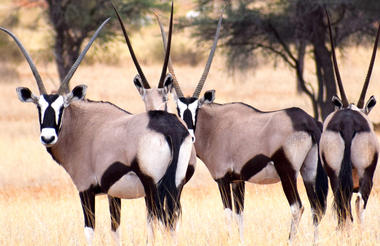
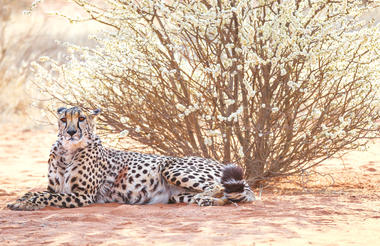
Neighbouring Botswana, in southeastern Namibia, the renowned Kalahari Desert spans over the spectacularly scenic landscape in the south which features small red-orange dunes, similar to those of the world-famous Sossusvlei. This semi-arid southern terrain is covered with a thin layer of golden savanna and forms part of the Kalahari Basin. This landscape of ancient dunes and yellow grasslands is home to an array of desert-adapted wildlife who call southern Kalahari home including: antelope, spotted hyena, cheetah, meerkat, ostrich, gemsbok, porcupine, the Kalahari lion and a large number of migratory birds. Visitors can discover centuries-old Bushmen paintings, soak up the magnificent views of the southern Kalahari and stay over in one of the many lodges in the area and enjoy nature walks, nature drives and horse riding.


Carving out an epic rocky wonderland in southern Namibia, the Fish River has created Africa’s largest, and the world’s second-largest, canyon. Hot, dry and dramatic, the Fish River Canyon stretches for an astonishing 160 kilometres, reaching up to 27 kilometres wide and 550 metres deep. Its vast, rugged beauty draws visitors from across the globe. Adventurers can tackle the challenging 85 kilometre Fish River Hiking Trail, which winds through 1.5 billion years of geological history, while those seeking rest can soak in the mineral-rich hot springs of Ai-Ais or admire breathtaking views from Hobas Restcamp and other viewpoints along the rim. Scenic chartered flights, horse riding, nature drives, and seasonal kayaking complete this unforgettable Namibian experience.


Perched above the plains of the Namib Desert in the rocky Aus Mountains, the small village of Aus lies at the heart of phenomenal botanic diversity. Aus serves as an excellent base from which to see the area’s major attraction: the feral horses of the Namib Desert, which run wild and free in the sparsely vegetated plains. The best place for viewings is at the water trough at Garub, which lies just twenty kilometres away from Aus. Visitors can gain insight into the Succulent Karoo by visiting beautiful Gondwana Sperrgebiet Rand Park, home to the most biodiverse desert in the world. Don't miss the opportunity to camp under the famously clear Namibian night sky and experience the desert landscape on horseback.


The best time to visit Sossusvlei is in the early morning. The park gates open at dawn and the golden light just after sunrise is perfect. Take along enough drinking water, sunscreen and a hat.
Situated in the largest conservation area in Africa (the Namib-Naukluft National Park), Sossusvlei is possibly Namibia’s most spectacular and best-known attraction. Characterized by the large red dunes that surround it, Sossusvlei is a large, white, salt and clay pan and is a great destination all year round. The dunes in this area are some of the highest in the world and provide photographic enthusiasts with wonderful images in the beautiful morning and evening light. Sossusvlei literally translates to “dead-end marsh”, as it is the place where the dunes come together preventing the Tsauchab River to flow any further, some 60km east of the Atlantic Ocean. However, due to the dry conditions in the Namib Desert the River seldom flows this far and the pan remains bone-dry most years.
Close to Sossusvlei, Deadvlei is a clay pan characterized by dark, dead camel thorn trees contrasted against the white pan floor. The pan was formed when the Tsauchab River flooded, and the abundance of water allowed camel thorn trees to grow. However, the climate changed, and the sand dunes encroached on the pan, blocking the river from reaching the area. The trees are estimated to be approximately 900 years old, however they have not decomposed due to the dry climate. Deadvlei is at least 1km walk from the parking lot so be sure to take drinking water with you.
Sesriem Canyon is located approximately 4.5km from the entrance gate of the Namib-Naukluft National Park. The Tsauchab River has shaped the Canyon over millions of years and it is one of the few places in the area that holds water all year round. The early Afrikaans explorers in the region named the canyon after the fact that they had to use six (“ses”) leather straps (“riem”) tied together to create a rope long enough to lower buckets into the canyon below, in order to fetch water.
Do not forget to carry enough water and protect yourself from the extreme sunlight.
Respect the delicate ecosystem of this region and be sure to stick to the path marked with stakes.
Since the dune area of Sossusvlei is only open during the day - from sunrise to sunset - you have to inquire about the exact opening hours.
The park entry fee can be paid at the NWR reception or at the 2x4 car park.
o Adults: N$ 280.00 per day
o Children under 16: N$ 180.00 per day
o Children under 8: free of charge
o Vehicles with fewer than 10 seats: N$ 60.00 per vehicle per day
A new, professionally guided hop-on / hop-off excursion service will operate daily from 07:00 to 17:00 from the 2x4 Parking area to Sossusvlei and Deadvlei.
• N$ 260 per adult
• N$ 130 per child under 12
Additional Visitor Services:
- A Ticket Sales Counter at the MEFT Gate Entrance
- A Refreshment Lounge at the 2x4 Parking Area


