
The name Tanzania instantly conjures images of wildebeest stampeding across endless savannah, rainforests alive with monkeys and birds, and vast plains filled with roaming wildlife. And the truth is, it is all real. This exceptionally diverse African nation delivers every bit of that magic, and more.
Most travelers come for one of four unforgettable experiences. You might unwind on the white sand beaches of Zanzibar, explore world renowned dive sites around the Spice Islands, head out on safari in some of Africa’s most spectacular game reserves, or take on the adventure of a lifetime hiking through Mount Kilimanjaro National Park. Each journey offers a completely different side of Tanzania, yet all feel uniquely and unmistakably Tanzanian.
Beyond the landscapes, it is the people who truly shape the experience. More than 120 ethnic groups live here peacefully side by side, welcoming visitors with warmth, kindness, and a rich culinary tradition influenced by African, Arab, and Indian flavors.
With so much diversity in one country, Tanzania does not just offer a holiday. It offers a collection of once in a lifetime moments. The hardest part is deciding where your adventure begins.
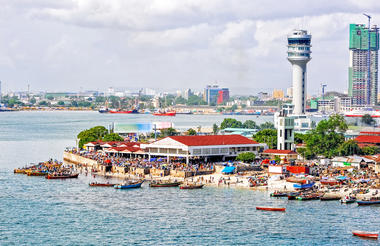
While Dodoma holds the official title of capital, the economic and diplomatic pulse of Tanzania beats in Dar es Salaam. Home to over 4.5 million people, it is one of Africa’s fastest-growing cities. The cityscape is a captivating mix of influences, where German colonial buildings stand alongside vibrant Indian shopping streets and modern high-rises. Its name, derived from the Arabic Bandr-ul-Salaam, translates to 'Haven of Peace.'
Highlights of Dar es Salaam:
Historic Landmarks: Explore the neo-Gothic St. Joseph’s Cathedral (1898) or the iconic Azania Lutheran Church. Visit the Old Boma, the city's oldest building and former residence of the Liwali.
Culture & Nature: Spend time at the National Museum to learn about Tanzania's rich heritage, or find a moment of quiet in the Botanical Gardens, established back in 1893.
Local Energy: Immerse yourself in the daily hustle at the Mzizima Fish Market or the bustling Tandamuti Street market (be sure to keep an eye on your belongings here!).
Dining & Views: Enjoy fresh seafood and sunset views at Capetown Fishmarket, savor authentic Ethiopian spices at Addis in Dar, or discover the cozy atmosphere and excellent steaks at the hidden gem 305 Karafuu.


Spanning an impressive 30,893 square kilometers , Nyerere National Park stands as the largest national park in all of Africa. Formerly the northern sector of the legendary Selous Game Reserve, the park is a sanctuary of unparalleled scale. Its incredible diversity and sheer volume of wildlife attract travelers from across the globe, all seeking an authentic safari experience in one of the world's last great wildernesses.
Why visit Nyerere?
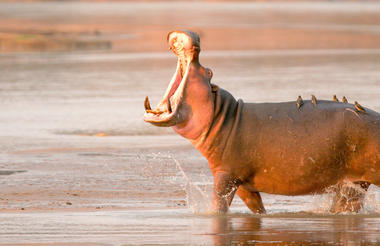
Abundant Wildlife: Nyerere boasts some of the world’s largest concentrations of game. Beyond the iconic Big Five, the park is home to rare species such as the Roan antelope, alongside massive populations of elephants and hippos.
Rufiji River Boat Safaris: A boat safari on the magnificent Rufiji River is an absolute must. It offers a unique vantage point to witness the wilderness, where you can observe crocodiles basking on the banks and an array of birdlife in their natural habitat.
Guided Walking Safaris: Embark on a journey with a knowledgeable guide to experience the park on foot. This is the most immersive way to discover the finer details of the ecosystem and truly connect with the vastness of the landscape.
Rare Encounters: Keep your eyes peeled for the endangered African wild dog. Nyerere is one of the best places in Africa to catch a glimpse of these elusive and fascinating predators.
For those who wish to experience African nature in its purest, most untouched form, Ruaha National Park is a must. Covering over 20,000 $km^2$, it is the largest national park in East Africa. Because it remains much less visited than the northern circuits, it is the perfect sanctuary for nature lovers looking to escape the crowds and explore the true African wilderness.
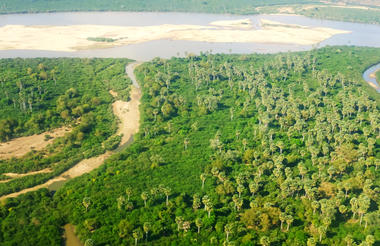
The landscape is both dramatic and diverse, featuring the mighty Ruaha River and the rugged escarpments of the East African Rift Valley. Ruaha is home to the largest elephant population in Tanzania (approximately 10,000) and serves as a prime territory for predators, including lions, leopards, cheetahs, and the rare African wild dog.
A Birder’s Paradise:
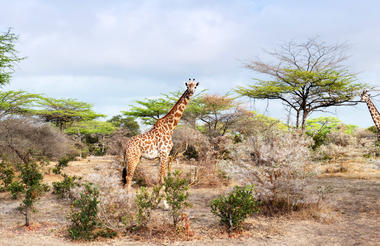
Ruaha is a dream destination for birdwatchers. With over 550 different bird species, such as vibrant kingfishers, sunbirds, and various hornbills, there is always something extraordinary to see. Whether you are scouting the riverbanks for hippos and crocodiles or traversing the vast savannahs in search of giraffes and impalas, Ruaha offers an unforgettable encounter with the wild.


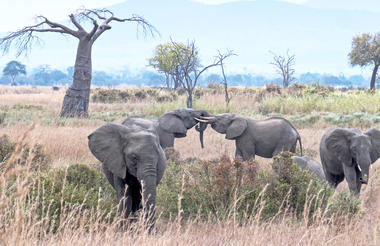
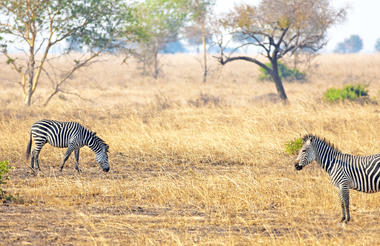
Mikumi National Park is the fourth largest of its kind in Tanzania and a true gem of the southern circuit. The northwest of the park is defined by vast savannah plains, beautifully bordered by the forested foothills of the Uluguru Mountains. Due to its open landscapes and abundant wildlife, this area is often referred to as the "Little Serengeti of the South."
What to expect:
Abundant Wildlife: Mikumi is famous for its large herds of buffalo and elephants, which are often easily spotted even from the main road. Across the plains, you’ll find wildebeest, zebras, giraffes, and impalas, while predators like hyenas and jackals are never far behind.
Unique Antelopes: Keep an eye out for the impressive Greater Kudu and the rare Sable Antelope.
Hippo Pools: A must-visit spot is the Hippo Pools along the Mkata River, where you can watch hippos bathing year-round and enjoy the diverse birdlife.
Explore at your own pace: Thanks to clear signage throughout the park, Mikumi is one of the easiest parks to navigate independently, making it a perfect highlight for your self-drive adventure.

Udzungwa Mountains National Park is a world apart. Composed primarily of lush mountain rainforest, this park is home to a unique biodiversity found nowhere else on Earth. Here, you will find giant 30-meter-tall trees that grow only in this specific region, hidden within fertile valleys and mist-covered mountain plateaus.
Adventure in the jungle:
Explore the wilderness: Since the park can only be explored on foot, you are truly one with nature here. Keep an eye out for rare monkey species, forest elephants, or buffalo, and try to spot the elusive genet.
Sanje Waterfalls: An absolute must-do. The well-maintained trail leads you to a spectacular viewpoint overlooking the falls. The second part of the hike takes you to the upper levels, where you can refresh yourself in a natural swimming pool. Don’t forget your swimwear and a packed lunch!
Local discoveries: Combine your visit with a bike ride to a nearby village, a tour of a rubber plantation, or a day trip to the regional hub, Ifakara, to explore the local market and weaving workshops.
On the water: Experience a serene canoe trip on the Kilombero River in a traditional dugout canoe. It is a peaceful way to spend hours observing the breathtaking flora and fauna along the riverbanks.


Nestled at the base of the majestic 2,600-meter-high Uluguru Mountains, Morogoro serves as the vibrant heart of the region. Originally founded by freed slaves as "Sima Mwene" (Lion City), it has evolved into a bustling hub where fertile soils provide an abundance of fresh produce. Its pleasant tropical climate and central location make it the perfect gateway for explorers.
Highlights of Morogoro:
Uluguru Mountains: Explore breathtaking hiking trails through the mountains and take in the spectacular scenery.
APOPO HeroRATs: A truly unique experience! Visit this research center where African giant pouched rats are trained to detect landmines and tuberculosis. A remarkable project with a global mission.
Local Vibe: Wander through the Central Market for high-quality local fruits and grains, or relax at the Rock Garden, a well-maintained green space along a mountain stream.
Dining & Atmosphere: Morogoro offers a surprisingly diverse food scene. Head to Dragonaires for their famous pizza nights, enjoy authentic Indian cuisine at Hotel Oasis, or experience the friendly service at Mama Pierna’s.
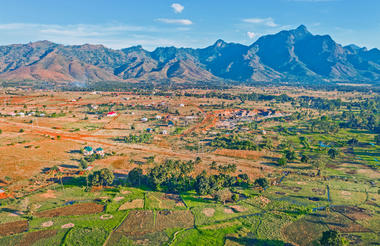
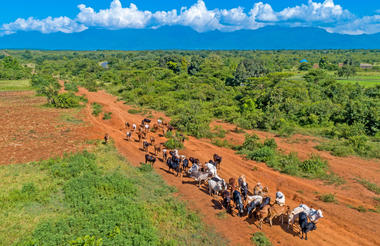
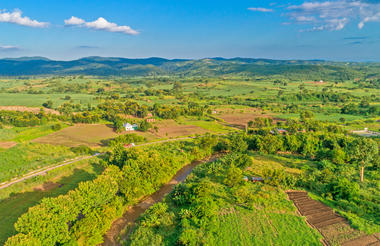
Located just 70 kilometers from Dar es Salaam, Bagamoyo is a city with a profound history and a unique soul. Its name means "lay down your heart" in Swahili, a poignant reflection of its past in the slave trade. Today, it is a fascinating destination where Arab and German influences blend seamlessly into the streetscape. Far from a typical tourist trap, Bagamoyo is an authentic town filled with characterful buildings and beautifully restored colonial architecture.
Explore the Kaole Ruins to see the remains of a 13th-century mosque, or soak up the local creativity at the famous TASUBA arts college. Bagamoyo also offers surprising culinary gems: enjoy a rooftop view at Nashe’s Café or experience the local atmosphere at Poa Poa right by the beach. It is the perfect destination for those seeking a mix of history, art, and a relaxed coastal vibe.


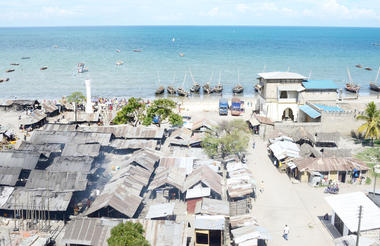
Saadani National Park is the only park in all of Tanzania that borders directly on the Indian Ocean. Here, you will not only witness an impressive environment but also gain a unique insight into the culture of the Swahili Coast. From expansive beaches to lush acacia forests and grasslands, the park offers an incredibly diverse range of flora and fauna.
Large herds of wildebeest, buffalo, and zebra thrive in the perfect grazing conditions found throughout the park. It is a home to a variety of wildlife, including warthogs, waterbuck, hippos, crocodiles, and countless giraffes. For birdwatchers, Saadani is a true paradise; migratory birds, sandpipers, and oystercatchers make this a must-visit destination for any ornithologist. Looking out toward the ocean, you might even spot dolphins and humpback whales. The magic continues on the shore, where you might be lucky enough to encounter green sea turtles nesting on the sand.


Pangani is a wonderfully peaceful town, situated at the mouth of the river of the same name and surrounded by pristine beaches. It is the ideal coastal destination for a relaxing holiday. With a rich history marked by Arab and German influences, this authentic fishing town offers numerous walking tours to historic landmarks, some of which are up to two hundred years old.
Nature lovers can enjoy a boat safari on the Pangani River. As you glide over the water, you can spot crocodiles lurking just beneath the surface and countless bird species parading in the surrounding mangroves. For those who want to discover the underwater world, Maziwe Island is highly recommended. This submerged island is now a protected marine reserve and offers fantastic snorkeling opportunities, with a high chance of spotting dolphins during the boat trip there.


