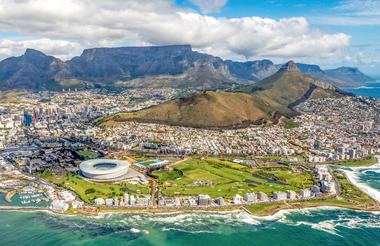
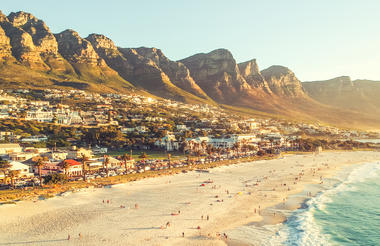
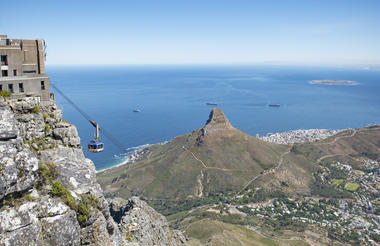
Set at the confluence of the Indian and Atlantic oceans and backed by the iconic Table Mountain, the bustling city of Cape Town presents an alluring combination of drawcards. Incredible powdery white beaches, highly acclaimed wine routes, and astonishingly beautiful mountain trails surround a cosmopolitan hub. This diverse metropolis is filled with superb shops and restaurants, extraordinary heritage monuments, a multitude of entertainment venues, and a spectacular, chic waterfront harbour. Highlights include the Zeitz Museum of Contemporary African Art; Table Mountain's jaw-dropping views; Boulders Beach, where penguins might swim right up to you in the warm Indian ocean waters; the Kirstenbosch Botanical Gardens, where you can walk along a treetop canopy among incredible native flora or watch an open-air concert at the base of the mountain; Robben Island, where visitors can see the cell where Nelson Mandela was imprisoned for 18 years; and many more.
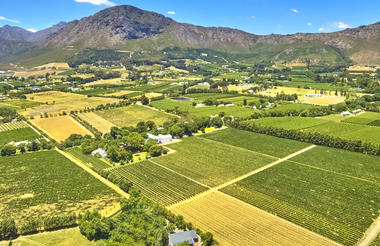
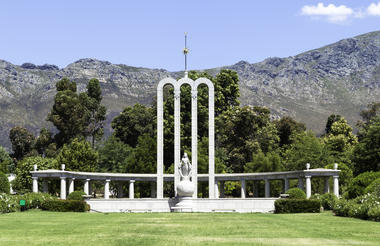
Nestled in a fertile valley surrounded by the rugged peaks of the Cape Winelands, Franschhoek is an elegant heritage village located approximately 75 kilometres east of Cape Town. Known as South Africa’s food and wine capital, it combines a rich French Huguenot heritage with a relaxed countryside atmosphere. Visitors can explore acclaimed estates producing Shiraz, Cabernet Sauvignon, and exceptional Cap Classique sparkling wines, often travelling between vineyards aboard the popular wine tram. Tree-lined streets, historic Cape Dutch architecture, and boutique galleries add to the village’s charm. Summer brings opportunities for hiking and cycling through lush farmland, while winter invites cosy cellar tastings and the acclaimed annual literary festival. The scent of vineyards carried on the breeze, paired with sweeping views of green valleys and dramatic mountain backdrops, creates a refined yet welcoming year-round destination for food, wine, and culture enthusiasts.

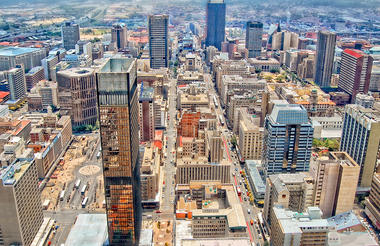
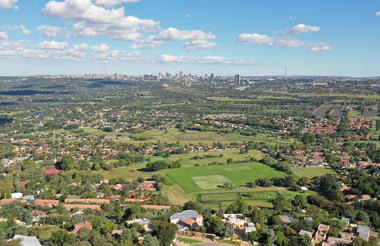
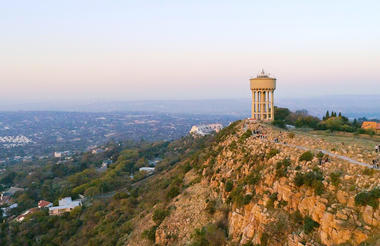
Located on South Africa’s Highveld plateau, Johannesburg is a fast-paced, creative city shaped by gold-rush history, cultural diversity and constant reinvention. Its atmosphere is energetic and urban, with contemporary galleries, rooftop bars and leafy suburbs existing alongside powerful reminders of the country’s past. Visitors can explore the Apartheid Museum, tour Soweto’s historic streets or browse vibrant markets and design spaces in neighbourhoods such as Maboneng. The city’s soundtrack shifts from lively jazz and amapiano beats to the hum of busy streets, while the scent of grilled street food drifts through open-air cafés and market stalls. Johannesburg rewards travellers who engage with its complexity and culture, though its size, traffic and contrasts mean it is best experienced with some planning and local insight.
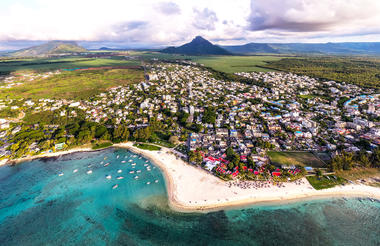
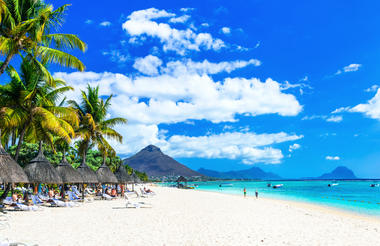
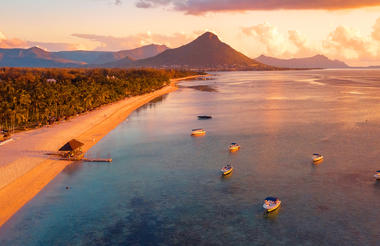
Flic en Flac Beach stretches along Mauritius’s west coast, framed by a broad sweep of pale sand and a lagoon protected by a coral reef. Its atmosphere is relaxed and sociable, with local families, cafés and sunset watchers sharing the shoreline. The beach is especially appealing for swimming, snorkelling and boat excursions, where clear turquoise water reveals colourful reef fish and occasional sea turtles. As the day fades, the sky often glows in shades of gold and pink while the gentle sound of waves carries across the bay. Visitors should expect a popular resort area rather than an isolated tropical hideaway; sections can become busy, particularly on weekends and during peak holiday periods. Even so, Flic en Flac remains one of Mauritius’s most accessible and rewarding coastal escapes.