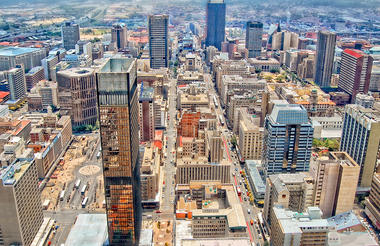
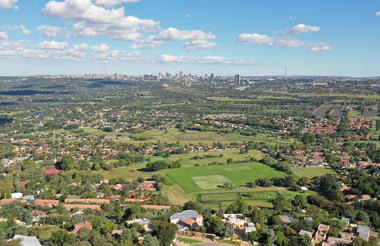
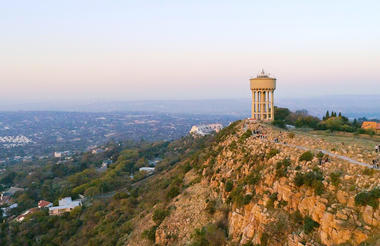
Located on South Africa’s Highveld plateau, Johannesburg is a fast-paced, creative city shaped by gold-rush history, cultural diversity and constant reinvention. Its atmosphere is energetic and urban, with contemporary galleries, rooftop bars and leafy suburbs existing alongside powerful reminders of the country’s past. Visitors can explore the Apartheid Museum, tour Soweto’s historic streets or browse vibrant markets and design spaces in neighbourhoods such as Maboneng. The city’s soundtrack shifts from lively jazz and amapiano beats to the hum of busy streets, while the scent of grilled street food drifts through open-air cafés and market stalls. Johannesburg rewards travellers who engage with its complexity and culture, though its size, traffic and contrasts mean it is best experienced with some planning and local insight.
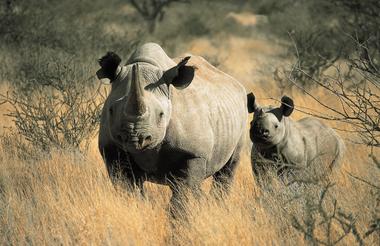
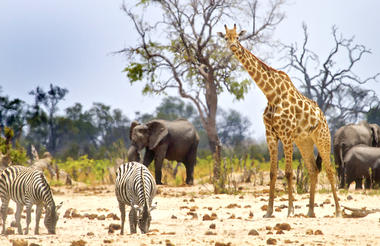
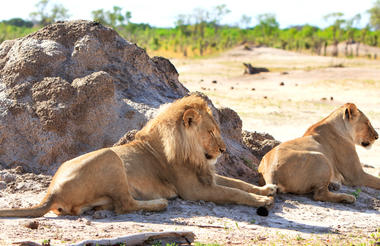
Situated in western Zimbabwe, the Hwange National Park is the country's biggest reserve, home to a profusion of wildlife, including giraffe, lion, zebra and approximately 40 000 elephants. It provides a sanctuary for all the country’s endangered species, including a population of wild dogs thought to be among the most sizeable surviving groups on the continent. The park’s magnificent terrain ranges from desert dunes, savannah lands and mopane woodlands to rocky outcrops and sparse forests. Visitors can look forward to game drives, guided walks or horse riding safaris. Other highlights include: the Bumbusi National Monument and the Nyamandhlovu Pan.
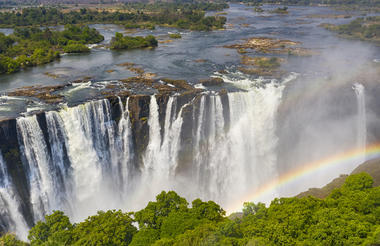
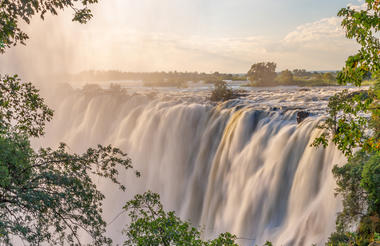
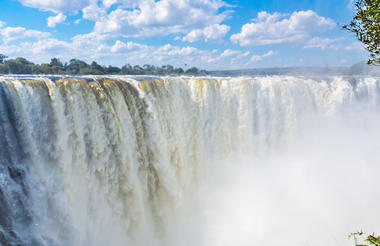
Known locally as Mosi-oa-Tunya—“The Smoke That Thunders”—Victoria Falls is one of the world’s great natural landmarks. Straddling the Zambezi River between Zambia and Zimbabwe, it forms a vast curtain of water that fills the air with mist and sound. The Zimbabwean side grants the most dramatic views, where mist rises like ghostly curtains and rainbows arc through the spray. Measuring about 1,708 metres across, it is regarded as the largest single continuous sheet of falling water on Earth. The adjacent town of Victoria Falls provides a convenient base for exploring the region, with a wide range of activities from scenic flights and microlight trips to white-water rafting, bungee jumping, kayaking, and safaris into Chobe National Park.
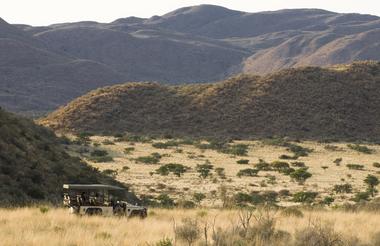
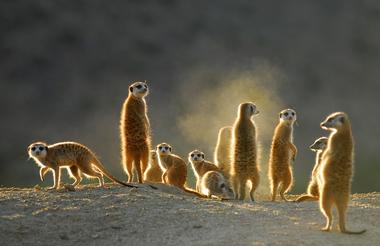
Located on the edge of the southern Kalahari, Tswalu is the largest private game reserve in South Africa and a visionary regenerative conservation project. From exhilarating predator-prey encounters to rare sightings of some of the most elusive species in Africa, guests enjoy exclusive access to close on 120,000 hectares (300,000 acres) and the guarantee of a private safari vehicle, guide and tracker with every booking. Three luxury safari camps are perfectly positioned to appreciate the dramatic beauty of this semi-arid wonderland of savannah grasslands, red dunes and ancient mountains. Motse, Tswalu's original camp, has nine spacious suites; Loapi is a collection of six private safari homes; and Tarkuni is an exclusive-use homestead with five bedrooms. All offer the ultimate private safari experience. For a long-term conservation endeavour like Tswalu to remain viable takes much more than philanthropy and passion. By supporting nature-based tourism, each guest becomes part of an inspiring conservation story backed by a 30-year legacy of protecting one of southern Africa’s last remaining wild places while positively impacting those who call it home.