


Located in southwestern Africa, Namibia boasts a well-developed infrastructure, some of the best tourist facilities in Africa, and an impressive list of breathtaking natural wonders. Visitors can explore the capital of Windhoek and discover the lovely coastal town of Swakopmund boasting remnants of the country’s German influence, reflected in the architecture, culture, cuisine and the annual Oktoberfest celebrations. To properly appreciate this extraordinary country, you will have to venture out of the cities to explore the remarkable natural landscapes Namibia has to offer. These include: the impressive Fish River Canyon; the vast Etosha National Park teeming with abundant wildlife, such as lions, desert-adapted elephants and the Hartmann's Mountain Zebra; the hauntingly beautiful Kalahari Desert; and of course the Namib Desert stretching for over 2000 km along the magnificent Atlantic Coast. Namibia is an ideal destination for travellers seeking an unforgettable African experience in a uniquely beautiful untamed wilderness.

Windhoek, Namibia’s capital, lies in the heart of the country amid the rolling Khomas Highlands, where wide skies and dry savannah frame a compact, orderly city. It blends German colonial heritage with contemporary African identity, creating a calm, understated atmosphere rather than a bustling metropolis. Landmarks such as Christuskirche and the Tintenpalast sit alongside modern civic buildings, while lively markets and cafés reveal everyday Namibian life. Visitors can explore museums, stroll shaded streets, or use the city as a gateway to the surrounding wilderness and safari regions. The air is often dry and clear, carrying the scent of dust and jacaranda blossoms, while distant hills glow at sunset. Windhoek offers a gentle introduction to Namibia’s landscapes and culture, with space, light and quiet defining its appeal.
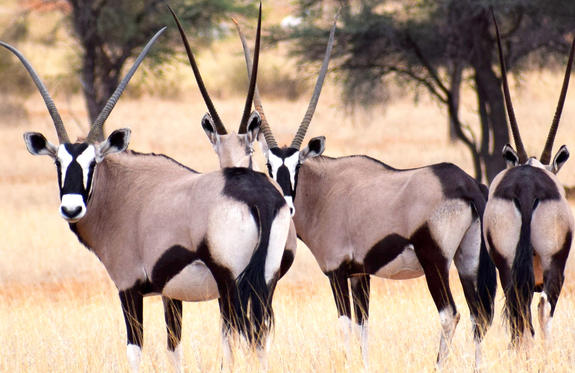
Spreading across Botswana, South Africa and Namibia, the Kalahari, meaning 'the great thirst', is an exceptionally beautiful living desert. The landscape is characterised by a large semi-arid sandy savannah, draped over a gently rolling inland sea of sand that covers most of Botswana and large parts of Namibia and South Africa. It is inhabited by the indigenous San people, with the modern world having enveloped all the other areas they once roamed. The Namibian portion is made up of red sands covered in thin, wispy, mostly golden grass and dotted with acacia trees and wide-ranging wildlife, including gemsbok, impala, jackals and cheetah.

Sossusvlei is where you will find the iconic red sand dunes of the Namib. The clear blue skies contrast with the giant red sand dunes to make this one of the natural wonders of Africa and a photographers heaven. Aside from the attractions at Sossusvlei - Dune 45, Hiddenvlei, Big Daddy and Deadvlei - other attractions in the area include the Sesriem Canyon and Namib-Naukluft National Park, where the mountains of the Namib meet its plains.

Set between the rolling dunes of the Namib Desert and the icy Atlantic coastline, Swakopmund is a relaxed seaside town in western Namibia known for its German colonial architecture, cool coastal climate, and adventurous spirit. Palm-lined streets, historic buildings, and ocean fog create an atmosphere unlike anywhere else in the country. Travellers visit for desert activities such as quad biking, sandboarding, and scenic flights over vast dunes and shipwreck-strewn shores. Cafés, bakeries, and small museums add to the town's laid-back charm, though the Atlantic waters are brisk rather than tropical. With its striking desert-meets-ocean setting and mix of adventure and history, Swakopmund is one of Namibia's most distinctive destinations.

Situated in northwestern Namibia, the Brandberg, meaning 'Fire Mountain', Massif is Namibia’s highest peak, at its zenith, the Königstein (King’s Stone), standing at a whopping 2573 metres above sea level. Named for the vivid shade of orange it sometimes turns at sunset, this is undoubtedly the main highlight of the region. The Brandberg has been sacred to the San people for centuries. The Tsisab Ravine at its base is permeated with over 45 000 ancient San rock paintings, including the famous ‘White Lady’. Visitors flock here to view this unique bushman painting, said to be over 2000 years old. Other popular drawcards include its untouched natural beauty and its free-roaming wildlife such as mountain zebra, kudu, springbok, and desert elephant.
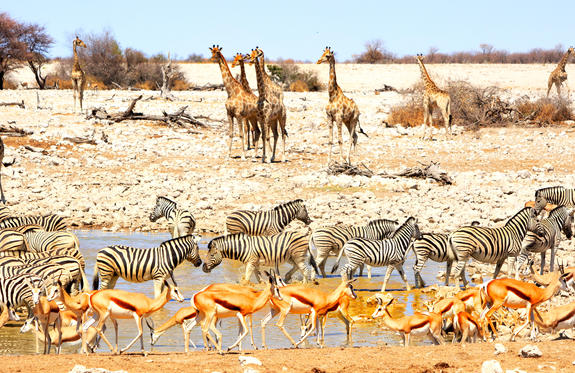
Set just outside the south-western border of Etosha National Park, Etosha Heights Private Reserve offers enthralling landscapes, a huge variety of flora and fauna, and a wide range of thrilling activities. Vast savannah, rivers, forests, Mopani woodland, salt pans and dolomite hills spread themselves over the 60,000-hectare area. Numerous safaris and game drives offer the chance to see kudu, lion and the elusive mountain zebra (in the hills) and sable, black-faced impala, giraffe, aardvark, elephant and many more (around the waterholes). Visitors can also take night drives and bush picnics. A double-storey photography hide allows close-up encounters with an incredible diversity of gorgeous birdlife and animal life. Fantastic luxury facilities are provided by the accommodation options.

Located along the eastern boundary of Etosha National Park in northern Namibia, Etosha East is a rewarding safari destination known for its excellent wildlife viewing and convenient access to the park through the Von Lindequist Gate near Namutoni. Characterised by open savannah, mopane woodland and seasonal waterholes, the region attracts an abundance of wildlife, including elephant, lion, giraffe, zebra and a variety of antelope species. Visitors can enjoy self-drive or guided game drives, with the waterholes offering some of the best opportunities to observe animals gathering to drink, particularly during the dry season. Golden grasslands, distant birdsong and expansive African skies create an immersive safari experience in one of Namibia's most celebrated conservation areas.
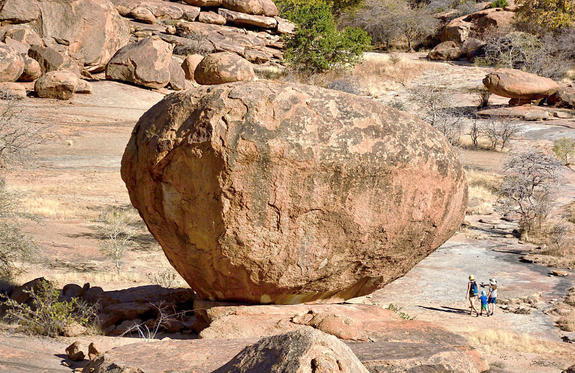
Situated in central-western Namibia between the towns of Omaruru and Usakos, the Erongo Mountains are a striking granite mountain range renowned for their dramatic rock formations, ancient San rock art and diverse wildlife. Formed by an extinct volcano, the region offers scenic hiking trails that wind through massive boulders, rugged valleys and distinctive granite peaks. Visitors can explore prehistoric rock art sites, enjoy guided nature walks, birdwatching and game drives, with opportunities to spot species such as klipspringer, kudu, zebra and numerous birds. Towering granite domes, golden grasslands and spectacular sunsets create an unforgettable sense of wilderness, making the Erongo Mountains an ideal destination for travellers seeking natural beauty, cultural heritage and outdoor adventure.


