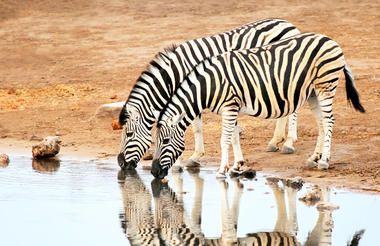
Tsumeb is the largest town in the Oshikoto region and the closest urban centre to the renowned Etosha National Park. It has been dubbed Namibia's 'Gateway to the North'. Tsumeb is also known for the famous Tsumeb Mine, and as having the greatest number of minerals in one place in the world. The region is rich in exquisite semi-precious gemstones which can be seen in their full glory at the Tsumeb Museum. Visitors can stop in at the Arts & Crafts Centre, the Tsumeb Cultural Village, and the Old Mine, which documents Namibia's rich history, before making their way to the famous Etosha natural area. Don't miss the opportunity to take in the town's raw and beautiful scenery in a different way: go skydiving with the Tsumeb Flying Club for a thrill of a lifetime.
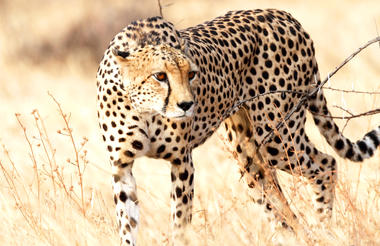
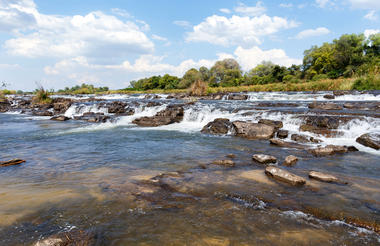
Set roughly 200 kilometres east of Rundu on the southeastern banks of the great Okavango River, the small village of Divundu is a wonderful destination from which to explore the river, game parks and national reserves of the area. Visitors can enjoy fishing or bird watching boat safaris, or visit the Mahango Game Park, which is home to herds of elephant as well as hippo, buffalo, giraffes, antelope, and many other animals. The spectacular Popa Falls, a dramatic series of cascades - are a popular must-see attraction. Divundu is also the perfect base for adventures in Botswana and the Okavango Delta.
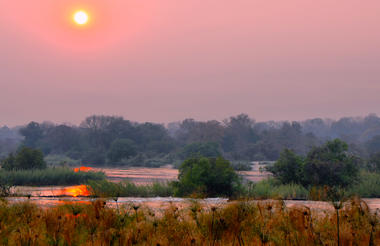
Situated on the southern edge of the Okavango Delta in northwestern Botswana, Maun is a laid-back safari town known as the gateway to one of Africa’s most remarkable wilderness regions. Dusty streets, scattered palms, and the slow-moving Thamalakane River give the town a relaxed frontier atmosphere, where safari vehicles and small bush planes are part of daily life. Travellers come to experience mokoro excursions through reed-lined delta channels, scenic flights above shimmering floodplains, and wildlife safaris into nearby game reserves. While Maun itself is functional rather than polished, its blend of local culture, open landscapes, and close access to untamed wilderness makes it an atmospheric and rewarding base for exploring the Okavango region.


The Khwai area of the Okavango lies along the northern boundary of the Moremi Game Reserve. Khwai Community Area has unfenced boundaries allowing wildlife to move freely between the woodlands in the wet season when water is plentiful and back to permanent rivers and lagoons in the dry season. The Khwai area offers the same wildlife experience as the Moremi Game Reserve with the added advantage of being a private concession, which means the ability to do walking safaris and night drives. Don't miss the opportunity to soak up beautiful views of the scenic landscape and spot an array of wildlife.


Situated 180 kilometres north of Francistown, the small village of Nata is a popular stopover between Maun and Kasane along the ‘game drive route’ (there is often a chance to catch a glimpse of wildlife along the way). The unique surrounding landscapes feature white sand, tall termite mounds, and Mokolwane palm trees. The Nata Sanctuary is a particular highlight for avid bird watchers, where lucky visitors can be rewarded with large flocks of Flamingos and Pelicans, which breed here each year. The town is also a perfect base for exploring the legendary and spectacular Makgadikgadi Pans, where quad biking and four-wheel-drive tours can be enjoyed.
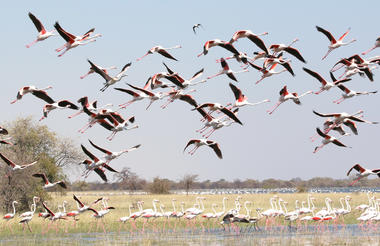
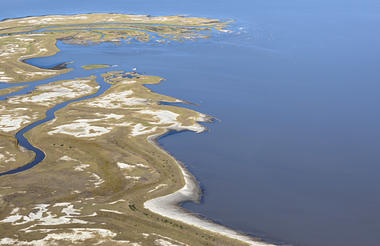
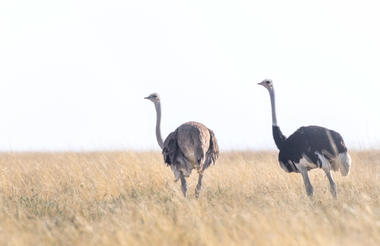
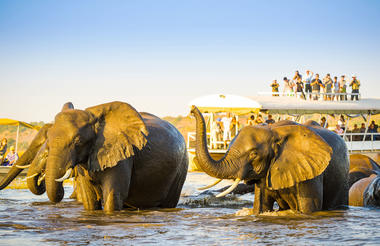
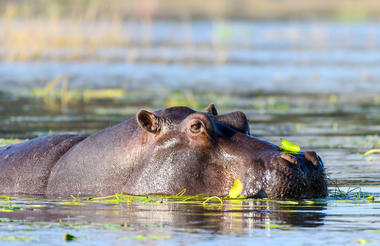
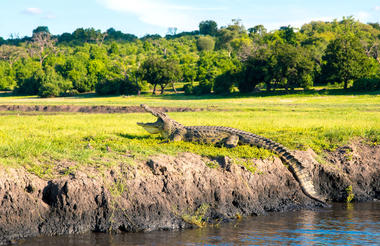
Situated in northeastern Botswana on the banks of the Chobe River, the town of Kasane is the main gateway to Chobe National Park and one of southern Africa's premier safari destinations. Renowned for its exceptional wildlife viewing, Kasane offers game drives and river cruises where visitors can encounter large herds of elephants, buffalo, hippos, and crocodiles, as well as abundant birdlife. Its location near the borders of Botswana, Namibia, Zambia and Zimbabwe also makes it a convenient base for exploring the wider region. Golden sunsets reflected on the river, the sounds of wildlife and a relaxed safari atmosphere combine to make Kasane an unforgettable destination for nature lovers.
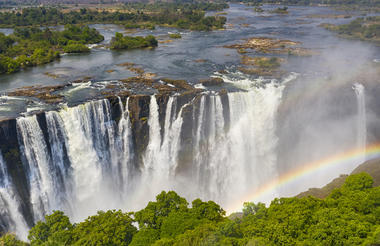
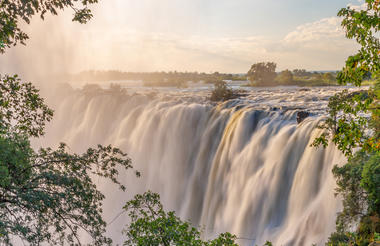
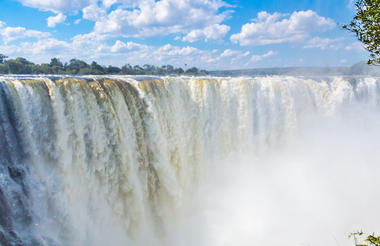
Known locally as Mosi-oa-Tunya—“The Smoke That Thunders”—Victoria Falls is one of the world’s great natural landmarks. Straddling the Zambezi River between Zambia and Zimbabwe, it forms a vast curtain of water that fills the air with mist and sound. The Zimbabwean side grants the most dramatic views, where mist rises like ghostly curtains and rainbows arc through the spray. Measuring about 1,708 metres across, it is regarded as the largest single continuous sheet of falling water on Earth. The adjacent town of Victoria Falls provides a convenient base for exploring the region, with a wide range of activities from scenic flights and microlight trips to white-water rafting, bungee jumping, kayaking, and safaris into Chobe National Park.