


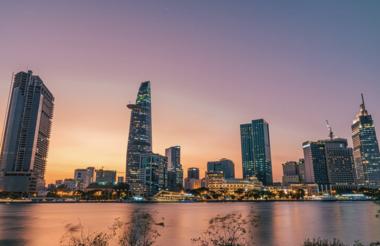
Saigon is Vietnam’s largest and most energetic city, a place of movement, commerce, history and reinvention. Officially known as Ho Chi Minh City, it’s still widely called Saigon, especially when referring to the central districts and the city’s old southern character.
This is the natural counterpoint to Hanoi. Where Hanoi feels older, more traditional and more reflective, Saigon is warmer, faster and more outward-looking. French colonial buildings, modern towers, busy markets, rooftop bars, old apartment blocks, hidden temples and endless streams of scooters all sit side by side.
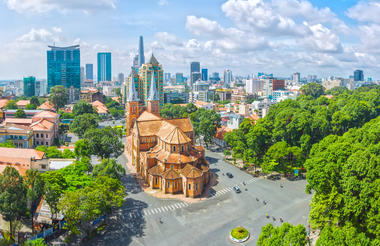
Most first-time visits focus on District 1, where many of the main sights are close together. Dong Khoi Street, the Saigon Opera House, Saigon Central Post Office, Notre-Dame Cathedral, Independence Palace and the War Remnants Museum all help tell the story of the city, from French Indochina to the Vietnam War and the rapid growth of modern Vietnam.
Saigon is also a superb food city. Travellers can enjoy classic southern dishes, strong Vietnamese coffee, market snacks, street-side grills and some of the country’s most creative contemporary dining. An evening street food tour, ideally by scooter with experienced local drivers, is one of the best ways to feel the rhythm of the city.
There are rewarding quieter moments too. The Jade Emperor Pagoda is atmospheric and incense-filled, while neighbourhoods such as Thao Dien offer riverside cafes, boutiques and a more relaxed expatriate-local mix. The city is also the main base for visiting the Cu Chi Tunnels and the Mekong Delta, both of which work well as day trips or deeper add-ons.
Saigon is busy, humid and sometimes overwhelming, but it’s also full of life and confidence. With the right pacing, a central hotel and a good local guide, it becomes one of Vietnam’s most fascinating and enjoyable city stays.
Mekong River Delta is one of the most distinctive regions in Vietnam, a vast, fertile landscape of rivers, canals, islands, rice fields, fruit orchards and river towns in the far south of the country. Formed by the many branches of the Mekong River as it spreads towards the sea, the Delta has long been one of Vietnam’s most important agricultural regions and is often described as the country’s “rice bowl”.
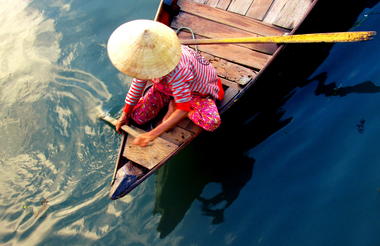
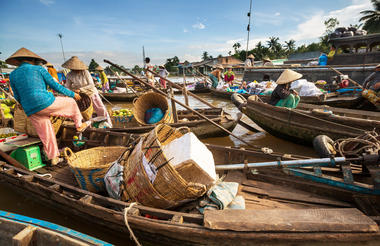
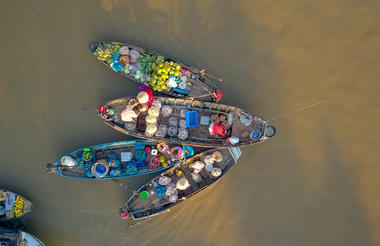
Life here is shaped by water. Boats carry fruit, vegetables, building materials and daily supplies, while houses, markets, workshops and farms are often linked as much by river as by road. Even where modern transport has changed daily routines, the river remains central to the identity and rhythm of the region.
For travellers, the Mekong River Delta offers a very different experience from Vietnam’s cities. Instead of high-rise skylines and busy boulevards, the appeal lies in small waterways shaded by palms, floating markets, cottage industries, village lanes, local temples and quiet moments on the river.
Highlights may include Ben Tre, known for coconut groves and traditional workshops, Can Tho and Cai Rang Floating Market, the fruit orchards around My Tho, and the quieter upper Delta areas near the Cambodian border.
The Delta is best explored slowly, either on a day trip from Saigon, an overnight stay, or as part of a river cruise between Vietnam and Cambodia. It’s a rewarding region for travellers who enjoy local life, gentle scenery and a closer understanding of how deeply the Mekong has shaped southern Vietnam.
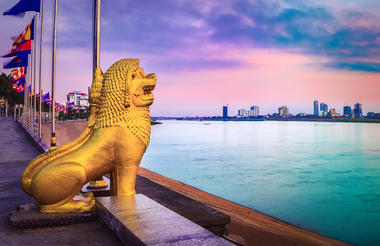
Phnom Penh is Cambodia’s capital and its most important city, set at the meeting point of the Mekong, Tonlé Sap and Bassac rivers. It’s a city of contrasts, where royal palaces, saffron-robed monks, busy markets, French colonial buildings, modern cafés and riverside life all sit alongside the country’s more difficult recent history.
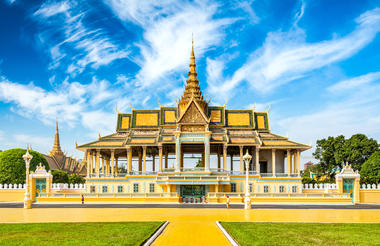
The city is best explored with time and context. The Royal Palace and Silver Pagoda give a glimpse of Cambodia’s royal traditions, with elegant Khmer architecture, gilded roofs and peaceful courtyards in the heart of the city. Nearby, the National Museum of Cambodia is one of the best places to understand the artistic and spiritual heritage of the Khmer world, especially before or after visiting Angkor.
Phnom Penh also asks visitors to engage with Cambodia’s 20th-century history. The Tuol Sleng Genocide Museum and Choeung Ek Killing Fields are deeply sobering, but important for understanding the resilience of the country and its people. These visits are best done with a thoughtful guide and enough time afterwards to pause and reflect.
For a lighter side of the city, wander the riverside promenade, explore Central Market or Russian Market, or stop at one of the city’s growing number of independent cafés, galleries and social enterprise shops. Phnom Penh is also one of the best places in Cambodia for food, from classic Khmer dishes to contemporary restaurants and lively street stalls.
Phnom Penh works well at the start or end of a Cambodia itinerary. It’s busy and sometimes confronting, but it’s also warm, engaging and essential to understanding Cambodia properly.
Siem Reap is the gateway to the temples of Angkor, but it’s much more than a base for sightseeing. This lively, welcoming town combines ancient history, good food, boutique hotels, craft shops, galleries and a growing creative scene, making it one of Cambodia’s most rewarding places to spend several days.
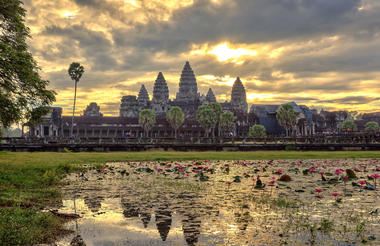
The great highlight is, of course, Angkor Archaeological Park, home to some of the most extraordinary temple sites in Asia. Angkor Wat is the icon, especially beautiful at sunrise, while Bayon is unforgettable for its serene carved faces and Ta Prohm for the way trees and ancient stone seem to have grown together. Beyond these famous sites, quieter temples such as Preah Khan, Banteay Srei and Beng Mealea add depth and variety, especially with a knowledgeable guide.
Back in town, Siem Reap has a relaxed, easy-going feel. The riverside is pleasant for a wander, while the Old Market, Made in Cambodia Market and small independent boutiques are good for local crafts, textiles and gifts. In the evening, the town comes alive with restaurants, cocktail bars and street food stalls, but it’s still easy to find quieter corners away from the bustle.
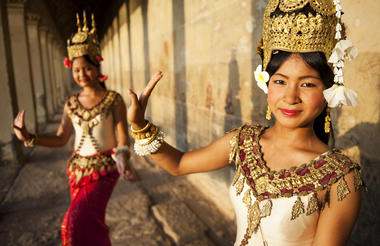
Siem Reap is also a good place for authentic local experiences, from Khmer cooking classes and countryside cycling to visits with artisans, village workshops and floating communities on Tonlé Sap.
Most travellers should allow at least three nights, with four giving a better pace. The temples are magnificent, but Siem Reap’s real appeal is the way it combines Cambodia’s ancient past with warm, creative and very human present-day life.
Hanoi is Vietnam’s capital and one of the country’s most atmospheric cities, with a character shaped by old trading streets, French colonial architecture, lakes, temples, markets and deeply rooted daily rituals. It has a more traditional feel than Saigon, and although the traffic can be busy, the city rewards slow wandering and curiosity.
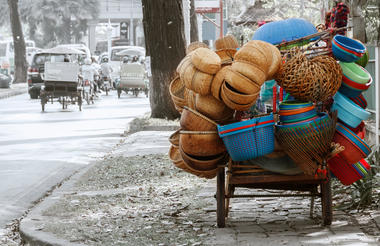
The heart of Hanoi is Hoan Kiem Lake, where local life begins early with walking, tai chi and quiet conversation under the trees. Nearby, the Old Quarter is a maze of narrow streets, small shops, food stalls, cafes and old merchant houses, with each area still carrying echoes of the traditional guilds that once traded there.
Hanoi is also an important cultural and historic centre. The Temple of Literature, Vietnam’s first university, offers a graceful introduction to Confucian heritage, while the Ho Chi Minh Mausoleum Complex, One Pillar Pagoda and Presidential Palace help explain the country’s modern history. The Vietnamese Women’s Museum and Vietnam Museum of Ethnology are both excellent for travellers wanting deeper insight into Vietnam’s society and ethnic diversity.
Food is a major reason to spend time here. Hanoi is the home of pho, bun cha, cha ca, egg coffee and some of Vietnam’s best street food. An evening food walk through the Old Quarter is a wonderful way to settle into the city, as small bowls, sizzling grills and hidden shop-house kitchens bring the streets to life.
Hanoi also works as the main gateway to northern Vietnam. From here, travellers can continue to Ha Long Bay, Ninh Binh, Sapa, Pu Luong, Ha Giang or Ba Be National Park, making it an essential starting point for wider exploration.
The city is best enjoyed with a balance of guided touring and free time. A good guide can bring its history into focus, but Hanoi’s real charm often lies in the small moments: coffee beside the lake, market scenes, faded villas and the steady rhythm of old streets.


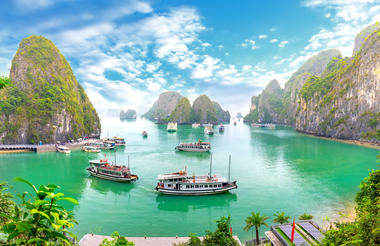
Ha Long Bay is one of Vietnam’s most famous natural sights, a spectacular seascape of limestone islands, emerald water, hidden caves and sheltered coves in the Gulf of Tonkin. It’s a classic inclusion in a first trip to Vietnam and still feels memorable, especially when experienced on an overnight cruise rather than as a rushed day trip.
The bay is known for its thousands of limestone karsts, many rising steeply from the water in dramatic shapes softened by forest and mist. The scenery changes constantly through the day, from pale morning light and low cloud to golden sunsets over the water, and even in cooler or mistier weather there’s a strong sense of atmosphere.
An overnight cruise is the best way to appreciate Ha Long Bay properly. Most journeys include time on deck, meals on board, cave visits, kayaking, swimming in season and gentle activities such as cooking demonstrations or early morning tai chi. Cabins vary from simple to very comfortable, and the right vessel makes a real difference to the experience.
Popular stops may include Sung Sot Cave, Titop Island, pearl farm areas or quieter sections towards Lan Ha Bay and Bai Tu Long Bay, depending on the cruise route. These neighbouring areas can feel slightly less busy and are worth considering for travellers who prefer a calmer experience.
Ha Long Bay works well after time in Hanoi, with road transfers now much easier than they once were. It’s not an undiscovered place, and some areas can be busy, but the scale and beauty of the landscape still make it worthwhile.
For most travellers, one night on the bay is enough to experience the scenery and atmosphere. Those wanting a slower pace, more kayaking and quieter cruising should consider a two-night option, which allows the boat to reach less crowded corners of this remarkable coastline.


Hue is Vietnam’s former imperial capital, set beside the Perfume River in central Vietnam, with a rich legacy of royal palaces, ancient tombs, pagodas, garden houses and distinctive regional cuisine. It has a quieter, more reflective atmosphere than Saigon or Hanoi, and rewards travellers who enjoy history, culture and a slower pace.
The city’s great landmark is the Imperial City, a vast walled citadel built by the Nguyen emperors in the early 19th century. Although parts were badly damaged during the wars, many gates, halls, courtyards and royal buildings have been restored, giving a strong sense of Hue’s former grandeur. A good guide makes a real difference here, helping bring the stories of emperors, mandarins and court life into focus.
Beyond the citadel, Hue’s royal tombs are among the most memorable sights in Vietnam. Minh Mang Tomb is elegant and classical, set among lakes, pavilions and pine trees, while Khai Dinh Tomb is more theatrical, combining Vietnamese and European influences with elaborate mosaics and hillside views. Tu Duc Tomb has a softer, more poetic atmosphere, with lakes, gardens and pavilions reflecting the emperor’s love of writing and contemplation.
The Thien Mu Pagoda, overlooking the Perfume River, is another essential stop, both for its graceful seven-storey tower and its role in Vietnam’s religious and political history. A boat trip on the river can be a gentle way to connect several of the city’s sights.
Hue is also one of Vietnam’s best food cities. Its imperial heritage shaped a refined cuisine of small, carefully balanced dishes, including banh khoai, bun bo Hue, delicate steamed rice cakes and sweet soups. An evening food tour by cyclo is a particularly enjoyable way to explore the city.
Hue works beautifully between Hoi An and Hanoi, and the drive over the Hai Van Pass adds one of central Vietnam’s most scenic road journeys.


Hoi An is one of Vietnam’s most charming towns, set on the Thu Bon River in central Vietnam, with a beautifully preserved old quarter, lantern-lit streets, riverside cafes, traditional houses and easy access to the coast. It’s often a favourite stop on a Vietnam itinerary because it combines history, atmosphere, food, shopping and beach time in a very easy, enjoyable way.
The heart of the town is Hoi An Ancient Town, a former trading port shaped by Vietnamese, Chinese, Japanese and European influences. Its old merchant houses, assembly halls, temples and narrow lanes are best explored on foot, particularly in the morning before the town becomes busier or in the evening when lanterns glow across the river.
Key sights include the Japanese Covered Bridge, Phuoc Kien Assembly Hall, Quan Cong Temple, Old House of Tan Ky and the lively Hoi An Market. A good guided walk helps bring the town’s trading history to life, but Hoi An is also made for unhurried wandering, with small shops, tailors, galleries and cafes tucked into its historic streets.
Food is one of Hoi An’s great pleasures. Local specialities include cao lau, white rose dumplings, banh mi and fresh seafood from the nearby coast. Cooking classes are especially popular here, often combining a market visit, basket boat ride and hands-on lesson in a village setting.
Hoi An also offers easy access to An Bang Beach, the countryside of Cam Thanh and Tra Que Vegetable Village, plus the Cham temple ruins of My Son Sanctuary. This makes it a very flexible base, with enough to fill several days without feeling rushed.
Hoi An is popular, so it’s not undiscovered, but its appeal is genuine. With a well-located hotel, time to explore beyond the busiest streets and a little space for beach or countryside, it remains one of the most rewarding and enjoyable places to stay in Vietnam.


