


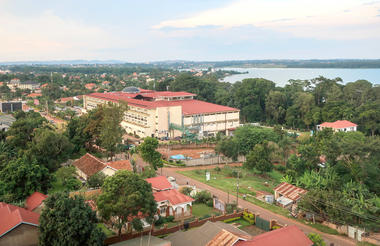
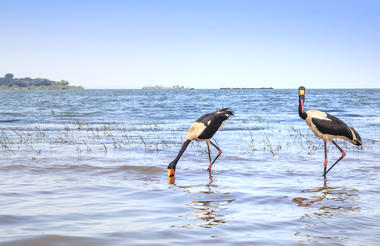
Entebbe sits on a peninsula along the northern shores of Lake Victoria in central Uganda, offering a calm, green retreat within easy reach of the country’s main international airport. Its character is defined by palm-lined roads, botanical gardens and a relaxed lakeside atmosphere that feels far removed from the pace of larger cities. Visitors can cruise across Africa’s largest lake, spot rare shoebills in nearby wetlands, or explore wildlife conservation centres that provide insight into Uganda’s remarkable biodiversity. The sight of fishing boats drifting across sunlit waters, the rustle of lakeside trees and the calls of colourful birds create a soothing backdrop throughout the day. Entebbe is not a bustling urban destination; its appeal lies in nature, tranquillity and unhurried exploration.
Imposing cone-shaped hills cradle tranquil calderas in the enchanting Ndali-Kasenda Crater Lakes in Western Uganda near Kibale Forest and Queen Elizabeth National Parks. Formed about 8-10,000 years ago by volcanic activity, these craters now hold a variety of lakes. Some boast clear, blue water, while others remain emerald green with a sulfuric odour due to residual volcanic gases. Lush vegetation cloaks the crater rims, offering views of nearby hills, tea plantations, and even the Rwenzori Mountains on clear days. While some lakes are safe for swimming, others contain toxic water and should be avoided. Activities around the lakes include nature walks, boat rides, bird-watching and visiting the "Top of the World" viewpoint for panoramic vistas.

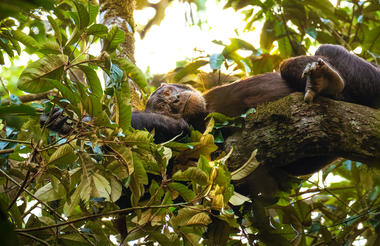

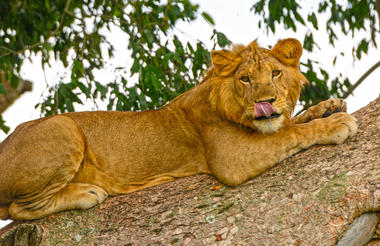
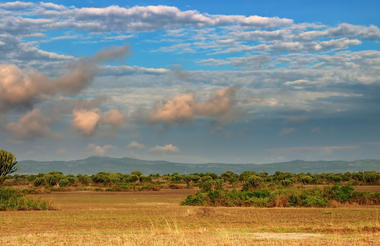
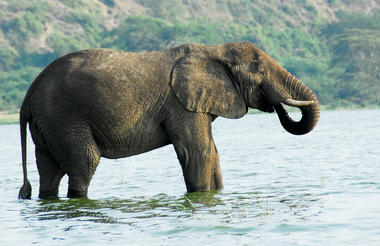
Stretching across Uganda’s western region, Queen Elizabeth National Park lies between Lake Edward and Lake George, interconnected by the Kazinga Channel. Established in 1952 as Kazinga National Park and renamed after Queen Elizabeth II’s visit in 1954, the park encompasses diverse landscapes. Rolling savannah, humid tropical forests, crater lakes, and fertile wetlands create habitats for a remarkable range of wildlife. Over 95 mammal species roam here, including elephants, lions, and Uganda kob, while 600 bird species make it a haven for ornithologists. The Ishasha sector is renowned for tree-climbing lions, and Kyambura Gorge is home to chimpanzees. Boat cruises along the Kazinga Channel reveal hippos basking, crocodiles sunning themselves, and herds of elephants and buffaloes drinking at the water’s edge. This waterway also attracts an array of birdlife, from fish eagles to pelicans. Visitors enjoy game drives on the Mweya Peninsula, cultural encounters with nearby communities, and the striking salt pans of Katwe. The park’s scenic beauty, framed by the Rwenzori Mountains, complements its biodiversity and cultural richness.
Located in southwestern Uganda, the Bwindi Impenetrable National Park is said to be Africa’s oldest rainforest. It is world-renowned for its excellent gorilla-sighting opportunities - the forest is home to half of the remaining mountain gorillas on earth. This gorilla experience takes place among a rugged landscape of dense jungle, cascading waterfalls, sparkling mountain streams, deep valleys, and steep ridges. The untouched forest has been declared a UNESCO World Heritage Site for its breathtaking natural beauty and unique ecological significance. Aside from the amazing gorilla interactions, there are other drawcards such as a network of forest walks, over 340 species of bird to spot, and a variety of brightly-coloured butterflies to identify.


