


Peru is most famous for the sacred archaeological site of Machu Picchu – visited each year by scores of intrepid hikers who brave the Inca Trail’s arduous slopes to explore the age-old ruins. The country’s attractions extend far beyond the mystical allure of this legendary location and include palm-fringed beaches, quaint Andean villages and archaeological treasures that predate Machu Picchu by hundreds of years – all imbued with the nation’s rich melange of indigenous and colonial cultures. Equally enticing are the exotic reaches of Peru’s Amazon rainforest; Lima’s superb eateries, exquisite architecture and effervescent nightlife; the glittering, mountain-ringed waters of Lake Titicaca; and the vibrant city of Cusco, referred to by the Incas as ‘the centre of the world’.
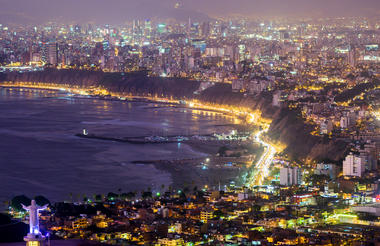
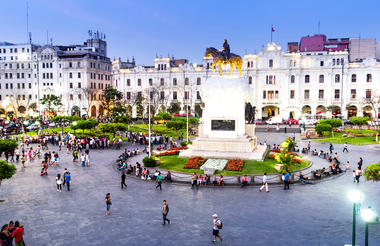
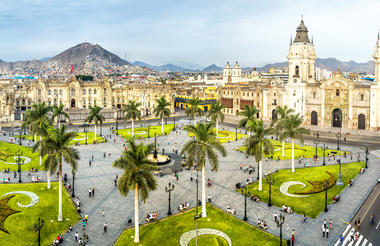
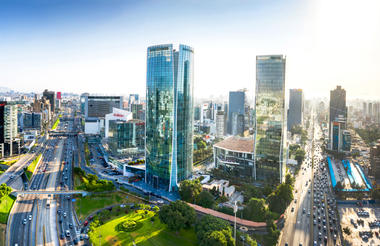
Peru’s capital is a fantastic city to tour, dotted with a multitude of cultural sites and beautifully preserved architecture. Founded by the conquistador Francisco Pizarro in 1535, Lima was first named ‘City of Kings’ – a biblical reference to the ‘Three Wise Men of the East’ – before its name was changed by the Spanish colonialists. The most significant historical buildings are located around the Plaza Mayor, the most notable being the Government Palace, where one can still observe the changing of the guard performed by the Húsares de Junín. The beautiful Cathedral and the various small palaces and colonial balconies also play also their part in the beauty of the city. Another highlight is the famed Larco Herrera Museum, documenting the millennial cultures that preceded the Inca civilization and containing a priceless collection of pre-Columbian artifacts, including some of South America's finest pre-Inca erotic pottery.

As previously described

Arequipa lies in southern Peru, set in the Andes beneath the imposing Misti volcano. Known as the "White City", it is a cultural destination celebrated for its colonial architecture, distinctive cuisine and dramatic volcanic landscapes. Its UNESCO-listed historic centre features elegant buildings crafted from white volcanic stone, atmospheric plazas and the remarkable Santa Catalina Monastery, a colourful complex of narrow streets and peaceful cloisters. Visitors can admire panoramic views from the Yanahuara viewpoint, explore traditional neighbourhoods and sample regional specialities such as rocoto relleno at local picanterías. Arequipa also serves as a gateway to the spectacular Colca Canyon, where travellers can hike through Andean scenery and look out for Andean condors soaring above the valley. Its blend of history, gastronomy and outdoor adventure makes it a memorable Peruvian destination.


Colca Canyon is a spectacular Andean landscape in southern Peru's Arequipa region, centred on the Colca Valley and its dramatic, deeply incised canyon. With depths exceeding 3,000 metres, it is one of the world's deepest canyons and is part of the UNESCO Global Geopark of Colca and Volcanoes of Andagua. The destination combines dramatic mountain scenery with traditional Andean communities, agricultural terraces and high-altitude villages such as Chivay and Cabanaconde. Travellers come to hike and trek through the canyon, soak in natural hot springs and experience local culture, while the famous Cruz del Condor viewpoint offers opportunities to watch Andean condors soaring above the valley.


Situated high in the Andes Mountains on the border between Peru and Bolivia, Lake Titicaca is considered the highest commercially navigable lake in the world. The area was once a stronghold of Inca culture – and this ancient legacy is still evident in the many Inca ruins dotted across the shoreline, as well as the vibrant traditional handwoven textiles and clothes. Among the lake’s most popular attractions are the 42 floating reed islands of the Uros people, accessible from Puno in the east. On Santa Maria, the largest of these, tourists can arrange tours into private local homes to experience traditional culture.


As previously described


Paracas is a coastal town in Peru's Ica region, where the Pacific Ocean meets a stark coastal desert. It is a nature and adventure destination centred on the Paracas National Reserve, a vast protected area of desert landscapes, dramatic cliffs, beaches and rich marine ecosystems. Travellers can take boat trips around the Ballestas Islands to see sea lions, Humboldt penguins and abundant seabirds, while the reserve offers spectacular viewpoints, the red-sand shores of Playa Roja, and opportunities for hiking, cycling, wildlife watching, kitesurfing and windsurfing. The mysterious Candelabra geoglyph adds a cultural dimension and is visible from the sea en route to the islands. Paracas' striking combination of desert scenery, marine wildlife, watersports and rugged coastline gives it a distinctive character on Peru's southern coast.


