


Zimbabwe is a captivating destination in southern Africa, renowned for its dramatic landscapes, abundant wildlife, and rich cultural heritage. The country is home to some of the continent’s most iconic natural attractions, including Victoria Falls, one of the world’s largest waterfalls, where the mighty Zambezi River plunges into a deep gorge in a spectacular display of power. Wildlife enthusiasts can explore Hwange National Park, famous for its large elephant population and diverse game viewing opportunities, or visit Mana Pools National Park, a UNESCO World Heritage Site known for its walking safaris, canoeing adventures, and close wildlife encounters. Lake Kariba, one of the world's largest man-made lakes, offers scenic boat cruises, excellent fishing, and breathtaking sunsets. Combining adventure, natural beauty, and authentic safari experiences, Zimbabwe remains one of Africa’s most rewarding travel destinations.


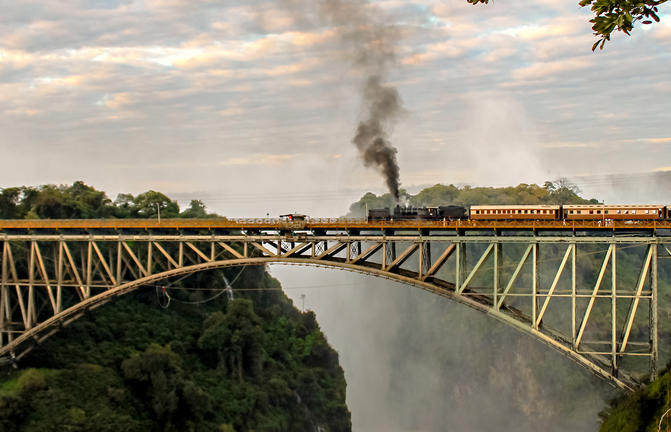
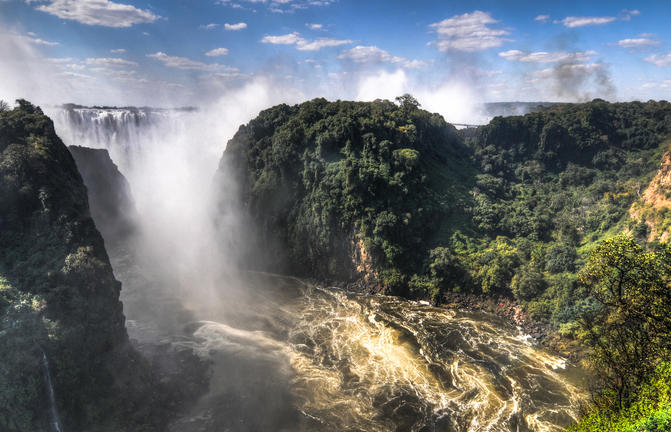


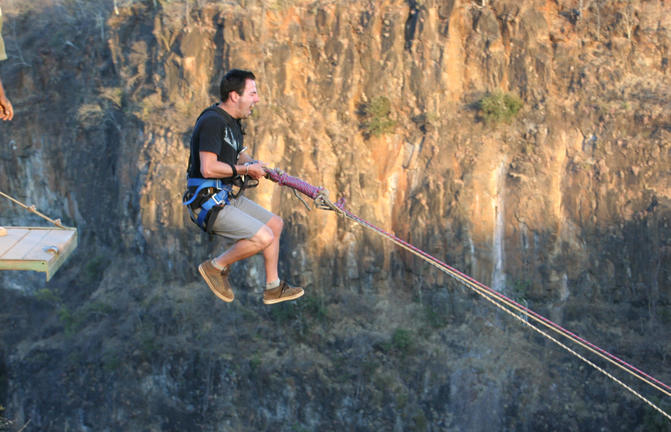
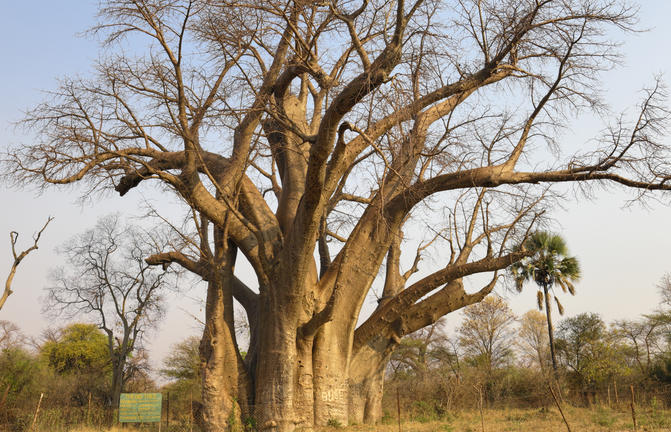

Known locally as Mosi-oa-Tunya—“The Smoke That Thunders”—Victoria Falls is one of the world’s great natural landmarks. Straddling the Zambezi River between Zambia and Zimbabwe, it forms a vast curtain of water that fills the air with mist and sound. The Zimbabwean side grants the most dramatic views, where mist rises like ghostly curtains and rainbows arc through the spray. Measuring about 1,708 metres across, it is regarded as the largest single continuous sheet of falling water on Earth. The adjacent town of Victoria Falls provides a convenient base for exploring the region, with a wide range of activities from scenic flights and microlight trips to white-water rafting, bungee jumping, kayaking, and safaris into Chobe National Park.
Situated in the southern reaches of Africa, Botswana is renowned for its pristine wilderness areas characterised by deep lagoons, wetlands, lush palms, rugged hills and desert plains. The country’s primary tourist drawcard is undoubtedly the vast red expanse of the Kalahari Desert and its remarkably beautiful Okavango Delta, the largest inland delta in the world. These natural wonders provide a tranquil haven for an abundance of African wildlife to thrive. Other highlights include the impressive Makgadikgadi Salt Pans, where visitors are privy to massive zebra migrations during the flood season; the Savuti plains, which host a significant pride of lions; and the Tsodilo Hills, where 4500 rock paintings form a unique record of human settlement over many millennia.
Situated in northeastern Botswana on the banks of the Chobe River, the town of Kasane is the main gateway to Chobe National Park and one of southern Africa's premier safari destinations. Renowned for its exceptional wildlife viewing, Kasane offers game drives and river cruises where visitors can encounter large herds of elephants, buffalo, hippos, and crocodiles, as well as abundant birdlife. Its location near the borders of Botswana, Namibia, Zambia and Zimbabwe also makes it a convenient base for exploring the wider region. Golden sunsets reflected on the river, the sounds of wildlife and a relaxed safari atmosphere combine to make Kasane an unforgettable destination for nature lovers.


Situated in the northwestern area of the Okavango Delta, the Panhandle is a stretch of the Okavango River that follows a more-or-less straight course for approximately 70 kilometres before entering the wetlands. This deep channel serves as the main water source feeding the delta and offers excellent tiger and bream fishing, while the surrounding woodlands and the river’s shallow waters teem with a myriad of birds. The Okavango Panhandle is dotted with several villages and serves as a gateway to the scenic Tsodilo Hills, some 40 kilometres west, with their various tribal cave paintings, some dating back as far as 20 000 years. Visitors can enjoy excellent fishing, first-class birding, boating on the Okavango River and game viewing in the Mahangu National Park.
Located in southwestern Africa, Namibia boasts a well-developed infrastructure, some of the best tourist facilities in Africa, and an impressive list of breathtaking natural wonders. Visitors can explore the capital of Windhoek and discover the lovely coastal town of Swakopmund, which boasts remnants of the country’s German influence, reflected in its architecture, culture, cuisine, and the annual Oktoberfest celebrations. To properly appreciate this extraordinary country, you will have to venture out of the cities to explore the remarkable natural landscapes Namibia has to offer. These include: the impressive Fish River Canyon; the vast Etosha National Park teeming with abundant wildlife, such as lions, desert-adapted elephants and the Hartmann's Mountain Zebra; the hauntingly beautiful Kalahari Desert; and, ofcourse, the Namib Desert stretching for over 2000 km along the magnificent Atlantic Coast. Namibia is an ideal destination for travellers seeking an unforgettable African experience in a uniquely beautiful, untamed wilderness.
Bordering Angola, on the banks of the Okavango River in northern Namibia, the town of Rundu serves as the capital of the eastern Kavango region. Rundu is renowned for its local woodcarvers market and is filled with impressive woodcarvers' workshops. The town provides a great stopover to refuel for visitors heading to Katima Mulilo, enthralling Popa Falls, or Mahangu Game Reserve, home to the endangered wild dog and lion, leopard, elephant, cheetah, and hippo. Visitors to Rundu can also look forward to great game viewing, excellent bird watching as well as kayaking on the spectacular Kavango River.


Situated along the southern boundary of Etosha National Park in northwestern Namibia, Etosha South encompasses the park's southern safari region and a collection of private game reserves and lodges. The park is accessed via Andersson Gate, placing visitors within easy reach of renowned waterholes and excellent wildlife viewing. Lions, elephants, giraffes, white and black rhinos, and a wide variety of antelope are among the species commonly seen. Guided 4×4 game drives are the main attraction, with half- and full-day safaris available, some including picnic lunches in the bush.
Located in Namibia's Kunene region, the city of Outjo is known as the gateway to Etosha. Outjo’s central position also makes it an excellent stopover en route to the Skeleton Coast and Damaraland, but that’s not the only reason to visit this small town. Set amidst rolling hills, Outjo is a charming getaway boasting attractive forest and savannah surrounds, friendly locals and several historical sites. Roughly an hour’s drive to the west you will find the Ugab Rock Finger, a 35-metre high stone monolith, while slightly further on is a 250-million-year-old petrified forest. Visitors can look forward to a variety of interesting sights including: visiting the local Franke Haus Museum, for a historical account of the area; and exploring the nearby Hopewell Farm to find magnificent volcanic tiger's eye deposits.


Set between the rolling dunes of the Namib Desert and the icy Atlantic coastline, Swakopmund is a relaxed seaside town in western Namibia known for its German colonial architecture, cool coastal climate, and adventurous spirit. Palm-lined streets, historic buildings, and ocean fog create an atmosphere unlike anywhere else in the country. Travellers visit for desert activities such as quad biking, sandboarding, and scenic flights over vast dunes and shipwreck-strewn shores. Cafés, bakeries, and small museums add to the town's laid-back charm, though the Atlantic waters are brisk rather than tropical. With its striking desert-meets-ocean setting and mix of adventure and history, Swakopmund is one of Namibia's most distinctive destinations.
As there is no accommodation at Sossusvlei, visitors to this desert wilderness are likely to end up staying at Sesriem, 65 kilometres away, where camps and lodges serve as a base from which to explore the dunes. Sesriem Canyon, a deep chasm carved through the rocks by water, is a striking natural feature of the area that is best explored on foot. Stony walls rise up sharply on both sides of the canyon, while birds roost in its crags and lizards dart along the ledges. The canyon’s name was coined when early settlers used it as a water source, using six lengths of leather (‘ses riem – six thongs) tied together to lower buckets into the water at the base of canyon.)


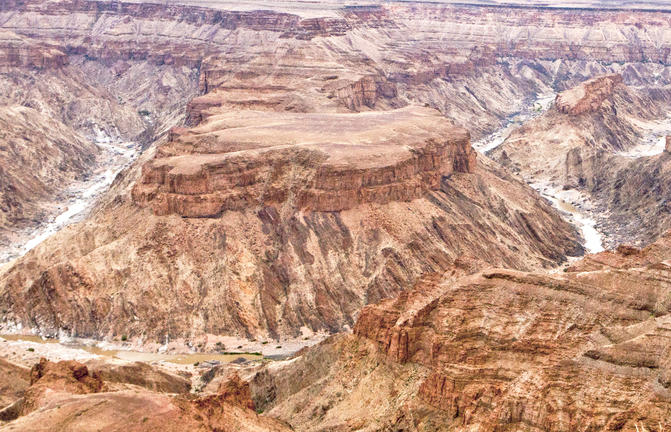
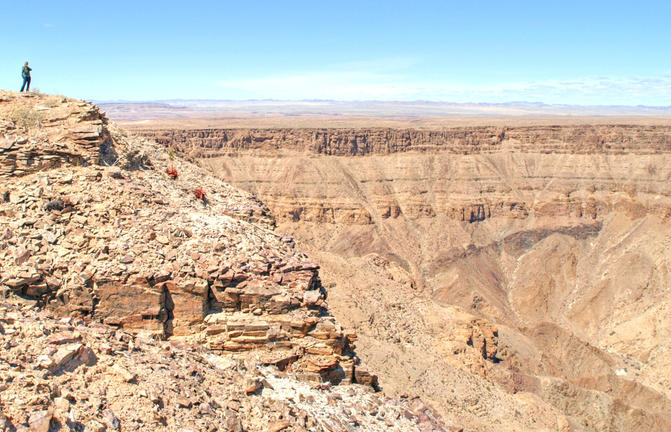
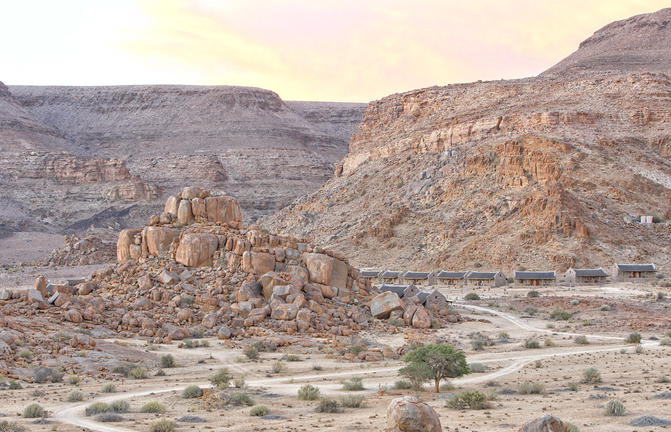
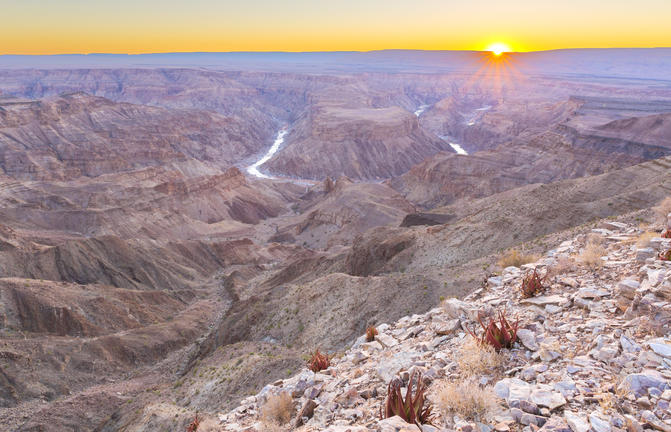
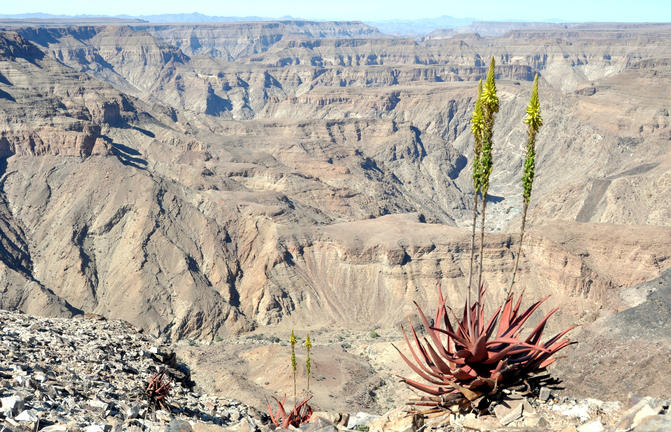
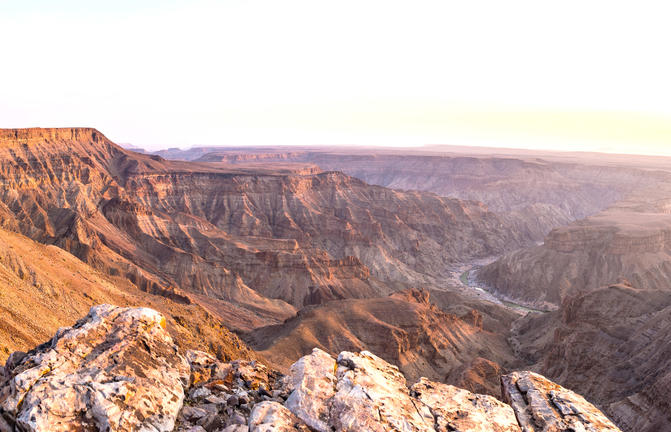
Carving out an epic rocky wonderland in southern Namibia, the Fish River has created Africa’s largest, and the world’s second-largest, canyon. Hot, dry and dramatic, the Fish River Canyon stretches for an astonishing 160 kilometres, reaching up to 27 kilometres wide and 550 metres deep. Its vast, rugged beauty draws visitors from across the globe. Adventurers can tackle the challenging 85 kilometre Fish River Hiking Trail, which winds through 1.5 billion years of geological history, while those seeking rest can soak in the mineral-rich hot springs of Ai-Ais or admire breathtaking views from Hobas Restcamp and other viewpoints along the rim. Scenic chartered flights, horse riding, nature drives, and seasonal kayaking complete this unforgettable Namibian experience.
One of the most culturally and geographically diverse places on earth, South Africa, fondly known by locals as the 'Rainbow Nation', boasts 11 official languages, and its inhabitants are influenced by a fascinating mix of cultures. Discover the gourmet restaurants, impressive art scene, vibrant nightlife, and beautiful beaches of Cape Town. Enjoy a local braai (barbecue) in the Soweto township, browse the bustling Indian markets in Durban, or sample some of the world's finest wines at the myriad wine estates dotting the Cape Winelands. Some historical attractions to explore include the Zululand battlefields of KwaZulu-Natal, the Apartheid Museum in Johannesburg, and Robben Island, just off the coast of Cape Town. Above all else, its untamed wilderness is astonishing: wildlife roams freely across massive unfenced game reserves such as the world-famous Kruger National Park.
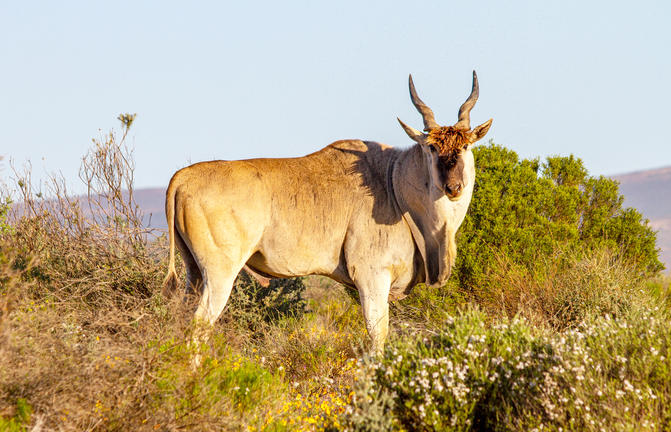
Combining the former Kalahari Gemsbok National Park of South Africa and the Gemsbok National Park in Botswana, the enthralling Kgalagadi Transfrontier Park is a wonderland of bright orange dunes, spectacular wildlife and fascinating flora. This hauntingly beautiful desert land is part of Africa’s first transfrontier park, ensuring that conservation is the top priority for this vast ecosystem and its inhabitants - it also supports and protects the indigenous people here, the ‡Khomani San and Mier communities. Visitors can look forward to spotting lions, leopards, hyenas, cheetahs, blue wildebeest, springbok, eland, and more than 200 bird species, including migrating flamingos and pelicans, and numerous raptors. Some of the activities on offer include game drives, 4x4 excursions, hiking, swimming, eco trails, star-spotting and nature photography.


The pretty, underrated farm town of Kakamas rests on the banks of the Orange River in the Northern Cape, near the border with Namibia and just south-west of Upington. Boasting gorgeous natural springs, excellent wine tasting opportunities and a private game reserve, the town is a little-known destination with much to offer. Visitors can relax in the stunning, turquoise The Riemvasmaak Hot Springs which have been converted into pristine pools set deep in the ravines, surrounded by wild fig trees. Animal lovers can spot leopards and a huge array of brightly coloured birds at the Khamkirri Private Game Reserve, while gourmands can indulge in a range of spectacular flavours at the wine estates and world-class restaurants. Other highlights include: functioning water wheels on the canals, the historic German war graves, and a range of outdoor sports.
Set within the rugged mountains of the Western Cape, the Cederberg is a remote wilderness of burnt-orange rock formations, ancient San rock art, and wide valleys scented with fynbos after rain. The atmosphere is quiet and elemental, shaped by dramatic cliffs, star-filled skies, and long stretches of untamed landscape. Travellers come for hiking through sandstone trails, swimming in natural rock pools, and discovering formations such as the Maltese Cross and Wolfberg Arch. Rooibos tea farms and small rural communities add a distinctly local character to the region. While summer days can be intensely hot and distances between attractions are considerable, the Cederberg rewards visitors with solitude, crisp mountain air, and a rare sense of stillness far from South Africa’s busier destinations.




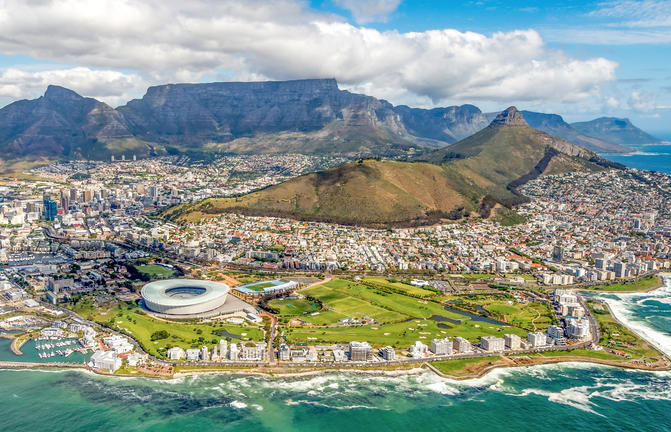
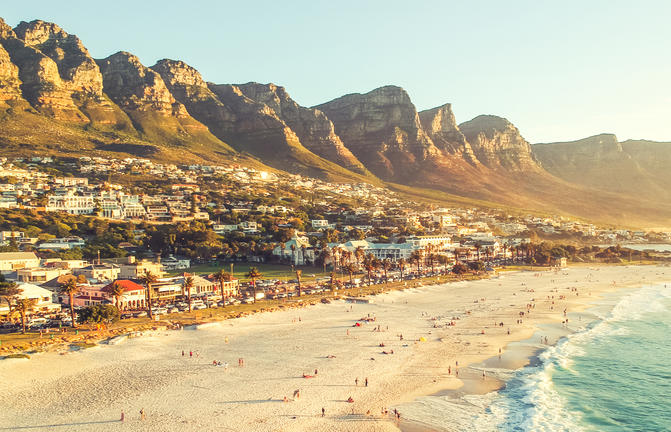
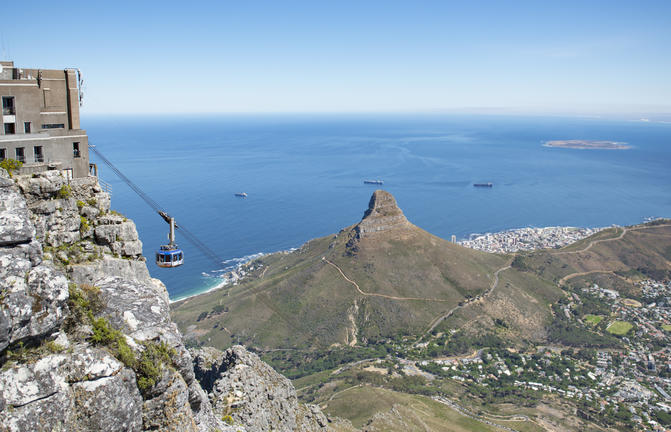
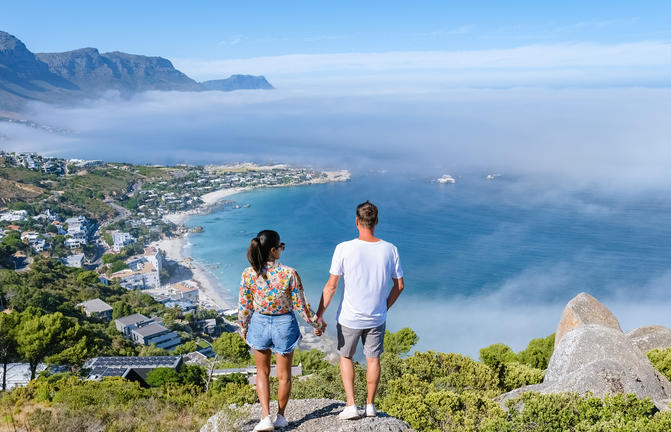
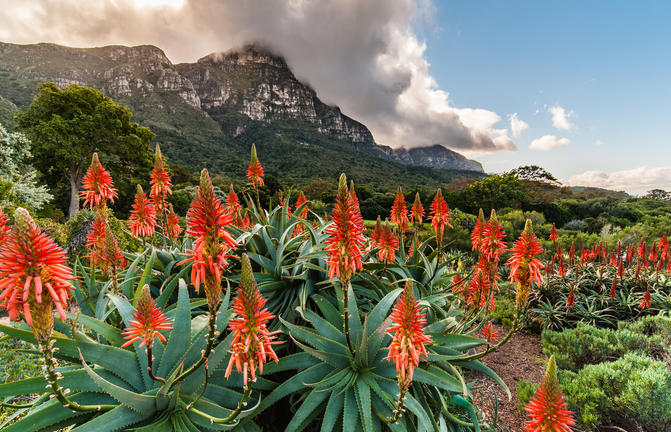
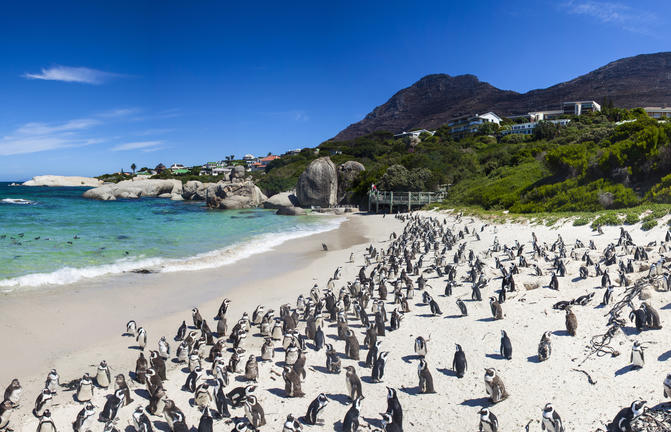
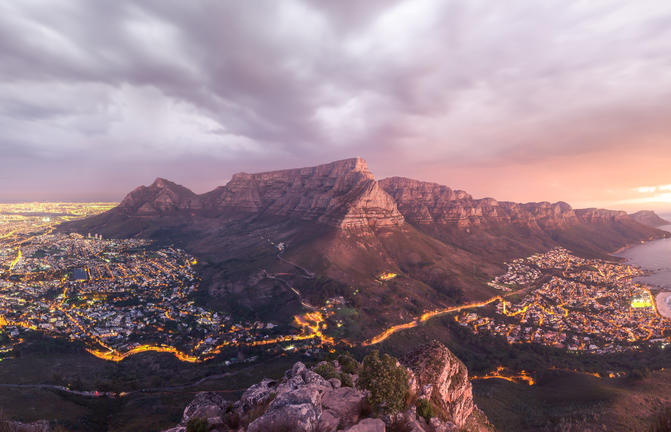
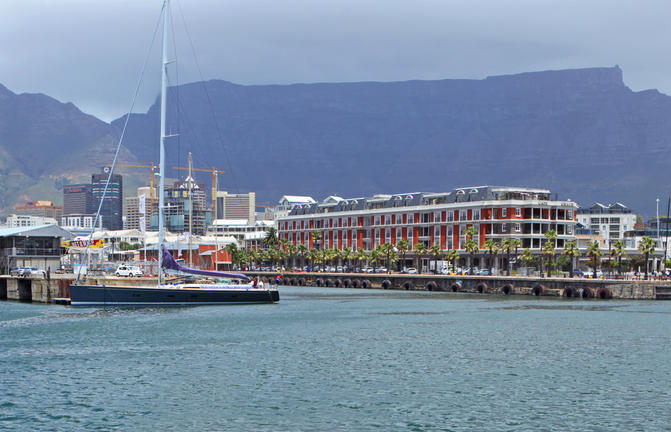
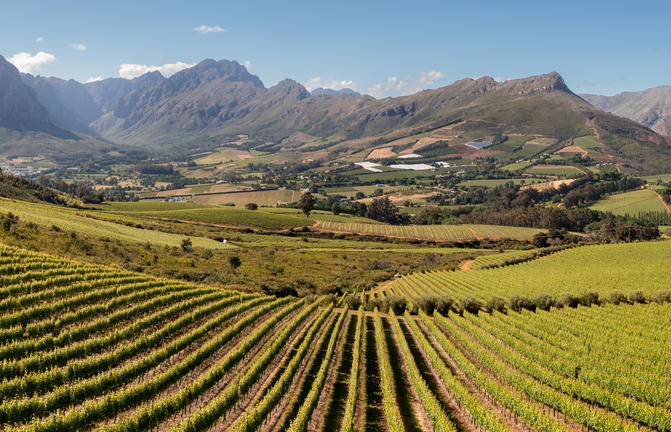

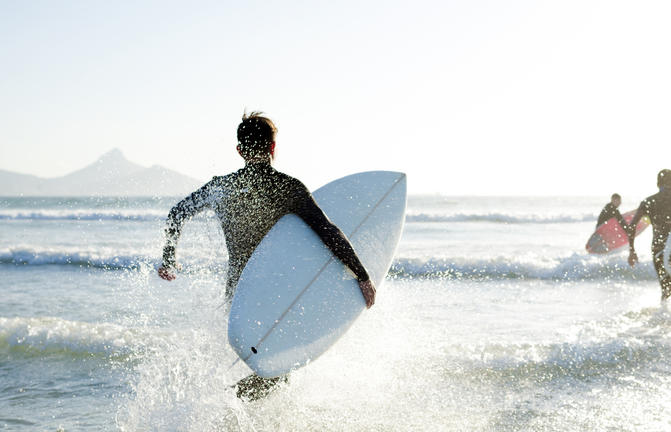
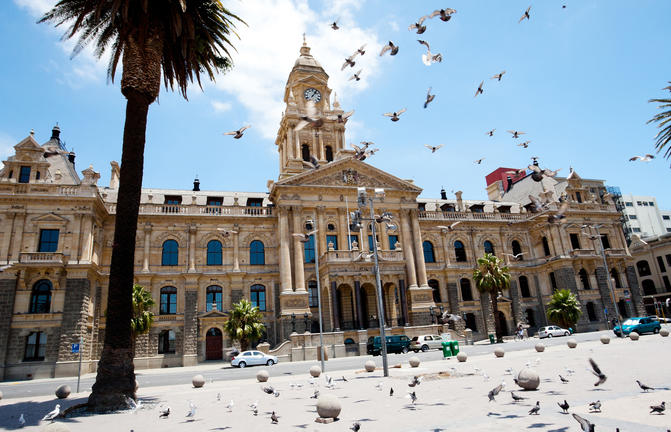
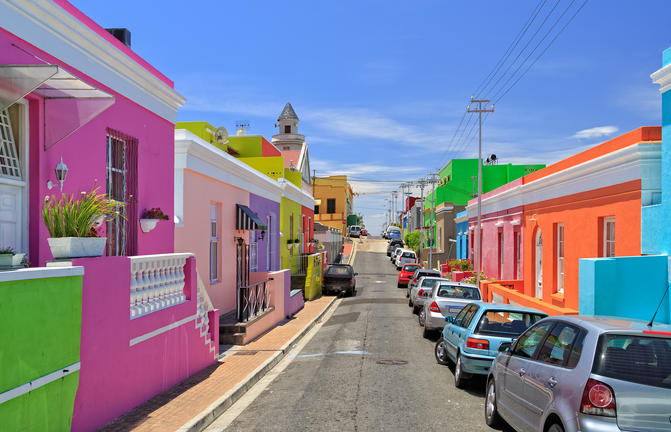
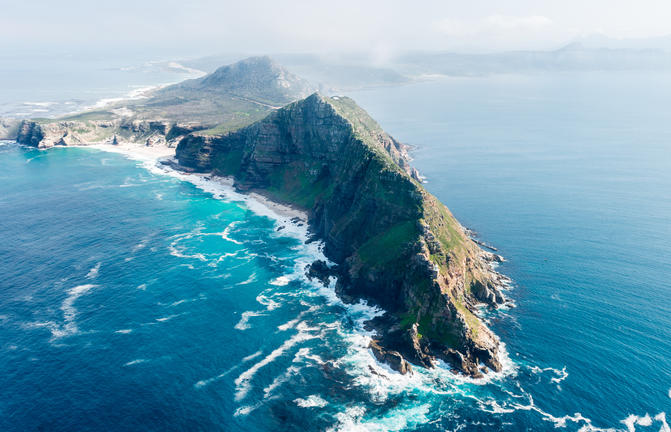
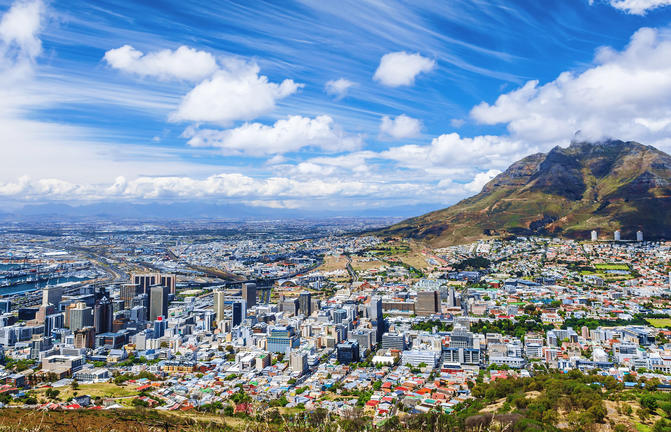
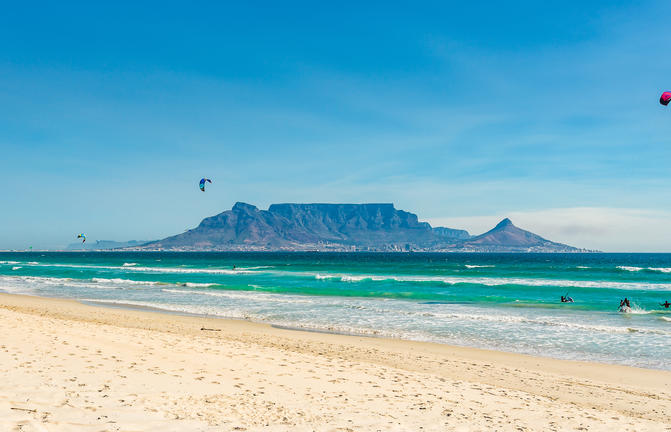
Set at the confluence of the Indian and Atlantic oceans and backed by the iconic Table Mountain, the bustling city of Cape Town presents an alluring combination of drawcards. Incredible powdery white beaches, highly acclaimed wine routes, and astonishingly beautiful mountain trails surround a cosmopolitan hub. This diverse metropolis is filled with superb shops and restaurants, extraordinary heritage monuments, a multitude of entertainment venues, and a spectacular, chic waterfront harbour. Highlights include the Zeitz Museum of Contemporary African Art; Table Mountain's jaw-dropping views; Boulders Beach, where penguins might swim right up to you in the warm Indian ocean waters; the Kirstenbosch Botanical Gardens, where you can walk along a treetop canopy among incredible native flora or watch an open-air concert at the base of the mountain; Robben Island, where visitors can see the cell where Nelson Mandela was imprisoned for 18 years; and many more.


