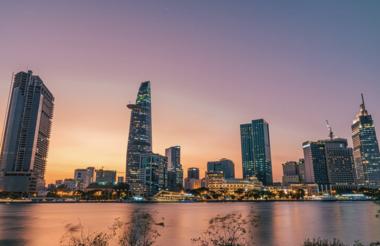
Saigon is Vietnam’s largest and most energetic city, a place of movement, commerce, history and reinvention. Officially known as Ho Chi Minh City, it’s still widely called Saigon, especially when referring to the central districts and the city’s old southern character.
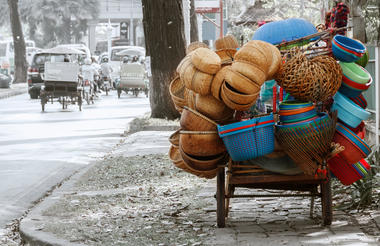
This is the natural counterpoint to Hanoi. Where Hanoi feels older, more traditional and more reflective, Saigon is warmer, faster and more outward-looking. French colonial buildings, modern towers, busy markets, rooftop bars, old apartment blocks, hidden temples and endless streams of scooters all sit side by side.
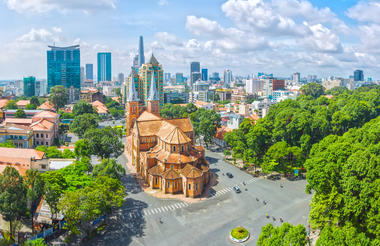
Most first-time visits focus on District 1, where many of the main sights are close together. Dong Khoi Street, the Saigon Opera House, Saigon Central Post Office, Notre-Dame Cathedral, Independence Palace and the War Remnants Museum all help tell the story of the city, from French Indochina to the Vietnam War and the rapid growth of modern Vietnam.
Saigon is also a superb food city. Travellers can enjoy classic southern dishes, strong Vietnamese coffee, market snacks, street-side grills and some of the country’s most creative contemporary dining. An evening street food tour, ideally by scooter with experienced local drivers, is one of the best ways to feel the rhythm of the city.
There are rewarding quieter moments too. The Jade Emperor Pagoda is atmospheric and incense-filled, while neighbourhoods such as Thao Dien offer riverside cafes, boutiques and a more relaxed expatriate-local mix. The city is also the main base for visiting the Cu Chi Tunnels and the Mekong Delta, both of which work well as day trips or deeper add-ons.
Saigon is busy, humid and sometimes overwhelming, but it’s also full of life and confidence. With the right pacing, a central hotel and a good local guide, it becomes one of Vietnam’s most fascinating and enjoyable city stays.
Siem Reap is the gateway to the temples of Angkor, but it’s much more than a base for sightseeing. This lively, welcoming town combines ancient history, good food, boutique hotels, craft shops, galleries and a growing creative scene, making it one of Cambodia’s most rewarding places to spend several days.
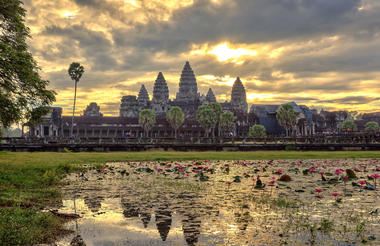
The great highlight is, of course, Angkor Archaeological Park, home to some of the most extraordinary temple sites in Asia. Angkor Wat is the icon, especially beautiful at sunrise, while Bayon is unforgettable for its serene carved faces and Ta Prohm for the way trees and ancient stone seem to have grown together. Beyond these famous sites, quieter temples such as Preah Khan, Banteay Srei and Beng Mealea add depth and variety, especially with a knowledgeable guide.
Back in town, Siem Reap has a relaxed, easy-going feel. The riverside is pleasant for a wander, while the Old Market, Made in Cambodia Market and small independent boutiques are good for local crafts, textiles and gifts. In the evening, the town comes alive with restaurants, cocktail bars and street food stalls, but it’s still easy to find quieter corners away from the bustle.
Siem Reap is also a good place for authentic local experiences, from Khmer cooking classes and countryside cycling to visits with artisans, village workshops and floating communities on Tonlé Sap.
Most travellers should allow at least three nights, with four giving a better pace. The temples are magnificent, but Siem Reap’s real appeal is the way it combines Cambodia’s ancient past with warm, creative and very human present-day life.