Franschhoek is a picturesque village in South Africa's Cape Winelands, nestled in a valley surrounded by dramatic mountains in the Western Cape. Renowned for its wine estates, fine dining and French Huguenot heritage, it brings together wine, gastronomy, cultural heritage and spectacular mountain scenery. Visitors can sample local wines at historic wine estates, enjoy leisurely journeys aboard the Franschhoek Wine Tram and savour exceptional cuisine at acclaimed restaurants. The village's oak-lined main street features art galleries, boutiques and cafés, while the Huguenot Monument and Museum explore the history of the French Huguenots in South Africa. Beyond its culinary and cultural attractions, Franschhoek offers hiking trails in Mont Rochelle Nature Reserve, where visitors can enjoy panoramic views across the valley and vineyards.


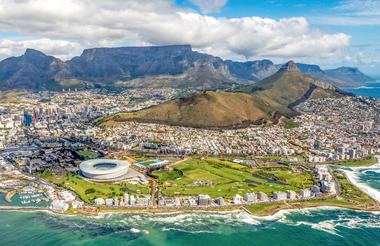
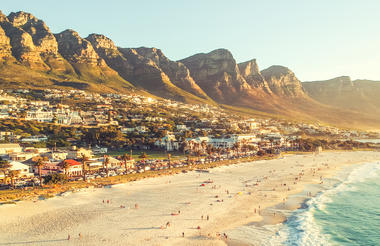
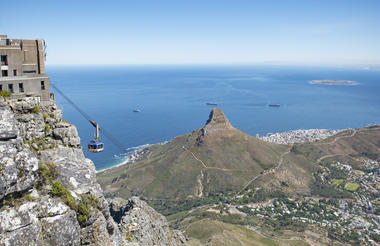
Resting at the confluence of the Indian and Atlantic Ocean, sandwiched between the slopes of the iconic Table Mountain and the glistening sapphire waters of Table Bay, the exceptionally scenic city of Cape Town is in a class of its own. Some cities boast rich culture, vibrant nightlife, a cosmopolitan atmosphere and extraordinary architecture, while others boast breathtaking landscapes and extraordinary natural wonders. Cape Town is lucky enough to be blessed with all of these attractions and so much more. With its bustling harbour, world-class beaches, top-notch vineyards, and its mountainous surroundings brimming with diverse flora and fauna, Cape Town consistently captivates the hearts of all who visit.
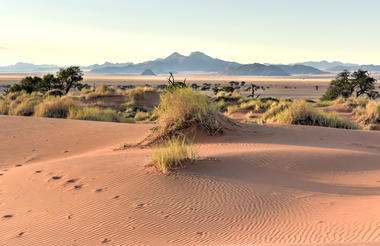
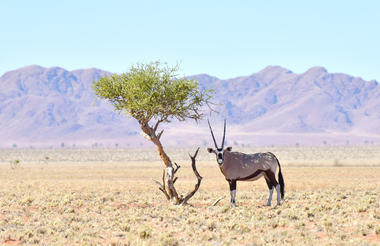
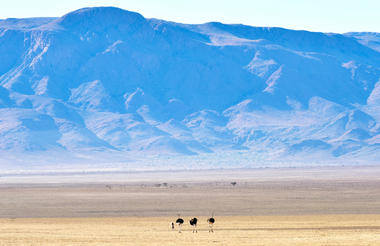
Spanning more than 172,000 hectares and encompassing several distinct desert ecosystems, the NamibRand Nature Reserve in southern Namibia is one of the largest private nature reserves in Southern Africa. Founded to conserve the unique ecosystem and biodiversity of the Namib Desert, the reserve's mix of dunes, mountains, rocky outcrops, sandy flats, and gravel plains provides habitats for a diversity of mammals, including hyenas, jackals, foxes, antelopes, and various wild cats. The reserve is also home to numerous bird species, reptiles, insects, and amphibians, alongside an array of plant species. Discover the mysterious fairy circles, enigmatic bare patches in the desert landscape whose origins remain the subject of scientific debate, or enjoy a night of sublime stargazing; as Africa's first International Dark Sky Reserve, it is one of the least light-polluted areas in the world.
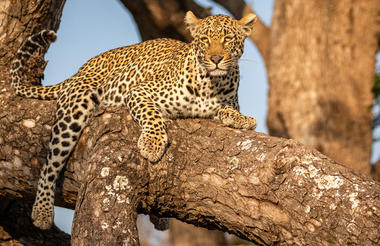
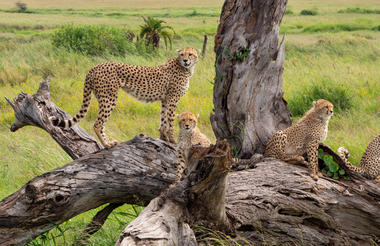
Sharing an unfenced border with the world-renowned Kruger National Park, Sabi Sand Nature Reserve is one of Africa’s most prestigious safari destinations and was the first private game reserve established in South Africa. Spanning 65,000 hectares of pristine wilderness, the reserve encompasses rolling savannah, Lowveld woodlands, seasonal riverbeds, watering holes and the perennial Sabi and Sand rivers. Renowned for its exceptional wildlife viewing, Sabi Sand offers some of the best opportunities in Africa to encounter the Big Five, particularly its famous leopard population, as well as cheetah, giraffe, zebra and numerous antelope species. Visitors can enjoy unforgettable game drives, guided bush walks and magical evenings beneath star-filled skies. Combined with some of South Africa’s most luxurious safari lodges, Sabi Sand delivers an unrivalled blend of wilderness, exclusivity and world-class hospitality.


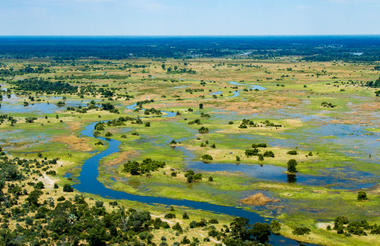
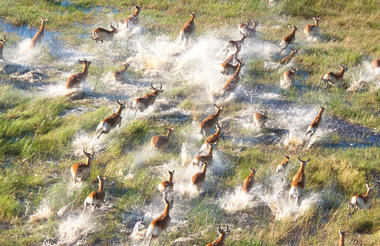
Situated in the northwestern corner of Botswana, the Okavango Delta is a World Heritage Site as it is the largest inland delta in the world. The magnificent Okavango River sprawls out over the dry sands of the Kalahari Desert forming this flourishing waterlogged oasis featuring countless meandering waterways and crystal clear lagoons studded with water lilies, as well as fertile floodplains and reeded islands inhabited with abundant wildlife. The Okavango Delta stretches over an impressive15000 square kilometres. Visitors can enjoy a number of wonderful activities such as game viewing, fishing, bird watching or taking an authentic guided Mokoro excursion through this wetland paradise in a traditional dugout canoe. Commonly spotted animals include: lion, rhino, leopard, giraffe, hippos, elephants, crocodiles and countless species of bird.
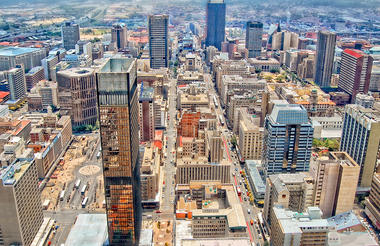
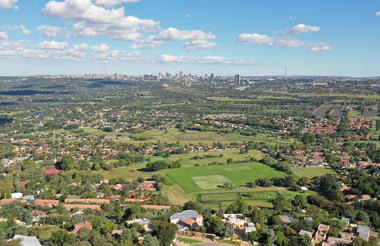
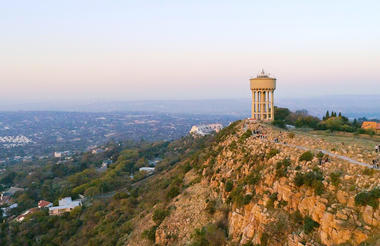
Located on South Africa’s Highveld plateau, Johannesburg is a fast-paced, creative city shaped by gold-rush history, cultural diversity and constant reinvention. Its atmosphere is energetic and urban, with contemporary galleries, rooftop bars and leafy suburbs existing alongside powerful reminders of the country’s past. Visitors can explore the Apartheid Museum, tour Soweto’s historic streets or browse vibrant markets and design spaces in neighbourhoods such as Maboneng. The city’s soundtrack shifts from lively jazz and amapiano beats to the hum of busy streets, while the scent of grilled street food drifts through open-air cafés and market stalls. Johannesburg rewards travellers who engage with its complexity and culture, though its size, traffic and contrasts mean it is best experienced with some planning and local insight.