


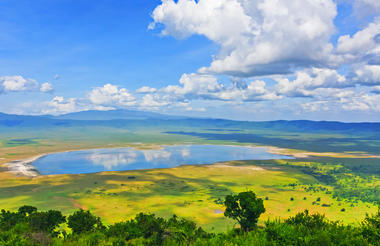
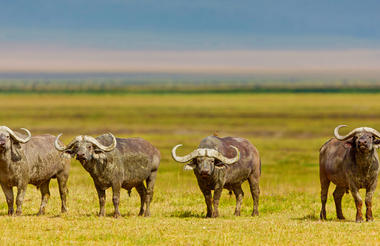
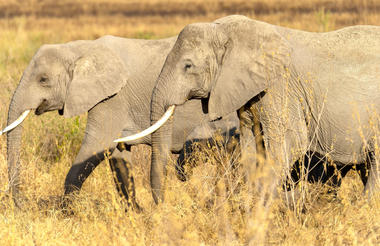
Located within northern Tanzania's Ngorongoro Conservation Area, Ngorongoro Crater is the world's largest intact volcanic caldera and one of Africa's most remarkable wildlife destinations. Encircled by steep crater walls, its fertile grasslands, forests and soda lakes support an extraordinary concentration of animals, including lions, elephants, buffalo and hippos. Game drives across the crater floor offer exceptional wildlife viewing within a relatively compact area, while Maasai communities in the surrounding highlands provide insight into local traditions and culture. From mist drifting over the crater rim at dawn to vast plains dotted with grazing herds below, the landscape is both dramatic and serene. Although popular and often busy, Ngorongoro delivers an unforgettable safari experience shaped by stunning scenery and abundant wildlife.
Situated at the heart of Serengeti National Park in northern Tanzania, the Central Serengeti is the park's most visited and wildlife-rich region, centred around the Seronera Valley. Characterised by vast open plains, scattered acacia trees, distinctive granite kopjes favoured by lions and cheetahs, and permanent water sources, it offers exceptional year-round game viewing and is renowned for its resident leopards, often seen resting in the branches of riverside trees. Visitors can enjoy rewarding game drives in search of lions, leopards, cheetahs, elephants, giraffes and large herds of plains game, while the Seronera River attracts an abundance of birdlife and other animals throughout the year. Although it is one of the Serengeti's busiest safari areas, its remarkable biodiversity and reliable wildlife viewing make it an outstanding destination for both first-time and returning visitors.
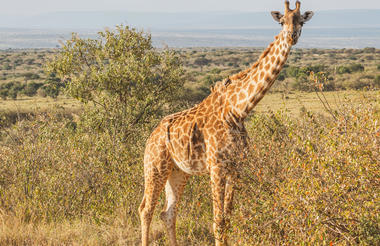
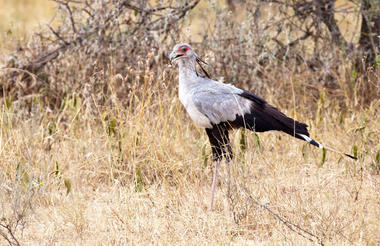
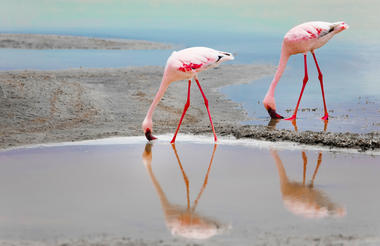
Not to be confused with the Kenyan lake of the same name set only a hundred kilomtres away, the Tanzanian Lake Magadi is an exquisite soda lake in the Ngororongo crater, named the Swahili word for salt. This is a wonderful destination for nature photographers, a scene that changes exquisitely through the seasons, moving through lush greens into striking oranges and bright pinks. Along with the changes come captivating, changing groups of animals including rhino, eland and lion, as well as golden jackals who come to hunt the flamingos. Spread over 11.2 square kilometres, the lake cultivates a unique ecosystem with its blue-green algae, which nourishes the plants and small creatures here. The surrounding crater is filled with incredible other natural attractions and a much wider variety of wildlife.
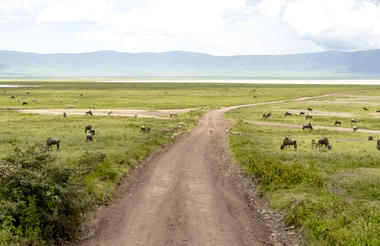
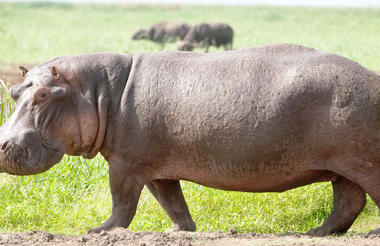

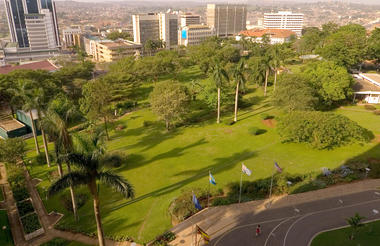
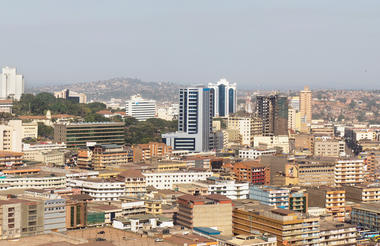
Bordering the magnificent Lake Victoria, Uganda’s capital city - Kampala - sprawls out over a series of undulating hills and despite the development, this ‘Garden City’ is known for its tree-lined avenues. It serves as the commercial hub of the country boasting a blend of African markets, modern skyscrapers, international hotels, bars, and casinos. It provides an excellent base from which to explore the surrounding area. Visitors can look forward to learning about the country’s rich and colourful history at the Uganda Museum; enjoying a number of activities on Lake Victoria, Africa’s largest lake; and visiting the Namugongo Martyrs Shrines, a UNESCO World Heritage Site. Don’t miss the opportunity to visit the nearby Mburo National Park to catch a glimpse of local wildlife including: hippo, zebra, gazelles, crocodiles, warthog, and a variety of magnificent birdlife.

Located in southwestern Uganda, the Bwindi Impenetrable National Park is said to be Africa’s oldest rainforest. It is world-renowned for its excellent gorilla-sighting opportunities - the forest is home to half of the remaining mountain gorillas on earth. This gorilla experience takes place among a rugged landscape of dense jungle, cascading waterfalls, sparkling mountain streams, deep valleys, and steep ridges. The untouched forest has been declared a UNESCO World Heritage Site for its breathtaking natural beauty and unique ecological significance. Aside from the amazing gorilla interactions, there are other drawcards such as a network of forest walks, over 340 species of bird to spot, and a variety of brightly-coloured butterflies to identify.


