Situated on the Indian Ocean coastline just north of Durban, Umhlanga is an upmarket seaside town renowned for its golden beaches, modern lifestyle and relaxed coastal atmosphere. The town's palm-lined promenade stretches alongside the ocean, inviting leisurely walks, cycling and whale watching during the migration season. The iconic Umhlanga Lighthouse and scenic Umhlanga Lagoon Nature Reserve add natural and historical appeal, while nearby shopping centres, restaurants and cafés create a lively social scene. Warm waters and lifeguarded beaches make swimming and surfing popular throughout much of the year. Combining easy access to Durban with a polished resort feel, Umhlanga is an excellent base for both beach holidays and exploring the wider KwaZulu-Natal coastline.


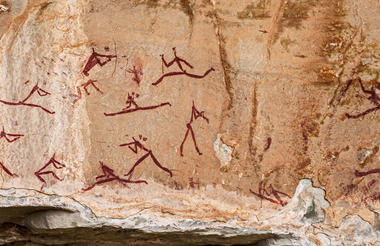
Situated in the scenic Midlands of Kwazulu Natal, South Africa, Elandskop is tucked into the foothills of the majestic Mount Lebanon in the heart of the Kamberg Valley. Famous for its trout fishing, it affords a multitude of fishing activities in the dams and rivers traversing the beautiful terrain. Visitors can also enjoy exceptional bird watching opportunities, discovering the natural landscapes of Highmoor Park Nature Reserve and viewing the fascinating Kamberg San Rock Art at the nearby Kamberg Nature Reserve and Rock Art Centre. Other popular activities include mountain biking, horse riding, and hiking. Don’t miss a visit to the nearby Crane and Wetland Sanctuary, which provides a habitat for all three of South Africa’s crane species.
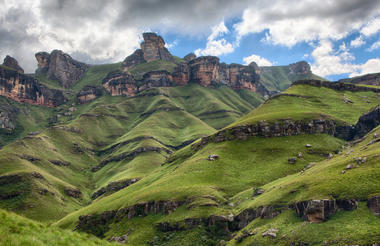
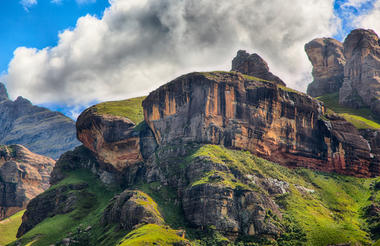
Situated 46 kilometres southeast of Dundee on the Battlefields Route in South Africa, Rorkes Drift is the site of one of the most famous battles of the Anglo-Zulu War. Today it is known for its rich history and majestic natural beauty. Visitors can look forward to learning about history of the region by visiting the Rorke's Drift Battle Museum, which has displays models and audiovisual depictions of the battles that were fought in the region.

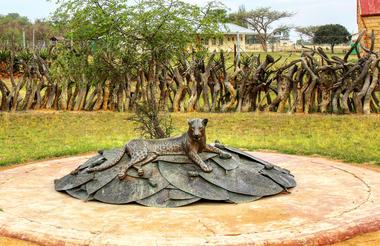

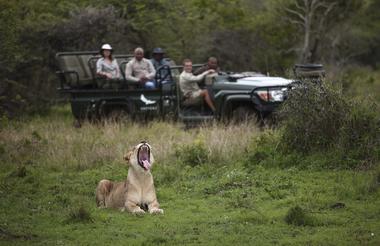
Described as 'Seven Worlds of Wonder', &Beyond Phinda encompasses an impressive 28 555 hectares (70 560 acres) of prime Big Five wilderness in KwaZulu-Natal. This Reserve comprises seven distinct habitats – from dry sand forest to wetland systems and mountain ranges. Catch a glimpse of the shy suni antelope, track rhino in the bushveld, observe breeding herds of elephant in fever tree forests, hold your breath as a cheetah teaches her cubs to hunt, glide past hippo on the Mzinene River and marvel at the gracious nyala. Phinda is home to more than 3 000 of these rare antelope.
Stretching along the far northeastern coast of South Africa within the greater iSimangaliso Wetland Park, the Maputaland Marine Protected Area is a remote marine wilderness known for its coral reefs, warm Indian Ocean waters, and untamed coastline. Beneath the surface, vibrant reefs shelter tropical fish, sea turtles, rays, and seasonal whale sharks, making the area one of the country’s premier diving and snorkelling destinations. Offshore, dolphins cut through rolling swells while waves crash against long stretches of dune-backed beach. Nearby Sodwana Bay offers boat launches, scuba excursions, and turtle nesting tours during the summer months. The region’s beauty feels wild and uncrowded, though the environment can be humid and rustic, and activities are highly dependent on weather and sea conditions.
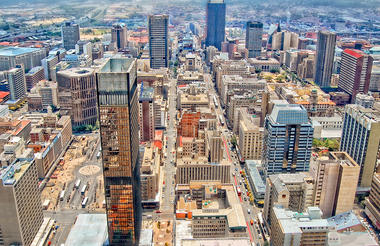
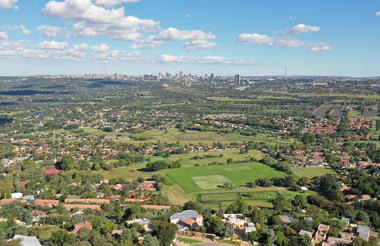
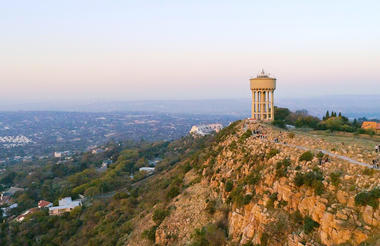
Located on South Africa’s Highveld plateau, Johannesburg is a fast-paced, creative city shaped by gold-rush history, cultural diversity and constant reinvention. Its atmosphere is energetic and urban, with contemporary galleries, rooftop bars and leafy suburbs existing alongside powerful reminders of the country’s past. Visitors can explore the Apartheid Museum, tour Soweto’s historic streets or browse vibrant markets and design spaces in neighbourhoods such as Maboneng. The city’s soundtrack shifts from lively jazz and amapiano beats to the hum of busy streets, while the scent of grilled street food drifts through open-air cafés and market stalls. Johannesburg rewards travellers who engage with its complexity and culture, though its size, traffic and contrasts mean it is best experienced with some planning and local insight.