


Peru is most famous for the sacred archaeological site of Machu Picchu – visited each year by scores of intrepid hikers who brave the Inca Trail’s arduous slopes to explore the age-old ruins. The country’s attractions extend far beyond the mystical allure of this legendary location and include palm-fringed beaches, quaint Andean villages and archaeological treasures that predate Machu Picchu by hundreds of years – all imbued with the nation’s rich melange of indigenous and colonial cultures. Equally enticing are the exotic reaches of Peru’s Amazon rainforest; Lima’s superb eateries, exquisite architecture and effervescent nightlife; the glittering, mountain-ringed waters of Lake Titicaca; and the vibrant city of Cusco, referred to by the Incas as ‘the centre of the world’.
Own Arrangement
The Peruvian Amazon is one of the few remaining pristine environments on earth, sprawling across 60% of the country’s land mass and composed of roughly 80% primary forest. The best way to experience the region is by taking a ‘canopy tour’, or enjoying a dawn cruise down the area’s expansive system of waterways. The area is known for its incredible melange of wildlife, which includes vividly coloured macaws and parrots, vociferous red howler monkeys, capybaras, and enormous Goliath bird-eater spiders, to name but a few. The main tourist hub here is Puerto Maldonado, from where a proliferation of tour companies can transport you to the far reaches of the forest.


Own Arrangement
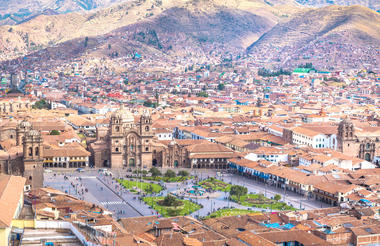
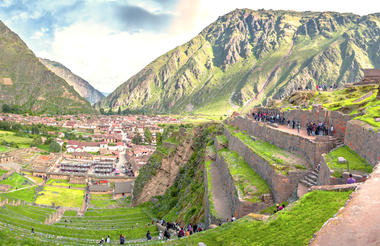
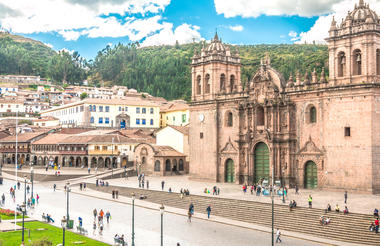
Once called the ‘Navel of the World’ by the Incas, Cusco rises in the southern Andes of Peru, where colonial grandeur meets the enduring stonework of the Inca Empire. A UNESCO World Heritage Site, it serves as the main gateway to Machu Picchu, the Sacred Valley, and surrounding ruins. At its centre, the Plaza de Armas—once Huacaypata—remains alive with cafés, arcades, and the 16th-century Cusco Cathedral, built from Sacsayhuamán’s stones. Nearby, the San Blas district unfolds with whitewashed adobe houses, blue balconies, and workshops where artisans craft metalwork, woodcarvings, and sacred art. Across the city, layers of history reveal themselves in landmarks such as the Korikancha, the Inca street of Hatun Rumiyoc with its twelve-angled stone, the Museum of Colonial Art, and the ancient shrines and water temples scattered through the surrounding hills.
Own Arrangement
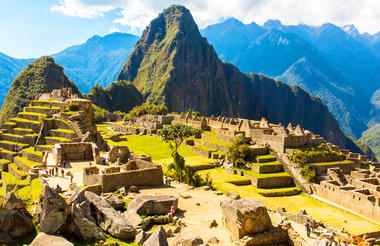
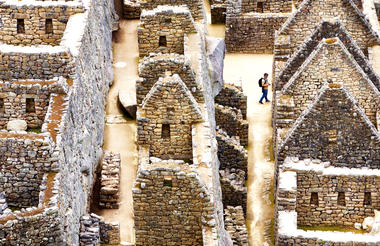
Located more than 6000 feet above sea level in Peru's mountain peaks, Machu Picchu is one of the world's most impressive archaeological sites. This legendary lofty city was abandoned by the Inca Empire, reclaimed by the jungle and lost to humanity until its rediscovery in 1911. Built by the Incas on the summit of "Machu Picchu" (Old Peak), in the middle of a tropical montane forest overlooking the canyon of the Urubamba, the 'Lost City of Machu Picchu' is a site of extraordinary beauty and enormous archaeological significance. The complex reflects the Inca Empire at its height, with giant walls, terraces and ramps that appear to have been cut naturally in the continuous rock escarpments. The phenomenal technological skills of the Incan engineers can be seen in multiple facets of the site: the exacting precision of the massive stone buildings, the water channels that reveal a deep understanding of hydraulics, and Intihuatana, a carved ritual stone known as the "hitching post of the Sun", which served as a solar calendar that regulated planting and harvesting.

Own Arrangement


