Tanzania - Africa's Best Safari Destination - Home of the Serengeti National Park & the Roof Top of Africa, Mt Kilimanjaro
The name Tanzania evokes visions of sweeping savannahs filled with thundering wildebeest herds, mist-shrouded rainforests alive with monkeys and birds, and vast plains where Africa’s greatest wildlife roams free. From the snow-capped peak of Mount Kilimanjaro to the palm-fringed beaches of Zanzibar, Tanzania is a country of breathtaking contrasts and unparalleled natural beauty.
With its warm-hearted people, diverse cultures, and world-class destinations, Tanzania stands as one of Africa’s most captivating travel experiences — a place where adventure, relaxation, and discovery meet in perfect harmony.
Location and Geography
Situated in East Africa, Tanzania is bordered by Kenya and Uganda to the north, Rwanda, Burundi, and the Democratic Republic of Congo to the west, and Mozambique, Malawi, and Zambia to the south. To the east lies the glittering Indian Ocean, home to the idyllic Zanzibar Archipelago.
Covering nearly 950,000 square kilometres, Tanzania is one of Africa’s largest countries, encompassing vast plains, volcanic highlands, lush forests, and tranquil lakes — including Lake Victoria, Lake Tanganyika, and Lake Nyasa. This geographical diversity supports a remarkable array of wildlife, ecosystems, and cultures.
Top Attractions and Experiences
Tanzania offers travellers four main experiences, each distinct yet equally unforgettable:
1. Safari Adventures
Home to some of Africa’s most legendary parks, Tanzania’s northern and southern safari circuits offer unrivalled game viewing.
Serengeti National Park: Witness the Great Wildebeest Migration, one of the planet’s most extraordinary natural spectacles.
Ngorongoro Crater: Explore this UNESCO World Heritage Site teeming with wildlife in a spectacular volcanic setting.
Ruaha and Selous (Nyerere) National Parks: Discover vast, remote wilderness areas where elephants, lions, and leopards roam freely.
2. The Spice Islands of Zanzibar
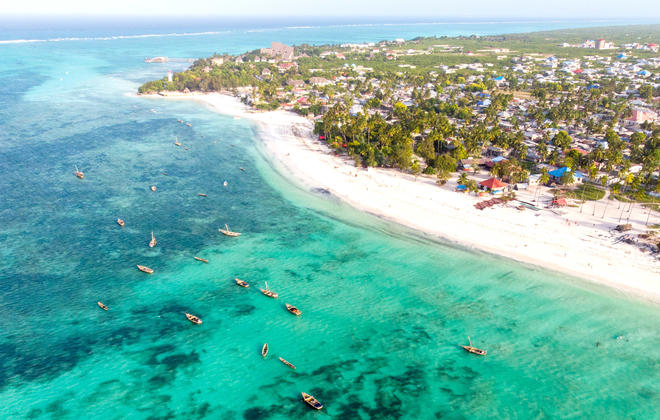
Just off Tanzania’s coast lies Zanzibar, an enchanting island paradise of turquoise seas, coral reefs, and historic towns.
Relax on white-sand beaches in Nungwi, Paje, and Jambiani.
Explore Stone Town, a UNESCO-listed cultural treasure of winding alleys, carved doors, and spice markets.
Dive into world-renowned coral reefs, or sail on a traditional dhow into a golden sunset.
3. Mount Kilimanjaro
Rising to 5,895 metres, Mount Kilimanjaro is Africa’s highest peak and one of the world’s most iconic trekking destinations.
Climbers ascend through distinct ecological zones — from lush rainforest to alpine desert — before reaching the snow-capped Uhuru Peak, the “Roof of Africa.”
4. Marine and Coastal Adventures
Beyond Zanzibar, the Mafia and Pemba Islands offer spectacular diving and snorkelling in crystal-clear waters rich with marine life. The Tanga Coelacanth Marine Park provides sanctuary for rare species like the prehistoric coelacanth and gentle dugongs.
People and Culture
Tanzania’s true beauty extends beyond its landscapes — it lies in its people. Home to more than 120 ethnic groups, including the Maasai, Chaga, Sukuma, and Hadzabe, Tanzania is a tapestry of languages, traditions, and beliefs.
Despite this diversity, Tanzanians share a strong sense of unity and peace, bound together by Swahili — the nation’s lingua franca. Visitors are greeted with warmth and hospitality, experiencing the “Hakuna Matata” spirit that defines the country’s easy-going charm.
Local cuisine is a reflection of this cultural blend: from spiced coconut curries on the coast to nyama choma (grilled meat) and ugali (maize porridge) in the interior. Food, music, and storytelling are woven into daily life, enriching every travel experience.
Best Time to Visit
Dry Season (June – October): Ideal for safaris and mountain treks. Wildlife congregates around water sources, offering excellent game viewing.
Green Season (November – May): Perfect for birdwatching and lush landscapes. The calving season (January–February) in the Serengeti is particularly rewarding for photographers and wildlife enthusiasts.
Why Visit Tanzania
Tanzania is Africa in its purest form — wild, beautiful, and deeply soulful. Whether you’re watching elephants cross the Serengeti, exploring coral reefs off Zanzibar, or summiting Africa’s highest mountain, every moment feels timeless and awe-inspiring.
Add to that the warmth of the Tanzanian people and the rich blend of cultures, and you have a destination that captures the heart of every traveller.
With such an abundance of experiences — from safari plains to island retreats — the hardest part of your journey will simply be deciding where to go first.
Key Highlights
Serengeti National Park – Home of the Great Wildebeest Migration
Ngorongoro Crater – UNESCO World Heritage Site and wildlife sanctuary
Mount Kilimanjaro – Africa’s highest peak and iconic hiking destination
Zanzibar Archipelago – Historic Stone Town and idyllic beaches
Selous (Nyerere) National Park – One of Africa’s largest protected reserves
Warm, Welcoming People – Over 120 ethnic groups living in harmony
Stone Town – The Cultural Heart of Zanzibar
Situated on the western coast of Zanzibar’s Unguja Island, Stone Town is a UNESCO World Heritage Site and the oldest part of Zanzibar City. This historic town serves as the island’s cultural and architectural heart — a captivating blend of African, Arab, Indian, and European influences shaped over centuries of trade and exchange.
Location
Stone Town lies along the western shoreline of Unguja, overlooking the turquoise waters of the Indian Ocean. Its strategic coastal position made it one of the most important trading ports in East Africa during the 19th century, particularly in the spice and slave trades.
Unique Features
- Historic Architecture - The town’s narrow, winding alleys are lined with grand Arab-style houses, intricate wooden carved doors, and beautifully aged coral stone buildings. Many structures date back to the 19th century and showcase Zanzibar’s multicultural legacy.
- Cultural Heritage - Stone Town’s unique identity reflects the centuries-long interaction between Swahili, Arab, Indian, and European cultures. This vibrant mix is visible in its architecture, cuisine, music, and local customs. The influence of Omani sultans, Indian merchants, and British colonials is woven into the town’s fabric, making it a living monument to East Africa’s maritime history.
- Cultural Landmarks - The town boasts a wealth of iconic sites including the House of Wonders — the first building in East Africa to feature running water and electricity — the Old Fort, the Sultan’s Palace, and Forodhani Gardens, where locals and travellers gather each evening for Zanzibar’s famous night market.
- Religious Diversity - Stone Town is home to over fifty mosques, six Hindu temples, and two cathedrals (Catholic and Anglican), each offering insight into Zanzibar’s deep spiritual and multicultural heritage.
Activities in the Area
Walking Tours: Explore the maze-like streets with a local guide to uncover hidden courtyards, historic sites, and vibrant markets.
Spice Tours: Visit aromatic distilleries and spice farms to learn why Zanzibar is called the Spice Island.
Cultural Excursions: Visit the Old Slave Market, Freddie Mercury’s House, and the Palace Museum to discover Zanzibar’s fascinating past.
Dhow Cruises: Sail into the sunset aboard a traditional dhow, gliding across the tranquil Indian Ocean.
Island Visits: Take a short boat ride to Changuu (Prison) Island to see its pristine beaches and giant Aldabra tortoises.
Travel Information
How to Get There
By Air: Daily flights connect Stone Town with Dar es Salaam, Arusha, and several international destinations.
By Sea: Regular ferries link Dar es Salaam to Zanzibar City (approximately 2 hours).
Best Time to Visit
Dry Season (June – October): Best for exploring the town on foot and enjoying coastal activities.
Short Rains (November – December): Pleasant weather with fewer tourists.
Why Visit Stone Town
Stone Town is a living museum — a place where history breathes through its architecture, culture, and people. Whether you’re exploring ancient alleys, sampling fragrant spices, or cruising into the sunset, the town offers a timeless journey through Zanzibar’s soul.
Key Attractions
House of Wonders
The Sultan’s Palace
The Old Fort & Forodhani Gardens
Changuu (Prison) Island
The Old Slave Market
Spice Tours & Markets
Sunset Dhow Cruises


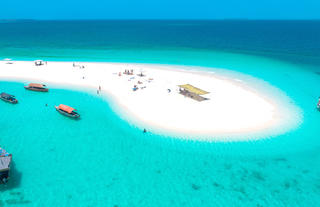

Nungwi – Zanzibar’s Northern Coast Paradise
Once a humble fishing village, Nungwi has evolved into one of Zanzibar’s most vibrant beach destinations — a dynamic blend of natural beauty, culture, and lively coastal charm. Located on the northernmost tip of Unguja Island, this energetic village offers the perfect balance between relaxation and revelry, drawing travellers with its white-sand beaches, turquoise waters, and electric nightlife.
Location
Nungwi lies at the northern end of Zanzibar’s main island (Unguja), about 60 kilometres (1.5–2 hours) by road from Stone Town. This prime location places it at the crossroads of Zanzibar’s most beautiful beaches and its most thriving seaside communities, making it a top choice for both leisure seekers and adventure enthusiasts.
Unique Features
Tide-Free Swimming: Unlike many beaches on the island, the deep coastal waters around Nungwi are largely unaffected by tides, allowing for all-day swimming and water sports.
Vibrant Nightlife: The village is famed as Zanzibar’s party capital, with an ever-changing line-up of beach bars, bonfire gatherings, and live music venues.
Marine Heritage: Nungwi retains its traditional charm as a dhows (sailing boats) building hub, where visitors can witness artisans crafting wooden boats using age-old methods.
Perfect Beach Setting: The powdery white sands and clear turquoise waters create postcard-perfect scenery, making Nungwi one of the most photographed spots on the island.
Activities in the Area
Beach Relaxation: Spend the day sunbathing or lounging beneath palms along Zanzibar’s most stunning stretch of coastline.
Swimming & Snorkelling: Enjoy calm, warm waters ideal for swimming, snorkelling, and paddleboarding.
Scuba Diving: Explore vibrant coral reefs and marine life around Mnemba Atoll, one of East Africa’s premier diving sites.
Cultural Encounters: Visit local fishing communities and dhow workshops to learn about Zanzibar’s maritime heritage.
Sunset Cruises: Sail on a traditional dhow as the sun sets over the Indian Ocean — an unforgettable Zanzibari experience.
Spa & Wellness: Indulge in rejuvenating massages and spa treatments offered by beachfront resorts.
Nightlife & Entertainment: As dusk falls, join the lively beach parties, enjoy cocktails, bonfires, and dance to the beats of local and international DJs.
Travel Information
How to Get There
By Road: Nungwi is easily accessible by car or taxi from Stone Town (1.5–2 hours) along a scenic coastal route.
By Air: Flights connect Zanzibar International Airport (Abeid Amani Karume Airport) with Dar es Salaam, Arusha, and Nairobi, followed by a road transfer to Nungwi.
Travel Distances
Stone Town → Nungwi: ~60 km (1.5–2 hours)
Nungwi → Kendwa: ~4 km (10 minutes)
Nungwi → Matemwe: ~45 minutes
Best Time to Visit
Dry Season (June – October): Perfect for beach holidays, diving, and vibrant nightlife — warm, sunny, and calm seas.
Wet Season (November – May): Fewer crowds and lush landscapes, with occasional tropical showers adding to the island’s charm.
Why Include Nungwi in Your Zanzibar Itinerary
Nungwi embodies the essence of Zanzibar’s beach life — where vivid sunsets, rhythmic drumming, and sparkling turquoise waters come together in perfect harmony. It’s a destination that combines tropical serenity by day with electric energy by night, offering something for everyone — from laid-back honeymooners to thrill-seeking backpackers.
Key Attractions
Nungwi Beach – renowned for all-tide swimming and dazzling sunsets
Traditional Dhow Building Yards
Mnemba Atoll Marine Reserve
Lively Nightlife & Beach Bars
Nungwi Aquarium (Mnarani Turtle Sanctuary)
Sunset Dhow Cruises