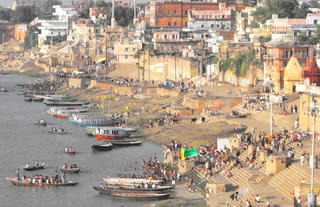
Vast, diverse, deeply spiritual and utterly unforgettable, India is unlike anywhere else on earth – a melting pot of ethnicities and religions, a treasure trove of history and culture, and a curious mixture of chaos and serenity. Stretching across more than three million square kilometres, it encompasses a staggering array of landscapes, vistas and environs, and offers unparalleled travel experiences – from the beautiful beaches of Goa, to the compelling craziness of Kolkata, the sacred Ganges river banks of Varanasi, the snow-capped peaks of the Himalayas in Kashmir and the ancient, exquisitely crafted temples dotted across the entire country. Not to mention the vibrant, friendly people, and the incredible cuisine.
India’s capital, New Delhi, lies on the Indo-Gangetic Plain, within the National Capital Territory of Delhi. Made up of the ancient walled city of Old Delhi and the more modern sector, New Delhi, the city encompasses a staggering array of beautiful buildings, including three UNESCO World Heritage Sites – the grand, sandstone Red Fort, striking Qutab Minar, and fascinating Humayun's Tomb. Architecture enthusiasts will delight in the iconic Lotus Temple. Hear ‘qawwalis’ (devotional music) at the dargah (tomb) of the Sufi saint Nizam-ud-din Auliya; or wander through the 17th century Chandni Chowk marketplace – still one of the city’s most popular retail centres today, famous for its traditional jewellery and saris. The gorgeous Sunder Nursery and Lodi Garden provide calm, flower-filled oases for picnicking.


One of the most popular parks in India, Bandhavgarh National Park is renowned for the highest density of tigers in the region - situated in the Umaria district of Madhya Pradesh. Besides its numerous tigers, the park is home to a large array of wildlife including sloth bears, deer, leopards and jackals. Birdwatchers will delight in the plethora of species that inhabit rocky crags, the auburn forest floor, and the mottled forest canopy. Declared a national park in 1968, Bandhavgarh was named after an ancient fort built on 800-metre-high (2,624 foot) cliffs in the park. From its zenith, one can enjoy incredible views of the park (note prior permission is required).


Located southwest of Kanpur, Khajuraho is considered one of India’s seven wonders and is listed as a UNESCO world heritage site. The city encompasses the nation’s largest array of medieval Hindu and Jain temples, decorated with intricately detailed erotic sculptures and reliefs. The site incorporates close to 100 sacred structures, some of them exquisitely preserved, and each evening, a light and sound show is staged here, covering the history, philosophy and craftsmanship encapsulated in this archaeological goldmine. Other highlights include the vibrant Annual Dance Festival of Khajuraho; the Panna National Park, home to leopards; the Arhanta Yoga Ashram, where visitors can take classical Hatha yoga classes. The city also boasts a wide variety of wonderful shops, markets and restaurants.


Set on the banks of the Yamuna River in Uttar Pradesh, Agra is a beautiful city famous for its incredible Taj Mahal building, one of the seven wonders of the world. Commissioned by the Mughal emperor Shah Jahan in the 15th century as a memorial to his beloved wife Mumtaz Mahal, this is an architectural masterpiece of exquisite craftsmanship and perfect proportions. The city boasts numerous other superb attractions, including the red-hued sandstone Agra Fort, built in the 16th century; the Shahi Jama Masjid mosque, a 17th-century congregational mosque located in the historic core of Agra, and Itmad-ud-Daulah’s tomb, with its white marble facade embellished with intricate inlaid designs, also called the' Baby Taj'.


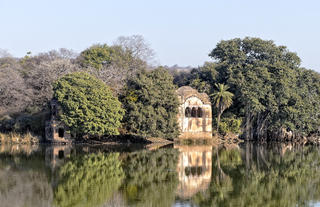
Sawai Madhopur, the lively capital city of the greater Sawai Madhopur District, rests within southeast Rajasthan, on the northern extension of the sprawling Vindhyan Plateau. The city is famous for its flourishing fauna and flora and mouth-watering cuisine. Some of the best ways to experience these local treasures include a meander through enchanting public gardens and a sample of the delicious local dishes at the numerous atmospheric restaurants. Both a history and nature enthusiasts dream, Sawai Madhopur opens a world of enjoyable excursions with some of the most notable attractions being the UNESCO World Heritage Site of Ranthambore Fort; the religiously significant Chamatkar Temple; and the remarkable Ranthambhore National Park, renowned for its abundance of free-roaming wildlife including the majestic Bengal tiger and Indian leopard.



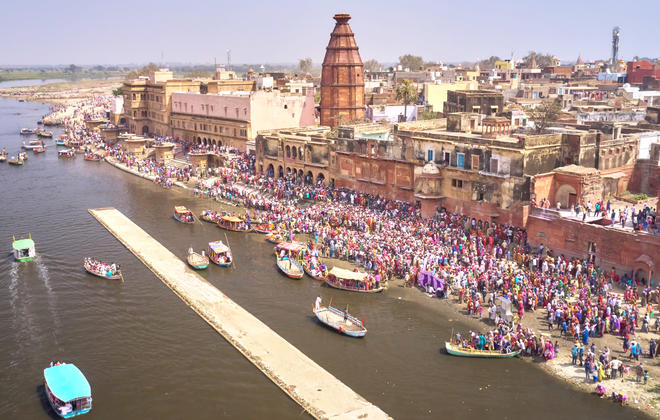
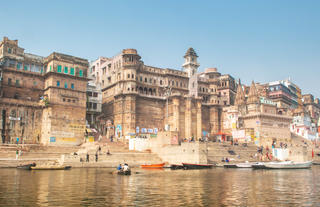
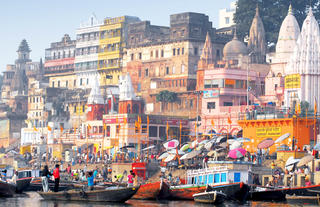
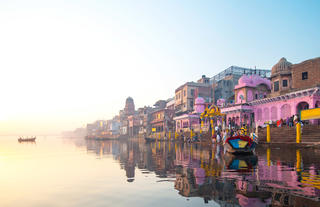
An ancient and deeply sacred city, Varanasi rests along the banks of the holy River Ganges and encompasses a wealth of beautiful riverside temples, stately old forts and vibrant markets. It’s considered the spiritual capital of Hinduism, and it’s widely believed that dying here will bring salvation. As a result, the city is home to a multitude of ghats – stone steps leading to the river –some of which are used for bathing rituals and others as cremation sites. An early morning boat ride along the Ganges offers an excellent way to take in the ghats and the bustling activity centred on them.