Located along the eastern bank of the Hooghly River in the lower Ganges Delta, Kolkata is the capital of the Indian state of West Bengal.
This 350-year-old metropolis is the heart and soul of eastern India, and is known for its crumbling colonial architecture, elegant gardens, countless temples and bustling bazaars.
Celebrated as the birthplace of the early 20th-century Bengal Renaissance, Kolkata is a major centre for drama, art, film, theatre, literature, spirituality and music.
Visitors can roam the streets and soak up the atmosphere of faded grandeur, or take a ride in a rickshaw to one of the many Indian restaurants serving mouth-watering Bengali cuisine.
Must-see highlights include the Victoria Memorial, with its east-meets-west architecture; the Indian Museum, with its range of rare artefacts; and the Kali Temple, an important pilgrimage centre for Hindus.


Bodhgaya is one of the most spiritually significant places in India, but what makes it so compelling isn’t only its importance to Buddhists around the world. It’s the way the town combines pilgrimage, quiet devotion and a genuinely international spiritual atmosphere into something that feels both deeply rooted and surprisingly universal. This is the place where Siddhartha Gautama is believed to have attained enlightenment, and that gives Bodhgaya a sense of meaning that is felt long before you start thinking about it simply as a sightseeing destination.
What makes Bodhgaya especially rewarding is its atmosphere. The Mahabodhi Temple Complex is the obvious heart of the town, and it is one of the four holy sites closely associated with the life of the Buddha. The temple, the sacred Bodhi Tree, the surrounding stupas and the constant presence of monks, pilgrims and prayer create an experience that feels calm, reflective and quietly powerful rather than theatrical. The site is also a UNESCO World Heritage Site, which reflects both its spiritual and historical importance.
Bodhgaya is also a place of contrasts. It is a small town, yet it carries global significance, with monasteries and temples built by Buddhist communities from many different countries adding another layer of interest and character. That international element gives Bodhgaya a distinctive feel, but the place never loses its essential simplicity. Rather than grand urban energy, its appeal comes through ritual, stillness and the sense that this is somewhere people come not only to see, but to reflect.
For travellers, Bodhgaya works best when treated as more than a quick religious stop. It rewards those who enjoy places with atmosphere, depth and a strong sense of purpose. More than a historic site alone, Bodhgaya is a destination of spiritual weight, calm and quiet intensity, and it tends to stay in the memory because of the mood of the place as much as the significance of the landmark itself. Bihar Tourism also lists September to April as the best time to visit, which fits well with the cooler, more comfortable season in this part of India.


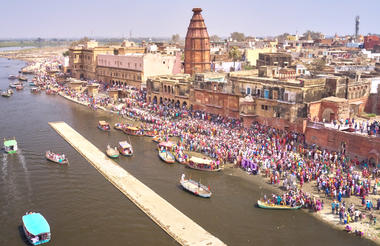
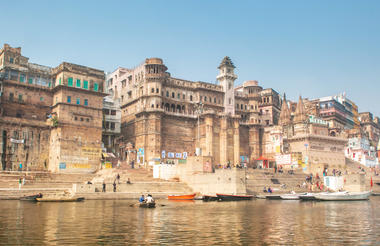
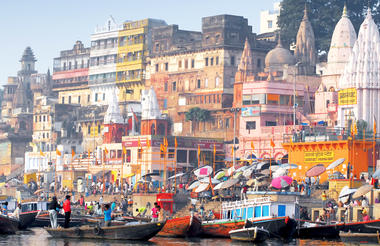
An ancient and deeply sacred city, Varanasi rests along the banks of the holy River Ganges and encompasses a wealth of beautiful riverside temples, stately old forts and vibrant markets.
It’s considered the spiritual capital of Hinduism, and it’s widely believed that dying here will bring salvation.
As a result, the city is home to a multitude of ghats – stone steps leading to the river –some of which are used for bathing rituals and others as cremation sites.
An early morning boat ride along the Ganges offers an excellent way to take in the ghats and the bustling activity centred on them.