


Situated on the southern edge of the Okavango Delta in northwestern Botswana, Maun is a laid-back safari town known as the gateway to one of Africa’s most remarkable wilderness regions. Dusty streets, scattered palms, and the slow-moving Thamalakane River give the town a relaxed frontier atmosphere, where safari vehicles and small bush planes are part of daily life. Travellers come to experience mokoro excursions through reed-lined delta channels, scenic flights above shimmering floodplains, and wildlife safaris into nearby game reserves. While Maun itself is functional rather than polished, its blend of local culture, open landscapes, and close access to untamed wilderness makes it an atmospheric and rewarding base for exploring the Okavango region.


Known as the gateway to the Makgadikgadi Pans, the tiny old Botswanan village of Gweta is a pleasant place to stay while exploring the vast salt pans. Take a guided walk or quad bike ride through Gweta’s surrounds and discover flint-head spears and other artefacts abandoned by the area’s early Stone Age inhabitants. Experience a barbeque under the star-studded African sky while sipping on traditional, organic sorghum beer or a creamy baobab milkshake. During the rainy season, the Gweta area teems with zebra and wildebeest and these, in turn, attract hungry predators such as lion and cheetah. If a unique and interesting getaway is what you are after, Gweta won’t fail to impress.


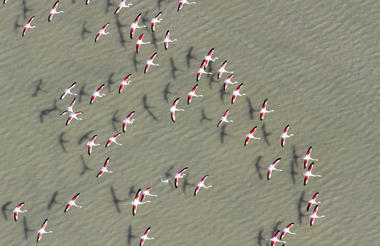
The Khwai area of the Okavango lies along the northern boundary of the Moremi Game Reserve. Khwai Community Area has unfenced boundaries allowing wildlife to move freely between the woodlands in the wet season when water is plentiful and back to permanent rivers and lagoons in the dry season. The Khwai area offers the same wildlife experience as the Moremi Game Reserve with the added advantage of being a private concession, which means the ability to do walking safaris and night drives. Don't miss the opportunity to soak up beautiful views of the scenic landscape and spot an array of wildlife.


The Chobe River forms the northern boundary of Chobe National Park and is one of southern Africa’s most rewarding wildlife riverfronts, especially in the dry season when animals concentrate along its banks. Elephant herds gather in large numbers at the water’s edge, hippos crowd the channels, and buffalo move regularly through the floodplain grasslands, while lions range through the wider system and may hunt buffalo in the surrounding landscape. The river also supports exceptional birdlife across reeds, sandbanks, and woodland edges, and visitors typically explore it through guided game drives on designated park tracks as well as boat safaris that bring them level with elephants and hippos along the shoreline.


