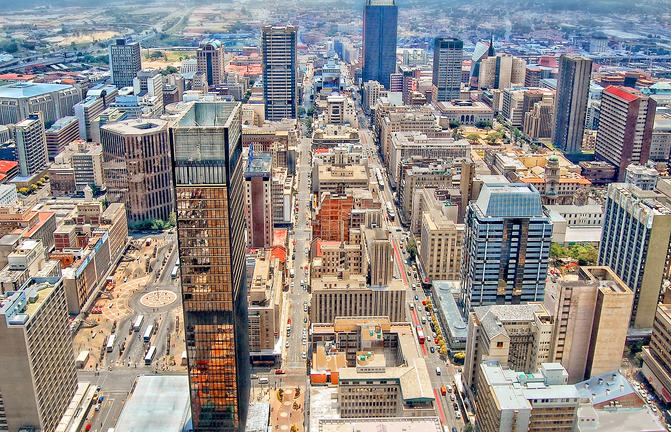
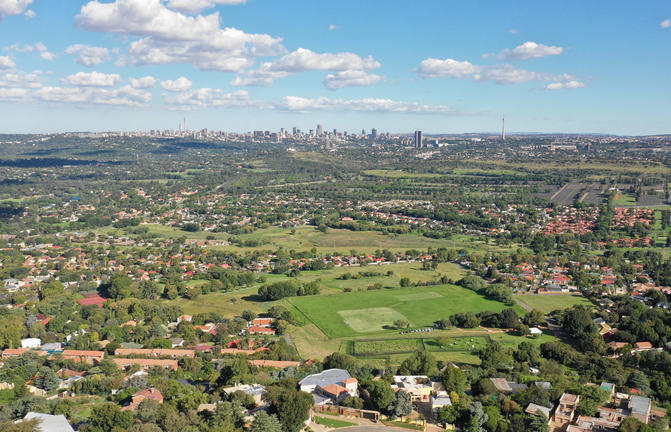
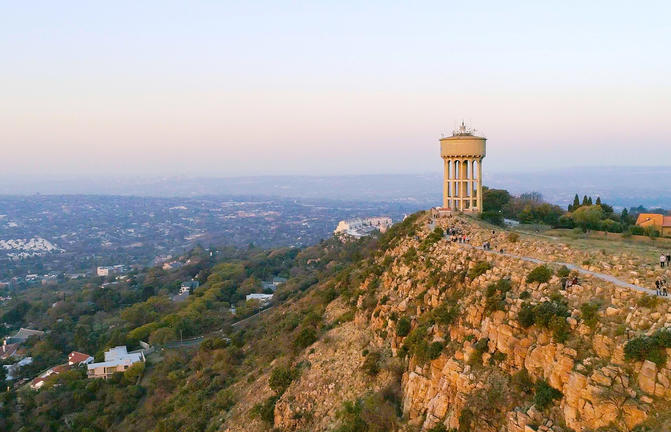
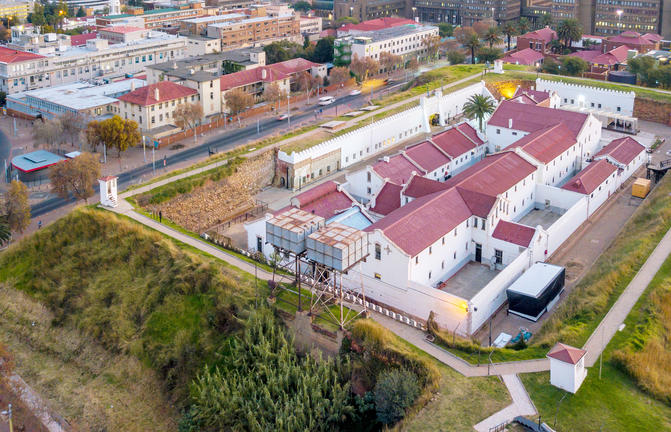
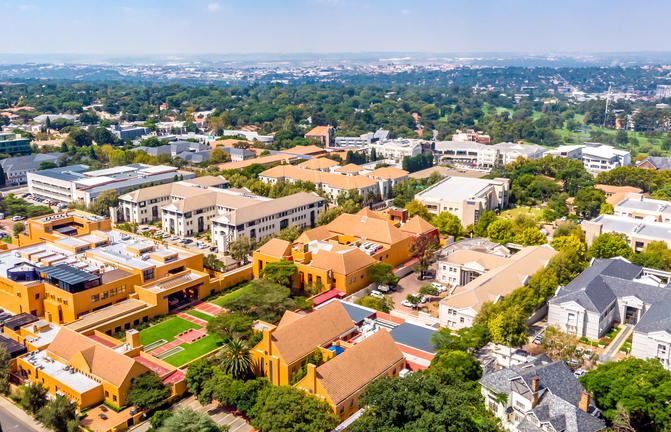
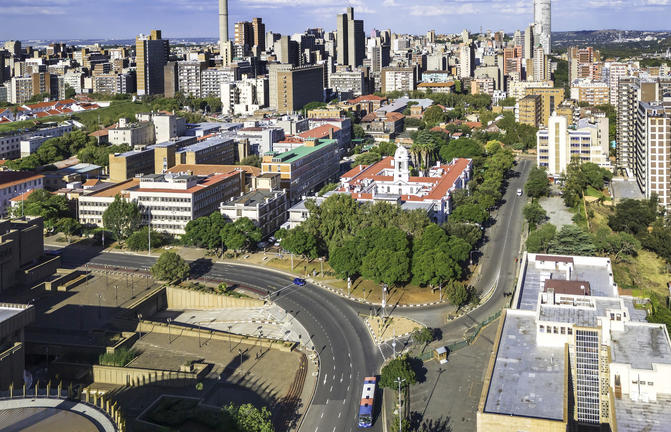
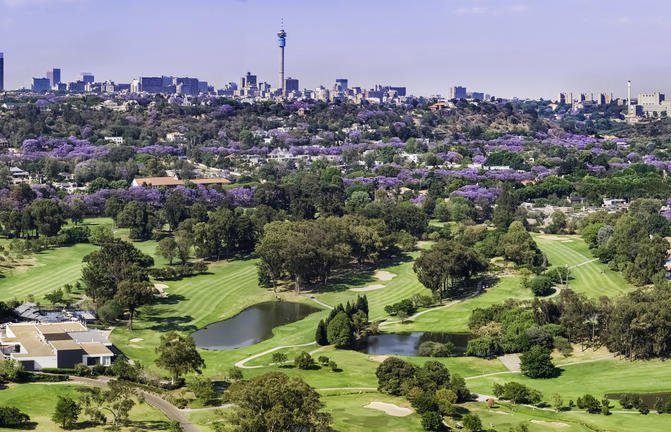
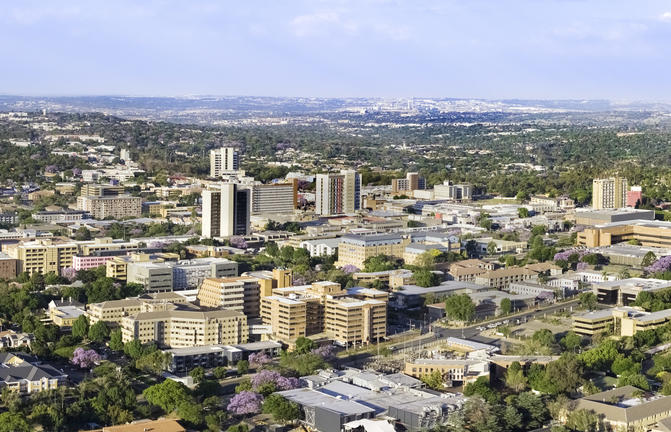
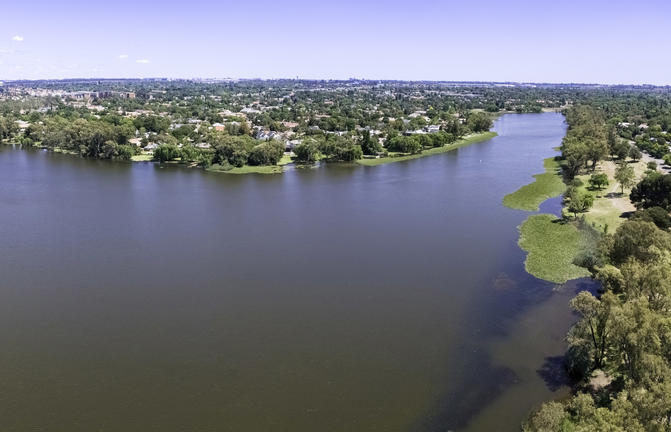
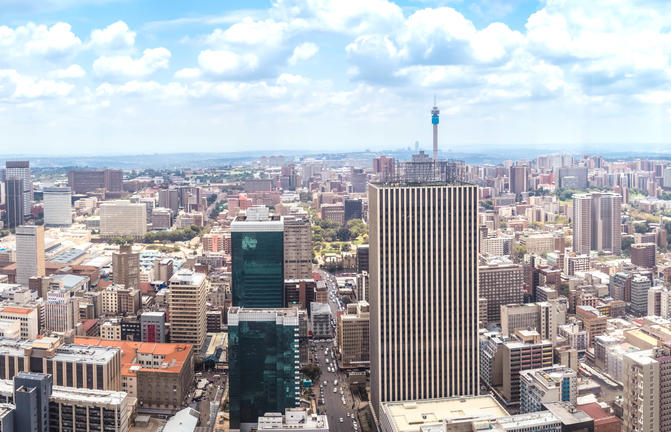
South Africa's largest city doesn't really get the credit it deserves. Sure, it doesn’t have the mountain backdrop of Cape Town, but the sprawling suburbs and neighborhoods are some of the most dazzling and evocative on the whole continent. The center buzzes with energy and flashing lights, while outer suburbs reveal the city's remarkable emergence when gold was discovered in 1886. The old city is a multi-cultural mixture of traditional medicine shops, Chinese restaurants, taxi ranks and ultra modern skyscrapers. Officially, Soweto is the world's second largest slum, yet it's surprisingly developed and very safe if visited on a tour. Nelson Mandela and Desmond Tutu both lived on the same street here and excellent museums recount their fight against apartheid. Having said that, a trip to Soweto is worth it just for the wonderfully colorful and welcoming locals. The shopping is Southern Africa’s best and the many restaurants cater for all tastes.
Hwange National Park dominates nearly 15,000km² of western Zimbabwe. The areas’ status as the royal hunting ground of Mzilikazi, King of the Matabele people, in the 1800s testifies to its superior quality as a wildlife destination. https://www.youtube.com/watch?v=HG2P-UpFJHw
The Park hosts over 100 mammal and 400 bird species, including 19 large herbivores and eight large carnivores. All Zimbabwe's specially protected animals are to be found in Hwange and it is the only protected area where gemsbok and brown hyena occur in reasonable numbers.
Grazing herbivores are more common in the Main Camp Wild Area and Linkwasha Concession Area, with mixed feeders more common in the Robins and Sinamatella Wild Areas, which are more heavily wooded. Distribution fluctuates seasonally, with large herbivores concentrating in areas where intensive water pumping is maintained during the dry season.
The population of African wild dogs to be found in Hwange is thought to be of one of the larger surviving groups in Africa today, along with that of Kruger National Park and Selous Game Reserve. Other major predators include the lion, whose distribution and hunting in Hwange is strongly related to the pans and waterholes, leopard, spotted hyena and cheetah.


Situated in northern Zimbabwe on the shores of Lake Kariba, Matusadona National Park comprises a large expanse of pristine wilderness characterised by flat grassy plains and dramatic rugged mountains. From the vast woody escarpment to the dense bush of the Zambezi valley floor, the park features a diverse range of landscapes inhabited by abundant wildlife species. These include, among others: elephant, cape buffalo, black rhinoceros, hippopotamus, crocodiles and an impressive variety of birdlife. The entire northern boundary of the park is created by the lake's grassy shoreline, providing excellent opportunities for boat cruise safaris. Other popular activities include walking safaris, tiger fishing, and camping at some of the park’s many small rustic bushcamps.
Victoria Falls also known as "Mosi oa-Tunya" ("the smoke that thunders") is positioned almost exactly half way along the mighty Zambezi River's 2700 km journey from it's source to the sea. Here the river plunges headlong into a 100m vertical chasm spanning the full one-and-a-half kilometre width of the river. Creating the biggest curtain of falling water in the world and also one of the seven natural wonders of the world.
https://www.youtube.com/watch?v=XCXPRtPnUac
The power of the falls is awesome with the highest ever flow recorded in 1958 when it reached more than 700 000 cubic meters of water a minute. The water in the gorges rose 18 metres (60 feet) above its normal flood level.
This constant pounding by the currents of the mighty Zambezi has, over the millennium, cut through the rock faults and fissures and carved out not one but eight successive precipices (and now the ninth has begun). When our early ancestors inhabited this area some 1.5 million years ago , they would have seen a different Victoria falls to he one we see today.
Being one of the greatest physical spectacles in Africa it stands to reason that it has attracted so much much interest from us humans over time and therefore the area is steeped in history and mystery.


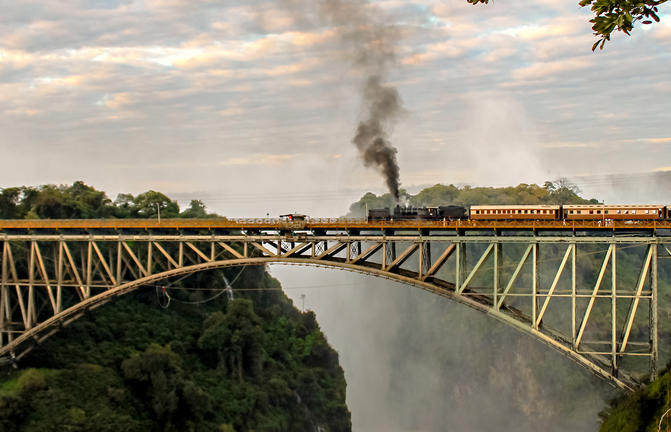
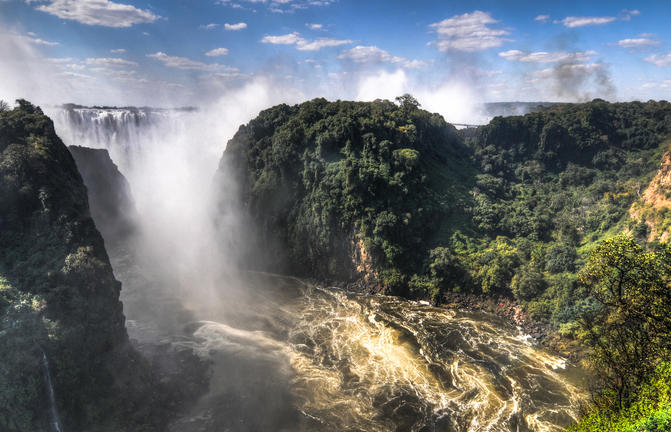


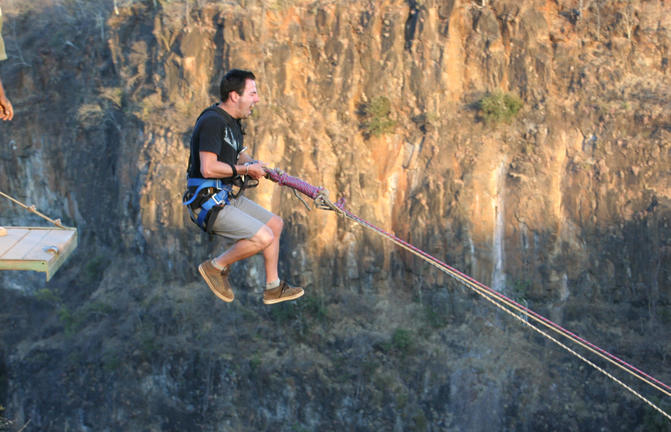
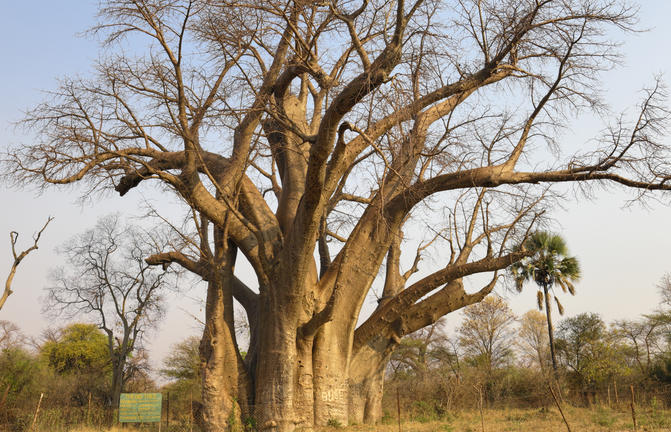


Savuti, also known as Savute lies in the heart of Botswana’s beautiful Chobe National Park. This dynamic wilderness is a sweeping expanse of savannah brooded over by several rocky outcrops which guard a relic marsh and the dry channel that was once its lifeline. The Savute goes through wet and dry cycles, where wild dogs hunt in the dry river channel where crocodiles swam only twenty years ago. Visitors to this spectacular area can spot abundant wildlife including: a variety of birds, elephants, antelope, lion prides, black-backed jackal, bat-eared foxes, tsessebe, kudu, hyena, cheetah Cape buffalo herds, and thousands of migrating zebra and wildebeest. The late rainy season of March and April attracts grazers like zebra and wildebeest to the open grasslands, while the dry seasons from June - October draw in elephants. General game is always good along with lions made famous by hunting elephants.
Encompassed by a vast vegetation of dry mopane woodland, the Mababe Concession lies in a privileged yet less-frequented position between two national parks on the eastern edge of the Okavango Delta. Sluicing through the dry woodland is the Mababe Marsh at the end of the Khwai River, a regional highlight as it attracts a plethora of abundant wildlife, ranging from large predators to rare bird species. Witness massive herds of up to 2,000 buffalo and spectacular migrations of zebras—a sight to behold, especially when lions engage in daytime hunts. The forests provide sanctuary for elusive leopards, while the marsh fringes teem with diverse birdlife. Additional wildlife species found in the area comprise hyenas, cheetahs, wild dogs, bat-eared foxes, jackals, African wild cats, and servals, enriching the safari experience.


Situated on the eastern side of the Okavango Delta in north-western Botswana, Moremi Game Reserve is one of Africa's most celebrated wildlife reserves, protecting an extraordinary mosaic of floodplains, lagoons, forests and open grasslands. As the first reserve in Africa established by a local community, it is recognised for both its conservation significance and its exceptional biodiversity. Visitors can enjoy game drives and seasonal mokoro or motorboat excursions, with opportunities to spot elephants, lions, leopards, African wild dogs and abundant birdlife in remarkably varied habitats. The ever-changing landscapes, where winding waterways meet acacia woodlands and sweeping plains, create a memorable safari experience that combines outstanding wildlife viewing with the untamed beauty of the Okavango Delta.
As previously described