


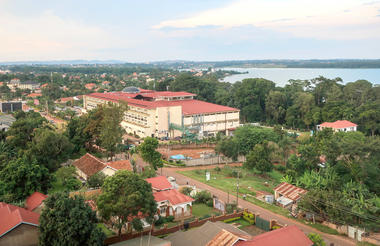
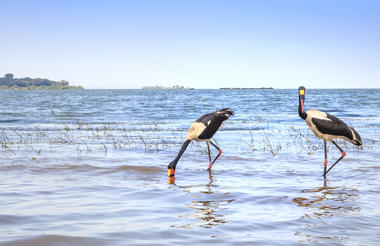
Entebbe sits on a peninsula along the northern shores of Lake Victoria in central Uganda, offering a calm, green retreat within easy reach of the country’s main international airport. Its character is defined by palm-lined roads, botanical gardens and a relaxed lakeside atmosphere that feels far removed from the pace of larger cities. Visitors can cruise across Africa’s largest lake, spot rare shoebills in nearby wetlands, or explore wildlife conservation centres that provide insight into Uganda’s remarkable biodiversity. The sight of fishing boats drifting across sunlit waters, the rustle of lakeside trees and the calls of colourful birds create a soothing backdrop throughout the day. Entebbe is not a bustling urban destination; its appeal lies in nature, tranquillity and unhurried exploration.


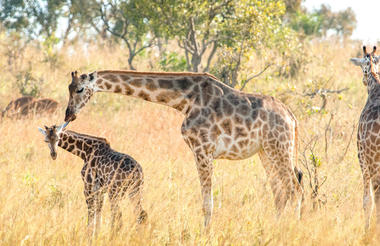
Located in north-western Uganda, Murchison Falls National Park is the country's largest national park, where vast savannahs, riverine forests and the mighty Nile create a landscape of remarkable scale and diversity. Its centrepiece is the dramatic Murchison Falls, where the Nile surges through a narrow gap in the rocks before plunging into a churning gorge, filling the air with mist and a thunderous roar. Boat safaris along the river offer close views of hippos, crocodiles and abundant birdlife, while game drives reveal elephants, giraffes, lions and other wildlife. In nearby forests, chimpanzee tracking adds another dimension to the experience. The park's remote setting and untamed atmosphere make every journey feel like an adventure, with sweeping vistas and unforgettable wildlife encounters leaving a lasting impression.


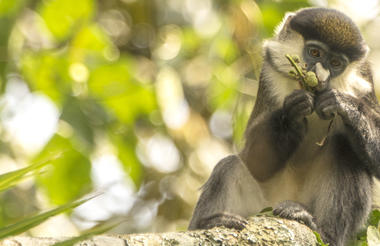
Located in western Uganda near Fort Portal, Kibale Forest National Park is renowned for its rich biodiversity, dense tropical rainforest and exceptional primate diversity. Home to 13 primate species, the park is particularly famous for chimpanzee trekking, with opportunities to encounter red-tailed monkeys, L’Hoest’s monkeys, grey-cheeked mangabeys, red colobus and black-and-white colobus monkeys. The forest also supports more than 370 bird species and over 200 butterfly species, making it a rewarding destination for birdwatchers and nature enthusiasts. Forest elephants, buffaloes and leopards inhabit the park, although sightings of these elusive mammals are less common. Beyond the forest, the surrounding landscape features rolling hills, tea plantations and picturesque volcanic crater lakes. Visitors can also join community-based cultural tours in nearby villages, including Bigodi, to learn about local traditions, enjoy traditional music and dance, and discover the area's rich cultural heritage.


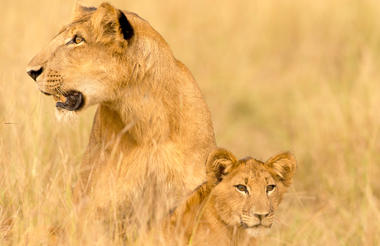
Occupying the southern reaches of Queen Elizabeth National Park, this quieter safari region is defined by expansive grasslands, scattered fig trees and the wildlife-rich plains of the Ishasha sector. Best known for its famous tree-climbing lions, the area offers one of Africa's most distinctive safari experiences, with these remarkable predators often seen resting high up in the sprawling branches. Game drives may also reveal elephants, buffalo, Uganda kob and a variety of antelope, while the region's diverse birdlife attracts keen birdwatchers. Golden grasslands stretch towards distant hills, punctuated by acacia trees and the calls of birds carried on the warm breeze. Southern Queen Elizabeth National Park is ideal for travellers seeking a quieter safari experience with exceptional wildlife and dramatic natural scenery.

Located in southwestern Uganda, the Bwindi Impenetrable National Park is said to be Africa’s oldest rainforest. It is world-renowned for its excellent gorilla-sighting opportunities - the forest is home to half of the remaining mountain gorillas on earth. This gorilla experience takes place among a rugged landscape of dense jungle, cascading waterfalls, sparkling mountain streams, deep valleys, and steep ridges. The untouched forest has been declared a UNESCO World Heritage Site for its breathtaking natural beauty and unique ecological significance. Aside from the amazing gorilla interactions, there are other drawcards such as a network of forest walks, over 340 species of bird to spot, and a variety of brightly-coloured butterflies to identify.


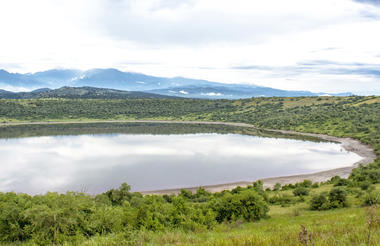
Located in southern Uganda, Lake Bunyonyi is said to be the second deepest lake in Africa and is home to a variety of water birds, giving it the name ‘place of little birds’. This spectacularly scenic lake is dotted with gorgeous misty islands and surrounded by verdant, undulating, terraced hillsides. It is also a popular stop-off on the way to the famed gorillas that live nearby and unlike many lakes in East Africa, it is crocodile, hippo and bilharzia free. Highlights include camping on one of the islands, swimming in the lake’s crystal clear waters, bird watching, canoeing, and hiking.


As previously described


