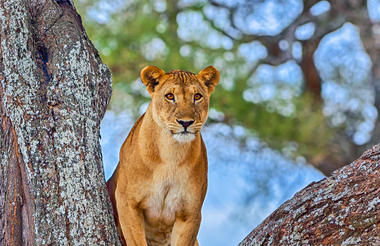
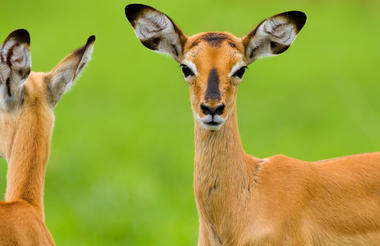
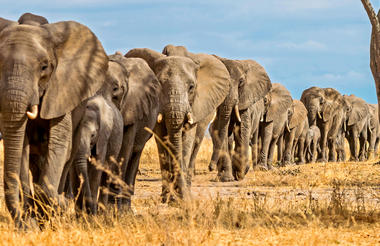
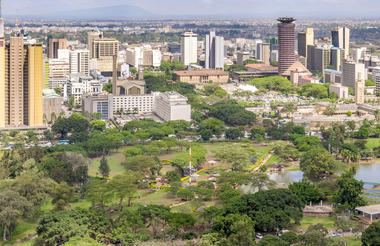
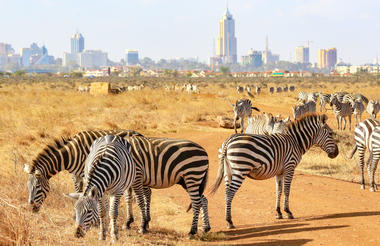
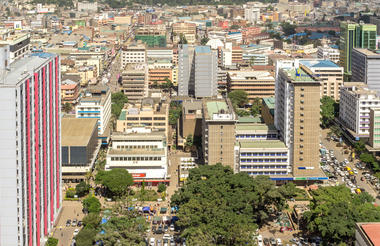
Widely regarded as one of East Africa’s most dynamic and cosmopolitan cities, Nairobi sits along the Nairobi River and serves as Kenya’s capital and largest urban centre, acting as a major gateway for safari travel across the country. The city features a growing café culture, active nightlife, and cultural landmarks such as the National Museum of Kenya and the Karen Blixen Museum. Just outside the city centre lies Nairobi National Park, where wildlife, including lions, giraffes, and buffalo, roam against a backdrop of skyscrapers — one of the rare cases in the world where a major national park borders a capital city. Visitors also often stop at the David Sheldrick Wildlife Trust elephant orphanage for close encounters with rescued calves.
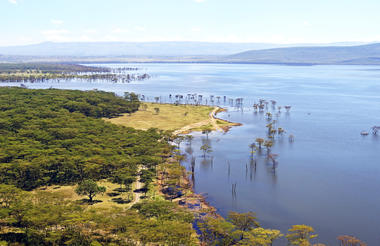
Situated in Kenya’s Great Rift Valley, around 90 kilometres north-west of Nairobi, Naivasha is a lively town that serves as the gateway to Lake Naivasha, one of the country's most important freshwater lakes. The surrounding Lake Naivasha basin is a popular base for exploring volcanic landscapes, nature reserves and national parks. Visitors can take boat trips across the water to spot hippos and a wide variety of birdlife, walk among free-roaming giraffes, zebras and antelope on Crescent Island, or explore the dramatic gorges and cliffs of Hell’s Gate National Park on foot or by bicycle. Surrounded by acacia woodland and Rift Valley escarpments, the region offers a distinctive blend of outdoor adventure, wildlife encounters and natural beauty.


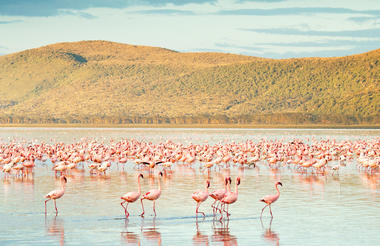
Nakuru is a fascinating city on the shores of western Kenya’s Lake Nakuru. The capital of Nakuru County located in the Great Rift Valley, about ten kilometres from the massive Menengai Crater. A hiking trail leads up to the rim of this ancient caldera, offering bird’s eye views over the lake and surrounds, and then plunges 400 metres down to the floor below, where visitors can walk among ancient forests. Lake Nakuru National Park, surrounding Nakuru, is home to exceptional birdlife, as well as over 50 varieties of mammals including lion, leopard, buffalo, zebra, giraffe, rhino, antelope and various primates. History and culture enthusiasts should make sure to visit the incredible Hyrax Hill prehistoric site.
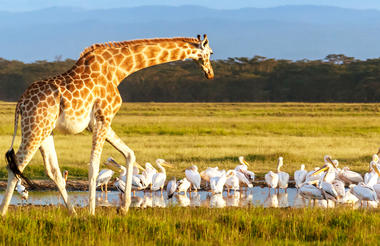
Situated in southwestern Kenya, the Masai Mara encompasses the celebrated national reserve and its surrounding community conservancies, forming part of the Greater Serengeti–Mara ecosystem. Rolling savannahs, dotted with acacia trees and crossed by the Mara River, create a rich and varied landscape. Vast herds of wildebeest, zebra, and antelope graze across the plains, while elephants, giraffes, and buffalo roam freely. The river’s lush banks support hippos and crocodiles and sustain wildlife throughout the dry season. Predators are abundant, with lions, leopards, cheetahs, and hyenas regularly seen in action. Each year, the spectacular Great Migration transforms the region, as millions of wildebeest and zebra traverse the plains. Visitors can soak up the breathtaking scenery, diverse wildlife, and Maasai cultural heritage in one of Africa’s most iconic safari destinations.
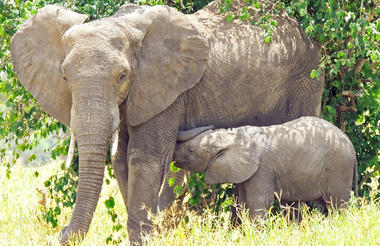
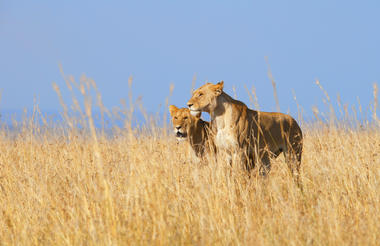
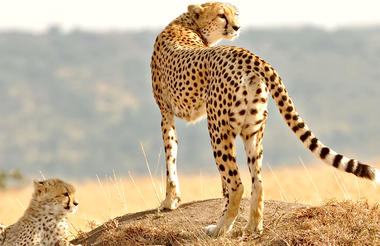
Perched on the northern edge of the Serengeti, Kogatende provides access to expansive plains and riverine landscapes that stretch towards the Tanzanian-Kenyan border. The Grumeti River threads through the area, drawing herds of wildebeest and zebra during the annual migration, while elephants and giraffes move quietly across open savannahs. Small safari lodges and camps, such as Sayari and Namiri Plains, allow visitors to observe wildlife at close range without disturbing natural patterns. Morning and evening game drives reveal lions lounging in the shade and cheetahs navigating tall grasses, while guided walking safaris explore less-travelled sections of the plains. Birdwatchers find African fish eagles and lilac-breasted rollers along the riverbanks, complementing the abundance of large mammals. Seasonal river crossings provide dramatic encounters, and hot air balloon trips create panoramic perspectives of the northern Serengeti’s mosaic of grasslands, rivers, and scattered woodlands.


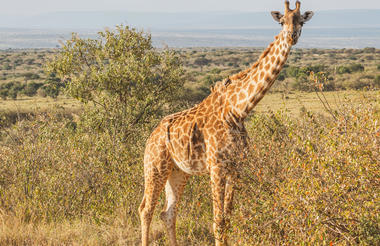
Situated at the heart of Serengeti National Park in northern Tanzania, the Central Serengeti is the park's most visited and wildlife-rich region, centred around the Seronera Valley. Characterised by vast open plains, scattered acacia trees, distinctive granite kopjes favoured by lions and cheetahs, and permanent water sources, it offers exceptional year-round game viewing and is renowned for its resident leopards, often seen resting in the branches of riverside trees. Visitors can enjoy rewarding game drives in search of lions, leopards, cheetahs, elephants, giraffes and large herds of plains game, while the Seronera River attracts an abundance of birdlife and other animals throughout the year. Although it is one of the Serengeti's busiest safari areas, its remarkable biodiversity and reliable wildlife viewing make it an outstanding destination for both first-time and returning visitors.
Located in Tanzania’s scenic northern highlands, Karatu is a small, colourful town surrounded by rolling green hills and fertile farmland. Travellers heading for the Serengeti National Park and Ngorongoro Crater often pass through Karatu, which lies beneath the towering Ol Deani Volcano. The town serves as a popular overnight stop for visitors exploring the region’s many game parks. Karatu offers a variety of activities, including browsing bustling local markets, sampling beer at a local brewery, visiting traditional homesteads, or taking guided walks through the Ngorongoro Forest in search of waterfalls and caves. Whether seeking cultural experiences, hiking and biking opportunities, or simply a relaxing break between safari drives, visitors will find plenty to enjoy in this welcoming town.


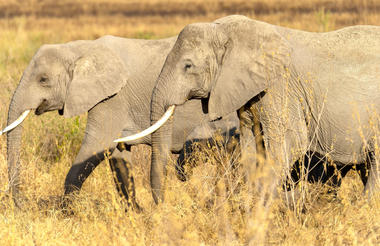
Situated in northern Tanzania, Tarangire National Park is a breathtaking safari destination famed for its dramatic landscapes and exceptional wildlife. Dominated by ancient baobab trees and the life-giving Tarangire River, the park provides sanctuary for vast herds of elephants, zebra, and wildebeest, alongside smaller groups of giraffe and impala, especially during the dry season when animals gather in extraordinary numbers. Travellers can look forward to thrilling game drives that reveal lion, leopard, and even cheetah, together with more than 500 bird species that make the skies shimmer with colour and sound. Unlike busier safari parks, Tarangire offers a more tranquil, intimate atmosphere, allowing visitors to truly connect with nature. Its sweeping vistas, rich biodiversity, and sense of untamed wilderness make it an unmissable highlight of any Tanzanian adventure.