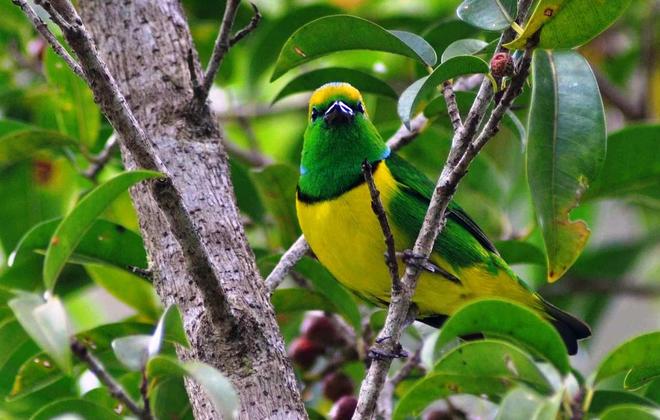
Visitors to the Republic of Costa Rica will find that despite its small size, the country has an incredible number of attractions and activities to offer. Five per cent of the world’s biodiversity can be found within Costa Rica’s borders and great efforts have been made to preserve this rich resource; protected national parks make up almost 25% of the land – more than any other country in the world. From fishing and surfing to white water rafting and exploring volcanic regions, Costa Rica is the perfect playground for nature lovers and adventures seekers alike.
San Jose, affectionately known to its residents as 'Chepe', lies in the heart of Costa Rica and is home to almost two-thirds of the country’s population. With few buildings over 100 years old, the mountainous capital is relatively modern compared to its Latin American counterparts, but still has a significant amount of culture, art and history for visitors to discover. With a number of theatres full of Costa Rican culture, museums that include the largest collection of American jade in the world, and streets full of bright murals and painted buses, San Jose is an eclectic city waiting to be experienced.

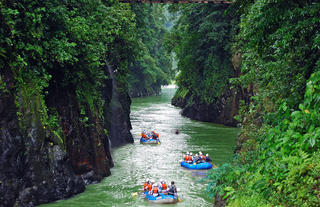
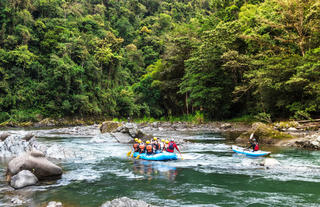
The Pacuare River meanders down the Atlantic slope of the Talamanca mountain range, through the dense rainforest of the Pacuare Protected Zone, until it finally reaches the Caribbean Sea on Costa Rica's central coast. Although the river is primarily known for its challenging rapids and its excellent white water rafting opportunities, it also features some remarkable scenery characterised by lush primordial rainforest, lowland tropical forest, and dramatic towering waterfalls. This pristine natural terrain along the banks of the river provides a haven for a wide variety of wildlife including river otters, jaguars, ocelots, howler monkeys, capuchin monkeys, sloths, iguanas, coatis, and raccoons - among many more. Birders will delight in the colorful avian life. Day trips combine rafting adventures with the exploration of waterfalls, hiking trails, and natural springs along the way.
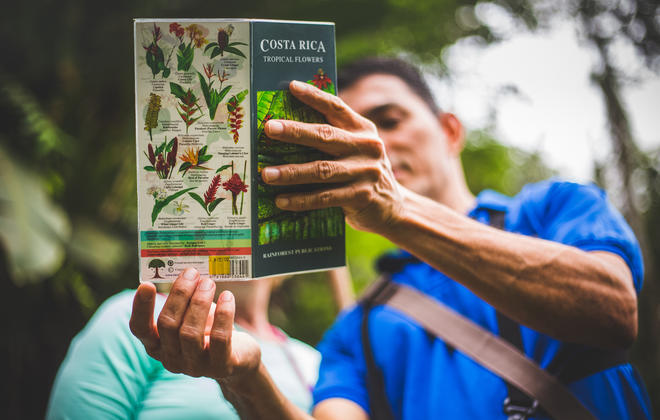

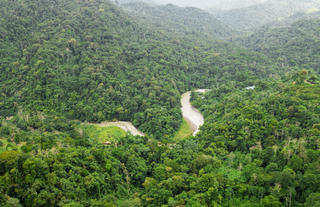
Forming part of the Osa Conservation Area, Piedras Blancas National Park is situated in the Puntarenas Province near the Golfo Dulce on the Southern Pacific Coast of Costa Rica. Renowned for its untouched beaches, glistening bays and lush rainforests, Piedras Blancas is popular with nature lovers. Visitors can look forward to a wide selection of activities including exploring the rugged mountains, discovering rare tropical trees, and spotting an array of wildlife such as a diverse variety of bird, mammal and reptile species. Most notably, the park is among the last remaining habitats for the Jaguar in the whole of Costa Rica. Don't miss the opportunity to meander along the vast network of jungle trails while soaking up spectacular views of the 14 000 hectares of unspoilt natural beauty.


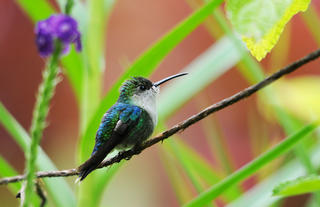
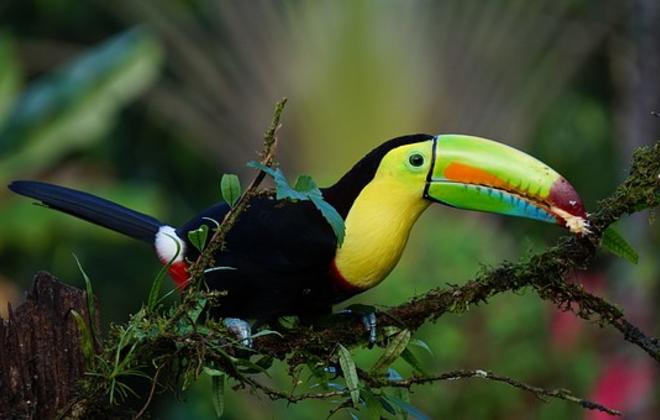
Situated in southern Costa Rica, the small village of Uvita, also known as Uvita de Osa, is a little remote gem on the coast. It isn’t as overdeveloped as the other beach towns and boasts an array of wonderful attractions and activities for visitors to enjoy. Uvita serves as the gateway to the incredibly scenic Marino Ballena National Park, famous for its migrating pods of humpback whales. It features a unique peninsula, the Cola de Ballena, which translates as ’The Whale’s Tail’, which is indeed in the shape of a whale tail. Visitors can look forward to enjoying a refreshing dip in the Uvita Waterfall, as well as the enormous multi-tiered Nauyaca Waterfall and exploring the caves of Playa Las Ventanas Don’t miss the opportunity to catch a magnificent sunset over the Pacific Coast of Costa Rica, and spot colourful toucans flying around the jungle. Highlights include: the Annual Whale and Dolphin Festival, horse riding excursions, kayaking tours and excellent diving and snorkelling opportunities.



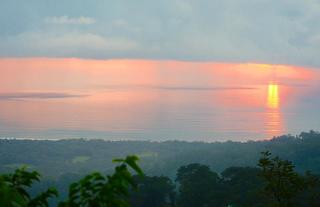

Named after the native Quepoa Indians who lived in the area until the 1800s, Quepos is a small but active town on Costa Rica’s Central Pacific Coast, boasting a traditional Latin American charm and an energetic nightlife. Although the town serves as a gateway to the nearby Manuel Antonia National Park, it has many wonderful attractions of its own, including a variety of fish that have made it a world-class destination for sport fishing. For those in search of a different kind of thrill, Quepos offers kayaking, surfing, scuba diving, canopy tours, and many other activities for adventurous visitors.


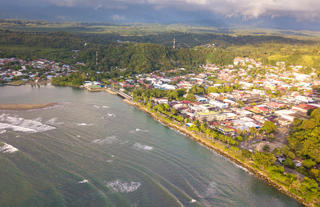
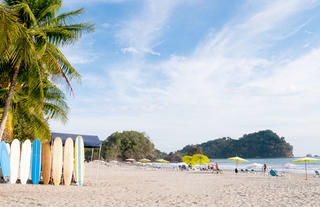
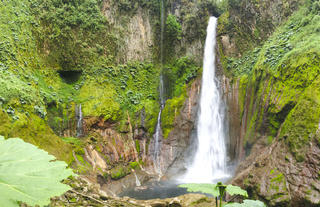
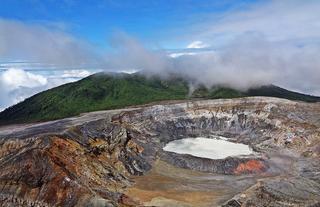
Resting in the remote volcanic mountains to the north of Costa Rica’s Central Valley, the tiny town of Bajos del Toro makes an ideal getaway for nature lovers, hikers and bird enthusiasts. The town sits at the foot of the towering Poas Volcano and is surrounded by a number of protected wilderness areas including the Poas Volcano National Park, Juan Castro Blanco National Park, and the Bosque de Paz Rain/Cloud Forest Biological Reserve. The climate in this area is typically wet which allows for wonderfully lush vegetation as well as beautiful waterfalls, streams and pools. This spectacular natural environment provides ample opportunity for outdoor adventure including: trout fishing, horse riding, river rafting, mountain biking, hiking rugged mountain trails, or whizzing through the forest canopy on a zipline tour. Don’t miss the impressive Cataratas del Toro Waterfall, which drops 300-feet into an extinct volcanic crater.