Resting in the magnificent Great Rift Valley and presided over by the majestic Mount Kilimanjaro, Kenya is characterised by hauntingly beautiful natural landscapes of forested hills, patchwork farms, wooded savanna and vast forests brimming with an extraordinary abundance of wildlife. The nation’s diverse range of traditional African cultures is influenced by over 70 unique ethnic groups from the Maasai, Samburu, Kikuyu, and Turkana tribes to the Arabs and Indians that settled on the coast. Add to this an exquisite tropical coastline fringed with breathtaking golden sand beaches, gorgeous coral gardens providing excellent snorkeling and diving opportunities, and a slew of lively beach resorts, and it is easy to see why so many visitors flock here from around the world to experience a truly unique African adventure in one of the world’s most pristine safari destinations.
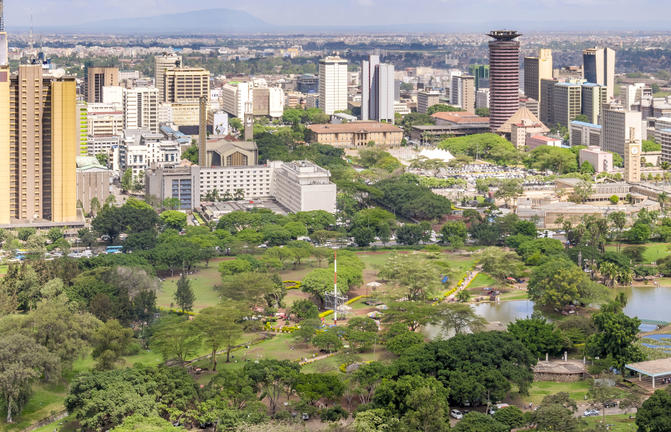
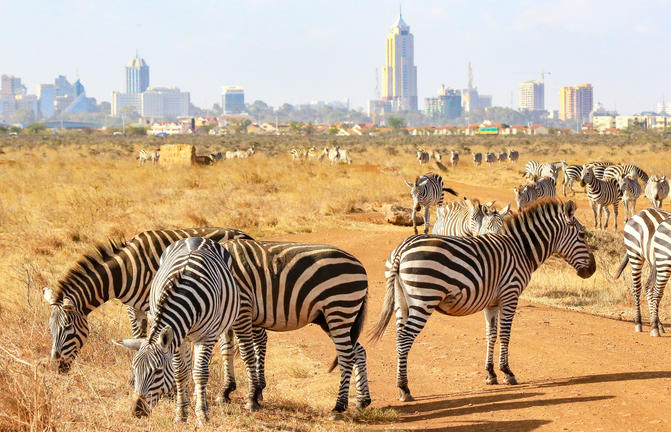

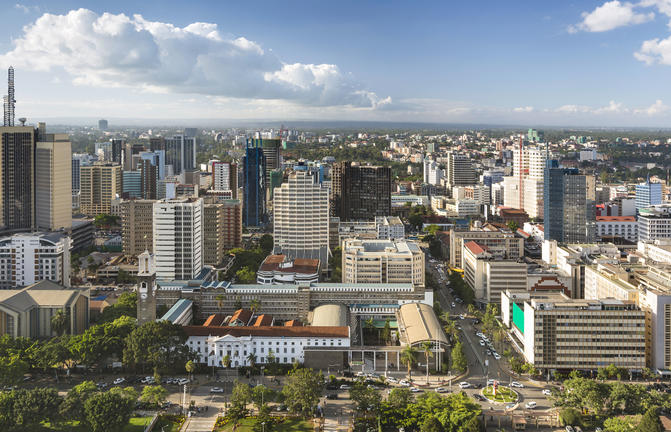
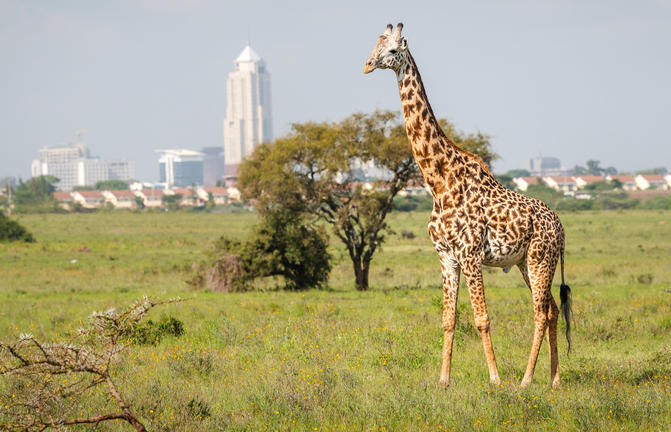
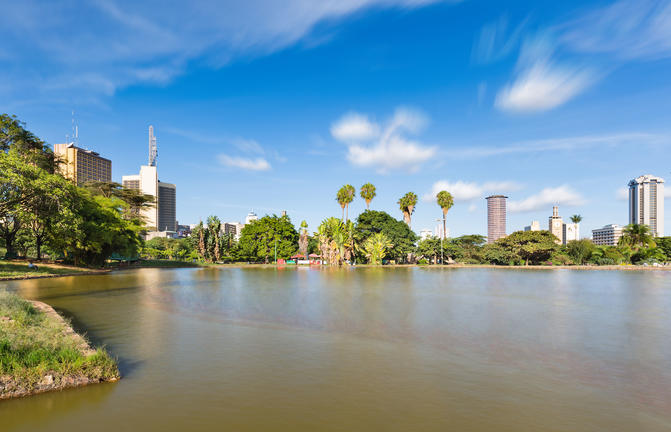

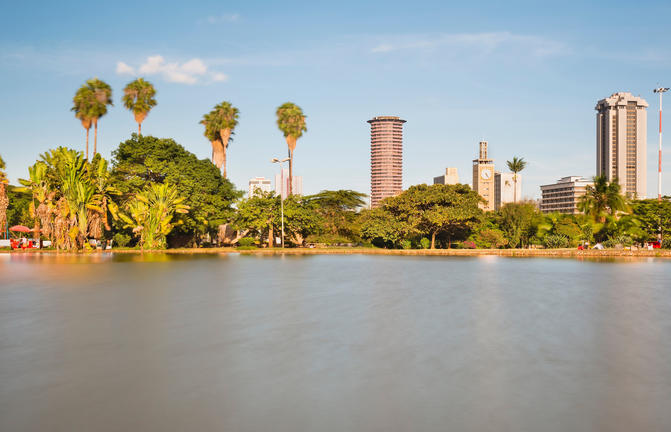
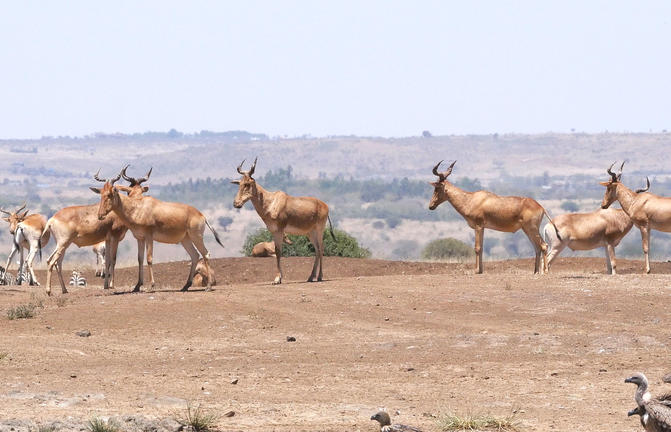
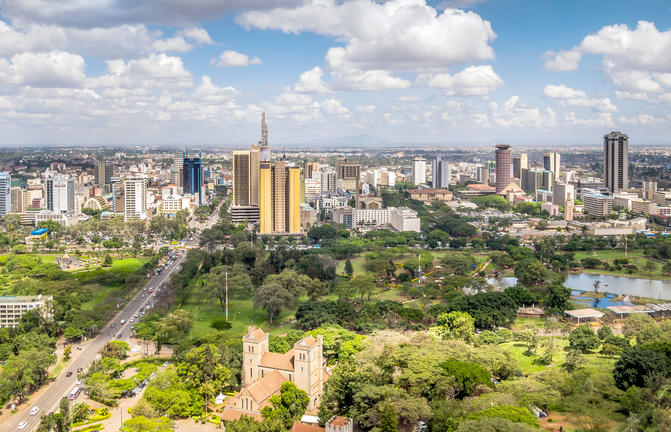
Widely regarded as one of East Africa’s most dynamic and cosmopolitan cities, Nairobi sits along the Nairobi River and serves as Kenya’s capital and largest urban centre, acting as a major gateway for safari travel across the country. The city features a growing café culture, active nightlife, and cultural landmarks such as the National Museum of Kenya and the Karen Blixen Museum. Just outside the city centre lies Nairobi National Park, where wildlife, including lions, giraffes, and buffalo, roam against a backdrop of skyscrapers — one of the rare cases in the world where a major national park borders a capital city. Visitors also often stop at the David Sheldrick Wildlife Trust elephant orphanage for close encounters with rescued calves.
Located in Taita-Taveta County in south-eastern Kenya, Tsavo West National Park covers more than 9,000 square kilometres, making it one of the country’s largest and most dramatic protected areas. Its varied scenery includes volcanic cones, lava flows, rocky outcrops, swamps, wooded grasslands, riverine forests, plains, lakes, and natural springs. The otherworldly Shetani Lava Flows, named after the Swahili word for “devil”, spread across the savannah in striking black layers. Other notable features include Chaimu Crater, the panoramic viewpoint at Roaring Rocks, and Mzima Springs, a series of crystal-clear freshwater pools that sustain hippos, crocodiles, and abundant birdlife. Wildlife enthusiasts can look for highly endangered black rhinos at the Ngulia Rhino Sanctuary, alongside elephants, buffalo, waterbuck, eland, impala, Maasai giraffe, and many other species.


Olderkesi Conservancy stretches across the southeastern corner of the Mara, near the Tanzanian border, forming a vital corridor for wildlife moving between the Serengeti and Kenya’s Maasai Mara National Reserve. Each year, wildebeest and zebra thunder through these grasslands during the Great Migration, watched closely by lions, cheetahs, and hyenas. Elephants, giraffes, and antelope roam freely across riverine valleys, forests, and woodlands, while birds, reptiles, and smaller mammals thrive in the quieter corners of the landscape. The Maasai, original inhabitants of the area, still live here as semi-nomadic pastoralists, guiding large herds of cattle across the plains and keeping their cultural traditions alive.
The Olare Motorogi Conservancy is an 85 square km expanse of prime private wilderness in Southwest Kenya which forms part of the Maasai Mara-Serengeti ecosystem and wildlife dispersal zone. The conservancy lies immediately to the northwest of the main Maasai Mara reserve. Tourism is limited to a maximum of 94 beds which maximizes the client wilderness experience and minimizes the environmental impact of tourism. Open hills provide a habitat for a diverse range of grazers, including giraffes, zebras, hartebeests and warthogs. These herds attract large numbers of predators, including lions, cheetahs, hyenas and jackals. In between the hills run a number of small seasonal streams, fringed by stretches of forest which are home to a broader range of species including baboons, elephants, buffaloes, hippos and leopards.


