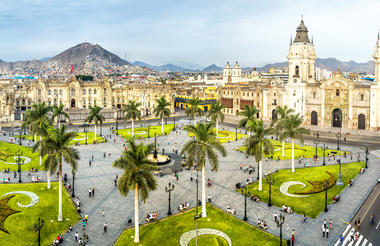
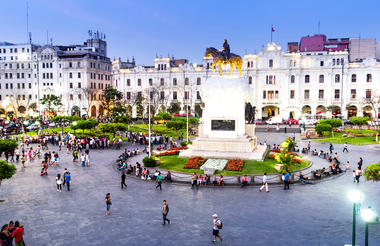
Peru’s capital is a fantastic city to tour, dotted with a multitude of cultural sites and beautifully preserved architecture. Founded by the conquistador Francisco Pizarro in 1535, Lima was first named ‘City of Kings’ – a biblical reference to the ‘Three Wise Men of the East’ – before its name was changed by the Spanish colonialists. The most significant historical buildings are located around the Plaza Mayor, the most notable being the Government Palace, where one can still observe the changing of the guard performed by the Húsares de Junín. The beautiful Cathedral and the various small palaces and colonial balconies also play also their part in the beauty of the city. Another highlight is the famed Larco Herrera Museum, documenting the millennial cultures that preceded the Inca civilization and containing a priceless collection of pre-Columbian artifacts, including some of South America's finest pre-Inca erotic pottery.

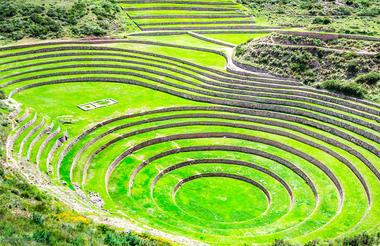
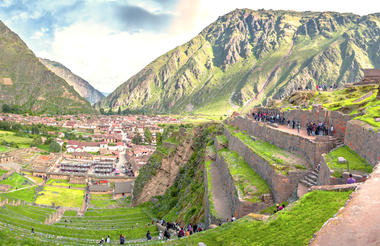
Also known as Urubamba Valley, the Sacred Valley of the Incas is located in the Peruvian Andes, beneath the world-famous site of Machu Picchu and not far from Cuzco, the unofficial Inca capital. This fertile valley is fed by a network of waterways and encompasses a wealth of archaeological sites, including Ollantaytambo, renowned for its extensive Inca ruins; Tipon, which features ancient agricultural terracing and a working irrigation system; and Pisac, with its ancient vestiges and colourful weekly market.
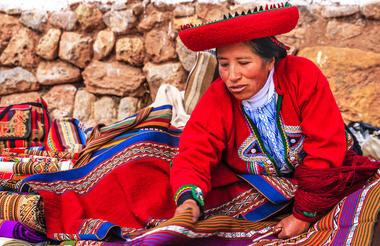
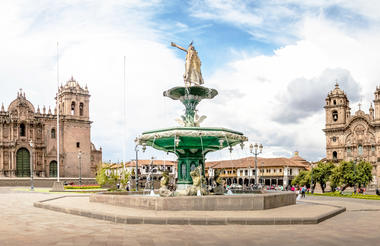
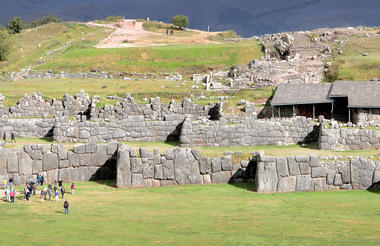
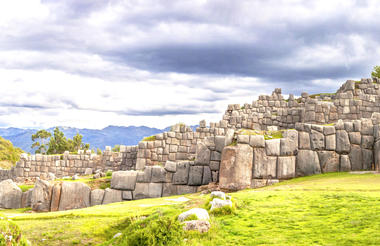
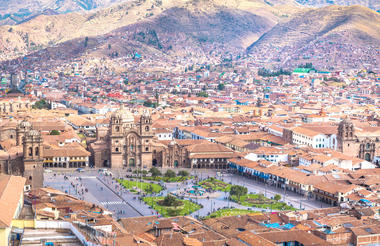
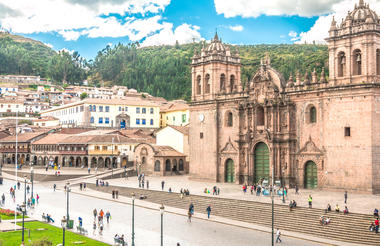
Once called the ‘Navel of the World’ by the Incas, Cusco rises in the southern Andes of Peru, where colonial grandeur meets the enduring stonework of the Inca Empire. A UNESCO World Heritage Site, it serves as the main gateway to Machu Picchu, the Sacred Valley, and surrounding ruins. At its centre, the Plaza de Armas—once Huacaypata—remains alive with cafés, arcades, and the 16th-century Cusco Cathedral, built from Sacsayhuamán’s stones. Nearby, the San Blas district unfolds with whitewashed adobe houses, blue balconies, and workshops where artisans craft metalwork, woodcarvings, and sacred art. Across the city, layers of history reveal themselves in landmarks such as the Korikancha, the Inca street of Hatun Rumiyoc with its twelve-angled stone, the Museum of Colonial Art, and the ancient shrines and water temples scattered through the surrounding hills.
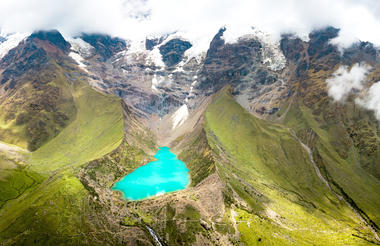
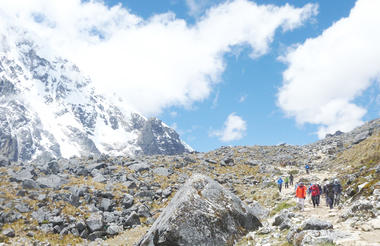
The highest peak in the Peruvian Andes’ Vilcabamba mountain range, Salkantay is famous for its proximity to Machu Picchu and its incredible alternative trekking route to the ancient site. To take the route known as the Salkantay Trek, hikers begin at Cusco and make their way through a snowy mountain pass before descending into lush jungle, and then arriving at the most sought after destination in South America. This alternative has many advantages, such as its significantly lower number of hikers, a quick and easy booking process (it is even possible to book on the day), and even arguably better scenery. The trail includes an option to pass the exquisite bright blue Humantay Lagoon, and the wonderful rock-sculpted thermal pools known by many as the best on the continent, with spectacular views of the mountains.
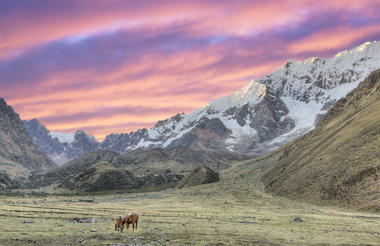
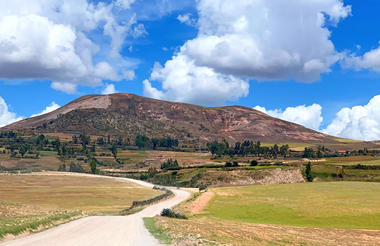
Sandwiched between the tourist hotspot of Cusco and the hiking mecca of Huaraz lies Peru’s Andean mountains, known as the ‘Central Andes’. These remote mountains reveal an authentic side of Peru, where visitors can look forward to exploring this off the beaten track area and venture into traditional Peru. Highlights include Ayacucho with its captivating colonial churches and fascinating museums, local specialities, incredible views, adventurous local bus rides, the Wari ruins, the Río Mantaro valley, the fantastic high-quality handicrafts, and more.


As previously described


As previously described
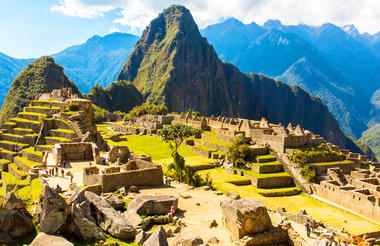
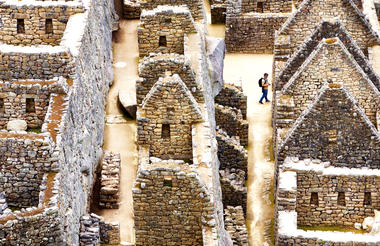
Located more than 6000 feet above sea level in Peru's mountain peaks, Machu Picchu is one of the world's most impressive archaeological sites. This legendary lofty city was abandoned by the Inca Empire, reclaimed by the jungle and lost to humanity until its rediscovery in 1911. Built by the Incas on the summit of "Machu Picchu" (Old Peak), in the middle of a tropical montane forest overlooking the canyon of the Urubamba, the 'Lost City of Machu Picchu' is a site of extraordinary beauty and enormous archaeological significance. The complex reflects the Inca Empire at its height, with giant walls, terraces and ramps that appear to have been cut naturally in the continuous rock escarpments. The phenomenal technological skills of the Incan engineers can be seen in multiple facets of the site: the exacting precision of the massive stone buildings, the water channels that reveal a deep understanding of hydraulics, and Intihuatana, a carved ritual stone known as the "hitching post of the Sun", which served as a solar calendar that regulated planting and harvesting.

As previously described