Situated in the southern reaches of Africa, Botswana is renowned for its pristine wilderness areas characterised by deep lagoons, wetlands, lush palms, rugged hills and desert plains. The country’s primary tourist drawcard is undoubtedly the vast red expanse of the Kalahari Desert and its remarkably beautiful Okavango Delta, the largest inland delta in the world. These natural wonders provide a tranquil haven for an abundance of African wildlife to thrive. Other highlights include the impressive Makgadikgadi Salt Pans, where visitors are privy to massive zebra migrations during the flood season; the Savuti plains, which host a significant pride of lions; and the Tsodilo Hills, where 4500 rock paintings form a unique record of human settlement over many millennia.
Situated in northeastern Botswana on the banks of the Chobe River, the town of Kasane is the main gateway to Chobe National Park and one of southern Africa's premier safari destinations. Renowned for its exceptional wildlife viewing, Kasane offers game drives and river cruises where visitors can encounter large herds of elephants, buffalo, hippos, and crocodiles, as well as abundant birdlife. Its location near the borders of Botswana, Namibia, Zambia and Zimbabwe also makes it a convenient base for exploring the wider region. Golden sunsets reflected on the river, the sounds of wildlife and a relaxed safari atmosphere combine to make Kasane an unforgettable destination for nature lovers.
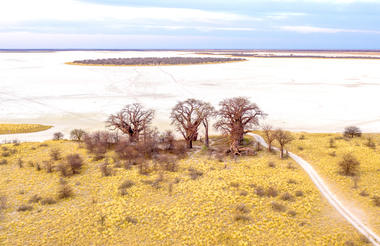
Adjoining the Makgadikgadi Pans National Park on its northern border, the Nxai Pans were once salt lakes. Today, the Nxai Pan National Park preserves this precious area, which is rich in biodiversity and is now characterised by grasslands dotted with trees and small pans that fill in the rainy season. The striking, famous Baines Baobabs, first drawn by the renowned explorer in the 1860s are a must-see, and there are several activities to look forward to. Take a 4WD sunset or sunrise game drive, or a birdwatching tour. The Nxai Pan is a breeding ground for wildebeest, gemsbok, zebra, and eland, and an impressive list of other animals can be seen quite easily too including lions, ostriches, giraffes, cheetahs, jackals, bat-eared fox, and even the elusive nocturnal porcupine.
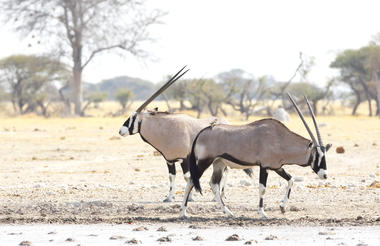
Situated on the southern edge of the Okavango Delta in northwestern Botswana, Maun is a laid-back safari town known as the gateway to one of Africa’s most remarkable wilderness regions. Dusty streets, scattered palms, and the slow-moving Thamalakane River give the town a relaxed frontier atmosphere, where safari vehicles and small bush planes are part of daily life. Travellers come to experience mokoro excursions through reed-lined delta channels, scenic flights above shimmering floodplains, and wildlife safaris into nearby game reserves. While Maun itself is functional rather than polished, its blend of local culture, open landscapes, and close access to untamed wilderness makes it an atmospheric and rewarding base for exploring the Okavango region.


Situated in the northwestern corner of Botswana, the Okavango Delta is a World Heritage Site as it is the largest inland delta in the world. The magnificent Okavango River sprawls out over the dry sands of the Kalahari Desert forming this flourishing waterlogged oasis featuring countless meandering waterways and crystal clear lagoons studded with water lilies, as well as fertile floodplains and reeded islands inhabited with abundant wildlife. The Okavango Delta stretches over an impressive15000 square kilometres. Visitors can enjoy a number of wonderful activities such as game viewing, fishing, bird watching or taking an authentic guided Mokoro excursion through this wetland paradise in a traditional dugout canoe. Commonly spotted animals include: lion, rhino, leopard, giraffe, hippos, elephants, crocodiles and countless species of bird.
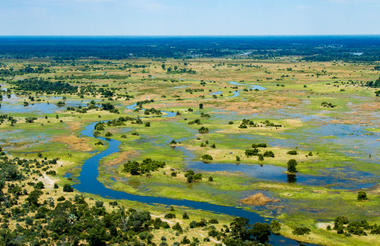

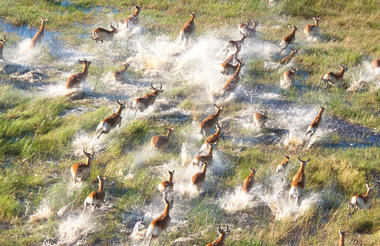
Situated on the eastern side of the Okavango Delta in north-western Botswana, Moremi Game Reserve is one of Africa's most celebrated wildlife reserves, protecting an extraordinary mosaic of floodplains, lagoons, forests and open grasslands. As the first reserve in Africa established by a local community, it is recognised for both its conservation significance and its exceptional biodiversity. Visitors can enjoy game drives and seasonal mokoro or motorboat excursions, with opportunities to spot elephants, lions, leopards, African wild dogs and abundant birdlife in remarkably varied habitats. The ever-changing landscapes, where winding waterways meet acacia woodlands and sweeping plains, create a memorable safari experience that combines outstanding wildlife viewing with the untamed beauty of the Okavango Delta.


Savuti, also known as Savute, lies in the heart of Botswana’s beautiful Chobe National Park. This dynamic wilderness is a sweeping expanse of savannah brooded over by several rocky outcrops which guard a relic marsh and the dry channel that was once its lifeline. The Savuti goes through wet and dry cycles, where wild dogs hunt in the dry river channel where crocodiles swam only twenty years ago. Visitors to this spectacular area can spot abundant wildlife including: a variety of birds, elephants, antelope, lion prides, black-backed jackal, bat-eared foxes, tsessebe, kudu, hyena, cheetah Cape buffalo herds, and thousands of migrating zebra and wildebeest.

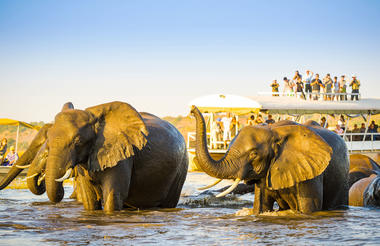
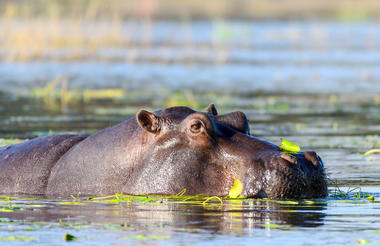
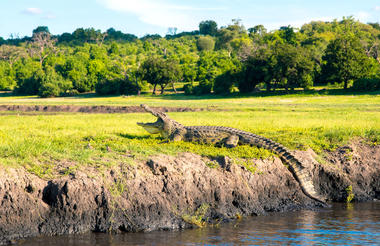
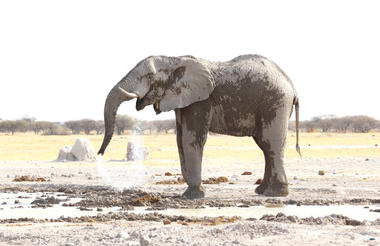
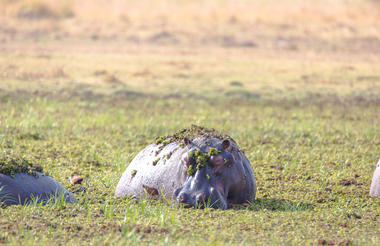
The Chobe River forms the northern boundary of the Chobe National Park which is renowned for its diverse and abundant game viewing opportunities. This section of the park is best known for its dense concentration of wildlife, including elephant and hippo populations, but the waters attract all manner of game including large herds of buffalo and the lions that prey on them - a visit to the Chobe River Front guarantees close encounters with an array of African wildlife. Visitors can look forward to a range of exciting activities such as 4WD along the banks; motorboat cruises; and rare birdlife spotting.
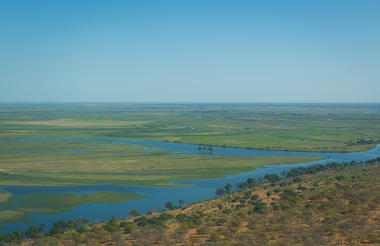

Zimbabwe is a captivating destination in southern Africa, renowned for its dramatic landscapes, abundant wildlife, and rich cultural heritage. The country is home to some of the continent’s most iconic natural attractions, including Victoria Falls, one of the world’s largest waterfalls, where the mighty Zambezi River plunges into a deep gorge in a spectacular display of power. Wildlife enthusiasts can explore Hwange National Park, famous for its large elephant population and diverse game viewing opportunities, or visit Mana Pools National Park, a UNESCO World Heritage Site known for its walking safaris, canoeing adventures, and close wildlife encounters. Lake Kariba, one of the world's largest man-made lakes, offers scenic boat cruises, excellent fishing, and breathtaking sunsets. Combining adventure, natural beauty, and authentic safari experiences, Zimbabwe remains one of Africa’s most rewarding travel destinations.
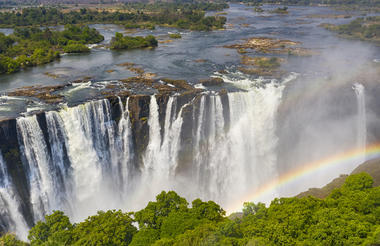
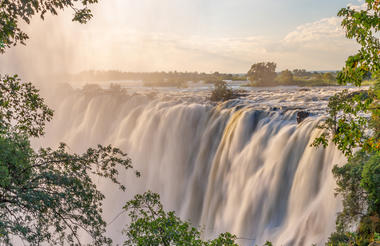
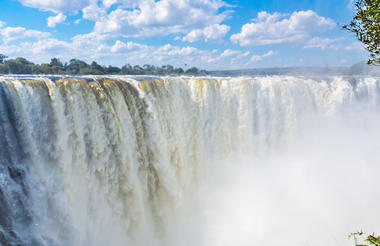
Known locally as Mosi-oa-Tunya—“The Smoke That Thunders”—Victoria Falls is one of the world’s great natural landmarks. Straddling the Zambezi River between Zambia and Zimbabwe, it forms a vast curtain of water that fills the air with mist and sound. The Zimbabwean side grants the most dramatic views, where mist rises like ghostly curtains and rainbows arc through the spray. Measuring about 1,708 metres across, it is regarded as the largest single continuous sheet of falling water on Earth. The adjacent town of Victoria Falls provides a convenient base for exploring the region, with a wide range of activities from scenic flights and microlight trips to white-water rafting, bungee jumping, kayaking, and safaris into Chobe National Park.