Grootfontein sits in the Otjozondjupa Region of Namibia, where open savannah plains and scattered acacia trees meet a quiet, small-town atmosphere shaped by agriculture and frontier history. Once a German colonial outpost, it is still marked by its orderly streets and historic buildings and now serves as a relaxed gateway to northern Namibia. Its most remarkable attraction is the nearby Hoba meteorite, the largest known intact meteorite on Earth, drawing visitors into a striking encounter with deep time in an otherwise sunbaked landscape. Surrounding farms and cattle stations add to the rural rhythm, while dust-laden air, distant livestock sounds and wide, bright horizons define the sensory experience. Grootfontein is modest and unpolished, but its geological wonders and expansive skies offer a compelling stop for travellers exploring Namibia’s interior.
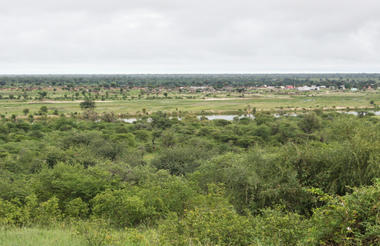

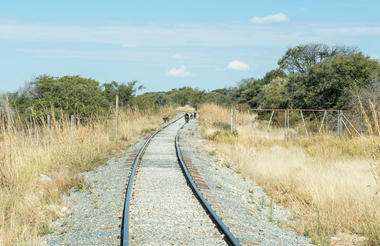
Bordering Botswana and set in the Kalahari Desert, just south of the entrance to the Caprivi strip, Khaudum National Park is a remote wilderness that attracts relatively few visitors – but its charm lies in this precise aspect. Those with an adventurous spirit will revel in the park’s wild, isolated beauty. Established to protect Namibia’s northern Kalahari sandveld biome, it is a haven for a diverse array of animals and more than 300 bird species. The spectacular landscape features broad river beds, dry forests, and endless wide-open spaces. Visitors looking for a thrilling 4X4 adventure can find it here in 'Namibia's Forgotten Wilderness’.


As previously described


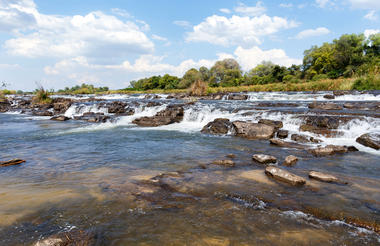
Set roughly 200 kilometres east of Rundu on the southeastern banks of the great Okavango River, the small village of Divundu is a wonderful destination from which to explore the river, game parks and national reserves of the area. Visitors can enjoy fishing or bird watching boat safaris, or visit the Mahango Game Park, which is home to herds of elephant as well as hippo, buffalo, giraffes, antelope, and many other animals. The spectacular Popa Falls, a dramatic series of cascades - are a popular must-see attraction. Divundu is also the perfect base for adventures in Botswana and the Okavango Delta.
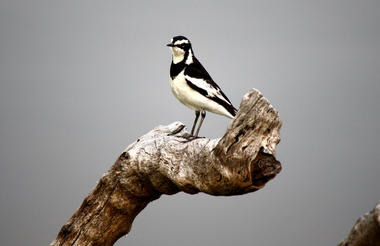
Stretching over 6200 square kilometres in northeast Namibia, the Bwabwata National Park includes the Caprivi Game Park and the Mahango Game Reserve which extends along the narrow Caprivi strip. The park functions as a wildlife sanctuary and practices community-engaged conservation, which visitors can take part in. It has been dubbed the 'People's Park', as the local Caprivian people live in harmony with the land and the animals. With an ever-growing wildlife population, the park is home to many animals including elephant, leopard, lion, buffalo, wildebeest, crocodile, and red lechwe. Avid birdwatchers will be thrilled to find over 330 bird species in the area. Visitors can look forward to excellent game viewing, boat safaris, nature walks and camping under the brilliantly clear Namibian night sky.


Bordering Angola, on the banks of the Okavango River in northern Namibia, the town of Rundu serves as the capital of the eastern Kavango region. Rundu is renowned for its local woodcarvers market and is filled with impressive woodcarvers' workshops. The town provides a great stopover to refuel for visitors heading to Katima Mulilo, enthralling Popa Falls, or Mahangu Game Reserve, home to the endangered wild dog and lion, leopard, elephant, cheetah, and hippo. Visitors to Rundu can also look forward to great game viewing, excellent bird watching as well as kayaking on the spectacular Kavango River.
Important information:
- The gate to the camp is open from sunrise to sunset.
- Park entrance fees (not included in the paid-up reservations) must be paid at the reception.
N$ 280.00 per adult
N$ 180.00 per child 8-17 years
Children younger than 8, free of charge.
- Day visitors have to leave the Park before sunset.
- Breakfast is served at Waterberg Camp between 06:30 and 08:30. Tea and coffee is available in the restaurant throughout the day. The pool bar opens from 09:00 to 18:00. It has a short menu from which you can order soft drinks, and snacks like burgers, salads and chips. The pool bar is also the only place for lunch. Dinner is served between 19:00 and 21:00 and you can choose from the à la carte menu. Please check times at reception.
- There is mobile reception at the Restcamp. There are no phones in the rooms, but the camp has a public pay phone should you need it. You can also purchase phone cards from the small shop. The Restcamp has email and fax facilities but only at reception; it is not for the use of guests. There is no TV or radio in the rooms.
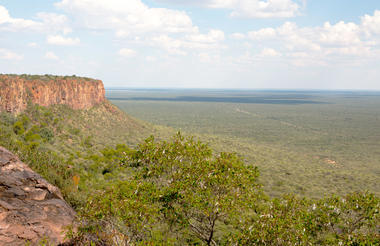
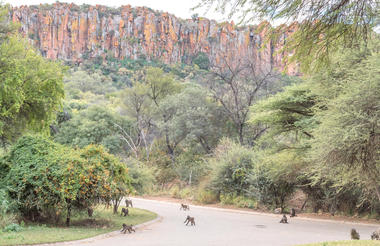
The Waterberg Plateau and 41,000 hectares of surrounding land was declared a Nature Reserve in 1972. The striking sight of Waterberg Plateau's brick-red sandstone crowned with lush vegetation has supported a wide diversity of flora and fauna for thousands of years. Rising to 420m in places and enveloped by Namibian savannah, the untouched fortifications of this unmistakable feature have provided nature with the perfect wildlife sanctuary. It lies between 1,650 and 1,700 m above sea level and is an erosion relic of a sandstone casing which covered large parts of Namibia millions of years ago. The sandy soils of the plateau have a low water retention capacity, and consequently rainwater flows down seams which have formed in the Etjo sandstone. When water reaches the impermeable mudstone band of Omingonde Formation, it is forced to the surface at the base of the cliffs to emerge as springs.
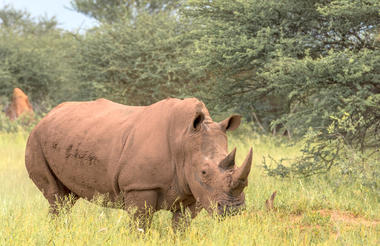
The table land is largely inaccessible, enabling several of Namibia's endangered species to be relocated here to protect them from predators and illegal hunting. The reintroduction programme was so successful that surplus species are released from Waterberg to supply other Namibian parks with rare animals. The Park has over 200 different species of bird and some rare species of small antelope on the lower hills of the mountain.
The first human inhabitants were the San people, who left rock engravings believed to be several thousand years old. A small tribe of the San were still living their traditional lifestyle on the plateau until the late 1960s. The site is also home to one of the major turning points in Namibia's History.