

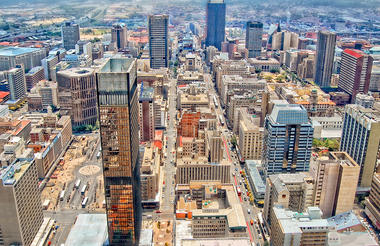
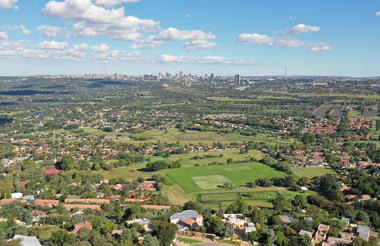
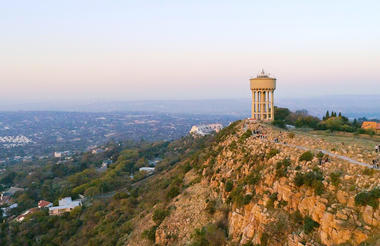
Located on South Africa’s Highveld plateau, Johannesburg is a fast-paced, creative city shaped by gold-rush history, cultural diversity and constant reinvention. Its atmosphere is energetic and urban, with contemporary galleries, rooftop bars and leafy suburbs existing alongside powerful reminders of the country’s past. Visitors can explore the Apartheid Museum, tour Soweto’s historic streets or browse vibrant markets and design spaces in neighbourhoods such as Maboneng. The city’s soundtrack shifts from lively jazz and amapiano beats to the hum of busy streets, while the scent of grilled street food drifts through open-air cafés and market stalls. Johannesburg rewards travellers who engage with its complexity and culture, though its size, traffic and contrasts mean it is best experienced with some planning and local insight.
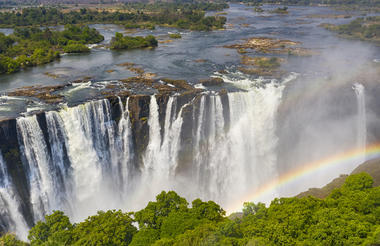
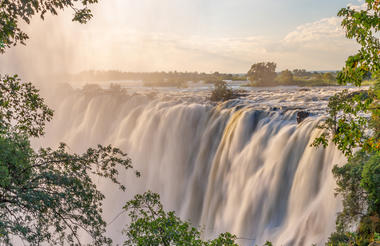
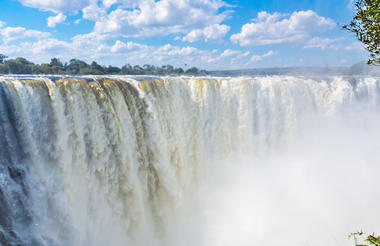
Known locally as Mosi-oa-Tunya—“The Smoke That Thunders”—Victoria Falls is one of the world’s great natural landmarks. Straddling the Zambezi River between Zambia and Zimbabwe, it forms a vast curtain of water that fills the air with mist and sound. The Zimbabwean side grants the most dramatic views, where mist rises like ghostly curtains and rainbows arc through the spray. Measuring about 1,708 metres across, it is regarded as the largest single continuous sheet of falling water on Earth. The adjacent town of Victoria Falls provides a convenient base for exploring the region, with a wide range of activities from scenic flights and microlight trips to white-water rafting, bungee jumping, kayaking, and safaris into Chobe National Park.
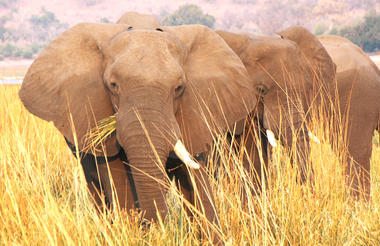
Forming the boundary between Botswana and Namibia is the Chobe River - one of the most well-known perennial rivers in Africa. The Chobe River Front encompasses vast floodplains fringed by lush riverine woodlands. The abundant wildlife inhabiting the river and its shores can be viewed from a river safari where visitors can spot elephants, hippo, water-loving antelope including the rare red lechwe and a variety of other game such as giraffe, zebra, and buffalo. Nature lovers will delight in the incredibly scenic natural landscapes and bird watchers can look forward to the wide section of bird species which can be spotted along the river banks.
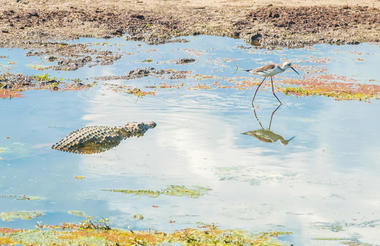
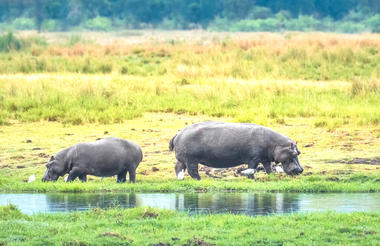
Situated in the northwestern area of the Okavango Delta, the Panhandle is a stretch of the Okavango River that follows a more-or-less straight course for approximately 70 kilometres before entering the wetlands. This deep channel serves as the main water source feeding the delta and offers excellent tiger and bream fishing, while the surrounding woodlands and the river’s shallow waters teem with a myriad of birds. The Okavango Panhandle is dotted with several villages and serves as a gateway to the scenic Tsodilo Hills, some 40 kilometres west, with their various tribal cave paintings, some dating back as far as 20 000 years. Visitors can enjoy excellent fishing, first-class birding, boating on the Okavango River and game viewing in the Mahangu National Park.


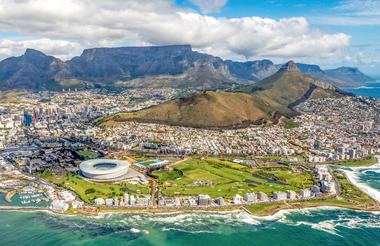
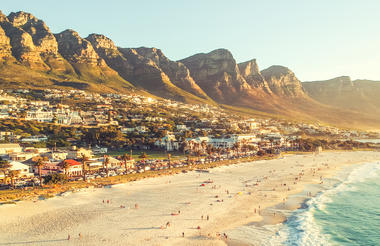
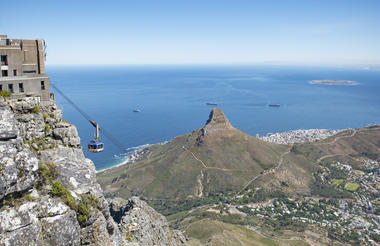
Set at the confluence of the Indian and Atlantic oceans and backed by the iconic Table Mountain, the bustling city of Cape Town presents an alluring combination of drawcards. Incredible powdery white beaches, highly acclaimed wine routes, and astonishingly beautiful mountain trails surround a cosmopolitan hub. This diverse metropolis is filled with superb shops and restaurants, extraordinary heritage monuments, a multitude of entertainment venues, and a spectacular, chic waterfront harbour. Highlights include the Zeitz Museum of Contemporary African Art; Table Mountain's jaw-dropping views; Boulders Beach, where penguins might swim right up to you in the warm Indian ocean waters; the Kirstenbosch Botanical Gardens, where you can walk along a treetop canopy among incredible native flora or watch an open-air concert at the base of the mountain; Robben Island, where visitors can see the cell where Nelson Mandela was imprisoned for 18 years; and many more.
Franschhoek is a picturesque village in South Africa's Cape Winelands, nestled in a valley surrounded by dramatic mountains in the Western Cape. Renowned for its wine estates, fine dining and French Huguenot heritage, it brings together wine, gastronomy, cultural heritage and spectacular mountain scenery. Visitors can sample local wines at historic wine estates, enjoy leisurely journeys aboard the Franschhoek Wine Tram and savour exceptional cuisine at acclaimed restaurants. The village's oak-lined main street features art galleries, boutiques and cafés, while the Huguenot Monument and Museum explore the history of the French Huguenots in South Africa. Beyond its culinary and cultural attractions, Franschhoek offers hiking trails in Mont Rochelle Nature Reserve, where visitors can enjoy panoramic views across the valley and vineyards.


