


Zambezi National Park is a National Park located upstream, just 5km from Victoria Falls on the Zambezi River in Zimbabwe and comprises 40km of Zambezi River frontage. It was split off from Victoria Falls National Park in 1979 and is 56,000 hectares (140,000 acres) in size. The park is bisected by a road to Kazungula, dividing it into a riverine side and a Chamabondo Vlei side. Most of the park is within the ecoregion of Zambezian and Mopane woodlands, while a small portion in the south is within the Zambezian Baikiaea woodlands.
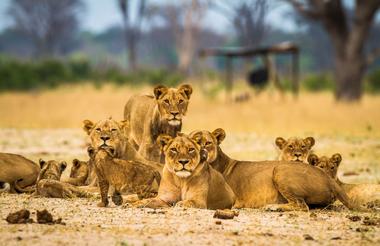
The Zambezi National Park plays host to a wide variety of larger mammals including African elephant, lion, Cape buffalo and leopard. In addition to these charismatic members of the "big 5" there are herds of sable antelope, common eland, common zebra, Southern giraffe, greater kudu, waterbuck and impala. In addition, many species of smaller wildlife can be seen here.
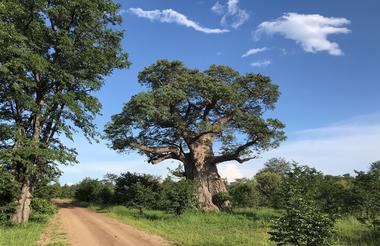
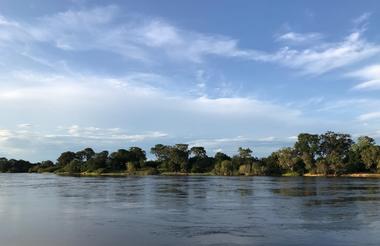
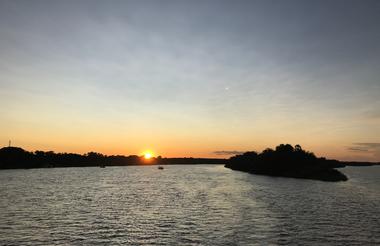
If you have dreamt of an Africa with expansive plains and wide horizons, where elephant and buffalo traipse in huge numbers towards waterholes and giraffe browse from flat topped acacias while a blazing sun sets behind them… you can find it in Hwange.
As Zimbabwe’s largest national park, Hwange has a sizeable reputation that it wholeheartedly deserves.
The sight of hundreds, if not thousands of elephants and buffalos streaming towards you as you sit at a waterhole is indescribable. There is nothing like the sound of elephants' peaceful rumbling or the deep thundering of buffalo hooves on hard ground when they spook, wary of lions that may lie in wait.
This sight and sound of a waterhole in the midst of pristine wilderness visited by huge numbers of animals is typical of Hwange. Beyond the sights and sounds, the feeling of Hwange is what will remain with you: awe and peace from spending time in a true, preserved wilderness.
Hwange’s diverse habitats mean that it offers large numbers of desert adapted, plains and woodland animals. The famed elephant population is one of the largest in the world and it has plentiful predator populations such as lion, leopard and cheetah. Hwange also boasts one of Africa’s last strongholds of endangered African wild dogs.
Hwange offers the opportunity to see a variety of rare antelope such as eland, sable, roan and if you are lucky the desert-adapted oryx (gemsbok).
Apart from the variety of species and its beautiful setting, Hwange is unique in its ease of access. The park begins a mere hour from Victoria Falls and there is a range of accommodation across every price point. The North typically offers a mix of private lodging and National Park chalets, as well as a well-maintained road network. Hwange’s more southern concessions are generally private, offering luxury lodges and camps.
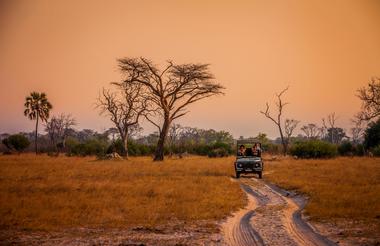
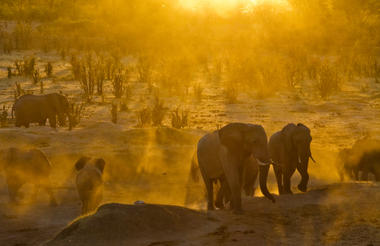
It is Matusadona’s landscape, which sits like a carefully painted backdrop to the park’s abundant wildlife, which will stay with you long after you leave. At Matusadona, the blues of the lake reflect up into yellow grasses and green shrubs before fading into the dusky purple hues of the Zambezi Escarpment. Throw a few great, grey elephants into the foreground and sprinkle in some buffalo and a crocodile or two (probably even more) and you’ve got yourself the kind of beauty typical of Matusadona.
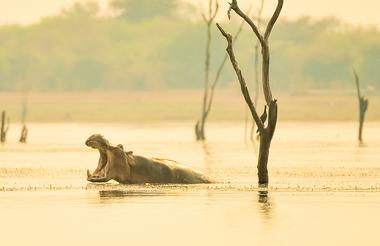
When the Kariba Dam flooded the middle Zambezi Valley in the late 1950’s to create Lake Kariba, the valley’s impressive wildlife was concentrated on its islands and southern shore. In this magnificent area, where water and wilderness meet, Matusadona National Park was formed and quickly became one of Africa’s best spots for walking safaris and lion watching; with some lion prides even preying on hippo for a feed.
The park’s remote location, bounded by two rivers, makes Matusadona truly wild and inaccessible. Despite its remoteness the park offers some truly luxurious lodges and houseboats to enjoy the area from and the shoreline of the lake is one of the best places for game viewing. Elephants, buffalo and other herbivores congregate by the water to take advantage of the sweet grasses by the lake’s edge with lions following close behind them.
For the adventurous, walking or canoeing with a professional guide comes highly recommended and allows for thrilling encounters with the park’s ‘big five’. Highlights of visiting the area also include the smaller things, and a cornucopia of aquatic birdlife flanks the shoreline. A huge number of African Fish Eagles call Matusadona home, as well as herons, storks, plovers, waders, geese, pratincoles, darters, cormorants and numerous raptors.
It’s hard not to be dramatic when describing the grand beauty of Mana Pools. This park in the north of Zimbabwe is a unique oasis often described as a ‘garden of Eden’. It is a remote gem that leaves you awed and humbled by the landscape, a landscape that feels both eternal and wonderfully alive. Mana Pools is a designated UNESCO world heritage site.
The name Mana means four in the Shona language and comes from a series of four pools, remnants of oxbow lakes that run parallel to the river amongst the ancient floodplains for which Mana is famous. These wide green floodplains dotted with giant Albida trees edge the Zambezi river and offer breathtaking views of the purple-hued escarpment rising dramatically across the river. The floodplains attracts huge amounts of wildlife, especially in the dry season, and you’ll quickly get the sense of being one of a privileged few to experience this wild place.
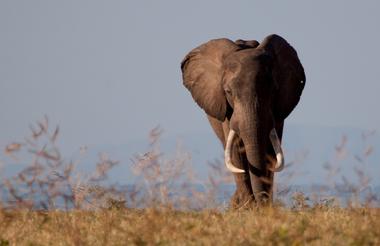
Mana is known for its immense bull elephants and the sight of an elephant standing upon its hind legs to stretch for the seedpods of a giant tree upon the floodplain has become iconic. Mana raises goosebumps and leaves you with vividly remembered impressions: the sound of clashing ivory echoing across the valley while two massive elephant bulls fight; or sunrises that coax the smell of overnight dew out of the floodplains.
Mana Pools is not all about elephants; you can expect to see large numbers of plains game and if you are lucky the predators that follow them. Large congregations of grazing animals can be seen on the floodplains and you would be unlucky on a three-day stay to not see a predator.
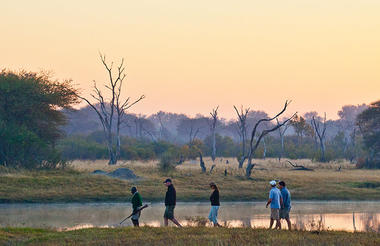
Mana offers a choice of permanent camps, each with a unique perspective. Mana is wonderful location for walking and canoe safaris offering overnight stays in mobile, tented camps.


