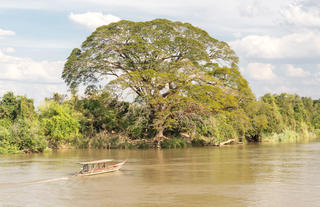
Wedged between a number of larger neighbouring countries, Laos is often overlooked in favour of tourism giants such as Thailand and Vietnam. But these travellers are missing out on an extraordinarily scenic and culturally rich destination. Laos boasts a reputation as the least visited, least Westernised, and most untouched of all Indochinese nations. Only time will tell how long this will last, but while it does, visitors who choose to explore this nation’s remote areas will be richly rewarded. Laos’ primary drawcard is undoubtedly the mighty Mekong River which traverses the length of the country and is considered the second most biodiverse river in the world. In the north, the landscape is characterised by little-explored jungle-clad mountainous areas where visitors can witness the intriguing cultures of the various hill tribes that populate this region. Travellers on the hunt for cultural interest should head for the bustling capital of Vientiane, with its innumerable temples and Buddhist monuments. It is this variety of exotic wildlife, remote wilderness and remarkable cultural treasures that make Laos a truly unique and unforgettable holiday destination.
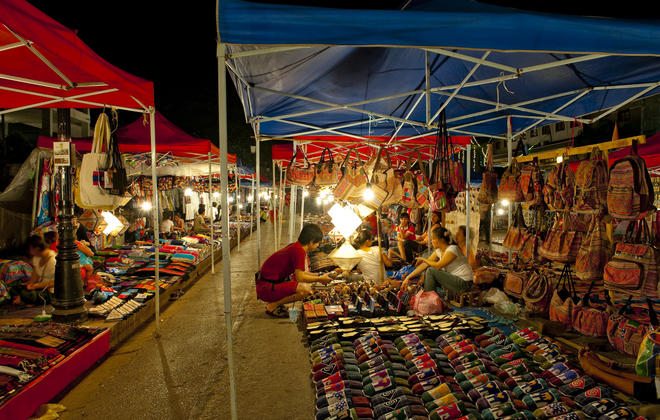
Luang Prabang is a historic town in northern Laos, set at the confluence of the Mekong and Nam Khan rivers and surrounded by forested mountains. A UNESCO World Heritage-listed destination, it is renowned for its well-preserved Buddhist temples, French colonial architecture and relaxed riverside atmosphere. Travellers can explore ornate monasteries, climb Mount Phousi for panoramic views, and visit the Kuang Si waterfalls, where turquoise pools cascade through lush jungle. Early risers can witness the traditional alms-giving ceremony, while the lively night market offers local handicrafts and Lao cuisine. With its blend of spiritual heritage, natural beauty and unhurried pace, Luang Prabang provides a distinctive introduction to Laos and is particularly appealing to travellers seeking culture, scenery and authentic local experiences.


Xayaboury—also spelled Xayabuli, Xaignabouli, Sayaboury and Sayabouli—is a northwestern Lao province known for its striking natural landscapes and rich cultural heritage. Its namesake capital rests along the western banks of the Mekong River, where visitors can still admire traditional steep-roofed wooden homes, particularly around Pak Lay. Rugged and mountainous, the province is a paradise for outdoor enthusiasts, offering atmospheric caves such as Tam Hine and Tham Phaway, as well as scenic waterfalls including Tad Namyal, Tad Namphong and Tad Fanh. Culturally inclined travellers will appreciate the Tai Lue–style temples of Vat Ban Khon—renowned for rare murals crafted from natural fibres—and the distinctive diamond-shaped stupa of Vat Si Phan Don. With its blend of nature, tradition and quiet authenticity, Xayaboury offers a compelling window into the lesser-visited heart of Laos.


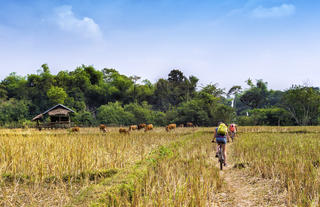
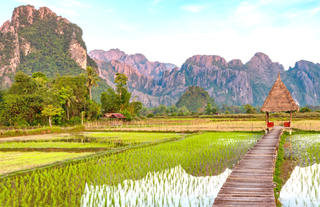
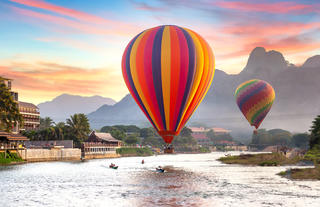
Surrounded by mist-draped limestone karsts, tranquil rice paddies, mysterious caves and ancient ruins, Vang Vieng is a vibrant jungle town set amid some of Laos’s most breathtaking scenery. Although the once-infamous river party scene has been reined in by new regulations, the town remains a premier hub for soft adventure—offering cycling, caving, tubing, rafting, kayaking, zip-lining and countless hiking trails through cinematic landscapes. Between excursions, travellers can unwind in the town’s growing collection of boutique hotels and international restaurants, which make it a comfortable base for exploring the region’s natural wonders. Sunset Hill offers one of Vang Vieng’s most striking viewpoints, while the area’s aquamarine lagoons and spring-fed swimming holes invite dreamy, refreshing dips. Combining raw natural beauty with just the right amount of comfort and charm, Vang Vieng continues to captivate visitors seeking adventure framed by extraordinary scenery.


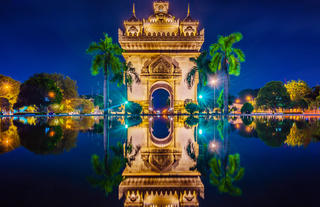
ViVientiane, the capital and largest city of Laos, offers a refreshing contrast to many Southeast Asian capitals—uncrowded, unhurried and imbued with a gentle, understated elegance. Set along the Mekong River, the city blends leafy boulevards, serene temples and evocative French-era architecture with a relaxed riverside lifestyle. Its spiritual heart is Pha That Luang, the nation’s most revered monument, a radiant 16th-century golden stupa symbolising Lao identity and Buddhist devotion. Travellers can wander between pavement cafés, atmospheric night markets and riverside restaurants, all of which reflect the city’s famously tranquil rhythm. Cultural highlights include the Laos National Museum, where thoughtfully curated exhibits trace the country’s long and complex history. With its calm disposition, historic charm and warm hospitality, Vientiane offers a captivating introduction to the soul of Laos.


Once a commanding power in the Mekong River basin, Champasak has evolved into a tranquil province best known for its serene landscapes, ancient heritage and the beguiling Si Phan Don (4,000 Islands) archipelago. Its namesake town, Champasak, is a peaceful riverside settlement graced with French colonial buildings, shimmering Buddhist temples and a slow, timeless rhythm. The province’s crown jewel is Wat Phu, an evocative pre-Angkorian Khmer temple complex and UNESCO World Heritage Site dating back to at least the 5th century. A fragrant frangipani-lined stone stairway leads to its upper sanctuary, rewarding visitors with sweeping views over the surrounding plains and the remnants of this ancient spiritual centre. Beyond its archaeology, Champasak is a paradise for adventure seekers and nature lovers alike, with 178 named mountains, vast protected areas and riverine landscapes offering endless opportunities for exploration.