


Located in southwestern Africa, Namibia boasts a well-developed infrastructure, some of the best tourist facilities in Africa, and an impressive list of breathtaking natural wonders. Visitors can explore the capital of Windhoek and discover the lovely coastal town of Swakopmund, which boasts remnants of the country’s German influence, reflected in its architecture, culture, cuisine, and the annual Oktoberfest celebrations. To properly appreciate this extraordinary country, you will have to venture out of the cities to explore the remarkable natural landscapes Namibia has to offer. These include: the impressive Fish River Canyon; the vast Etosha National Park teeming with abundant wildlife, such as lions, desert-adapted elephants and the Hartmann's Mountain Zebra; the hauntingly beautiful Kalahari Desert; and, ofcourse, the Namib Desert stretching for over 2000 km along the magnificent Atlantic Coast. Namibia is an ideal destination for travellers seeking an unforgettable African experience in a uniquely beautiful, untamed wilderness.
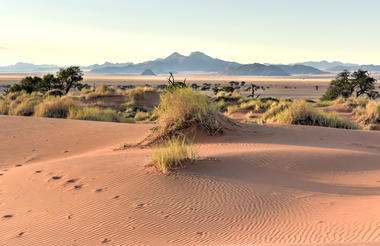
Spanning more than 172,000 hectares and encompassing several distinct desert ecosystems, the NamibRand Nature Reserve in southern Namibia is one of the largest private nature reserves in Southern Africa. Founded to conserve the unique ecosystem and biodiversity of the Namib Desert, the reserve's mix of dunes, mountains, rocky outcrops, sandy flats, and gravel plains provides habitats for a diversity of mammals, including hyenas, jackals, foxes, antelopes, and various wild cats. The reserve is also home to numerous bird species, reptiles, insects, and amphibians, alongside an array of plant species. Discover the mysterious fairy circles, enigmatic bare patches in the desert landscape whose origins remain the subject of scientific debate, or enjoy a night of sublime stargazing; as Africa's first International Dark Sky Reserve, it is one of the least light-polluted areas in the world.
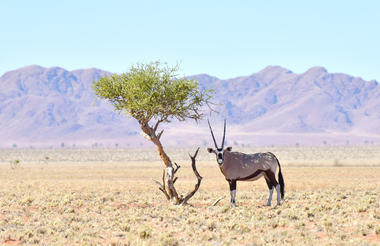
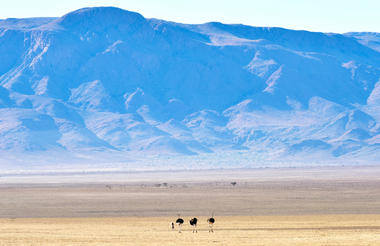
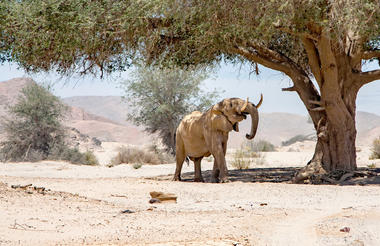
Situated in the rugged landscapes of northwestern Namibia's Kunene Region, Palmwag is a remote safari destination renowned for its dramatic desert scenery and remarkable wildlife. Set amid rocky hills, ephemeral riverbeds and iconic makalani palms, it lies within one of Namibia's largest wilderness conservation landscapes. Visitors can enjoy guided nature drives and walking safaris in search of desert-adapted elephants, black rhinos, giraffes, springbok and other wildlife adapted to this arid environment. Sweeping vistas, striking red-earth landscapes and peaceful starlit skies create a profound sense of solitude, making Palmwag an exceptional destination for travellers seeking wilderness, conservation experiences and the untamed beauty of Namibia.
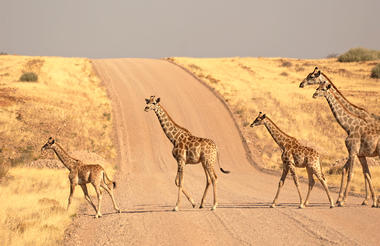

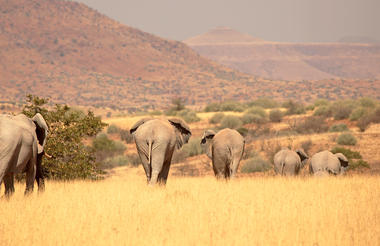
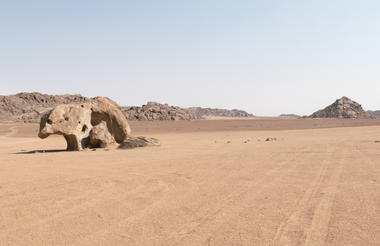
Situated in northwestern Namibia, stretching from the Skeleton Coast inland towards the Angolan border, Kaokoveld is a vast and remote wilderness region known for its rugged landscapes, dramatic mountains and ancient desert valleys. This sparsely populated area is home to small Himba communities, free-roaming desert-adapted wildlife and some of Namibia’s most spectacular scenery. Travellers can explore remote landscapes by 4x4, visit traditional Himba settlements, track desert elephants, and search for black rhinos in rugged terrain. Among the region’s most iconic sights are Hartmann’s Valley and Marienfluss, two spectacular wilderness valleys renowned for their sweeping landscapes, as well as the legendary Van Zyl’s Pass, the dramatic Kunene River, and the picturesque Epupa Falls. With limited infrastructure and challenging conditions, Kaokoveld appeals to adventurous travellers seeking solitude and untouched wilderness.
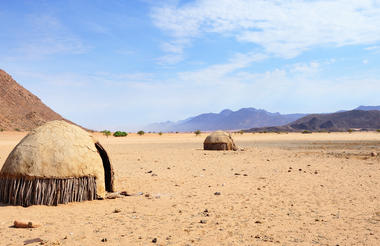
Bordering Angola in northern Namibia, Kunene is a region as well as the name of a river, which is one of just five perennial rivers in Namibia. The Kunene River is an invaluable source of water for the local Himba people, and it has been the mainstay of their existence for hundreds of years. For travellers, the river’s most striking feature is the magnificent Epupa Falls, which cascade over a distance of more than a kilometre downstream, with an impressive vertical drop of around 60 metres. Whitewater rafting and kayaking are both popular pursuits in these areas. Visitors can take sundowner cruises; explore sublime hiking routes; enjoy excellent bird watching opportunities; learn about local culture with a trip to a traditional Himba village; or go canoeing, kayaking, and game viewing.


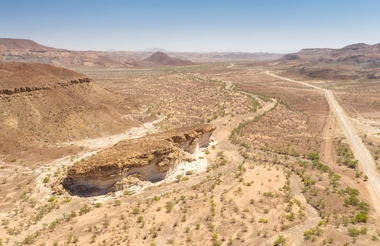
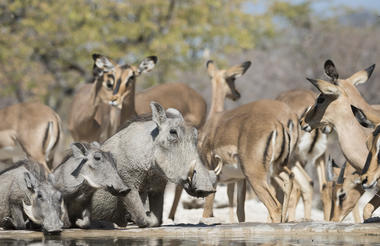
Ongava Game Reserve shares its southern boundary with Etosha National Park and is widely regarded as one of Namibia’s premier private wildlife reserves. Spanning approximately 30,000 hectares, it is internationally recognised for its conservation efforts, ecological research and immersive safari experiences. The landscape is defined by open savannah plains, scattered salt pans and a rich diversity of wildlife. Its location allows easy access into Etosha through Andersson’s Gate, making it an ideal base for combined safari experiences. Ongava is also known for its luxury lodges, thoughtfully designed using natural materials to blend into the surrounding environment. A highlight of the reserve is its healthy population of black and white rhino, offering guests exceptional viewing opportunities. Activities include guided game drives, night safaris, birdwatching and walking safaris, creating an intimate and rewarding encounter with Namibia’s wilderness.

Windhoek, Namibia’s capital, lies in the heart of the country amid the rolling Khomas Highlands, where wide skies and dry savannah frame a compact, orderly city. It blends German colonial heritage with contemporary African identity, creating a calm, understated atmosphere rather than a bustling metropolis. Landmarks such as Christuskirche and the Tintenpalast sit alongside modern civic buildings, while lively markets and cafés reveal everyday Namibian life. Visitors can explore museums, stroll shaded streets, or use the city as a gateway to the surrounding wilderness and safari regions. The air is often dry and clear, carrying the scent of dust and jacaranda blossoms, while distant hills glow at sunset. Windhoek offers a gentle introduction to Namibia’s landscapes and culture, with space, light and quiet defining its appeal.





