


Dubbed the 'Warm Heart of Africa' for its good-natured charm, the tiny, landlocked country of Malawi in southeastern Africa is a famously hospitable little nation brimming with touristic abundance. Its exuberant landscape is a breathtaking natural kaleidoscope of verdant countryside, sweeping plateaux, soaring highlands, and river valleys. Malawi's share of the vast Great Rift Valley encompasses the country's must-see eco-destination, the emblematic Lake Malawi, several national parks and game reserves, while the Central African Plateau's undulating terrain is defined by a series of dramatic escarpments, punctuated by lakes, dramatic hills and dense forests. A wealth of outdoor activities is open to outdoor enthusiasts, including hiking, swimming, scuba diving, snorkelling, water skiing, sailing, kayaking, parasailing and boating. Game viewing at the reserves offers a chance to see crocodiles, lions, elephants, hippos and leopards. For the more culturally curious, browse the many bustling markets, visit traditional villages and dig into the treasure trove of the country's history at The Society of Malawi in Blantyre.


At 1,050 metres above sea level in Malawi's central region, Lilongwe bridges traditional and modern Africa within its dual cityscape. The Old Town, characterised by bustling markets, small shops, and historic golf clubs, contrasts sharply with the organised structure of the New Town, a hub of embassies, government ministries, and modern infrastructure. Lilongwe's lush green spaces, particularly the Lilongwe Nature Sanctuary, provide an urban oasis that rehabilitates injured animals while promoting environmental education. The Kamuzu Mausoleum, built of marble and granite, is the final resting place of Malawi's first president, with pillars bearing his principles of unity, loyalty, obedience, and discipline. The Parliament Building, located near Capital Hill, houses the government's operations and is an example of modern Malawian architecture. Other sights worth seeing include a day trip to the Kumbali Cultural Centre, offering the opportunity to view traditional Malawian dancing and drumming, as well as an excursion to Chongoni Rock Art Area featuring one of the densest clusters of rock art in Central Africa.
Located in the heart of Southern Africa, Zambia offers visitors an authentic African experience complete with thrilling adventure activities, rich cultural heritage and abundant wildlife found within its vast national parks and wilderness areas. Spend your evenings admiring the spectacular Victoria Falls, one of the world's largest waterfalls, after an exhilarating day of white-water rafting on the mighty Zambezi River. For a more relaxed experience, cruise the tranquil waters of Lake Kariba aboard a houseboat, watching elephants gather along the shoreline while trying your hand at catching the elusive tigerfish. From unforgettable safari adventures to breathtaking landscapes and warm hospitality, Zambia offers an exceptional blend of natural beauty and adventure. Whatever your interests, this remarkable country is sure to leave a lasting impression and a desire to return.
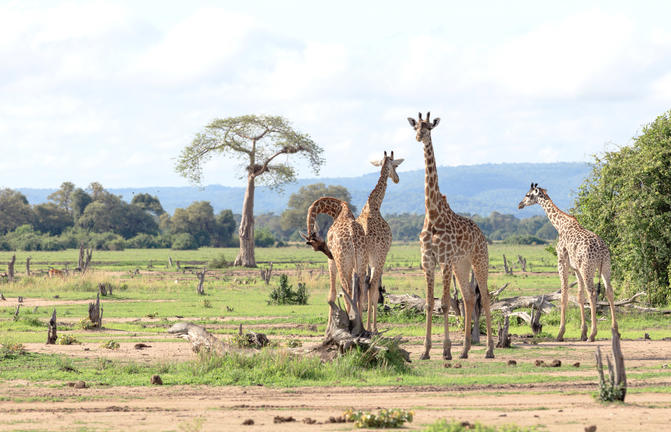
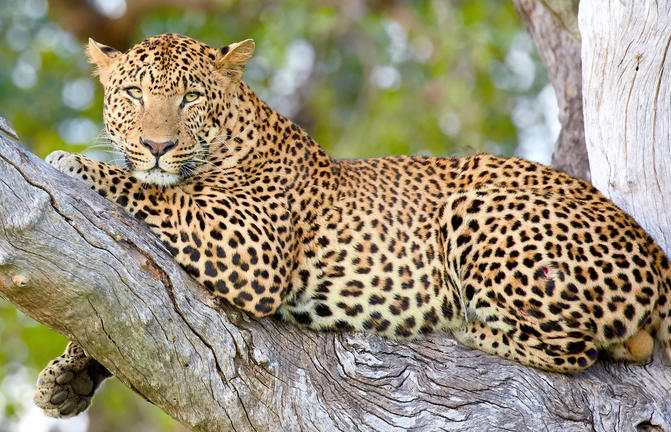
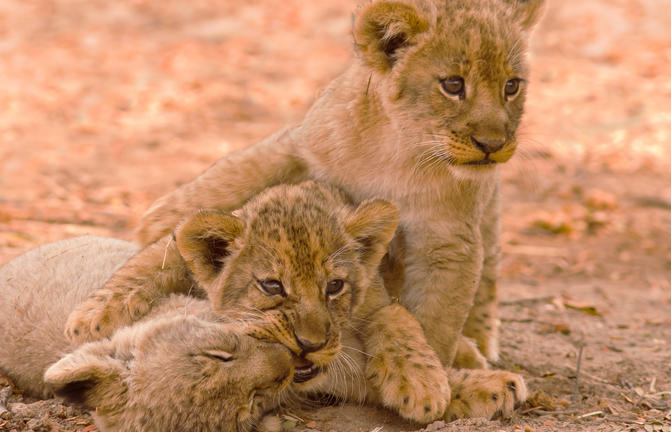
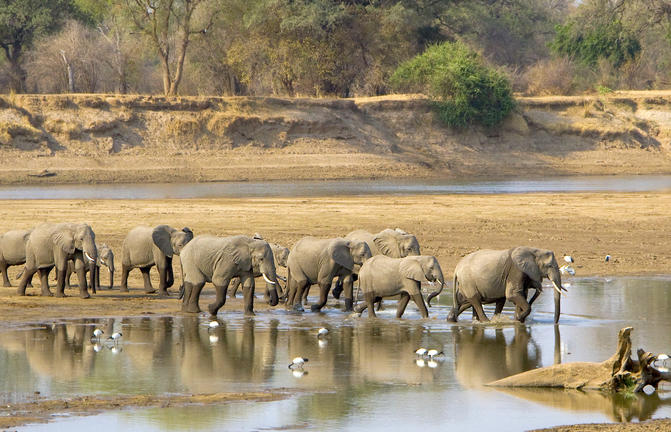
Bordering the Luangwa River in eastern Zambia, South Luangwa National Park is one of Africa’s most celebrated wildlife destinations, renowned for its unspoilt wilderness, exceptional biodiversity, and successful conservation efforts. The park supports thriving populations of elephant, lion, leopard, buffalo, hippo, giraffe, and numerous antelope species, along with more than 400 bird species. Widely regarded as the birthplace of the walking safari, South Luangwa offers visitors the rare opportunity to explore the bush on foot under the guidance of experienced armed guides, providing an intimate perspective of the surrounding wildlife and ecosystems. Traditional game drives, seasonal boating, and outstanding opportunities for photography and birdwatching further enhance the experience. Combined with the scenic Luangwa River, the park delivers one of Africa’s most authentic and unforgettable safari adventures.

Dubbed the 'Warm Heart of Africa' for its good-natured charm, the tiny, landlocked country of Malawi in southeastern Africa is a famously hospitable little nation brimming with touristic abundance. Its exuberant landscape is a breathtaking natural kaleidoscope of verdant countryside, sweeping plateaux, soaring highlands, and river valleys. Malawi's share of the vast Great Rift Valley encompasses the country's must-see eco-destination, the emblematic Lake Malawi, several national parks and game reserves, while the Central African Plateau's undulating terrain is defined by a series of dramatic escarpments, punctuated by lakes, dramatic hills and dense forests. A wealth of outdoor activities is open to outdoor enthusiasts, including hiking, swimming, scuba diving, snorkelling, water skiing, sailing, kayaking, parasailing and boating. Game viewing at the reserves offers a chance to see crocodiles, lions, elephants, hippos and leopards. For the more culturally curious, browse the many bustling markets, visit traditional villages and dig into the treasure trove of the country's history at The Society of Malawi in Blantyre.
As previously described
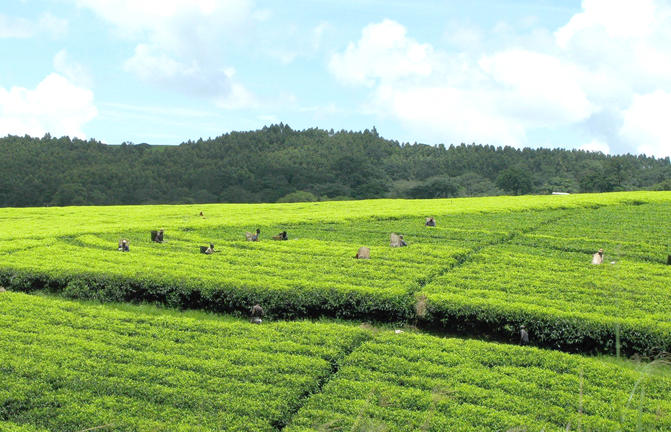
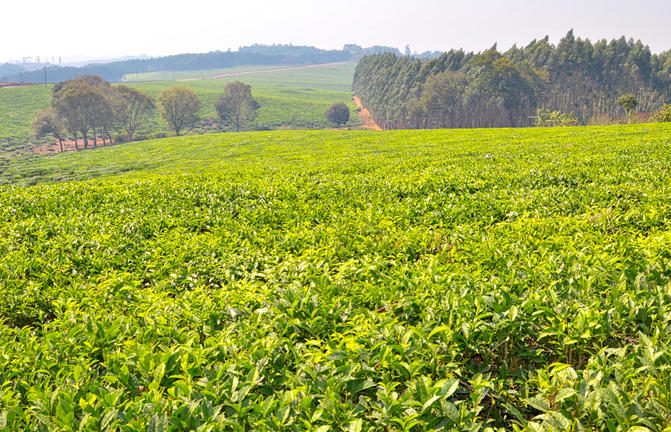
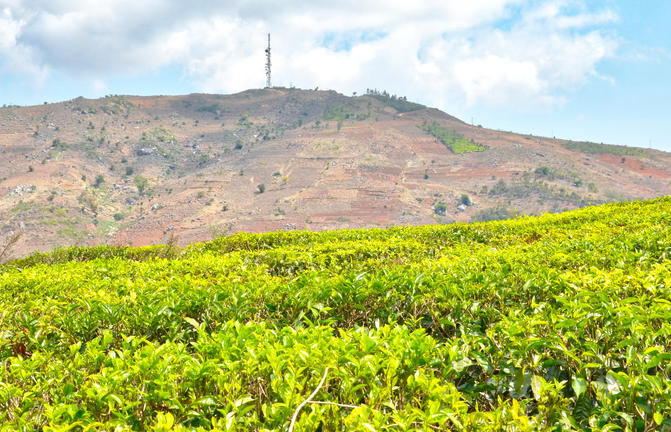
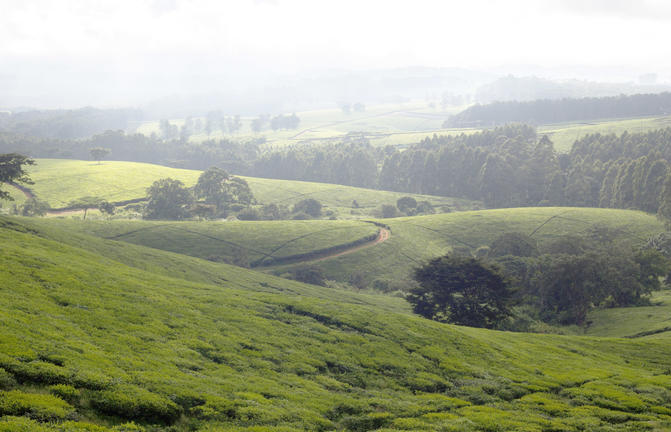
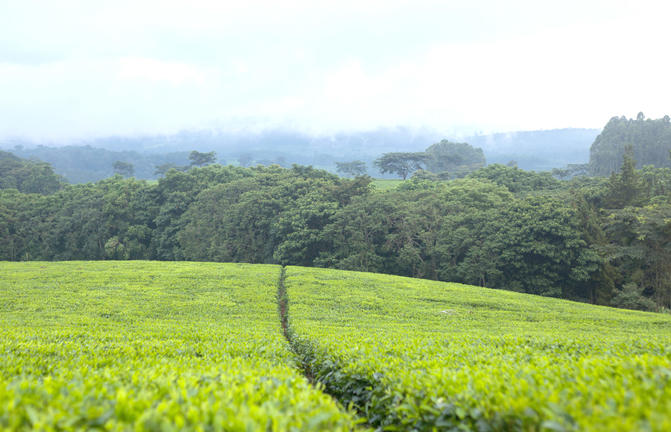
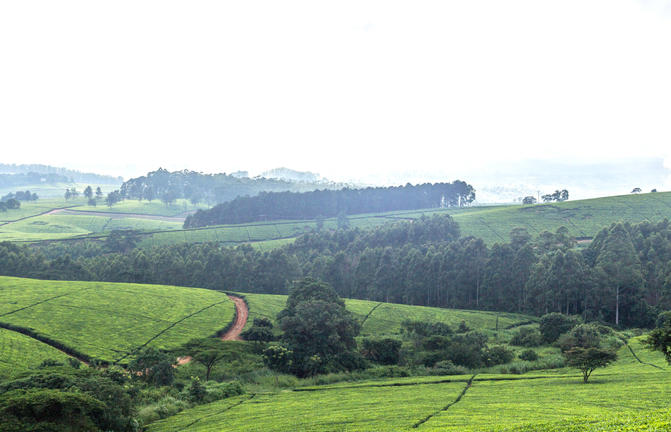
Located between Blantyre and Mount Mulanje in what is arguably the most beautiful region of Malawi, the town of Thyolo serves as the administrative capital of the Thyolo District. The area is best known for its historical tea and coffee estates, some of which date back as far as the early 1900s. With its tidy landscape of undulating hills and immaculately kept tea and coffee estates, the Thyolo area is a pleasure to explore whether by bike, vehicle, or on foot. Magnificent views of Mount Mulanje and the Shire River Valley in the distance are a highlight of the region, as are the excellent opportunities for birding, hiking, and mountain biking. Some of the estates also offer guided tours where one can explore the farm, learn how the plantations work, and enjoy tea or coffee tastings.


Liwonde National Park lies along the Shire River in southern Malawi. One of the country's premier safari destinations, it is celebrated for its abundant wildlife, scenic river landscapes and successful conservation initiatives. The park is home to large populations of elephants, hippos and crocodiles, while black rhinos, cheetahs and lions have been successfully reintroduced. Boat safaris offer close-up wildlife encounters, complemented by game drives through floodplains, mopane woodlands and open grasslands. Liwonde is also one of Malawi's leading birdwatching destinations, with more than 400 recorded species, and its palm-fringed riverbanks create striking scenery for photographers and nature lovers alike.
Although in Mozambican waters, Likoma Island is Malawian territory and is the larger of the two inhabited islands of Lake Malawi, measuring seventeen square kilometres across. The island boasts some lovely beaches, friendly locals, and predominantly flat terrain with a baobab dotted southern side. It is home to the headquarters of the University Mission to Central Africa, Livingstone’s mission, and hence it remained British territory when the Lake was divided politically after World War Two. The island is famous for the large, beautiful St. Peter's Cathedral, featuring numerous stained glass windows and intricate soapstone details. Visitors can relax on pristine beaches, snorkel and dive in the crystal-clear waters, and enjoy a variety of watersports.


