At the foot of Mount Meru, whose volcanic cone dominates the northern skyline, Arusha is the administrative capital of the Arusha Region and the principal gateway to northern Tanzania's renowned safari circuit. Alongside its thriving tourism industry, the bustling city is a leading centre for business, diplomacy and international conferences in East Africa, hosting regional institutions and major political, commercial and conservation events throughout the year. German colonial buildings, modern offices and lively markets reflect Arusha's evolution from a colonial outpost into northern Tanzania's commercial hub, while cafés, hotels, craft centres and galleries contribute to its cosmopolitan atmosphere. Less than an hour from the city, Arusha National Park offers game drives and canoeing on the Momella Lakes beneath Mount Meru, while nearby coffee estates and cultural experiences introduce visitors to the region beyond the safari circuit.


As previously described


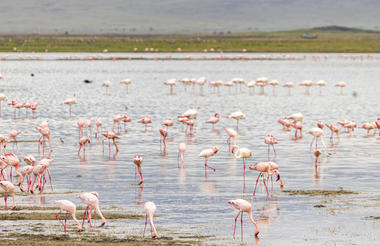
Situated in northeastern Tanzania, the Arusha National Park is set against the spectacular backdrop of Mount Kilimanjaro. This 552 square kilometre park is renowned for its other-worldly scenery and excellent choice of trekking possibilities. This beautiful area is divided into three parts: Mt. Meru, a spectacular volcanic cone; the Ngurdoto Crater, with its lost-world feel; and the multi-hued Momela Lakes. The park features a wide range of habitats that provide a home to an array of wildlife and plant species. Commonly spotted animals include Cape buffalo, giraffe, zebra, warthog, monkey, flamingo, lion and elephant.


Mount Meru is a striking volcanic mountain in northern Tanzania, rising above Arusha and forming a prominent feature of Arusha National Park. At 4,562 metres, it is Tanzania's second-highest mountain and offers a challenging alternative to the more famous Mount Kilimanjaro. The mountain is primarily a trekking destination, with the multi-day Momella Route passing through varied landscapes, from lush montane forest and bamboo to open moorland and rocky alpine terrain. Wildlife can often be seen on the lower slopes, including giraffes, buffalo and monkeys, while higher slopes provide expansive views across the surrounding landscape and, on clear days, towards Kilimanjaro. Its combination of wilderness, varied scenery and demanding hiking makes Mount Meru particularly appealing to travellers seeking a rewarding high-altitude trek in northern Tanzania.


Located in Tanzania’s scenic northern highlands, Karatu is a small, colourful town surrounded by rolling green hills and fertile farmland. Travellers heading for the Serengeti National Park and Ngorongoro Crater often pass through Karatu, which lies beneath the towering Ol Deani Volcano. The town serves as a popular overnight stop for visitors exploring the region’s many game parks. Karatu offers a variety of activities, including browsing bustling local markets, sampling beer at a local brewery, visiting traditional homesteads, or taking guided walks through the Ngorongoro Forest in search of waterfalls and caves. Whether seeking cultural experiences, hiking and biking opportunities, or simply a relaxing break between safari drives, visitors will find plenty to enjoy in this welcoming town.


Situated in northern Tanzania, Tarangire National Park is a breathtaking safari destination famed for its dramatic landscapes and exceptional wildlife. Dominated by ancient baobab trees and the life-giving Tarangire River, the park provides sanctuary for vast herds of elephants, zebra, and wildebeest, alongside smaller groups of giraffe and impala, especially during the dry season when animals gather in extraordinary numbers. Travellers can look forward to thrilling game drives that reveal lion, leopard, and even cheetah, together with more than 500 bird species that make the skies shimmer with colour and sound. Unlike busier safari parks, Tarangire offers a more tranquil, intimate atmosphere, allowing visitors to truly connect with nature. Its sweeping vistas, rich biodiversity, and sense of untamed wilderness make it an unmissable highlight of any Tanzanian adventure.
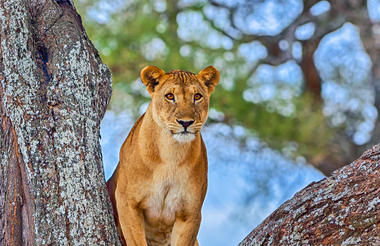
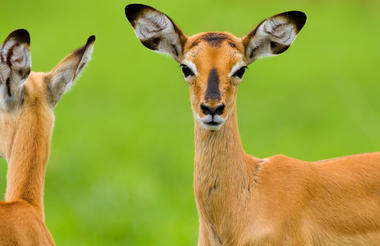
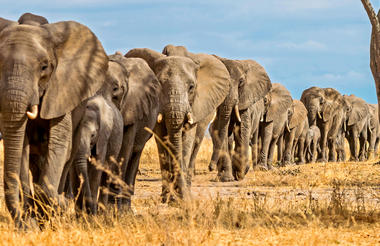
Bordering the Lake Manyara National Park in the Arusha Region of Tanzania, the village of Mto wa Mbu lies the East African Rift Valley. It serves as a convenient stopover for tourists visiting the Serengeti National Park, Ngorongoro Crater, and Tarangire National Park. Visitors can look forward to an authentic cultural experience which could include visiting a traditional home, sampling banana beer, enjoying a delicious Tanzanian meal, and browsing the weekly Maasai Market. The village is set within two wildlife corridors and a variety of animals can be spotted in the area. Look out for giraffe, elephant, hippo, wildebeest, baboon, zebra, and monkey. Other popular activities include walking, hiking, and biking tours.


Ngorongoro Conservation Area lies in northern Tanzania, forming part of the wider Serengeti ecosystem and encompassing dramatic highlands, volcanic plains and the world-famous Ngorongoro Crater. The atmosphere is vast and elemental, shaped by sweeping savannahs, mist-cloaked rim viewpoints and an ever-present sense of geological scale. Wildlife is abundant, with opportunities to see lion, elephant, buffalo and flamingo within the crater floor, while Maasai communities continue traditional pastoral lifestyles across the surrounding landscape. Visitors can descend into the crater for game drives, explore archaeological sites such as Olduvai Gorge, or simply take in the shifting light across the highlands. Crisp morning air, distant calls of wildlife and wide horizons create a powerful sense of wilderness, though conditions and visibility can vary with season and weather.


Located within northern Tanzania's Ngorongoro Conservation Area, Ngorongoro Crater is the world's largest intact volcanic caldera and one of Africa's most remarkable wildlife destinations. Encircled by steep crater walls, its fertile grasslands, forests and soda lakes support an extraordinary concentration of animals, including lions, elephants, buffalo and hippos. Game drives across the crater floor offer exceptional wildlife viewing within a relatively compact area, while Maasai communities in the surrounding highlands provide insight into local traditions and culture. From mist drifting over the crater rim at dawn to vast plains dotted with grazing herds below, the landscape is both dramatic and serene. Although popular and often busy, Ngorongoro delivers an unforgettable safari experience shaped by stunning scenery and abundant wildlife.
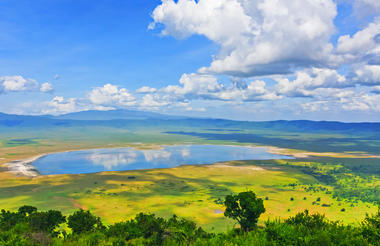
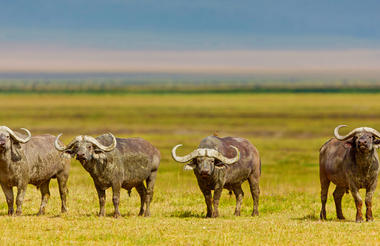
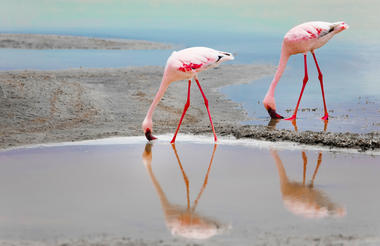
The Seronera region, in the central Serengeti, is set directly on the Great Migration route and offers excellent viewing of this incredible annual phenomenon, when countless wildebeest flood the area and move across the plains. While migratory game populations fluctuate seasonally, Seronera is still a wildlife hotspot at other times of the year, sheltering the Big Five, among many other species. A number of small campsites provide accommodation and visitors can enjoy hot air balloon trips and walking safaris as well as guided game drives.


As previously described


As previously described


The Serengeti National Park, together with Kenya’s Masai Mara National Reserve, forms one of Africa’s most celebrated wildlife ecosystems, stretching across the spectacular landscapes of northern Tanzania and southern Kenya. Renowned for its vast open plains and extraordinary biodiversity, the Serengeti is best known for the Great Migration, one of the most remarkable wildlife spectacles on Earth. Each year, more than 1.5 million wildebeest, accompanied by hundreds of thousands of zebras and gazelles, traverse the plains in search of fresh grazing. Predators such as lions, cheetahs and hyenas follow closely behind, creating dramatic wildlife encounters. Elephants, giraffes, buffalo and numerous antelope species also thrive within the park. In addition to traditional game drives, visitors can enjoy hot-air balloon safaris, guided nature experiences and breathtaking views across this iconic African wilderness.
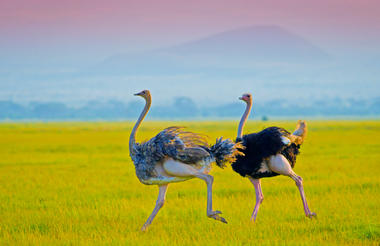
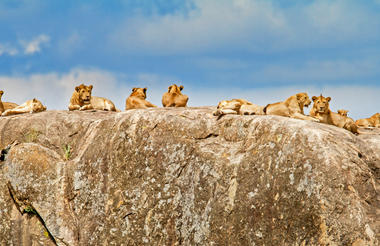
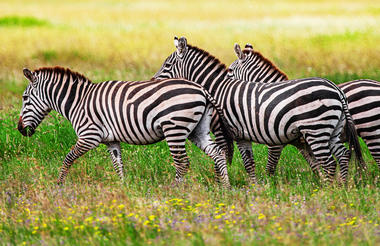
Situated at the heart of Serengeti National Park in northern Tanzania, the Central Serengeti is the park's most visited and wildlife-rich region, centred around the Seronera Valley. Characterised by vast open plains, scattered acacia trees, distinctive granite kopjes favoured by lions and cheetahs, and permanent water sources, it offers exceptional year-round game viewing and is renowned for its resident leopards, often seen resting in the branches of riverside trees. Visitors can enjoy rewarding game drives in search of lions, leopards, cheetahs, elephants, giraffes and large herds of plains game, while the Seronera River attracts an abundance of birdlife and other animals throughout the year. Although it is one of the Serengeti's busiest safari areas, its remarkable biodiversity and reliable wildlife viewing make it an outstanding destination for both first-time and returning visitors.
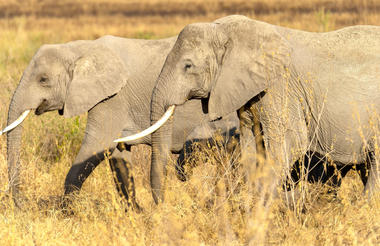
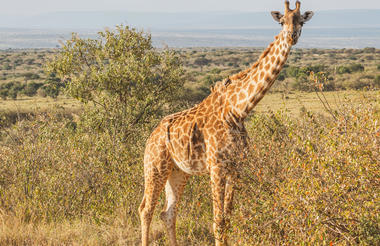
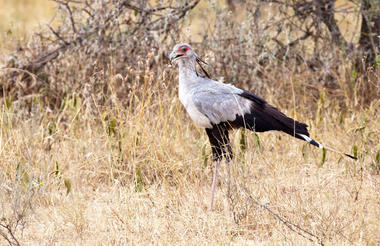
The acacia-dotted plains of the Eastern Serengeti are home to abundant wildlife and offer some of the finest safari experiences in Tanzania. Renowned for its role in the Great Wildebeest Migration, this region attracts visitors from around the world eager to witness one of nature’s most spectacular events. Excellent game viewing can be enjoyed around Lobo on the eastern edge of Serengeti National Park, while activities include guided walks through the scenic wilderness, hot air balloon safaris, bush picnics, and opportunities to learn about Maasai culture and traditions. A visit to the famous Gol Kopjes is a highlight, as these granite outcrops are widely regarded as one of the best places in Africa to observe cheetahs in their natural habitat.
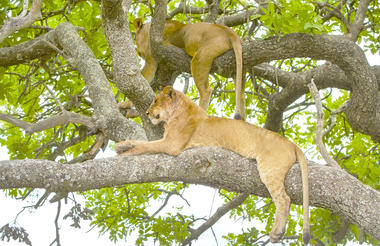
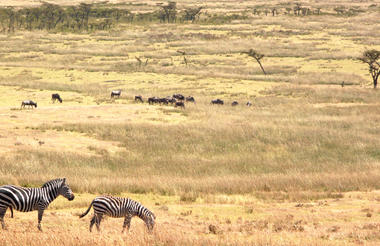
Stretching west from the central Serengeti towards Lake Victoria, the Western Corridor is a remote region characterised by open grasslands, riverine forests and the winding Grumeti River. The area is best known for the annual Great Migration, when vast herds of wildebeest and zebra move through the corridor and cross the crocodile-filled Grumeti, generally between May and July, although the timing varies each year. Visitors can enjoy excellent year-round game viewing, with opportunities to see elephants, lions, leopards, giraffes and large buffalo herds, while the riverine forests support a variety of birdlife and black-and-white colobus monkeys. With fewer visitors than the central Serengeti, the Western Corridor offers a quieter safari experience amid some of the park's most varied landscapes.


As previously described


As previously described